The Savior — History & Facts
In the final years of his life, El Greco embarked on a series of paintings known as the Apostolado, or "Apostle Series," for the church of the Hospital de Tavera in Toledo. Among these, The Savior stands out as one of the most hauntingly original interpretations of Christ in Spanish art. While multiple versions of the Apostolado exist, each painted for different patrons or churches, scholars agree that this late series reveals El Greco at his most experimental, pushing the boundaries of form and color just before his death in 1614.
The commission itself reflected the intense religious fervor of early 17th-century Spain, a period when images of Christ were central to both private devotion and public worship. At the heart of The Savior, Christ gazes directly at the viewer, one hand raised in blessing, the other cradling a transparent globe—symbol of his dominion over the world. The elongated figure, shimmering with unearthly light, is draped in a robe of deep red and blue, colors traditionally signifying sacrifice and divinity. Unlike the serene, balanced Christs of Raphael or Titian, El Greco's Savior seems to hover between earth and heaven, his features sharpened by angular brushwork and a luminous, shifting background.
The painting captures the moment of benediction, inviting viewers into a direct, almost mystical encounter with the divine. The precise journey of this particular The Savior is not fully documented, but it is generally believed to have remained in Spain, passing through private hands before entering a museum collection. As with many works by El Greco, attribution has sometimes been complicated by the involvement of his workshop and the existence of closely related versions. Today, the painting is recognized as a key example of El Greco's late style, marked by expressive distortion and bold color, qualities that would later inspire artists from the Expressionist movement.
Its enduring power lies in its ability to bridge the spiritual intensity of the Counter-Reformation with the personal, visionary world of its creator.
More Artworks by El Greco
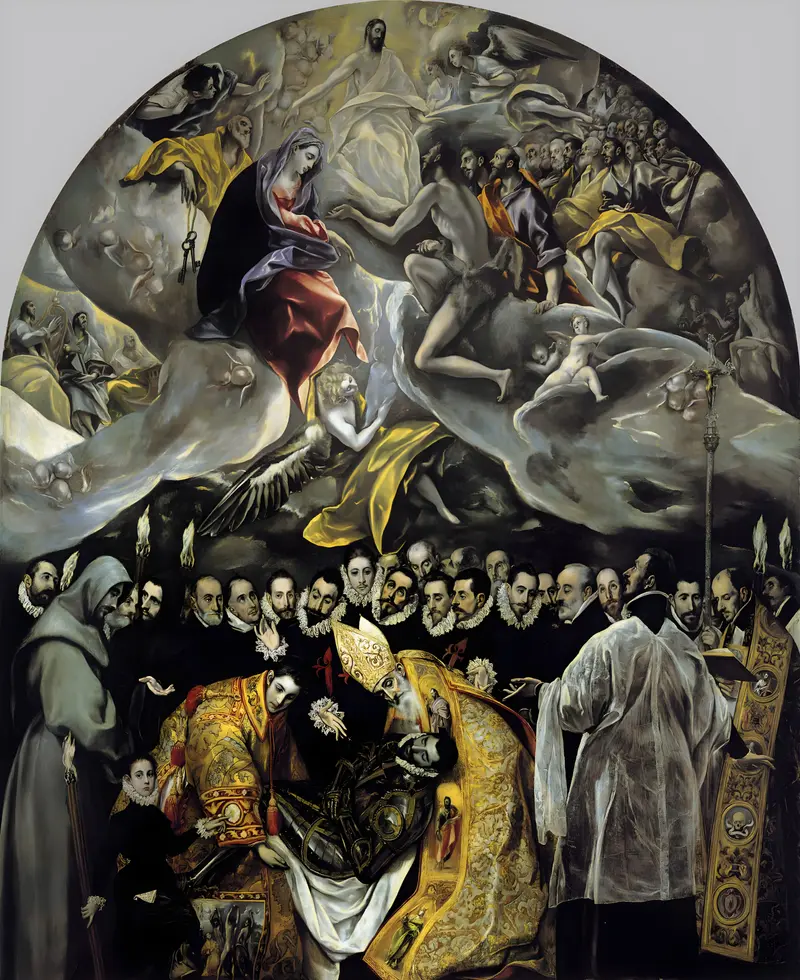
The Burial of the Count of Orgaz
El Greco
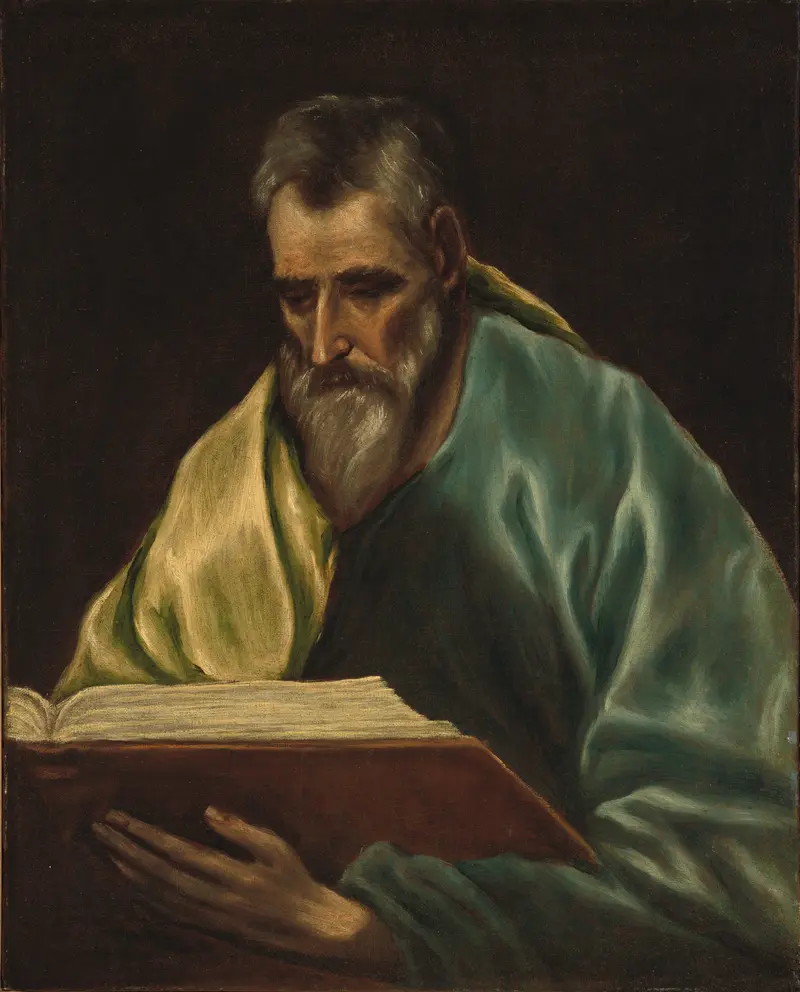
Portrait of an Apostle (Saint Philip)
El Greco
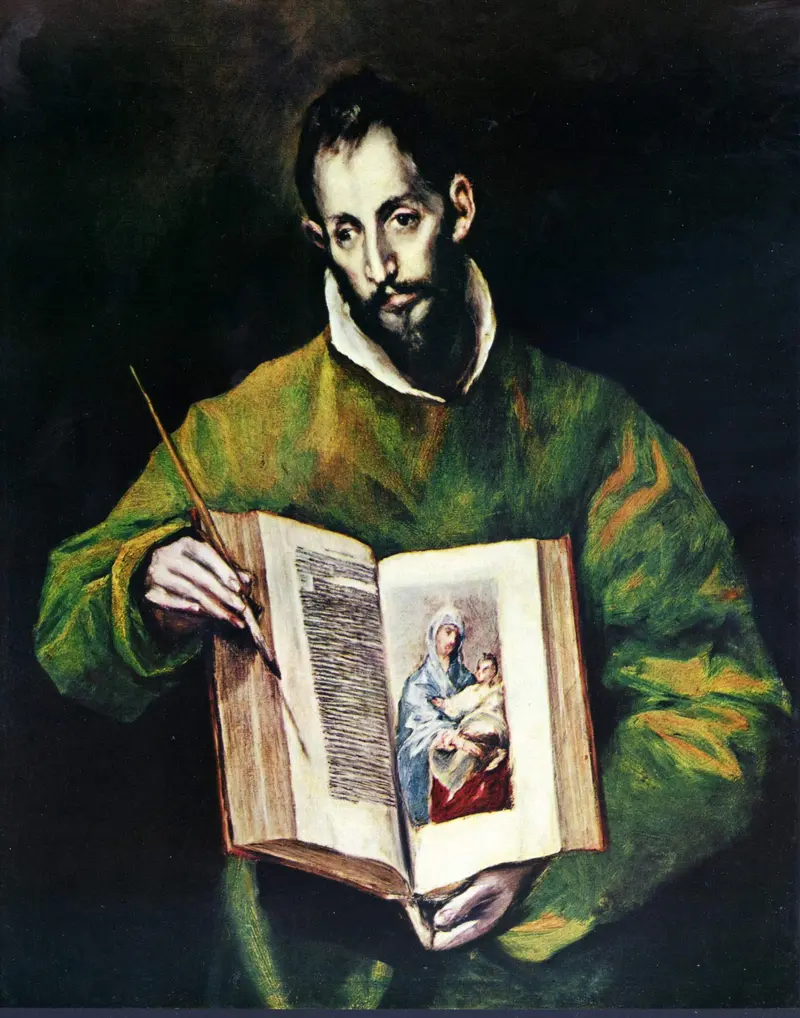
Saint Luke the Evangelist
El Greco
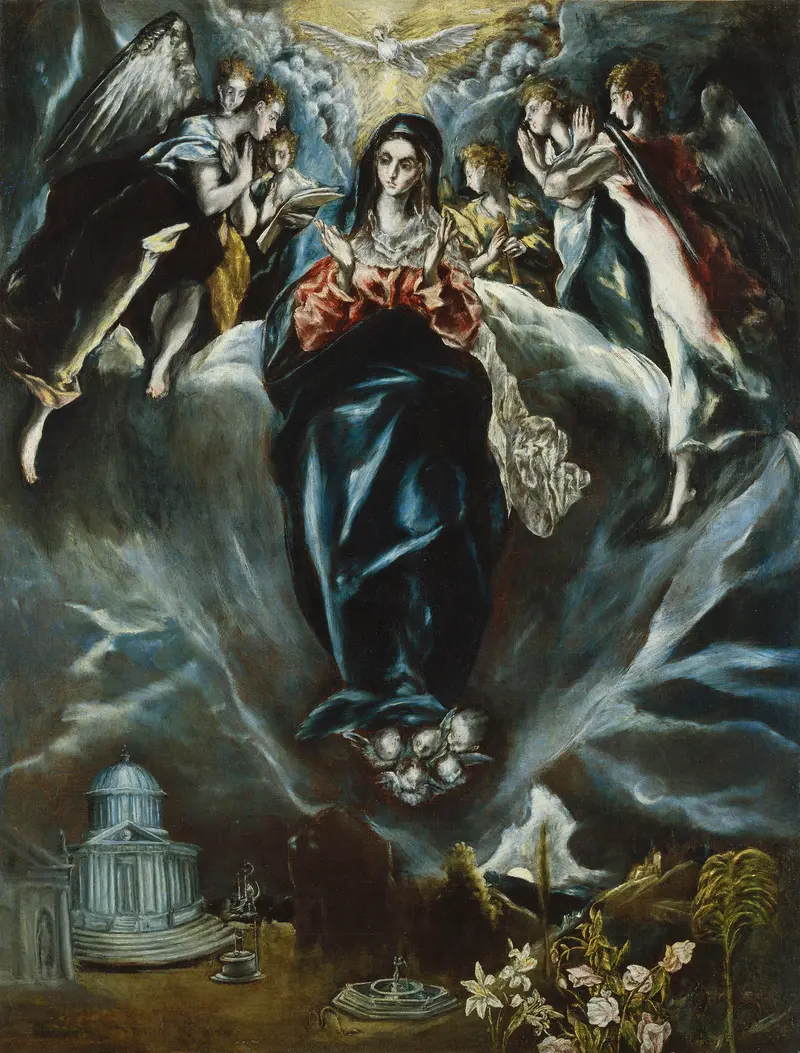
The Immaculate Conception
El Greco
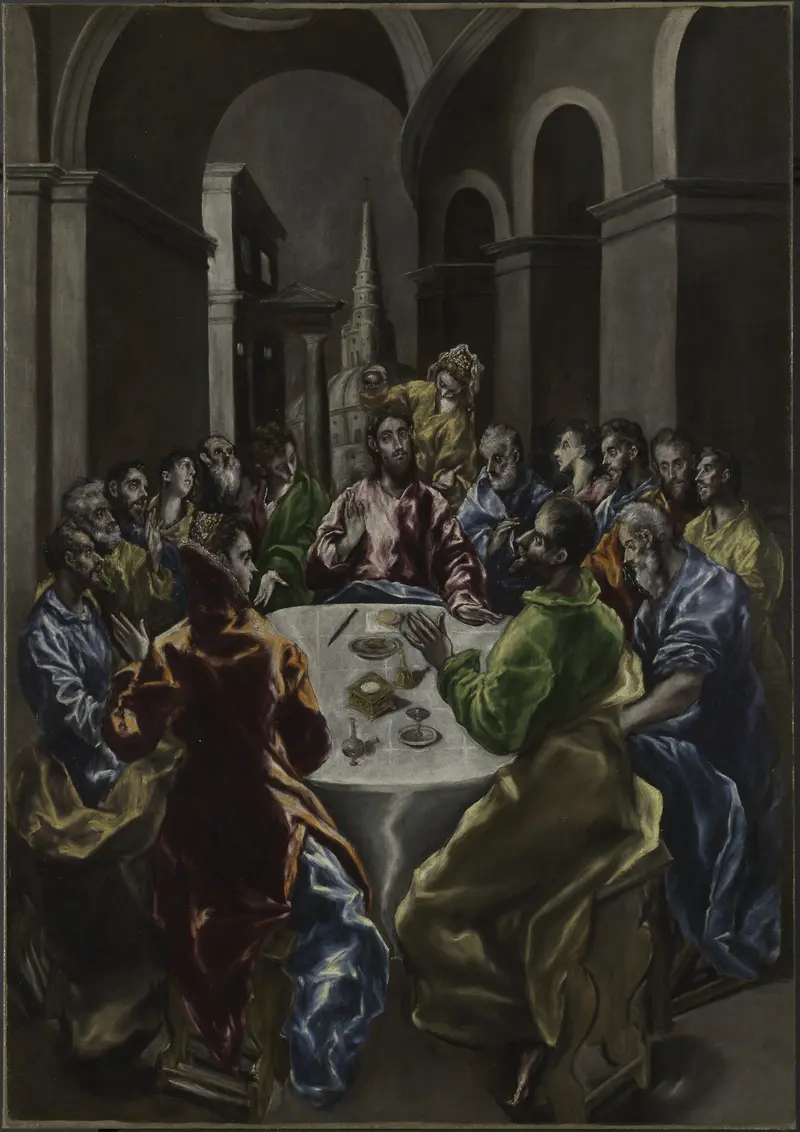
The Feast in the House of Simon
El Greco
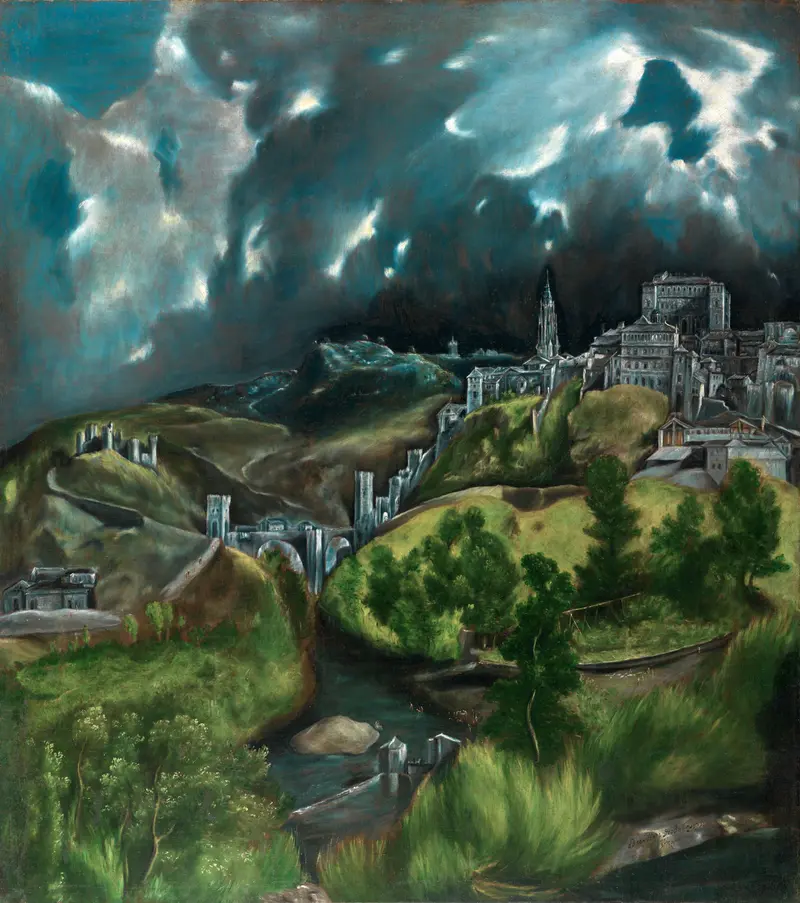
View of Toledo
El Greco
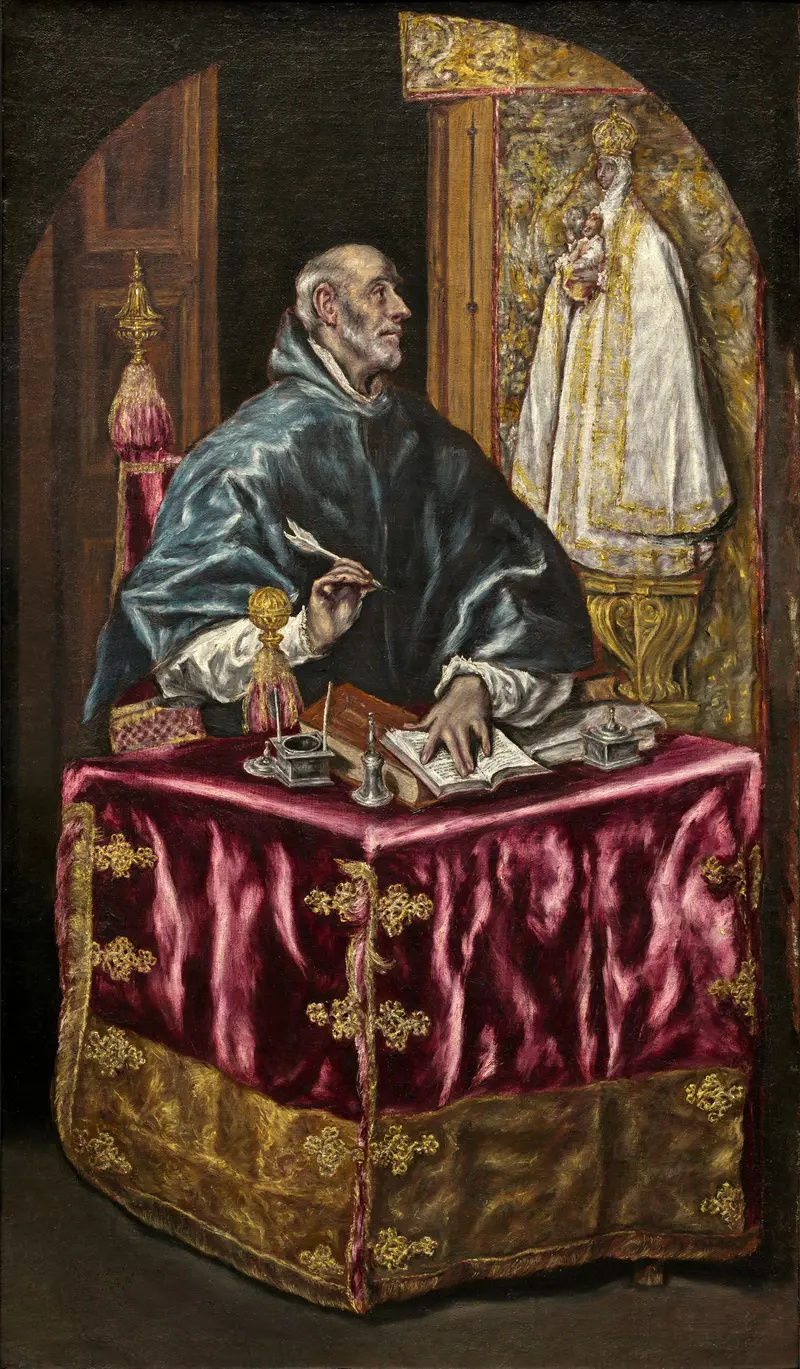
Saint Ildefonso
El Greco
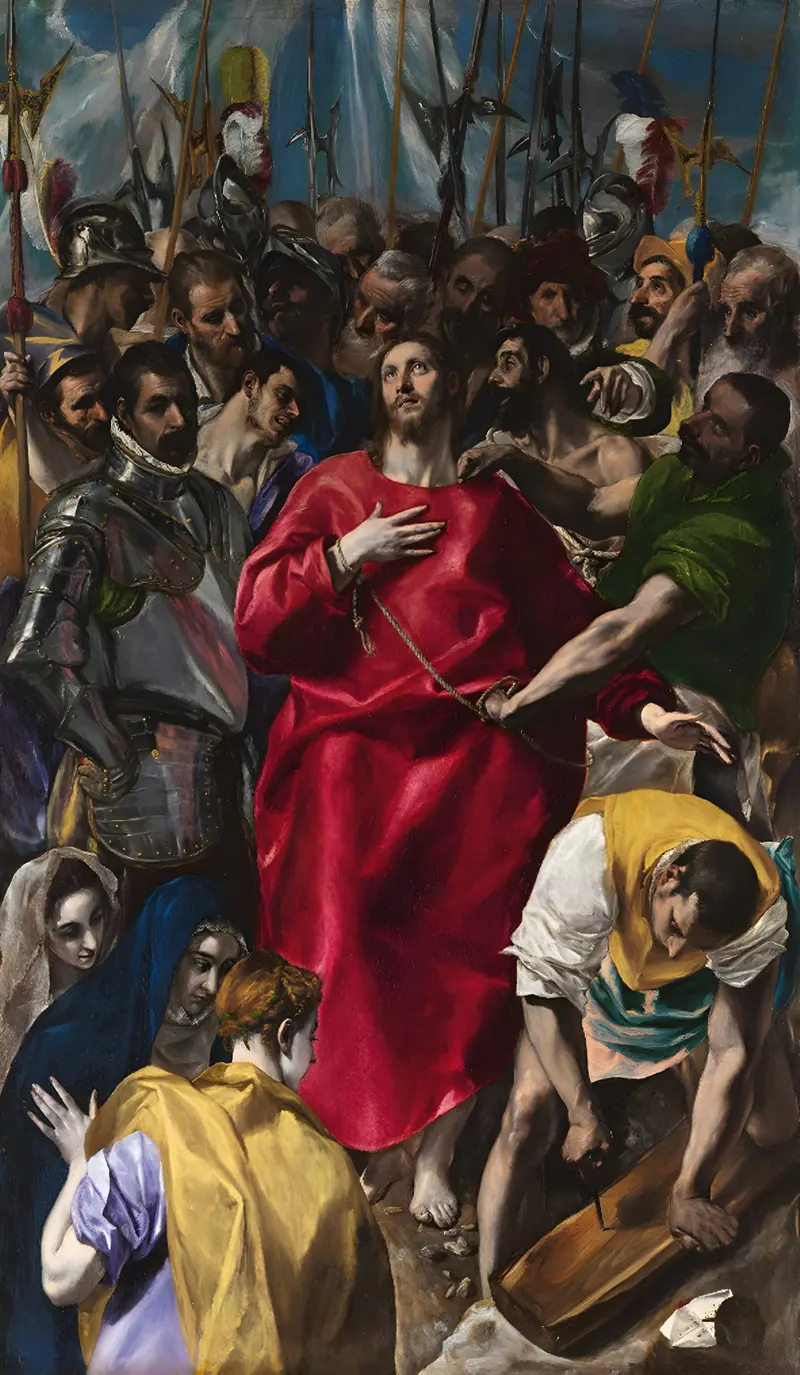
The Disrobing of Christ
El Greco
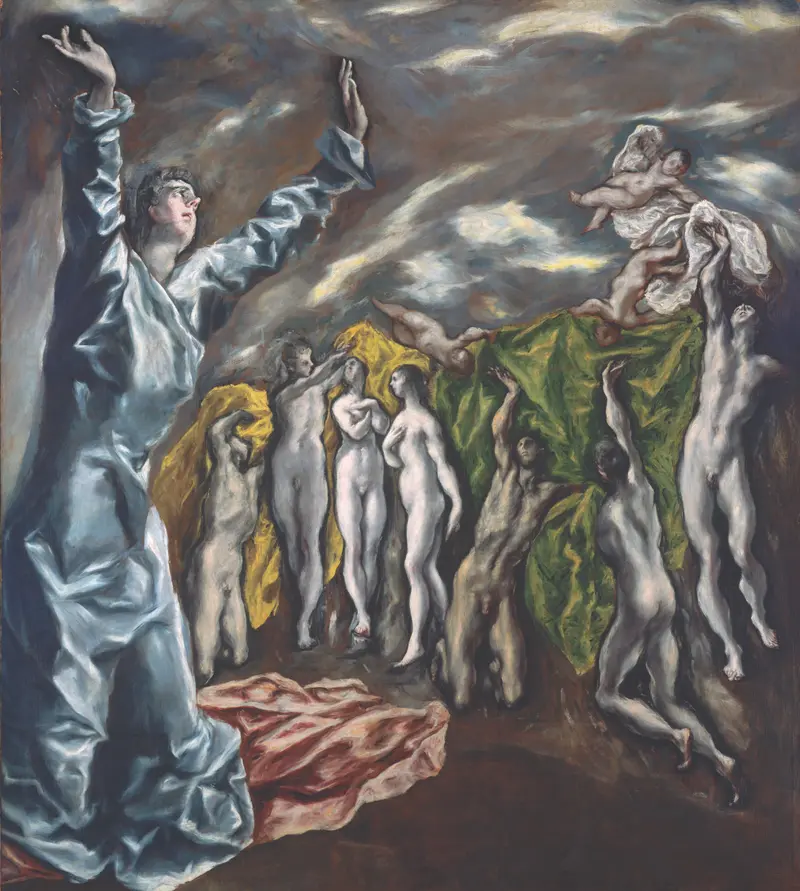
The Vision of Saint John
El Greco
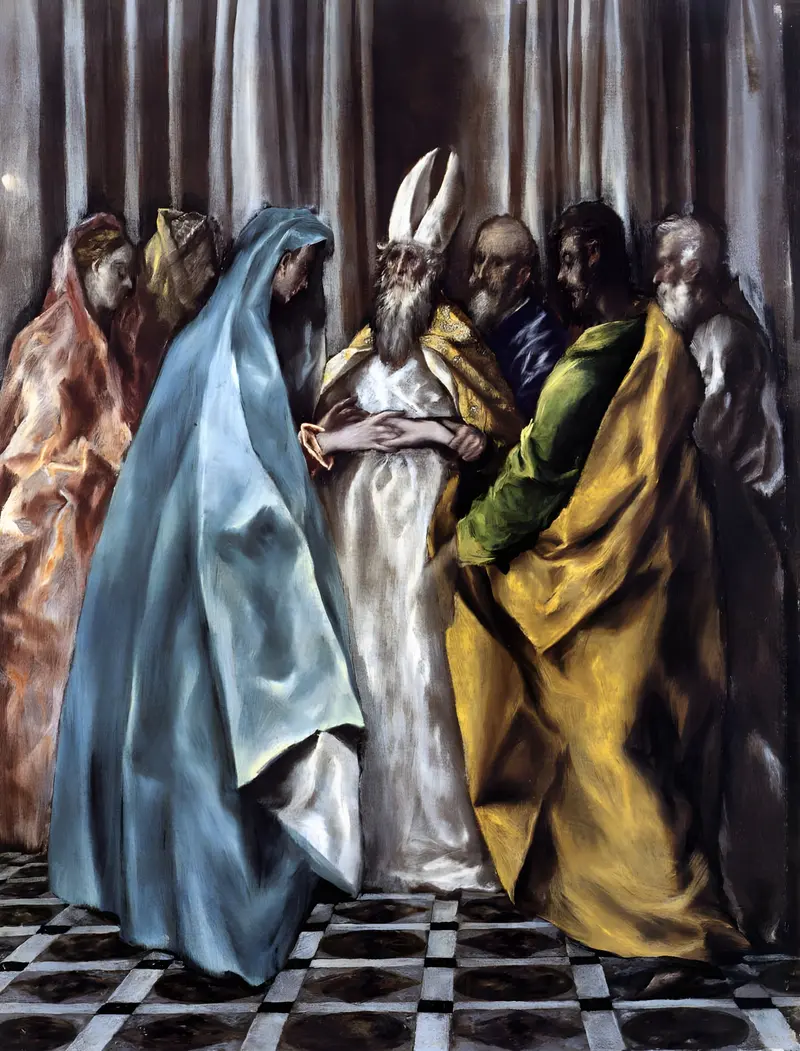
The Marriage of the Virgin
El Greco