
The Seven Sorrows of the Virgin — History & Facts
What first draws the eye in The Seven Sorrows of the Virgin is the way each panel becomes a stage for grief, hope, and resilience, all bound together in a single wooden frame. The Virgin Mary appears again and again, her form echoed across the compartments, each time marked by a luminous halo and a face that quietly absorbs the blows of fate. The painter, Albrecht Dürer, guides us through these moments not with grand gestures but with the careful choreography of hands, glances, and the press of bodies—Mary clutching the Christ child, recoiling at the foot of the cross, or collapsing in sorrow.
The golden light that crowns each holy figure is not just a mark of sanctity, but a visual thread that ties together the fragments of her story, inviting the viewer to trace her emotional journey from hope to loss and, perhaps, to understanding. Painted in 1495/96, this work belongs to a world where religious images were not only objects of devotion but also tools for meditation and empathy. In late 15th-century Europe, cycles like this—often commissioned by churches or wealthy patrons—were meant to draw the faithful into the mysteries of suffering and redemption, making the Virgin’s pain immediate and personal. The careful detail and dramatic color are hallmarks of the Northern Renaissance, a period when artists like Dürer were experimenting with oil paint’s possibilities for texture and light.
History has kept few traces of this particular panel’s early life, but its survival in a modern digital collection is a reminder of how art once made for silent chapels now speaks to a global audience. Each return to the painting reveals another gesture, another sorrow, waiting to be discovered.
More Artworks by Albrecht Dürer

Melancholia
Albrecht Dürer

St. George and the dragon.
Albrecht Dürer
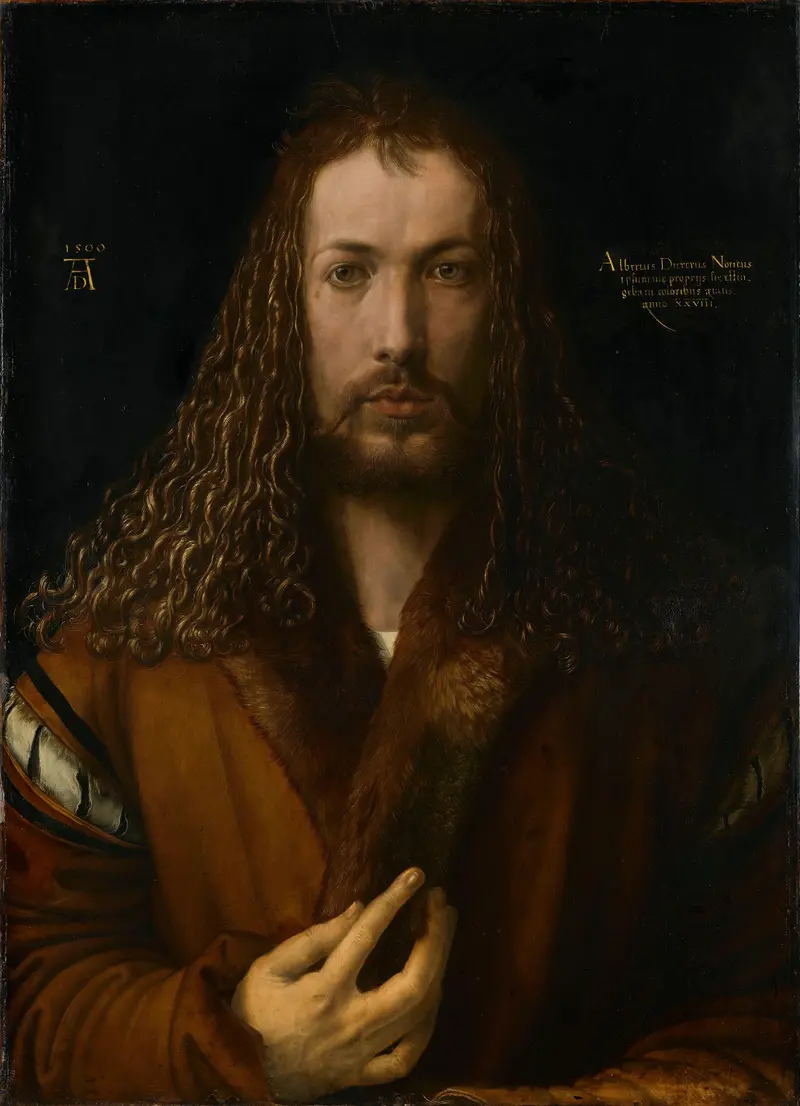
Self-Portrait with Fur-Trimmed Robe
Albrecht Dürer

Wing of a European Roller
Albrecht Dürer
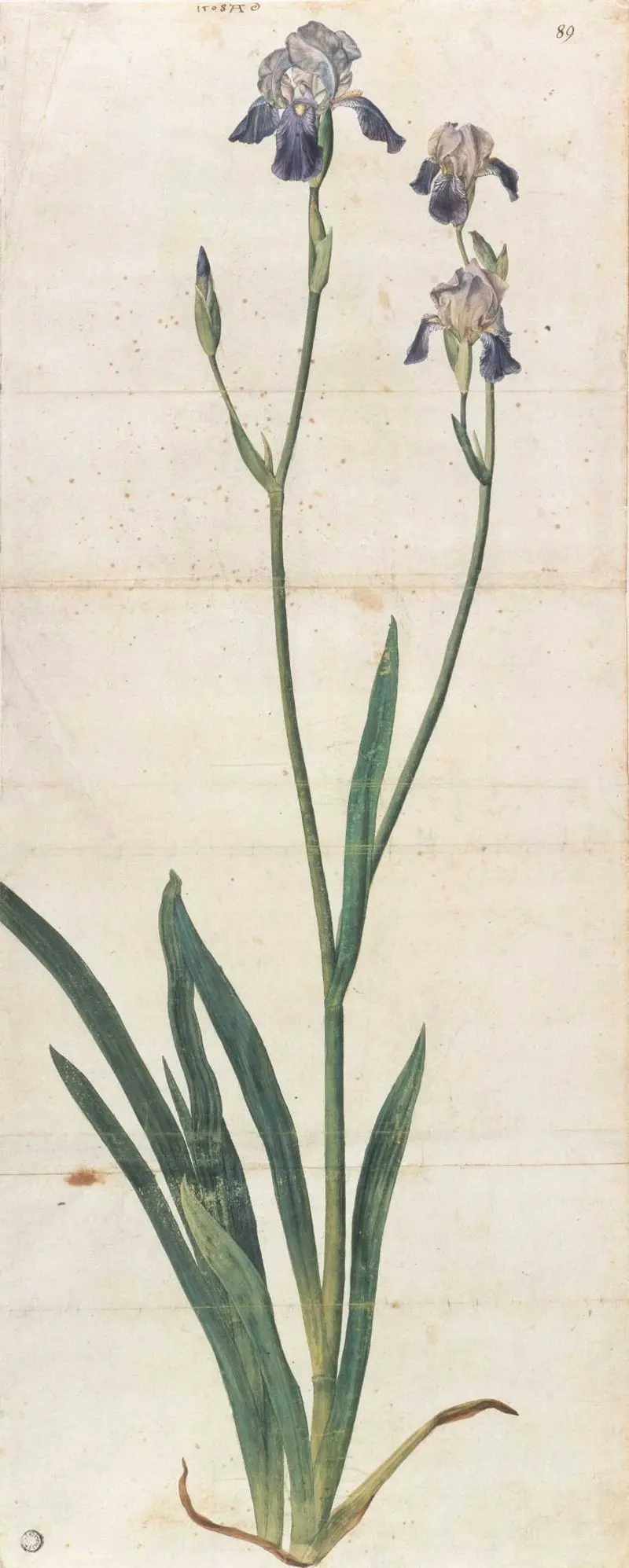
Iris
Albrecht Dürer
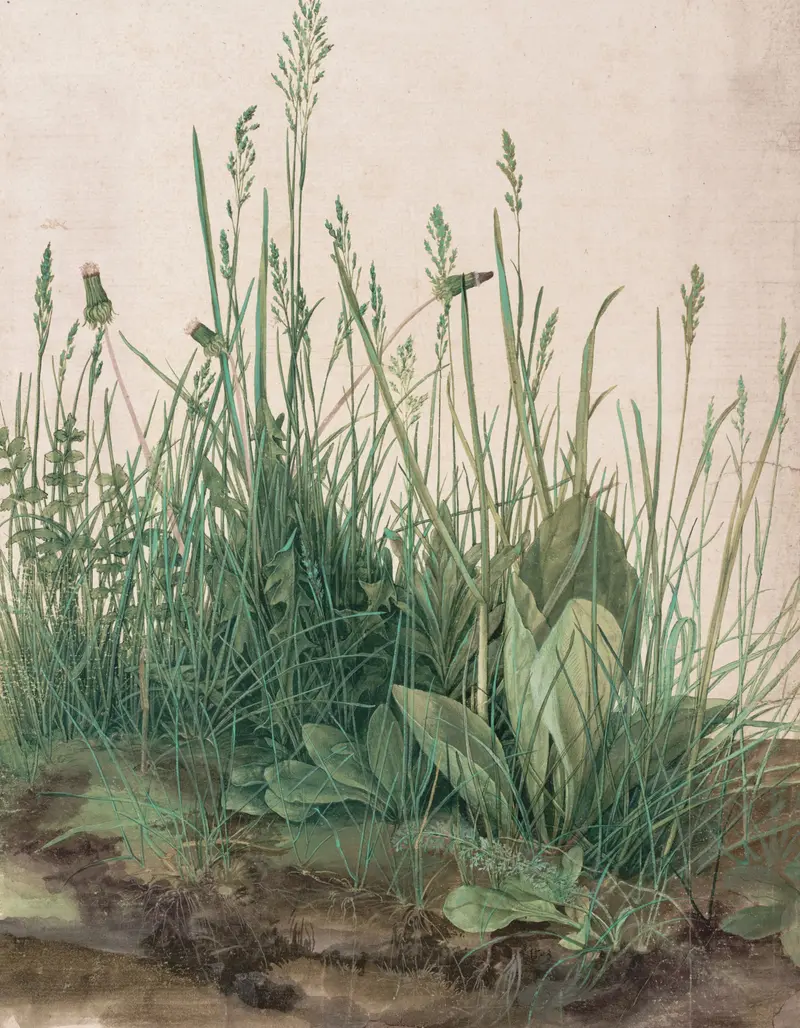
The Great Piece of Turf
Albrecht Dürer
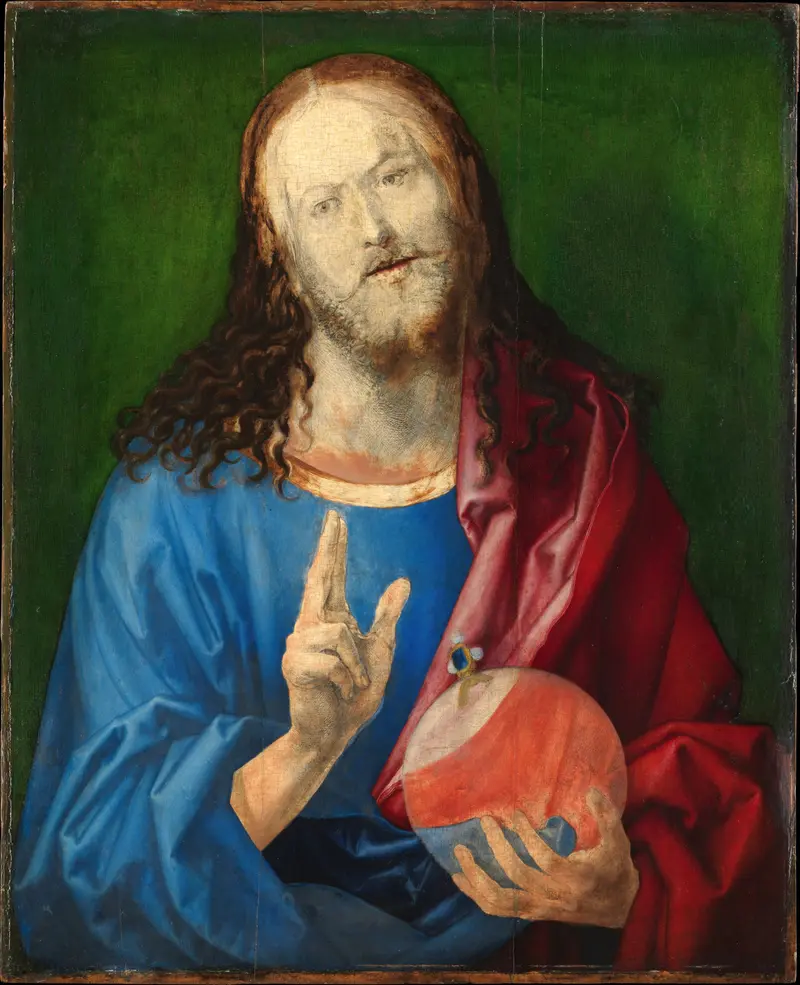
Salvator Mundi
Albrecht Dürer
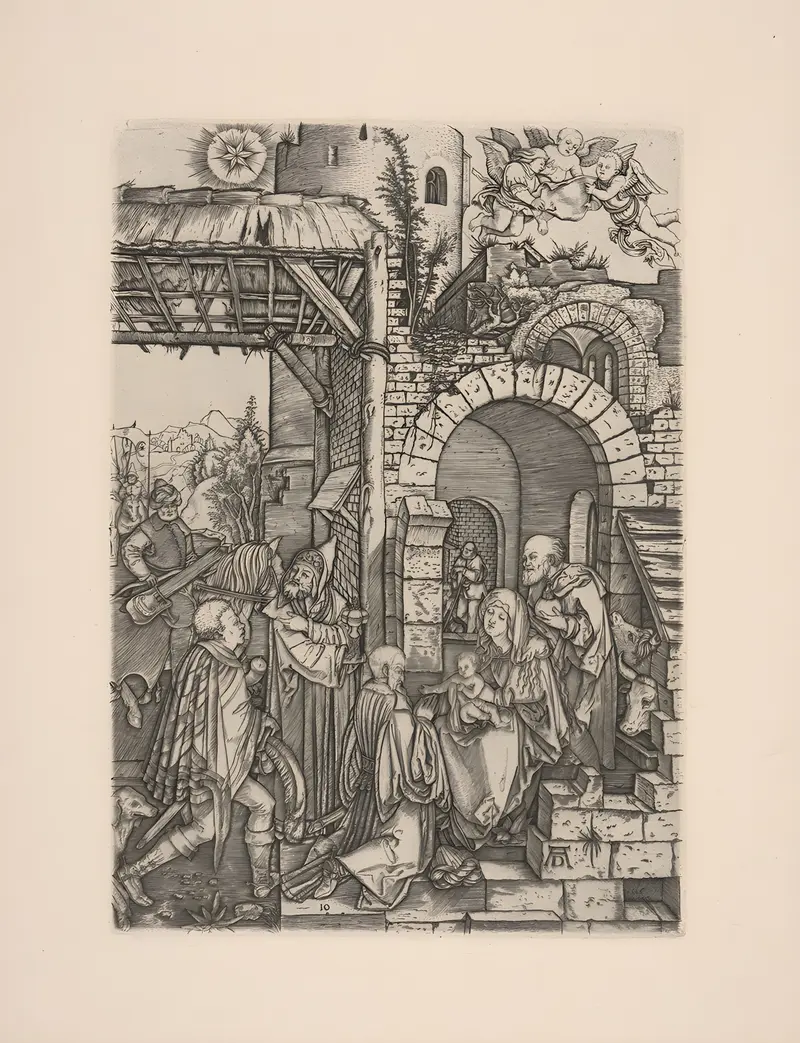
The Adoration of the Magi
Albrecht Dürer
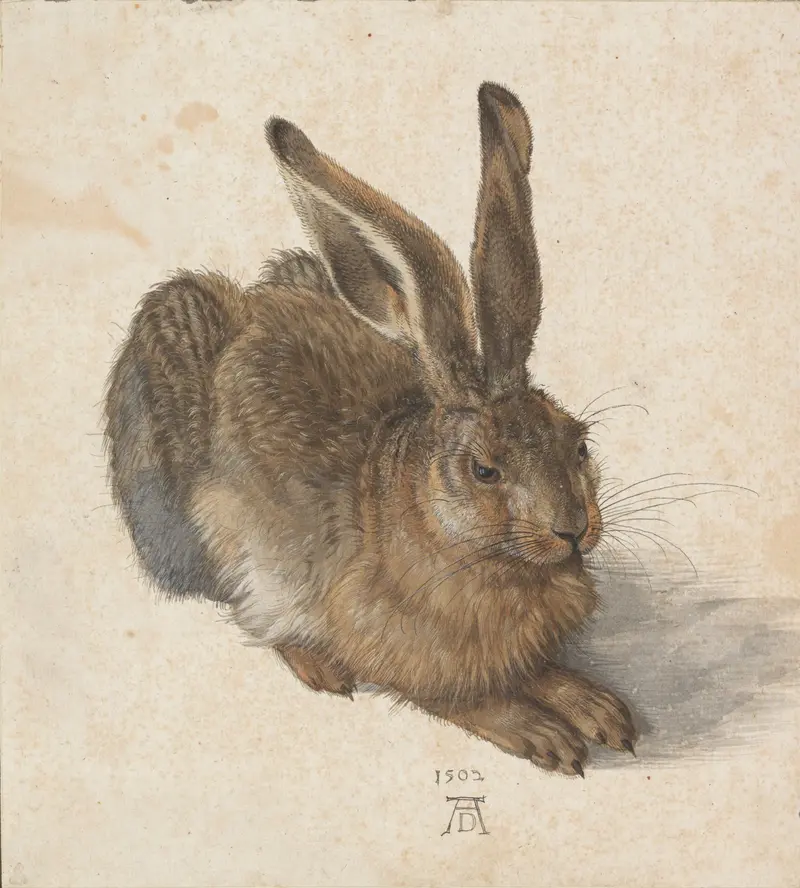
Young Hare
Albrecht Dürer
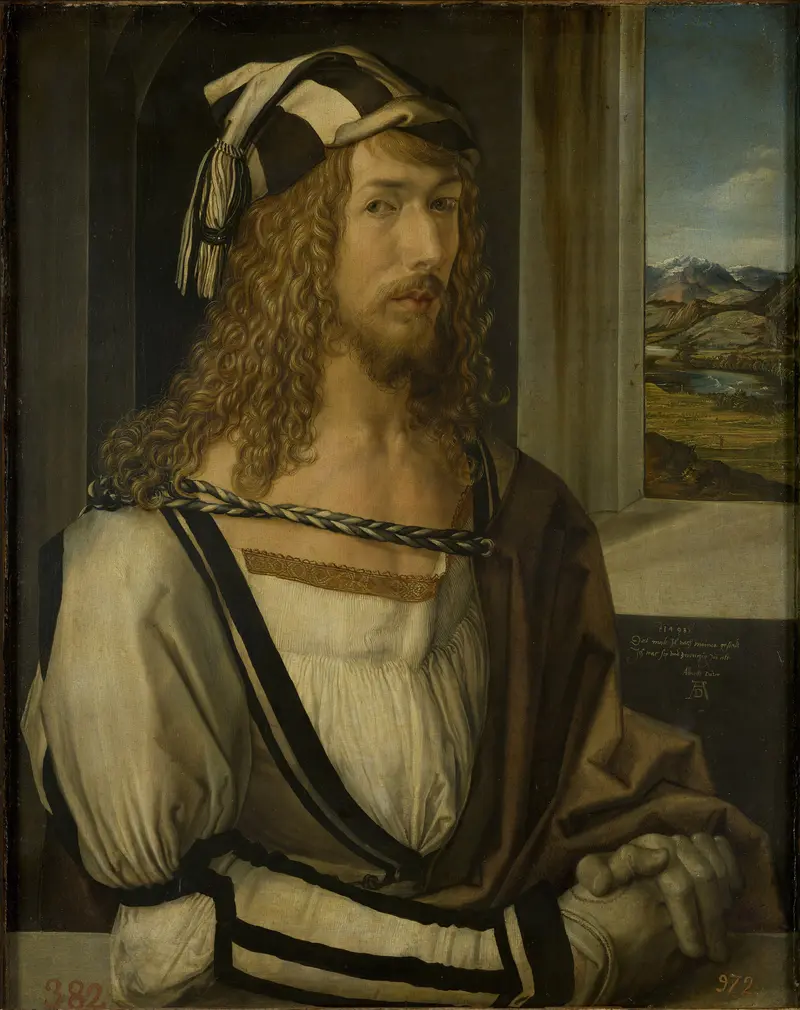
Self-portrait
Albrecht Dürer





