
The Ship of Fortune — History & Facts
When did color learn to lie? The vibrant hues dance upon the canvas, whispering secrets of fortune and fate, inviting the viewer to delve into their depths and seek the truth beneath. Focus on the central ship, its grand sails billowing as if caught in a moment of glorious triumph. The play of light brings a radiant quality to the foreground, while rich shadows lurk in the background, suggesting both potential and peril. Notice how the waves below teem with life, painted in dynamic strokes that evoke motion, drawing your gaze to the horizon where fortune beckons.
The color palette oscillates between warm golds and cool blues, a visual representation of the delicate balance between hope and despair. The contrast between the ship's bold journey and the quiet, turbulent waters symbolizes the human experience of aspiration and risk. Each figure aboard embodies a story, their expressions momentarily frozen in ambition and uncertainty. In the wave crests, hints of dark undertones emerge, suggesting that fortune is not merely a promise but a gamble—a reminder that every ascent comes with its share of trials. In 1633, the artist was at a pivotal moment in his career, navigating the complexities of fame and personal struggles.
Living in Amsterdam, Rembrandt was gaining recognition for his innovative use of light and shadow, reshaping Dutch painting within a rapidly changing cultural landscape. The Ship of Fortune emerges as a testament to his evolving mastery, capturing the intricate dance of life’s uncertainties amidst the pursuit of dreams.
More Artworks by Rembrandt van Rijn
Browse all →
The Night Watch Militia Company of District II under the Command of Captain Frans Banninck Cocq
Rembrandt van Rijn

The Return of the Prodigal Son
Rembrandt van Rijn

The Hundred Guilder Print: the figures leaning on the wall in the centre left
Rembrandt van Rijn

The Hundred Guilder Print: the central piece with Christ preaching, the plate arched
Rembrandt van Rijn

Isaac and Rebecca, Known as ‘The Jewish Bride’
Rembrandt van Rijn
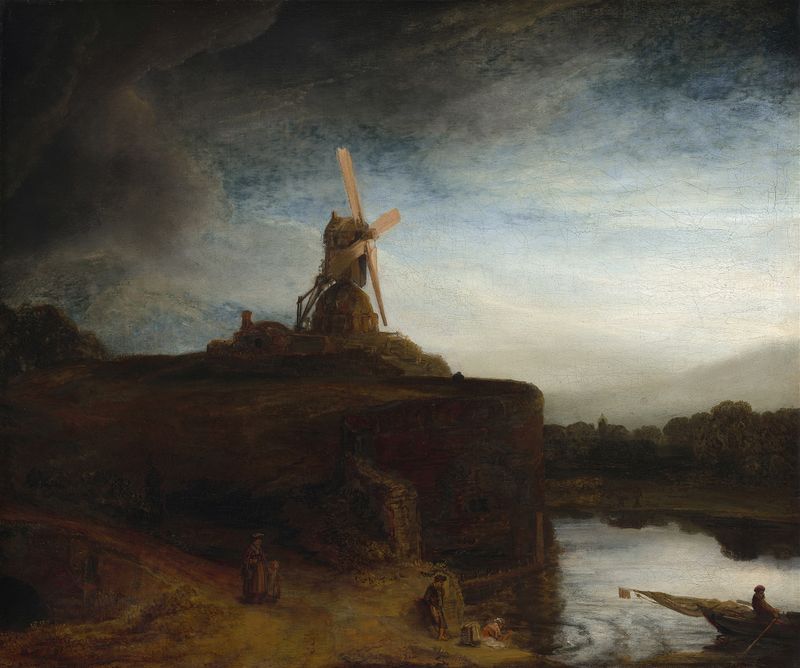
The Mill
Rembrandt van Rijn

The Sampling Officials of the Amsterdam Drapers’ Guild, Known as ‘The Syndics’
Rembrandt van Rijn

The return of the prodigal son
Rembrandt van Rijn
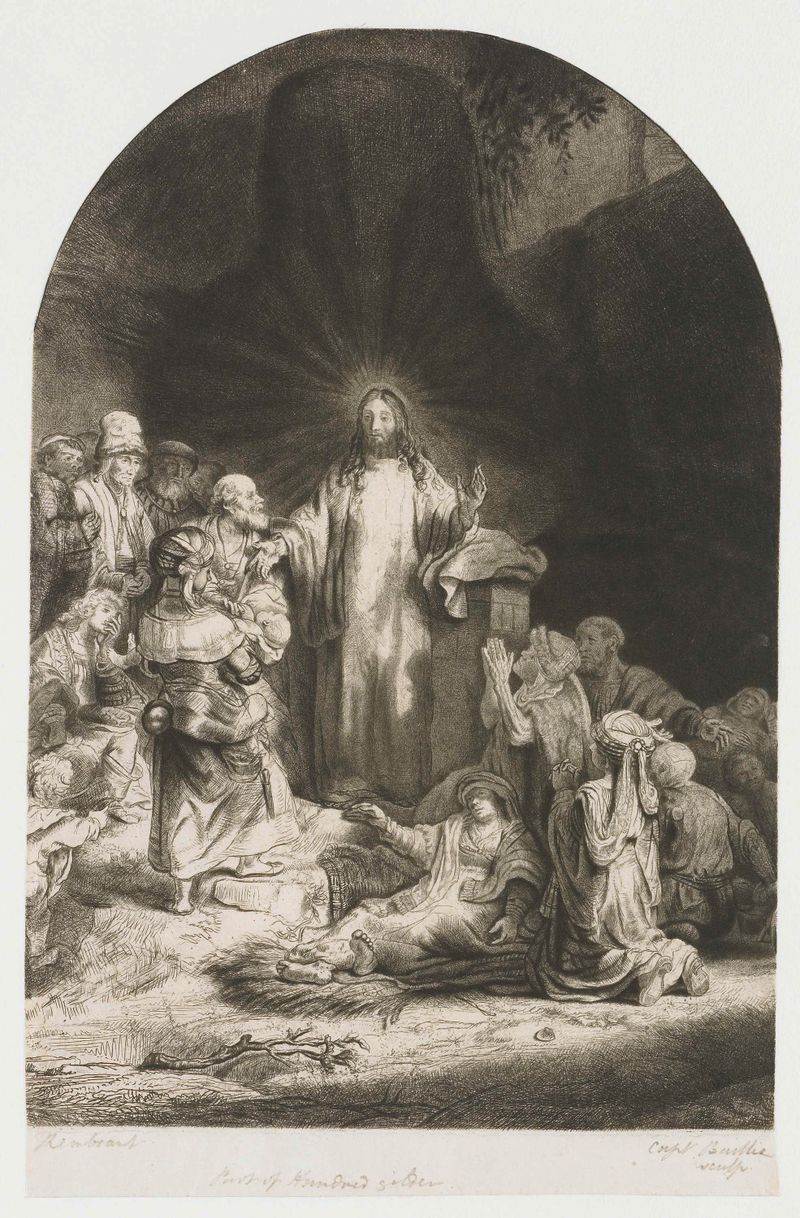
The Hundred Guilder Print: the central piece with Christ preaching, the plate arched
Rembrandt van Rijn

The Hundred Guilder Print: the man seen on the back in the lower left corner
Rembrandt van Rijn





