
The Ship of Fortune — History & Facts
Who listens when art speaks of silence? In The Ship of Fortune, light becomes a storyteller, revealing both hope and despair within the emotional landscape of life’s unpredictable voyage. Look to the center where the ship sails, its canvas fluttering like a whisper against the backdrop of an expansive, tumultuous sky. Notice how the play of light dances upon the waves, casting reflections that seem to breathe with the wind. The subtle gradations of color create a sense of movement, drawing the eye across the sea, while the figures aboard appear both vulnerable and resilient, embodying the tension between fate and free will. Within the composition, hidden meanings emerge from the interplay of shadows and illumination.
The ship itself, a metaphor for life’s uncertainties, navigates between the stark light of fortune and the dark abyss of misfortune. Each sailor's expression tells a different story: while some gaze hopefully towards the horizon, others appear weighed down by doubt, inviting reflection on the dual nature of ambition and anxiety. The contrast between light and dark reflects the eternal struggle inherent in human experience. Rembrandt painted The Ship of Fortune in 1633 during a time of personal and artistic transition.
At this point in his career, he was establishing his reputation in Amsterdam, experimenting with light and shadow to evoke profound emotional responses. This period marked a pivotal moment in the Baroque movement, as artists sought to capture the complexities of human existence, a pursuit that Rembrandt would master throughout his life.
More Artworks by Rembrandt van Rijn
Browse all →
The Night Watch Militia Company of District II under the Command of Captain Frans Banninck Cocq
Rembrandt van Rijn

The Return of the Prodigal Son
Rembrandt van Rijn

The Hundred Guilder Print: the figures leaning on the wall in the centre left
Rembrandt van Rijn

The Hundred Guilder Print: the central piece with Christ preaching, the plate arched
Rembrandt van Rijn

Isaac and Rebecca, Known as ‘The Jewish Bride’
Rembrandt van Rijn
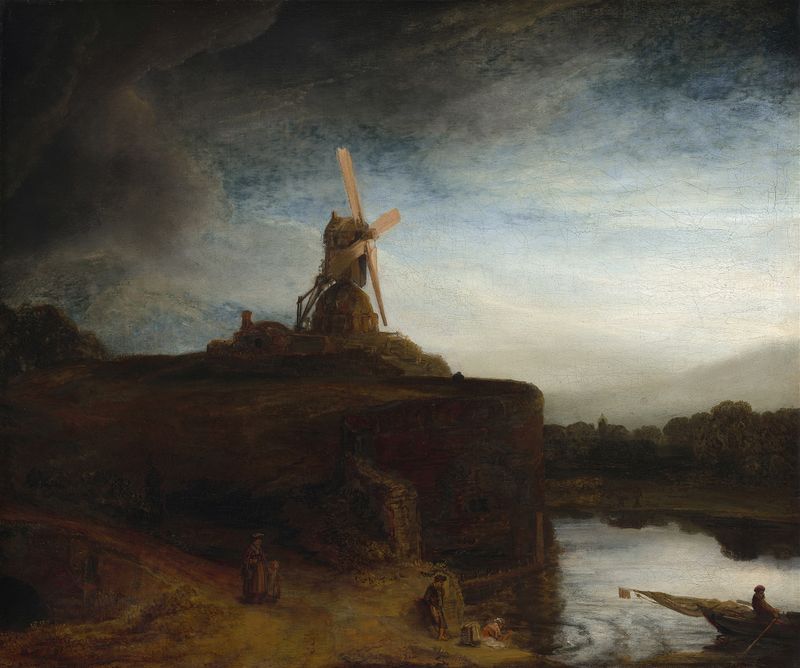
The Mill
Rembrandt van Rijn

The Sampling Officials of the Amsterdam Drapers’ Guild, Known as ‘The Syndics’
Rembrandt van Rijn

The return of the prodigal son
Rembrandt van Rijn
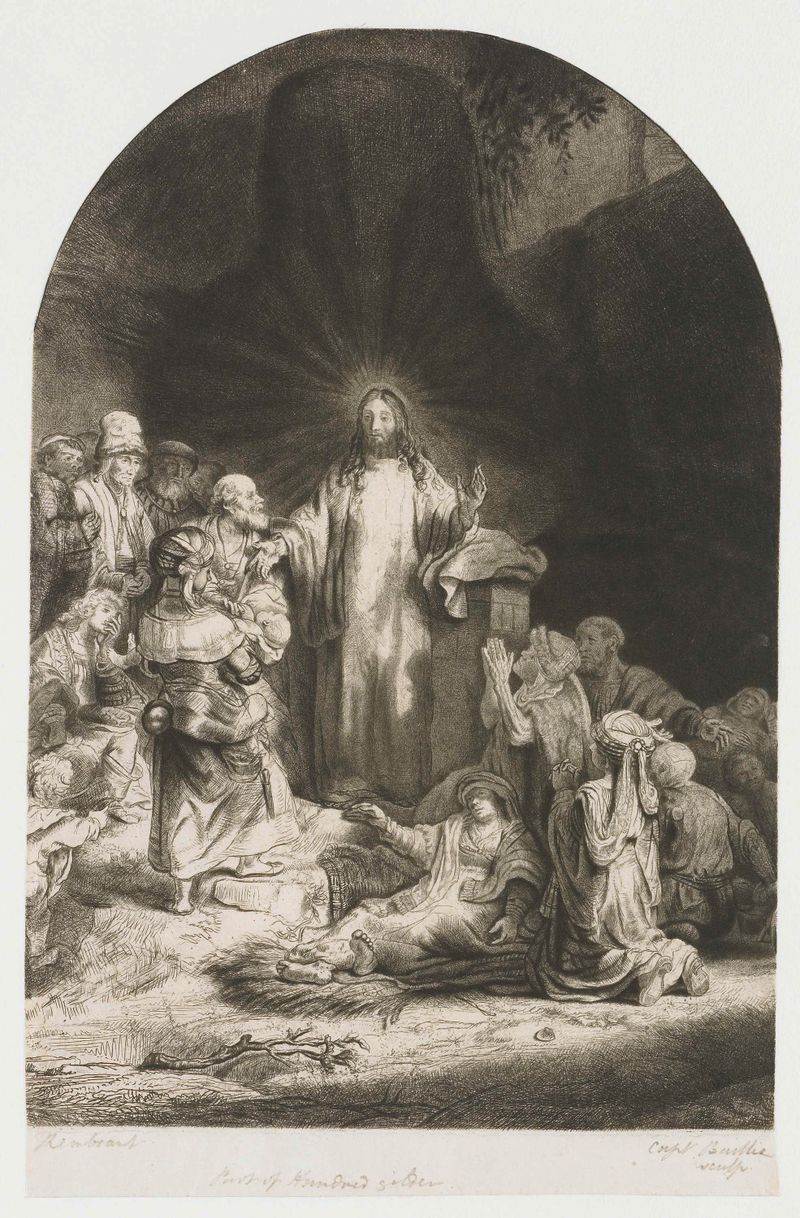
The Hundred Guilder Print: the central piece with Christ preaching, the plate arched
Rembrandt van Rijn

The Hundred Guilder Print: the man seen on the back in the lower left corner
Rembrandt van Rijn





