
The Sleeping Beauty — History & Facts
In The Sleeping Beauty, Walter Crane presents a dreamy scene filled with soft colors and delicate figures. The central figure, a beautiful princess, lies asleep surrounded by lush greenery and flowers. The background features a mystical castle, adding to the enchanting atmosphere.
The use of pastel tones enhances the fairy tale quality of the painting. The painting is executed in oil on canvas, showcasing Crane's skill in blending colors and creating texture. The dimensions are approximately 120 x 90 cm, making it a significant piece for display. Crane's detailed brushwork brings the characters and setting to life, inviting viewers into the narrative.
The composition is carefully arranged to draw the eye towards the sleeping figure. Walter Crane was a prominent figure in the Victorian art movement, known for his illustrations and decorative arts. This work, created in the 1890s, reflects the era's fascination with fairy tales and mythology. An interesting fact about The Sleeping Beauty is that it was likely inspired by Charles Perrault's classic tale, which has influenced countless adaptations in literature and art.
Crane's unique style combines whimsy with intricate detail, making this piece a notable example of his work.
More Artworks by Walter Crane

Oranges and Lemons
Walter Crane
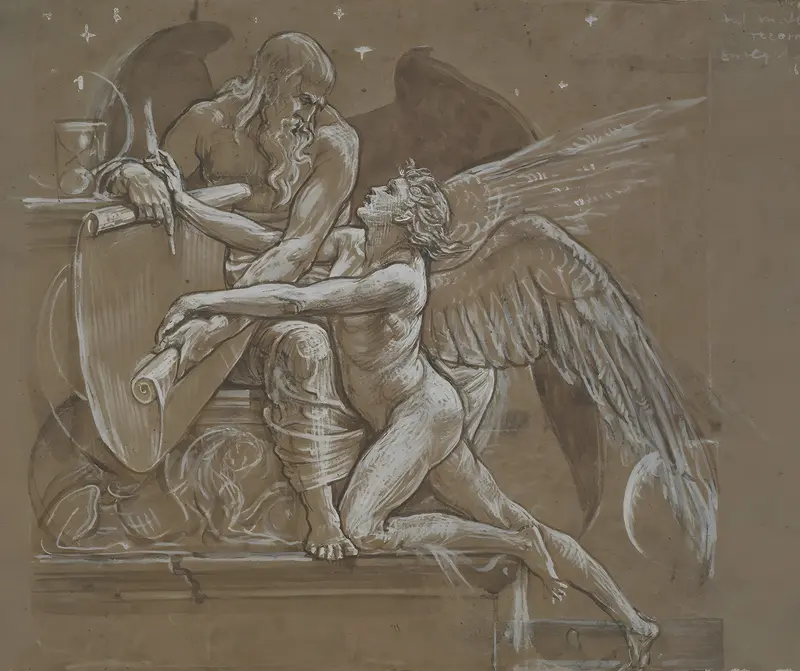
The Roll of Fate, England
Walter Crane
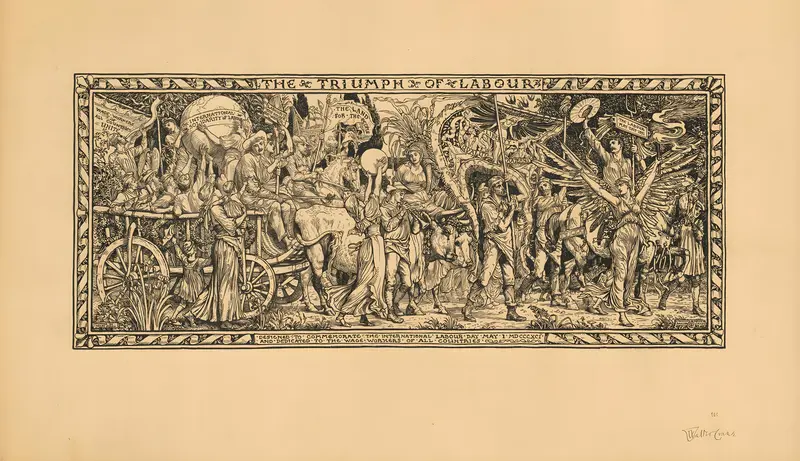
The Triumph of Labour. Designed to commemorate The International Labour Day
Walter Crane
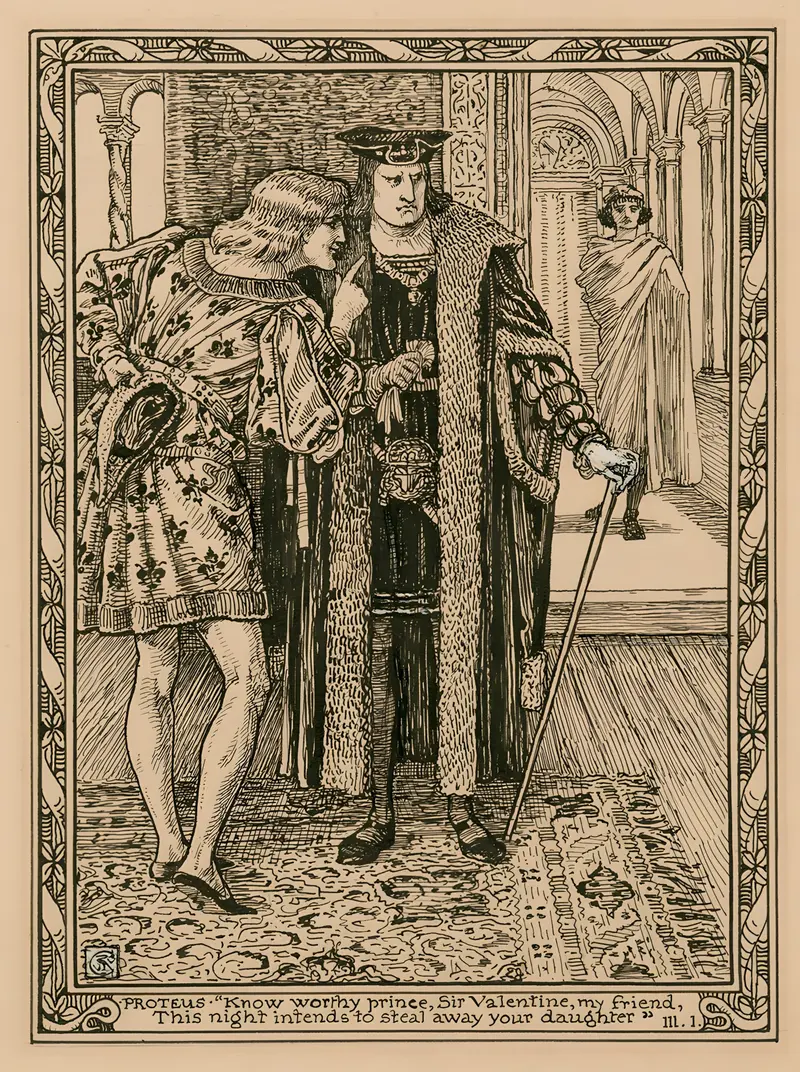
Proteus; ‘Know worthy prince, Sir Valentine, my friend, this night intends to steal away your daughter’, III, 1
Walter Crane
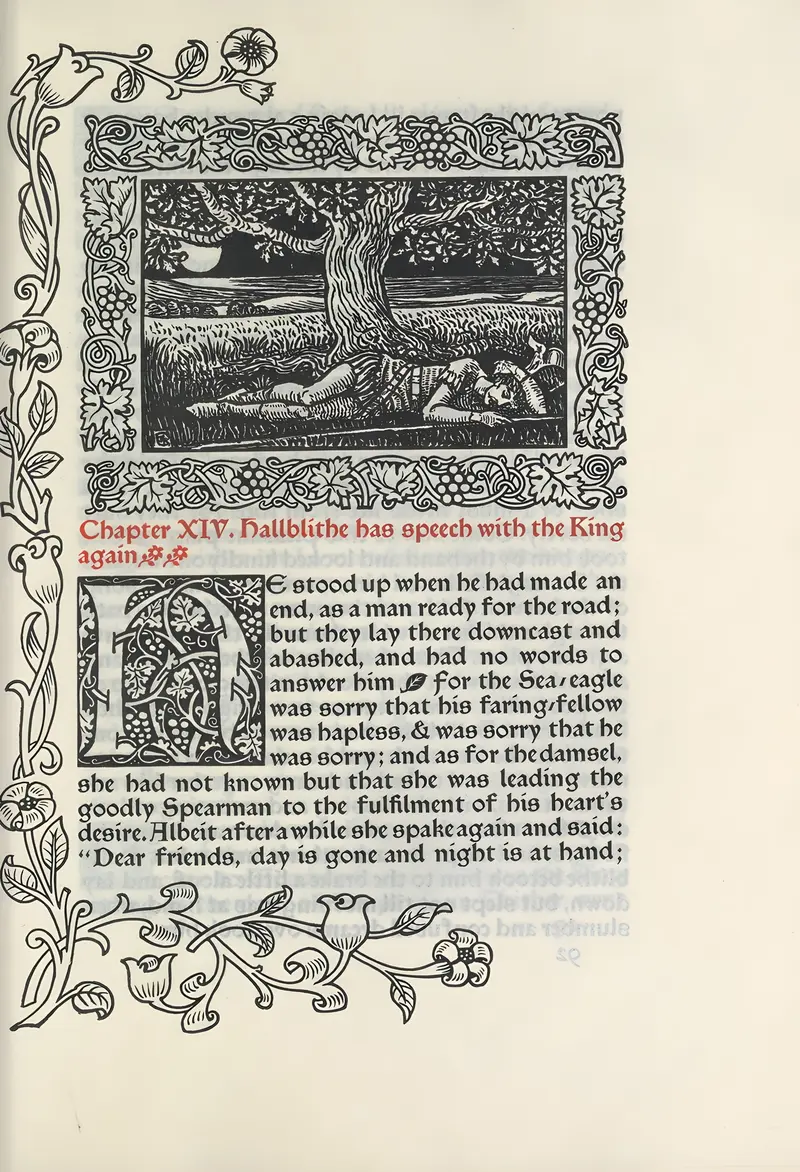
Chapter XIV. Hallblithe has speech with the King again
Walter Crane
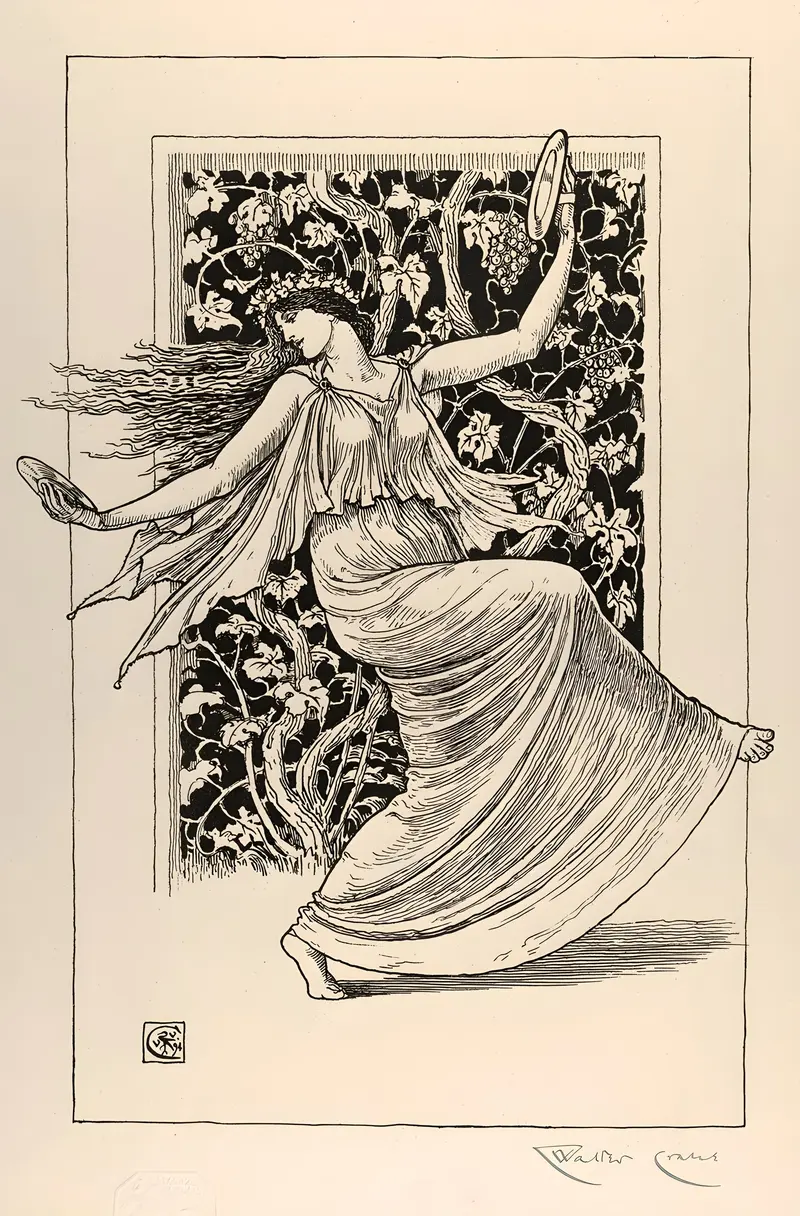
Dancing Nymph
Walter Crane
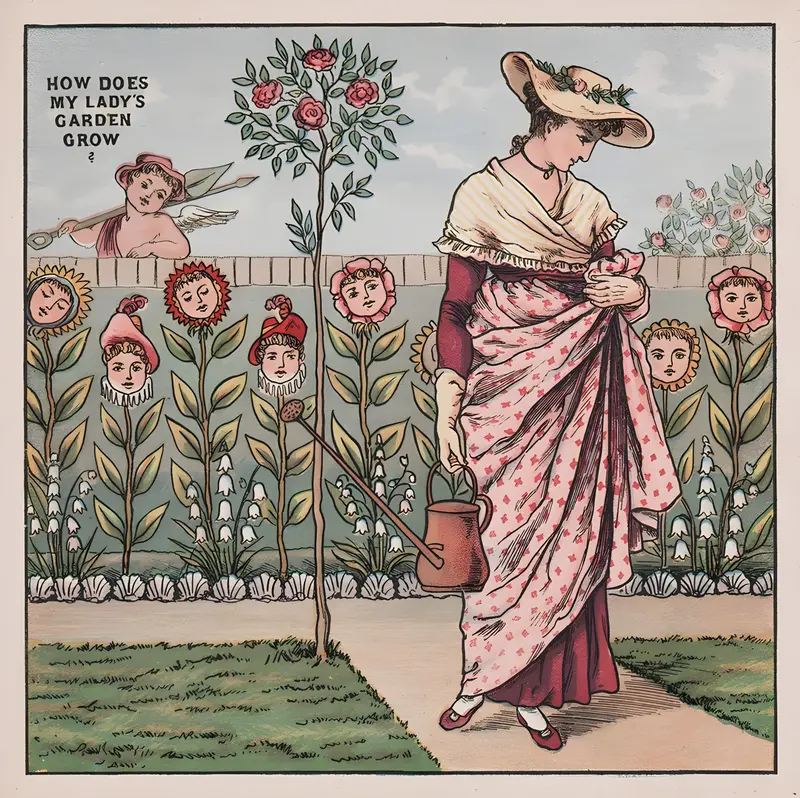
How does my lady’s garden grow
Walter Crane
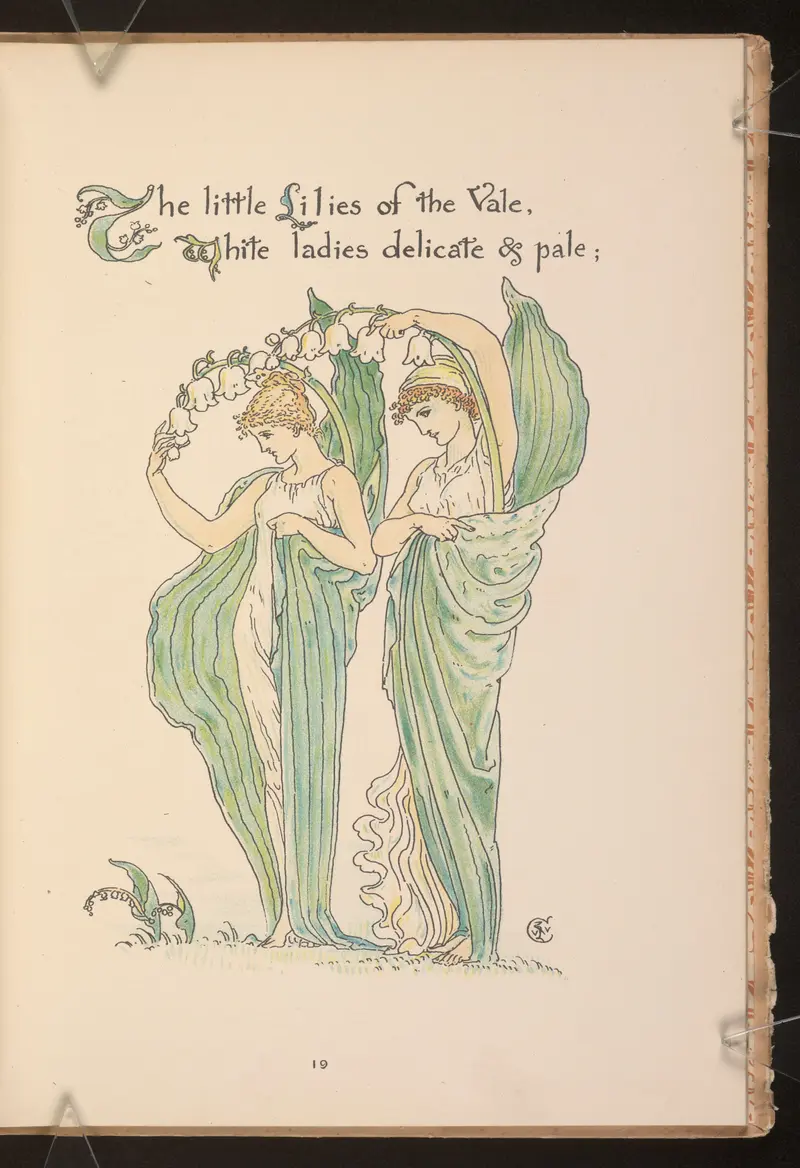
Flora’s feast; A masque of flowers Pl.19
Walter Crane
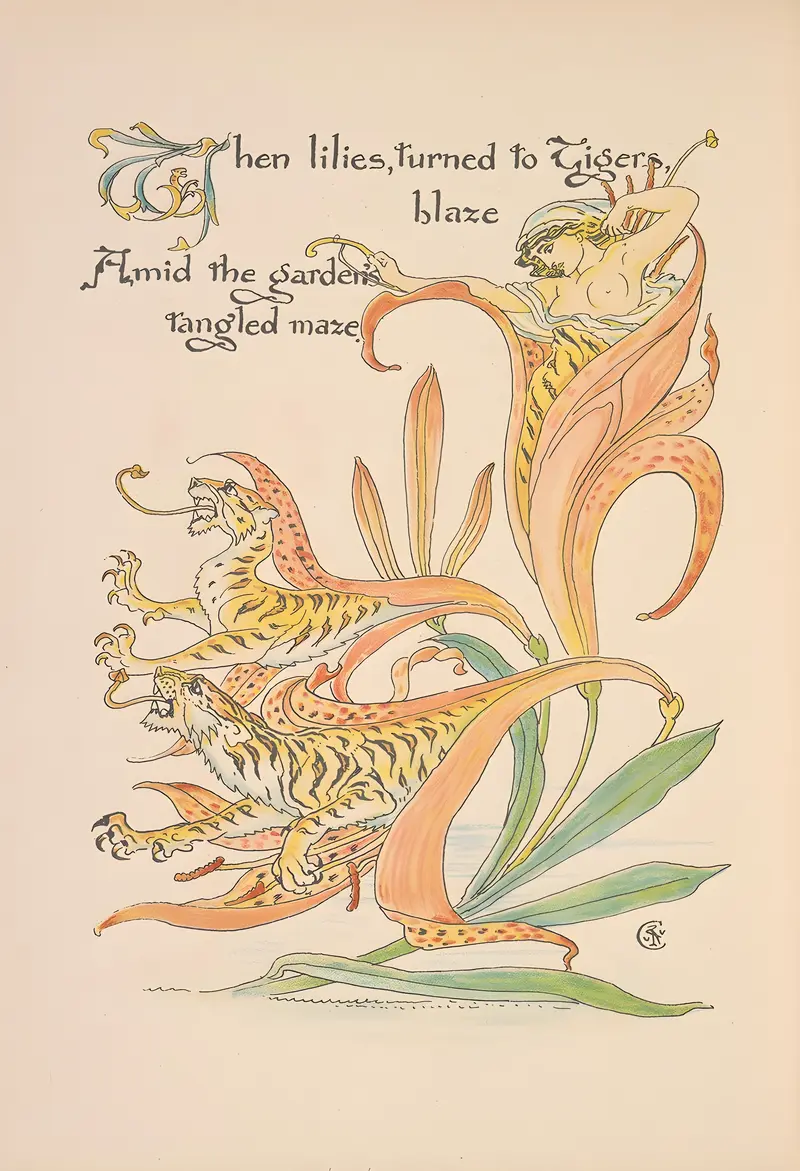
Flora’s feast; A masque of flowers Pl.34
Walter Crane
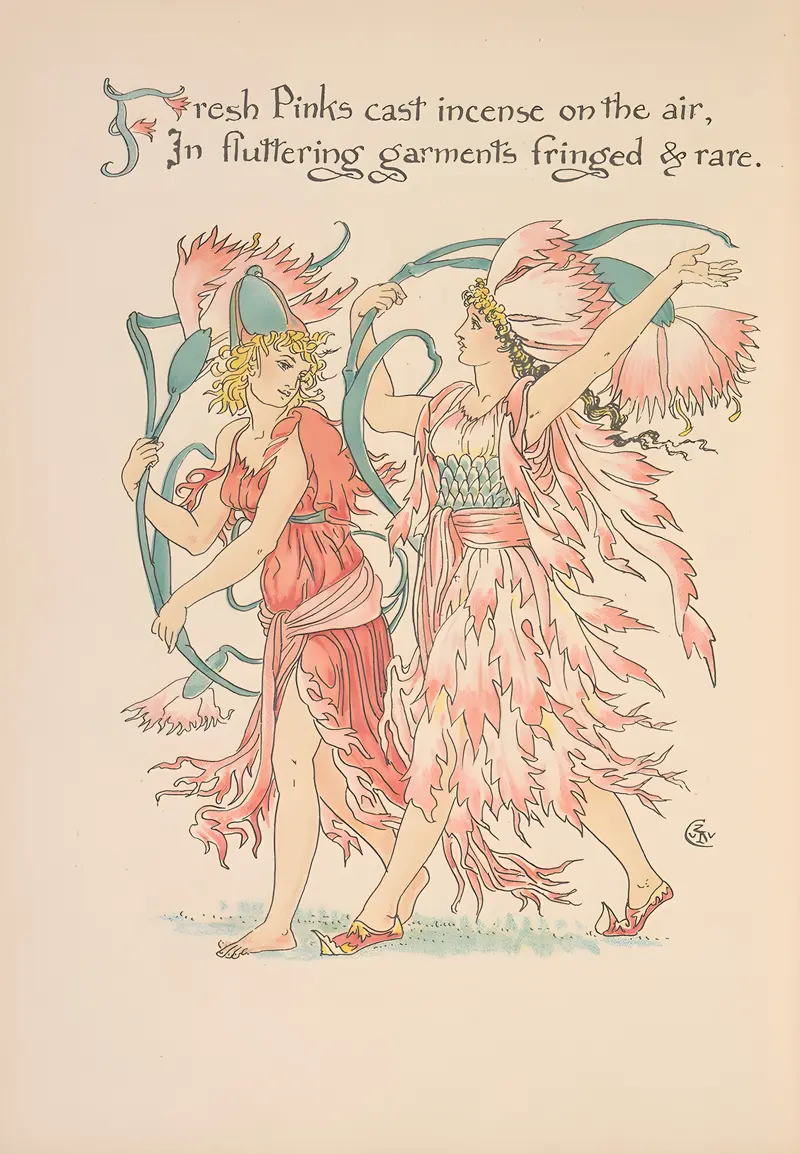
Flora’s feast; A masque of flowers Pl.29
Walter Crane





