
The Soldier of Marathon — History & Facts
The first thing to catch the eye in The Soldier of Marathon is the almost theatrical burst of motion: arms thrown up, faces frozen in disbelief and awe, as a lone, exhausted figure collapses at the feet of the elders. The painter, Luc-Olivier Merson, has chosen the instant of arrival, when the messenger’s news—delivered at the cost of his own strength—shatters the anxious stillness of the city. The drama is heightened by the sweep of blue cloth, the splayed limbs, and the sharp contrast between the pale, vulnerable body of the runner and the dense, pressing crowd.
Every gesture in the painting is charged with meaning: the elders’ raised hands echo both astonishment and a kind of blessing, while the laurel branch thrust upward by the messenger is a silent cry of victory. Painted in 1869, this work belongs to a period when grand history painting still held sway in France, and artists like Merson were drawn to moments of collective crisis and triumph from antiquity. The scene is set in a city of white marble and colonnades, but the real architecture is built from bodies—layered, twisting, reaching. The palette is cool and stony, with flashes of red and blue that guide the viewer’s eye from the dying messenger to the shocked faces above him.
Such paintings were often commissioned for public spaces or salons, intended to stir civic pride by recalling legendary deeds. While history has kept few traces of this particular canvas’s journey, its ambition and scale speak to an era when painters sought to make the past pulse with life. The longer you look, the more you sense the tension between victory and sacrifice that animates every corner of the scene.
More Artworks by Luc-Olivier Merson

Esquisse pour l'escalier des fêtes de l'Hôtel de Ville de Paris , Bélier
Luc-Olivier Merson
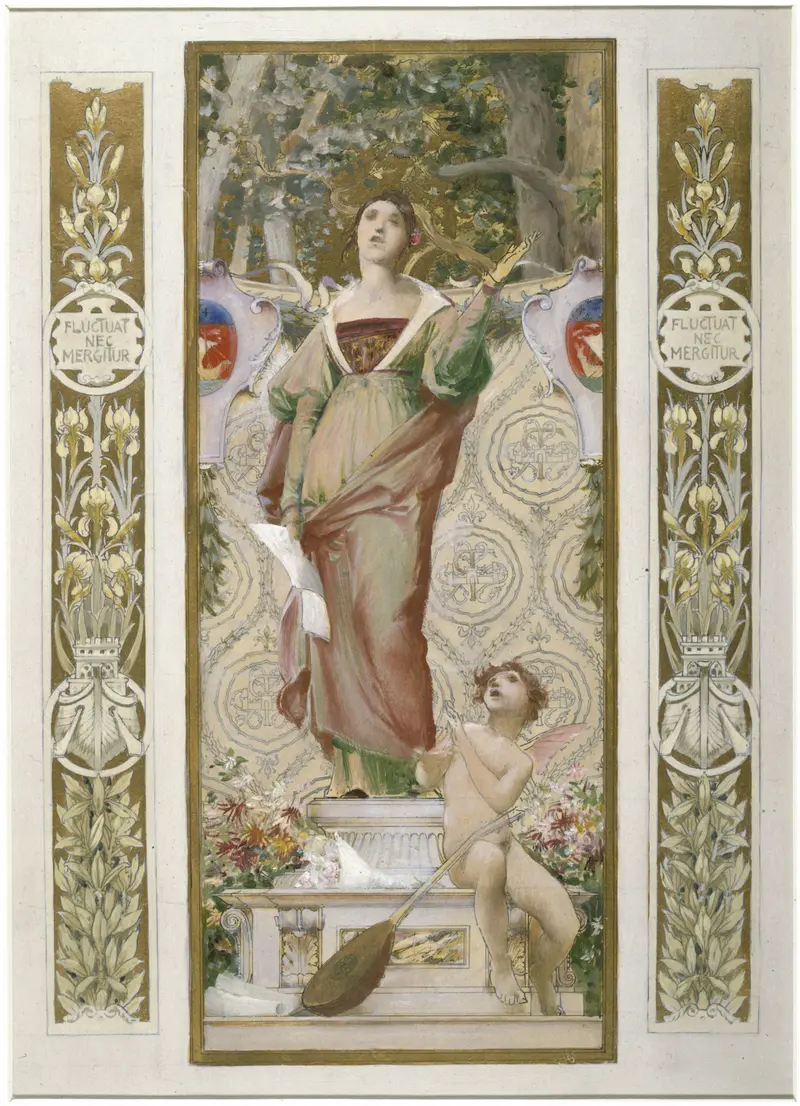
Esquisse pour l'escalier des Fêtes de l'Hôtel de Ville de Paris , Le Chant
Luc-Olivier Merson
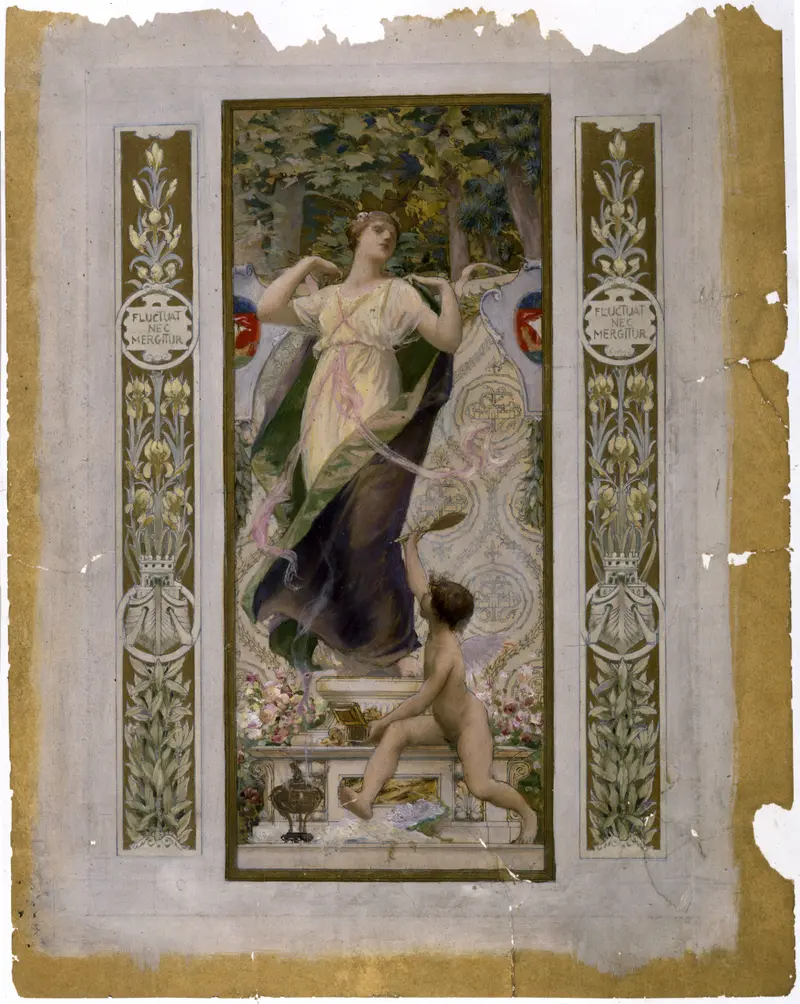
Esquisse pour l'escalier des Fêtes de l'Hôtel de ville de Paris , La Toilette féminine
Luc-Olivier Merson
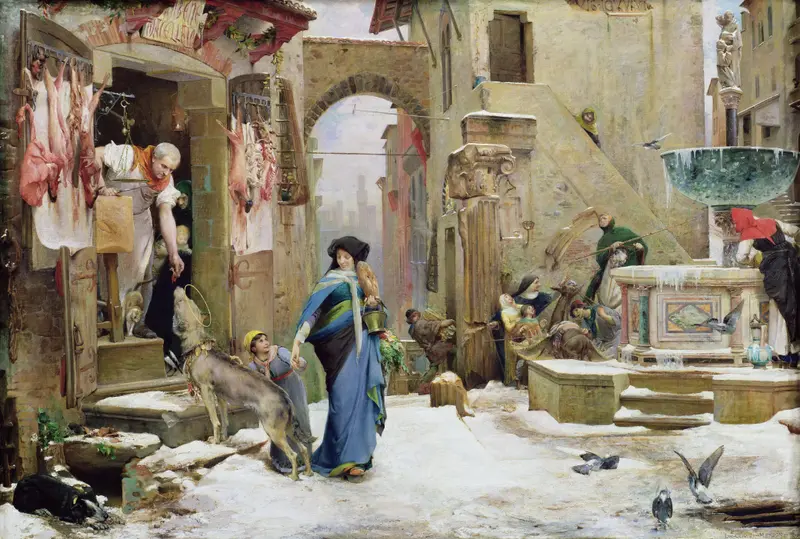
The Wolf of Gubbio
Luc-Olivier Merson
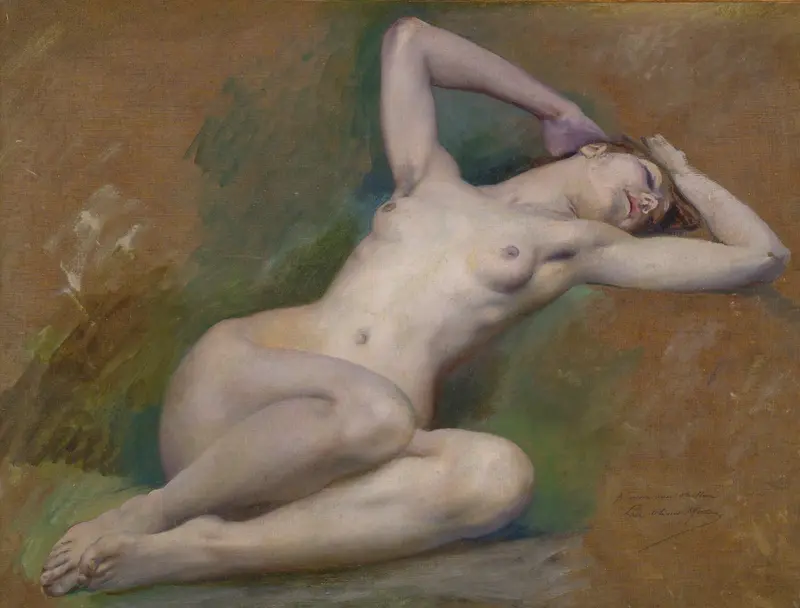
Luc Olivier Merson Study for the figure of Spring
Luc-Olivier Merson
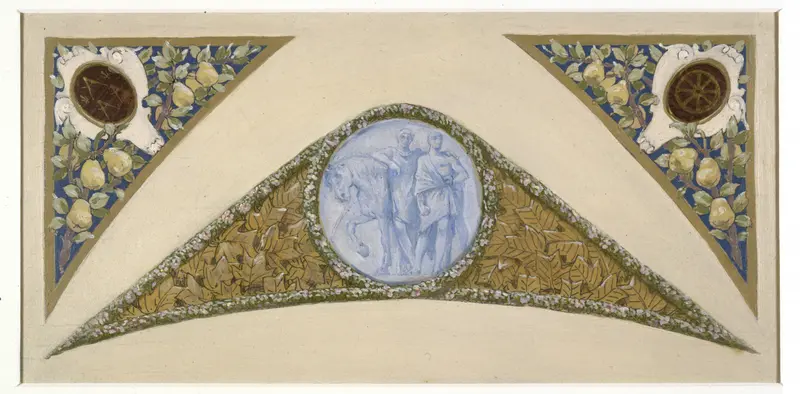
Esquisse pour l'escalier des Fêtes de l'Hôtel de Ville de Paris , Gémeaux
Luc-Olivier Merson
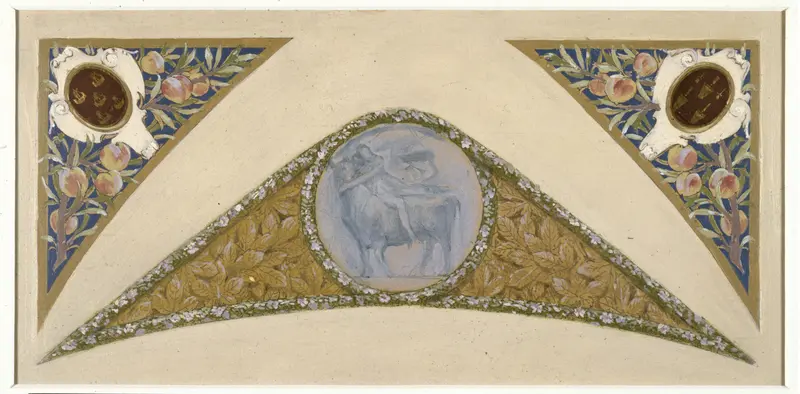
Esquisse pour l'escalier des Fêtes de l'Hôtel de Ville de Paris , Taureau
Luc-Olivier Merson
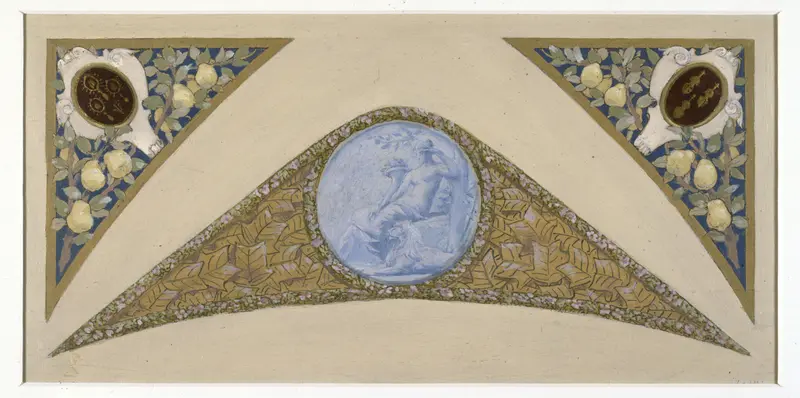
Esquisse pour l'escalier des Fêtes de l'Hôtel de Ville de Paris , Vierge
Luc-Olivier Merson
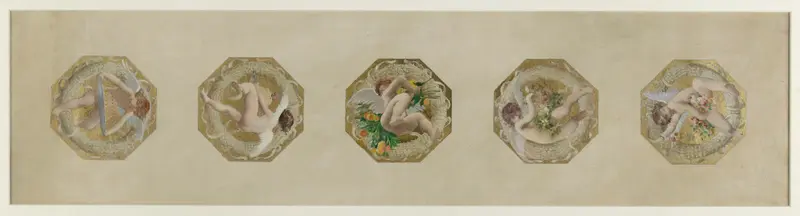
Esquisse pour l'Hôtel de Ville de Paris, escalier des Fêtes , les génies des fêtes
Luc-Olivier Merson
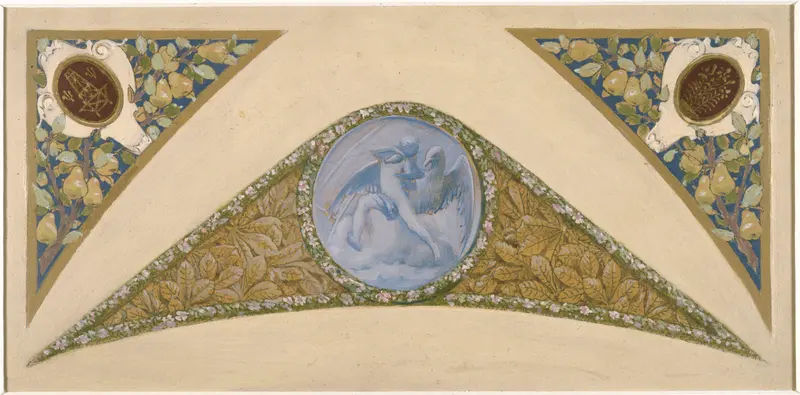
Esquisse pour l'escalier des Fêtes de l'Hôtel de Ville de Paris , Verseau
Luc-Olivier Merson





