
The Wolf of Gubbio — History & Facts
Icicles hang from the edges of the fountain on the right, where a woman in a red scarf bends to fill a jug, while pigeons peck at the snow nearby. The buildings are rendered in pale, cool tones, with a distant cityscape visible through an arched gateway, and the overall palette is dominated by whites, greys, and muted earth colors, evoking the chill of winter. The paint is applied with fine, precise brushstrokes, capturing the textures of fur, cloth, stone, and ice in meticulous detail.
The composition is carefully arranged, with the main figures forming a diagonal line from the butcher’s door to the fountain, drawing attention to the wolf’s interaction with the townspeople. Small details, such as a black cat curled on the snow at the bottom left and the intricate carvings on the fountain, add to the sense of daily life interrupted by an extraordinary event. A broken column with a carved capital stands in the right foreground, partly covered with snow and casting a faint shadow on the ground.
The snow on the ground is painted with subtle blue and pink highlights, and the shadows are rendered with delicate, almost transparent washes of color. A nun in a dark habit gathers several children close to her on the steps near the fountain, with one child clutching her arm and another looking toward the wolf. A small brown dog stands alert beside the butcher’s door, its fur rendered with short, delicate brushstrokes.
A woman in a blue and green cloak holds a potted plant and a child’s hand, her face turned toward the wolf as she passes in the street. Light falls most strongly on the snow-covered ground and the central figures, while the buildings and distant cityscape are softly shadowed, creating a sense of depth and atmosphere. The Wolf of Gubbio was painted by Luc-Olivier Merson in 1877 and takes its subject from the legend of Francis of Assisi and the wolf of Gubbio, a story set in Italy. The scene belongs to the tradition of history painting and academic art, as noted in museum and art historical records.
Sources: Palais des Beaux-Arts de Lille, record P 500 · Wikidata Q20726131 · Wikipedia: The Wolf of Gubbio · Image source (Wikimedia Commons)
More Artworks by Luc-Olivier Merson

Esquisse pour l'escalier des fêtes de l'Hôtel de Ville de Paris , Bélier
Luc-Olivier Merson
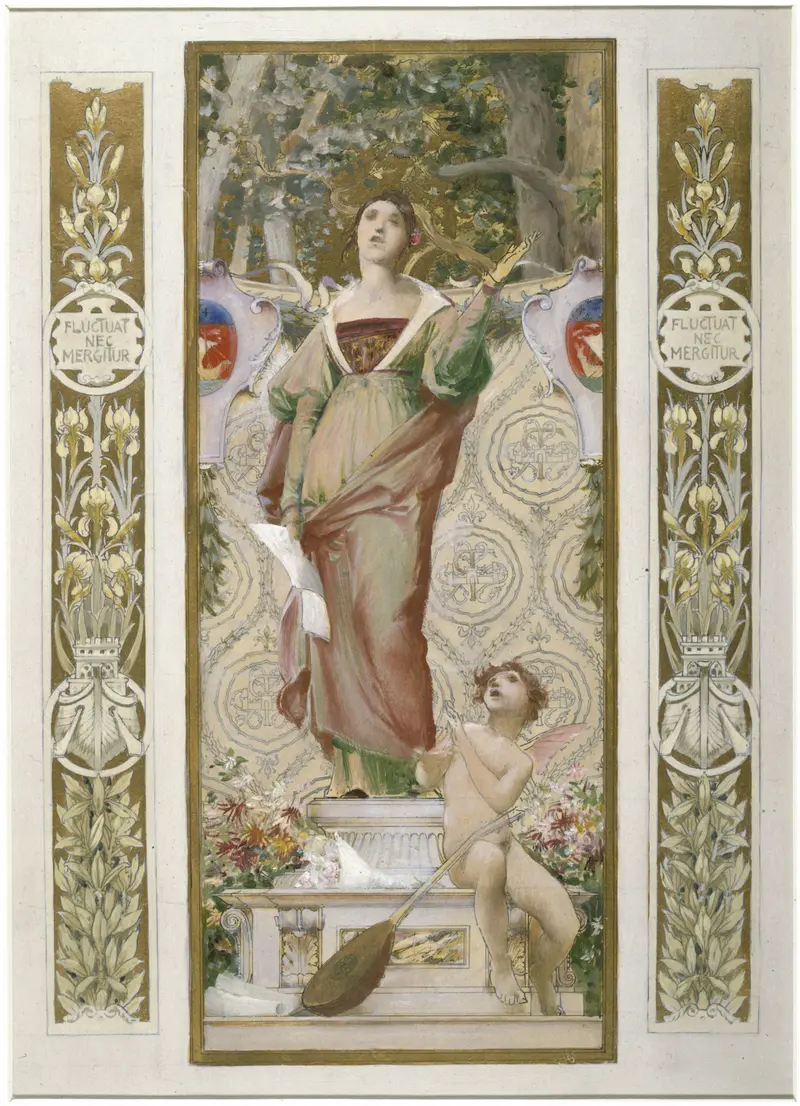
Esquisse pour l'escalier des Fêtes de l'Hôtel de Ville de Paris , Le Chant
Luc-Olivier Merson
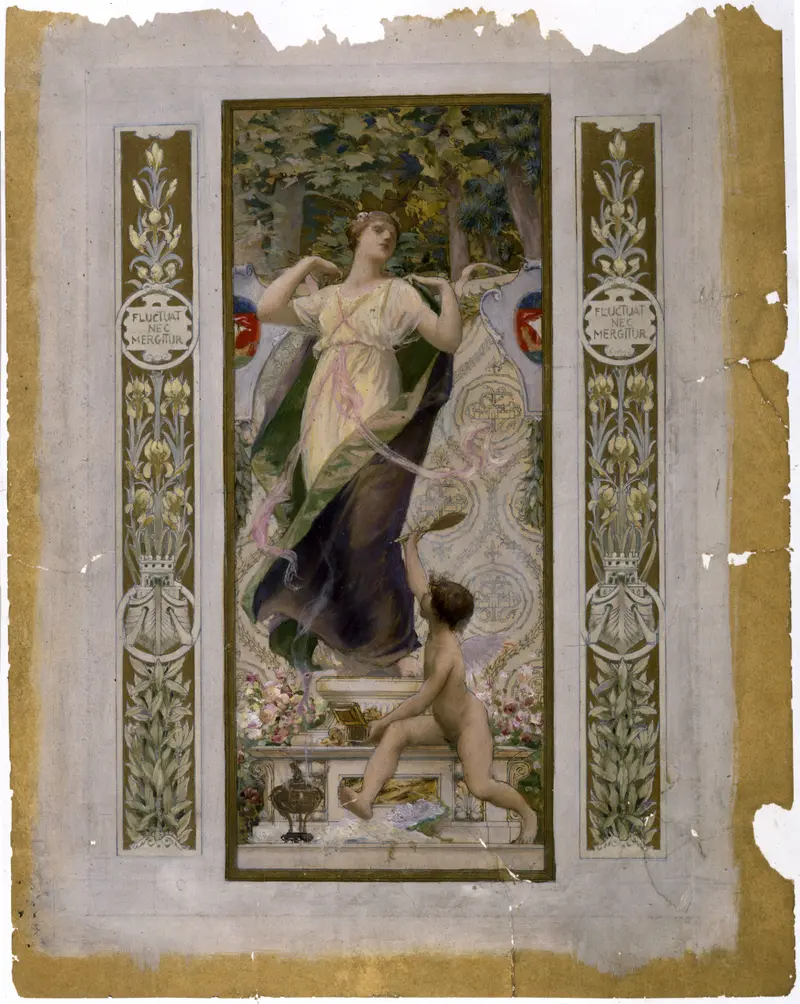
Esquisse pour l'escalier des Fêtes de l'Hôtel de ville de Paris , La Toilette féminine
Luc-Olivier Merson
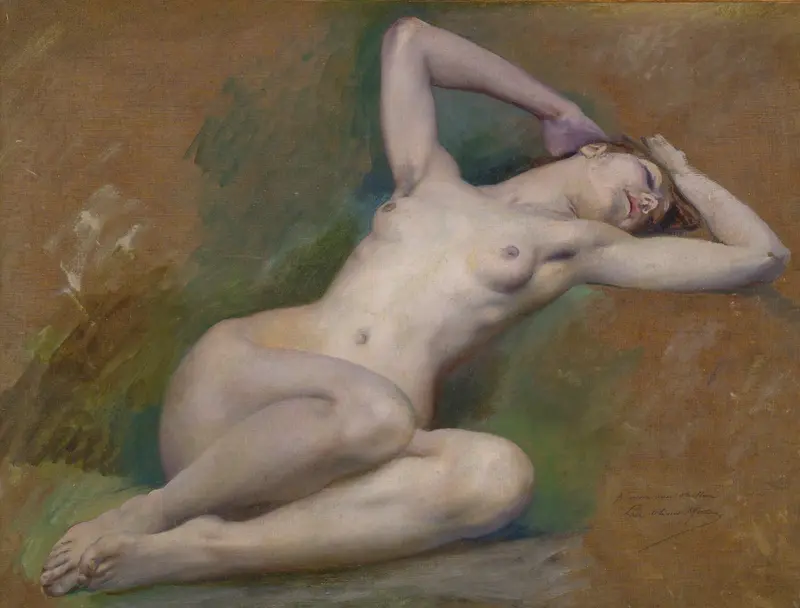
Luc Olivier Merson Study for the figure of Spring
Luc-Olivier Merson
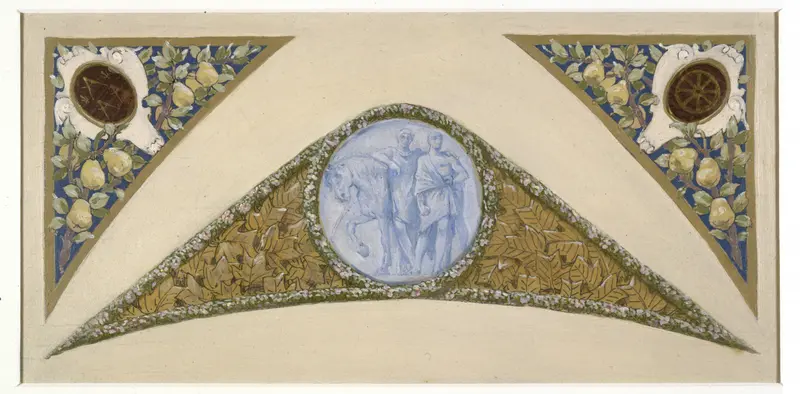
Esquisse pour l'escalier des Fêtes de l'Hôtel de Ville de Paris , Gémeaux
Luc-Olivier Merson
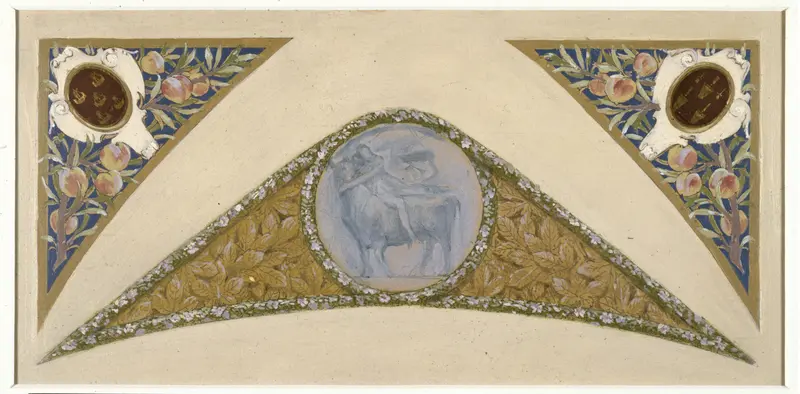
Esquisse pour l'escalier des Fêtes de l'Hôtel de Ville de Paris , Taureau
Luc-Olivier Merson
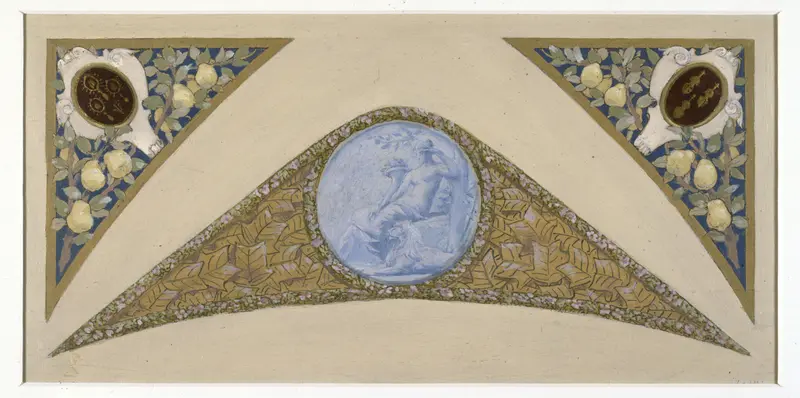
Esquisse pour l'escalier des Fêtes de l'Hôtel de Ville de Paris , Vierge
Luc-Olivier Merson
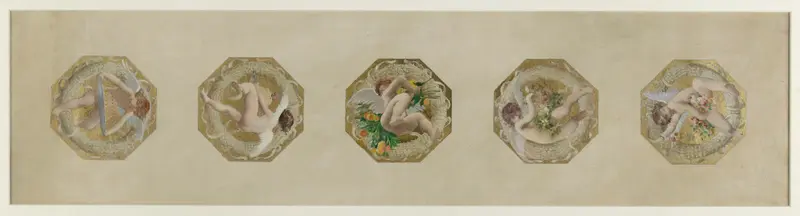
Esquisse pour l'Hôtel de Ville de Paris, escalier des Fêtes , les génies des fêtes
Luc-Olivier Merson
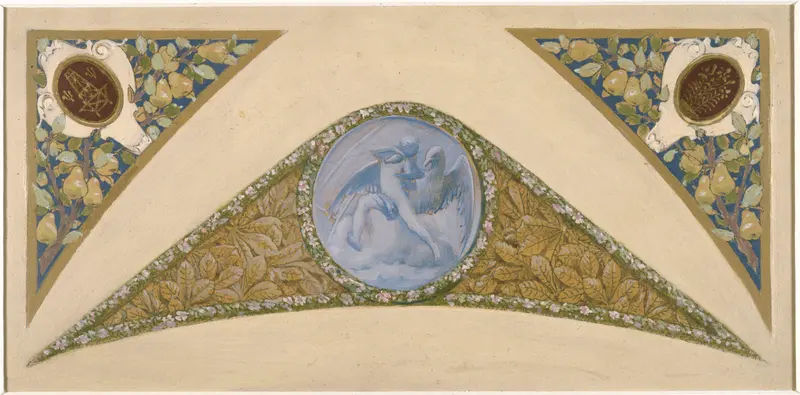
Esquisse pour l'escalier des Fêtes de l'Hôtel de Ville de Paris , Verseau
Luc-Olivier Merson
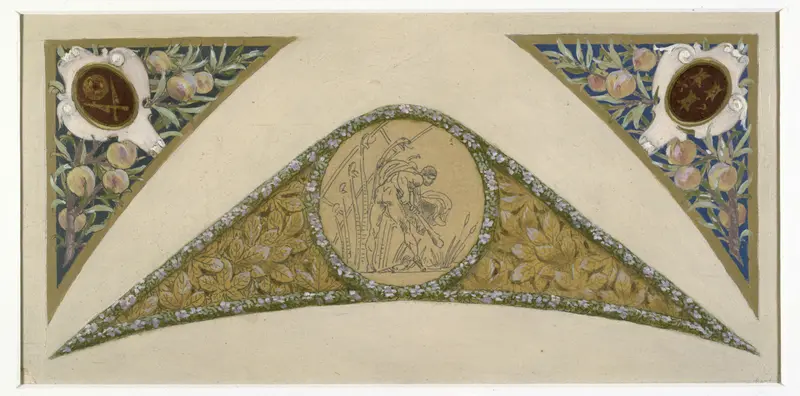
Esquisse pour l'escalier des Fêtes de l'Hôtel de Ville de Paris , Scorpion
Luc-Olivier Merson





