
The Song — History & Facts
What draws the eye first in The Song is the moment of rapt attention—two women, seated close together beneath a canopy of golden leaves, gaze up at a standing figure who pours music into the woodland air. The singer, draped in pale robes and crowned by the dappled light, holds her lyre as if conjuring the very hush that envelops her listeners. The composition leads us gently: from the clasped hands of the seated pair, through the sweep of their garments, to the poised fingers and uplifted face of the musician.
Light pools around her, setting her apart from the shadowed forest, suggesting the music’s power to transform an ordinary glade into a stage for enchantment. Painted in 1881, The Song belongs to a world where the classical ideal still held sway in British art. Such scenes—mythic, Arcadian, and serene—were favored by collectors and the public alike, offering a vision of beauty and harmony far removed from the industrial realities of late nineteenth-century life. Sophie Anderson, known for her refined technique and gentle romanticism, was part of a generation that found inspiration in antiquity and in the imagined innocence of pastoral life.
Though little is recorded about the specific journey of this painting, its presence in the Art UK collection today invites us to linger in that suspended moment, listening for the music that stirs the leaves.
More Artworks by Sophie Anderson

Elaine
Sophie Anderson
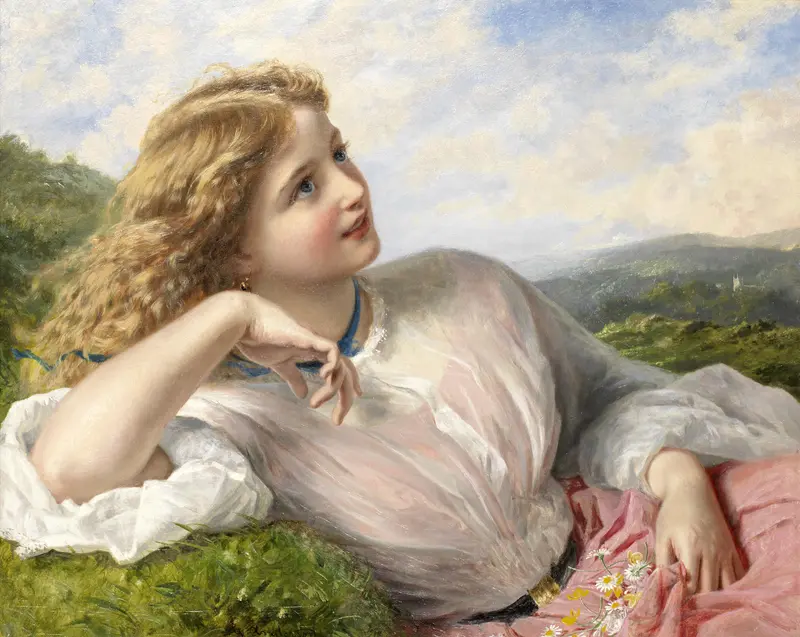
The song of the lark
Sophie Anderson
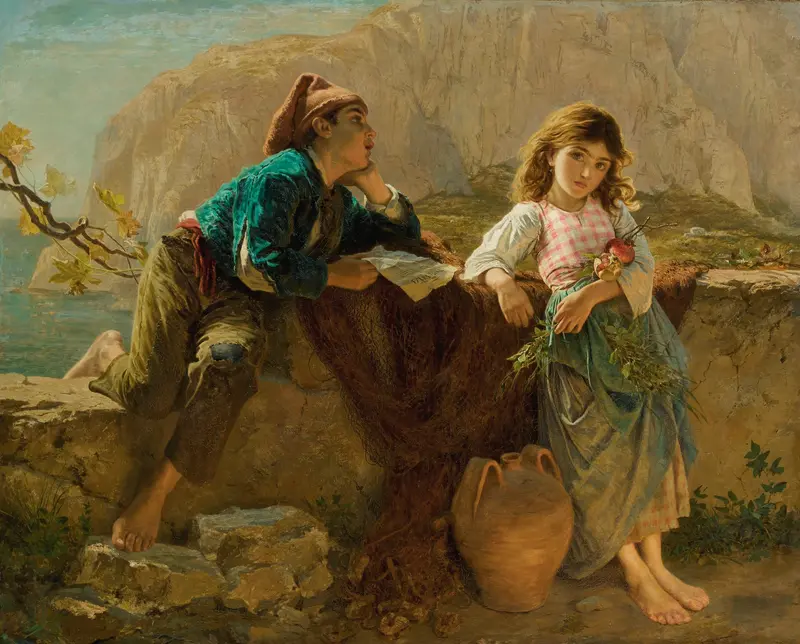
Fisherman’s children, Capri
Sophie Anderson
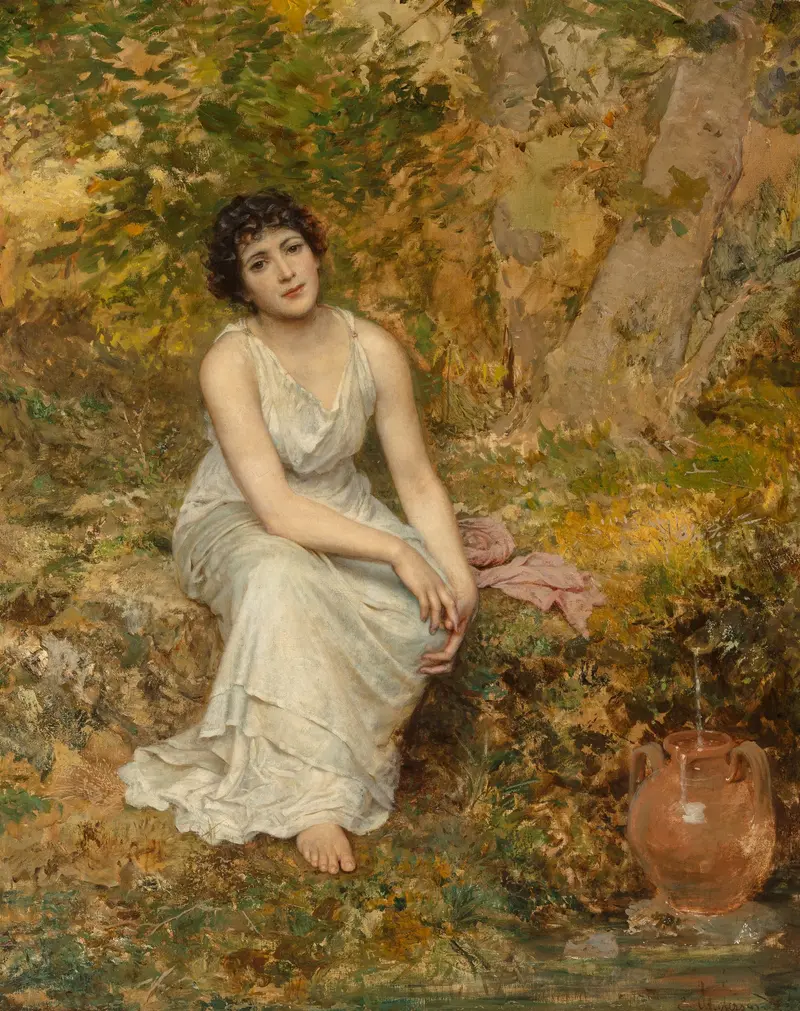
At the well
Sophie Anderson
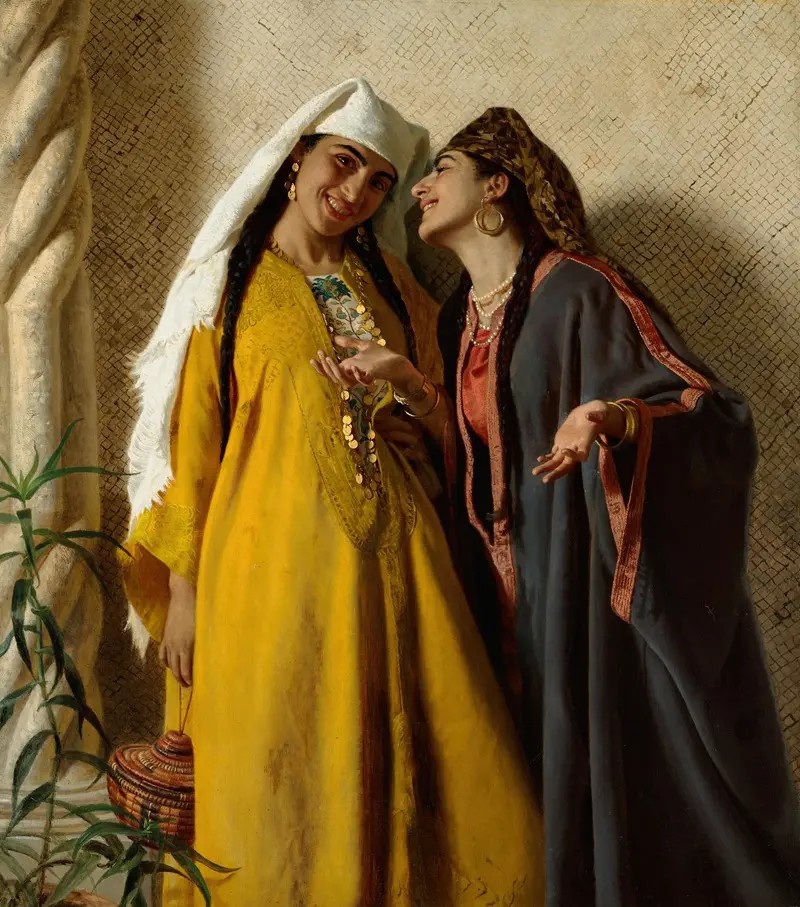
Scandal in the harem
Sophie Anderson
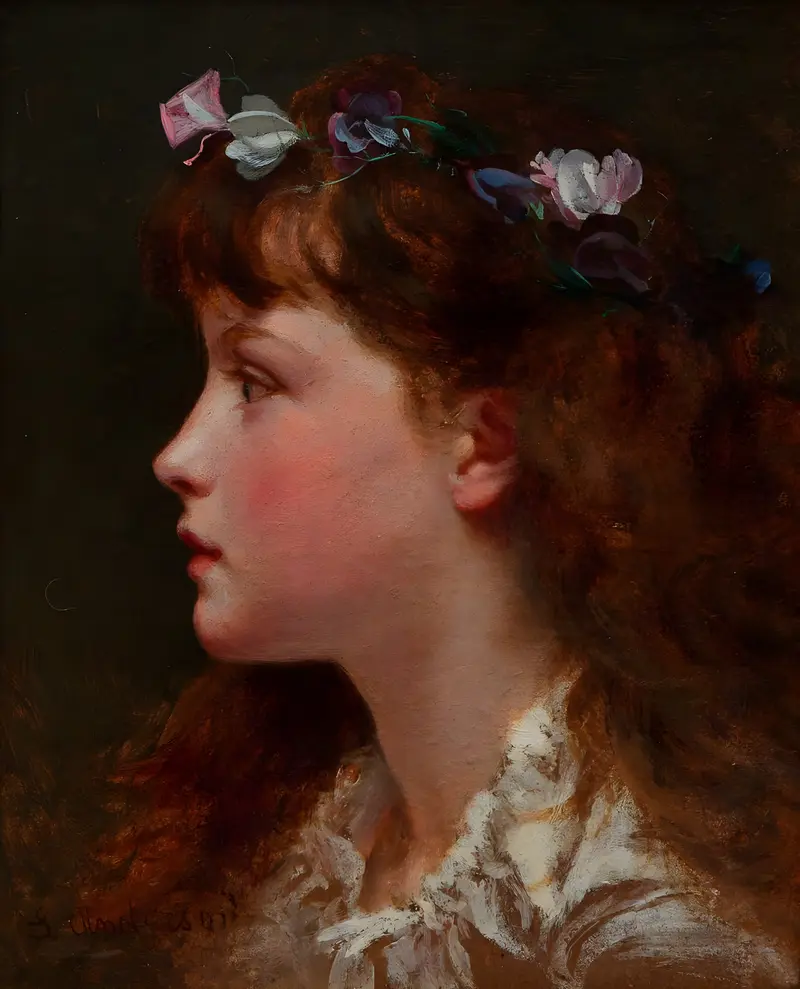
A young girl with a garland of flowers in her hair
Sophie Anderson
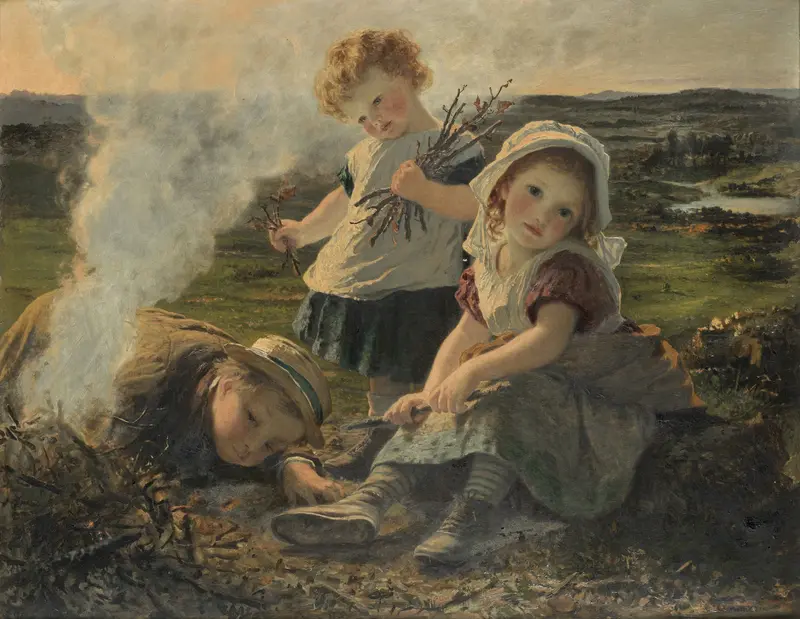
The Bonfire
Sophie Anderson
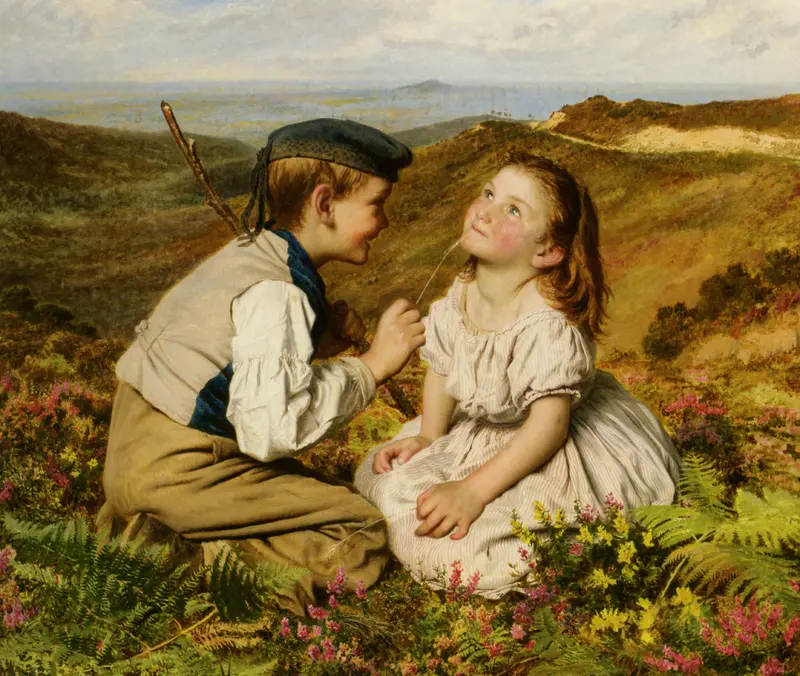
It’s Touch And Go, To Laugh Or No
Sophie Anderson
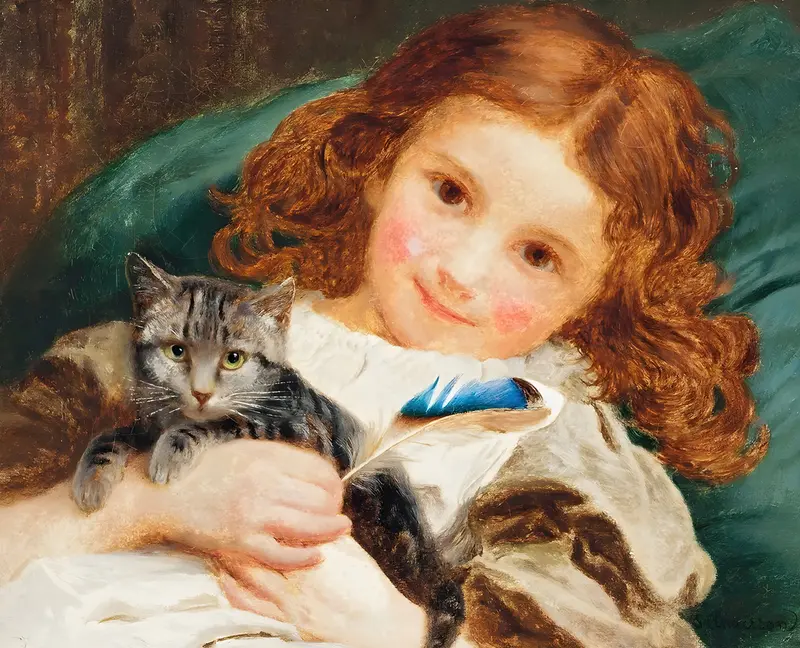
Best Friends
Sophie Anderson
The Flower Girl, Capri
Sophie Anderson





