
The Stone Bridge — History & Facts
In the stillness of nature, the truth lies waiting, hidden yet palpable, beneath the shadows of the trees and the murmurs of the brook. Look to the left at the strong, arching form of the bridge, rendered in earthy browns that evoke a sense of solidity and permanence. Note how the light filters through the canopy, dappling the ground in shades of green and gold, creating an interplay of illumination that invites the viewer to pause and explore. The composition draws the eye along the curve of the bridge toward the depths of the landscape, where vibrant foliage beckons, revealing Rousseau’s deft brushwork and mastery in portraying texture and atmosphere. Beneath this tranquil surface, the painting pulses with subtle tensions: the contrast between the robust stone bridge and the delicate, ephemeral nature surrounding it, reminding us of the fleeting moments of serenity in life.
The bridge serves as a metaphor for connections, both physical and emotional, while the fading light hints at the passage of time—a reminder that every journey must eventually lead to an ending. The carefully rendered details, from the twisting roots to the gentle contours of the earth, speak to the artist's deep reverence for the natural world, unveiling layers of meaning hidden within the landscape. In 1830, while working in the forests of Barbizon, Rousseau was part of a movement that sought to capture nature in its most authentic form, favoring en plein air techniques. The burgeoning Romanticism in art, marked by a desire for emotion and individual experience, influenced his work as he moved away from classical ideals.
This painting reflects his commitment to truth, revealing a world of sincerity that mirrored his own artistic journey.
More Artworks by Théodore Rousseau
Browse all →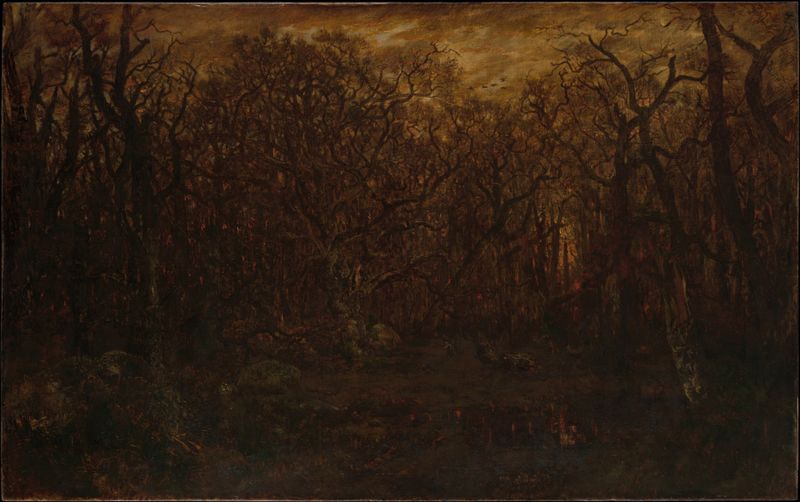
The Forest in Winter at Sunset
Théodore Rousseau
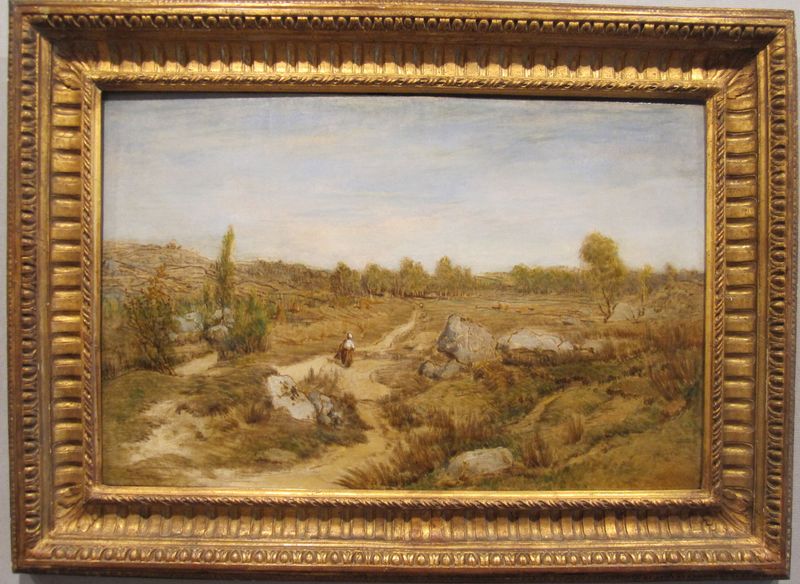
Valley of the Rouars in the Gorges d’Apremont
Théodore Rousseau
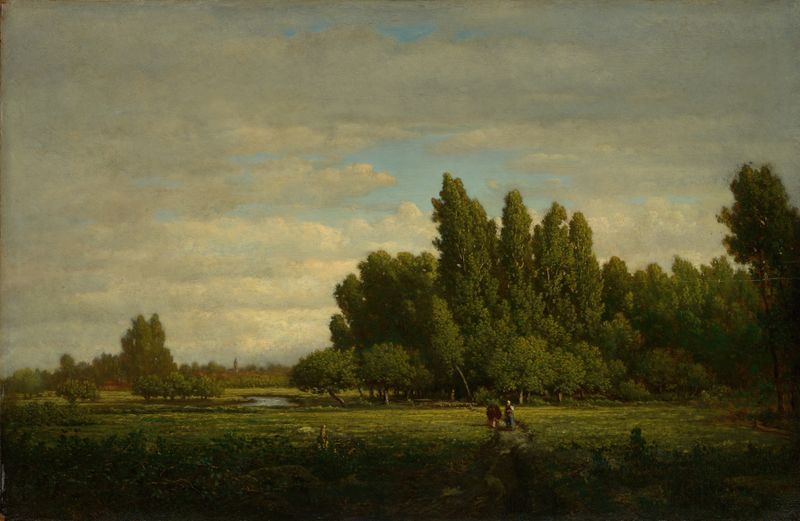
A Meadow Bordered by Trees
Théodore Rousseau
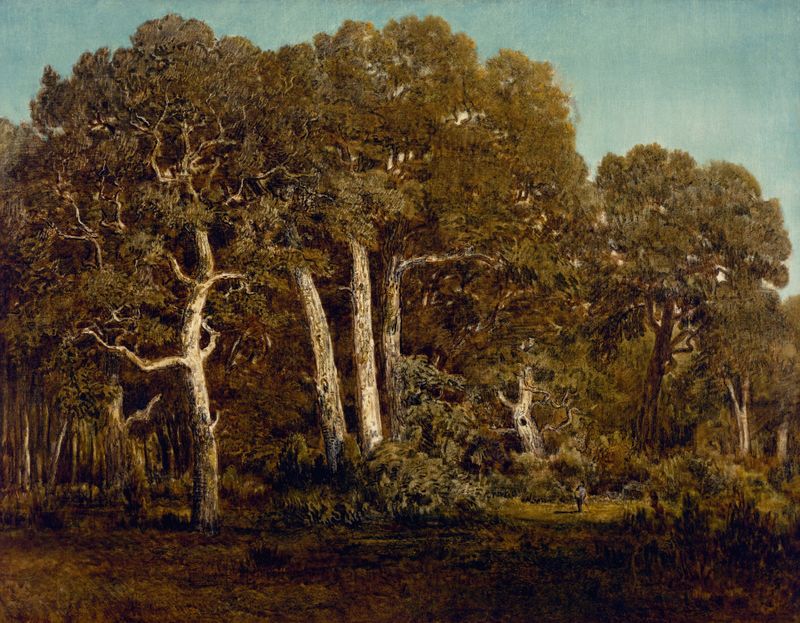
The Great Oaks of Old Bas-Bréau
Théodore Rousseau
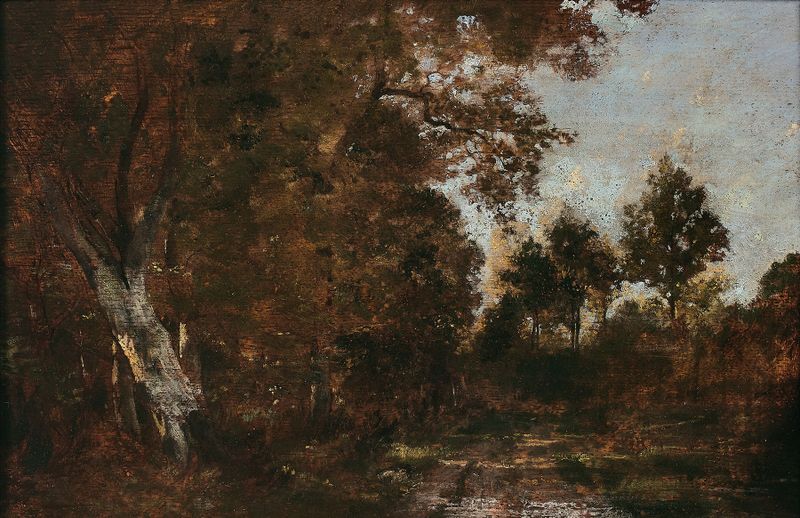
Paysage de sous-bois
Théodore Rousseau
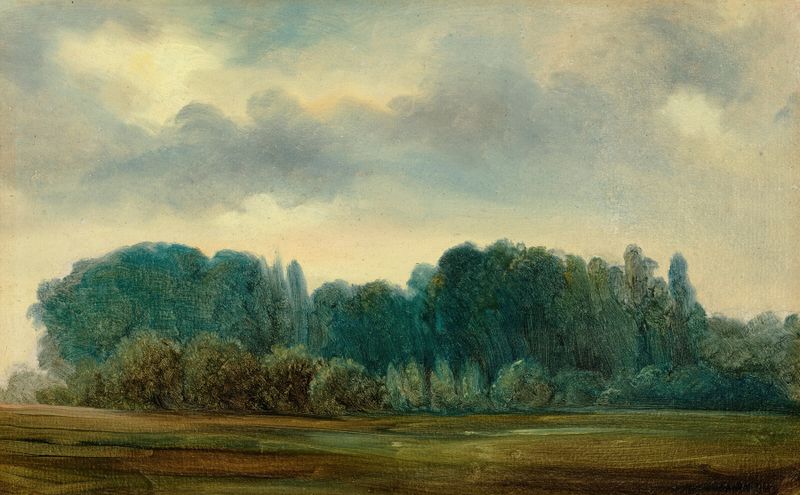
Paysage
Théodore Rousseau
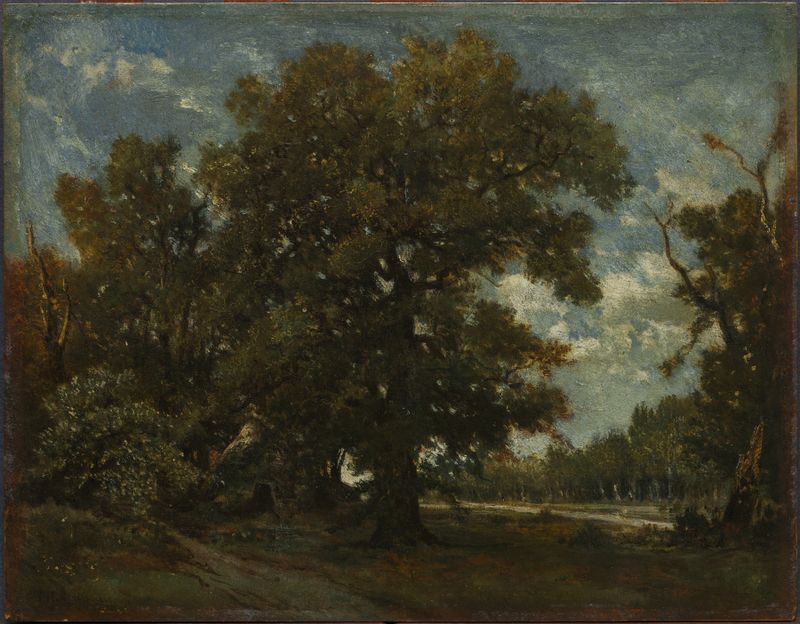
The Oak Tree
Théodore Rousseau
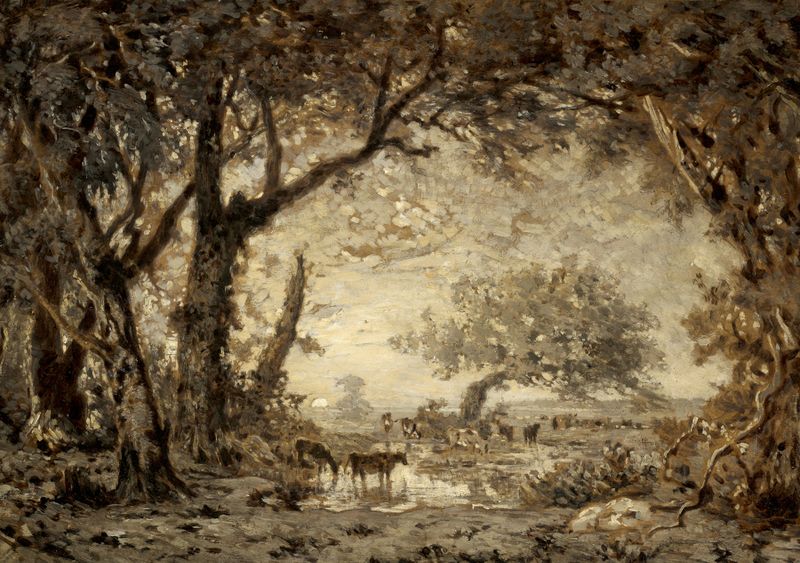
Sunset from the Forest of Fontainebleau
Théodore Rousseau
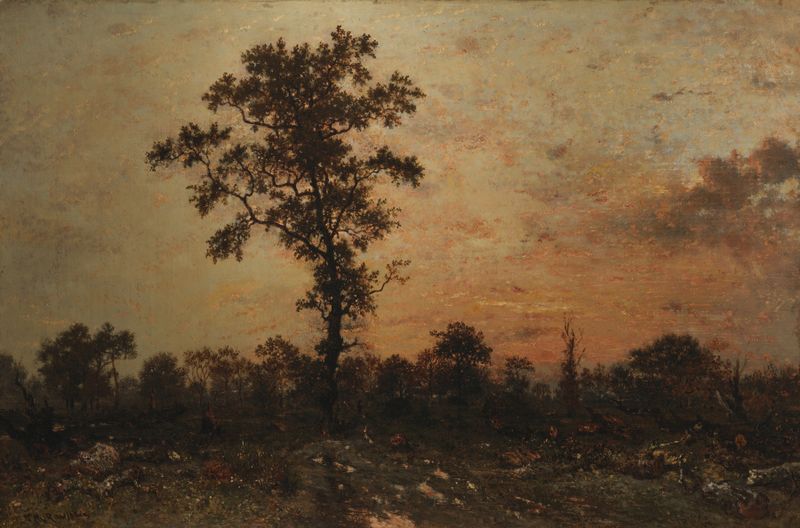
Edge of the Forest, Sun Setting
Théodore Rousseau
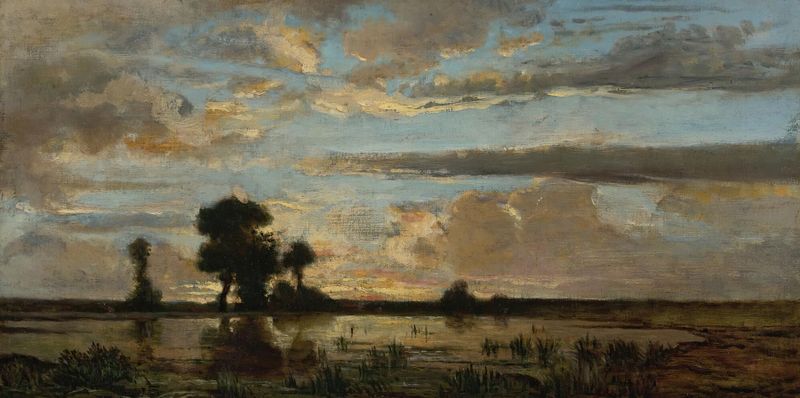
Soleil Couchant
Théodore Rousseau





