
The Strangers in the village — History & Facts
In The Strangers in the Village, Walter Crane presents a lively scene filled with vibrant colors. The painting features several figures interacting in a village setting, surrounded by lush greenery and quaint architecture. The warm tones of the villagers' clothing contrast with the cool greens of the landscape.
This creates a sense of harmony and community among the characters depicted. The painting is executed in oil on canvas, showcasing Crane's characteristic attention to detail and color. The brushwork is fluid, allowing for a dynamic representation of movement among the figures. Viewers can observe the intricate patterns in the clothing and the natural elements that frame the scene.
This technical skill enhances the overall narrative of village life. Walter Crane was a prominent figure in the Victorian art movement, known for his illustrations and paintings that often depicted social themes. The Strangers in the Village reflects his interest in community and the everyday lives of people. An interesting fact about this work is that it captures the essence of Victorian values, emphasizing the importance of social interaction and harmony.
Crane's art often aimed to inspire a sense of belonging and appreciation for the simple joys of life.
More Artworks by Walter Crane

Oranges and Lemons
Walter Crane
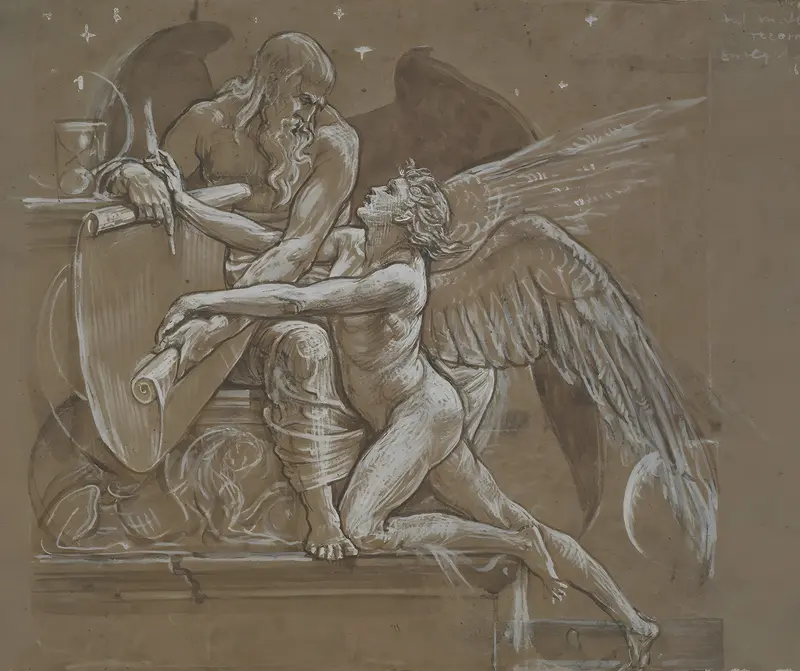
The Roll of Fate, England
Walter Crane
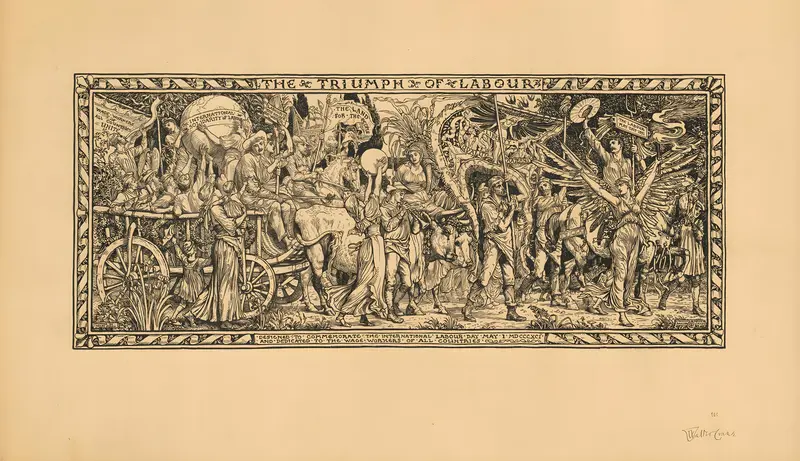
The Triumph of Labour. Designed to commemorate The International Labour Day
Walter Crane
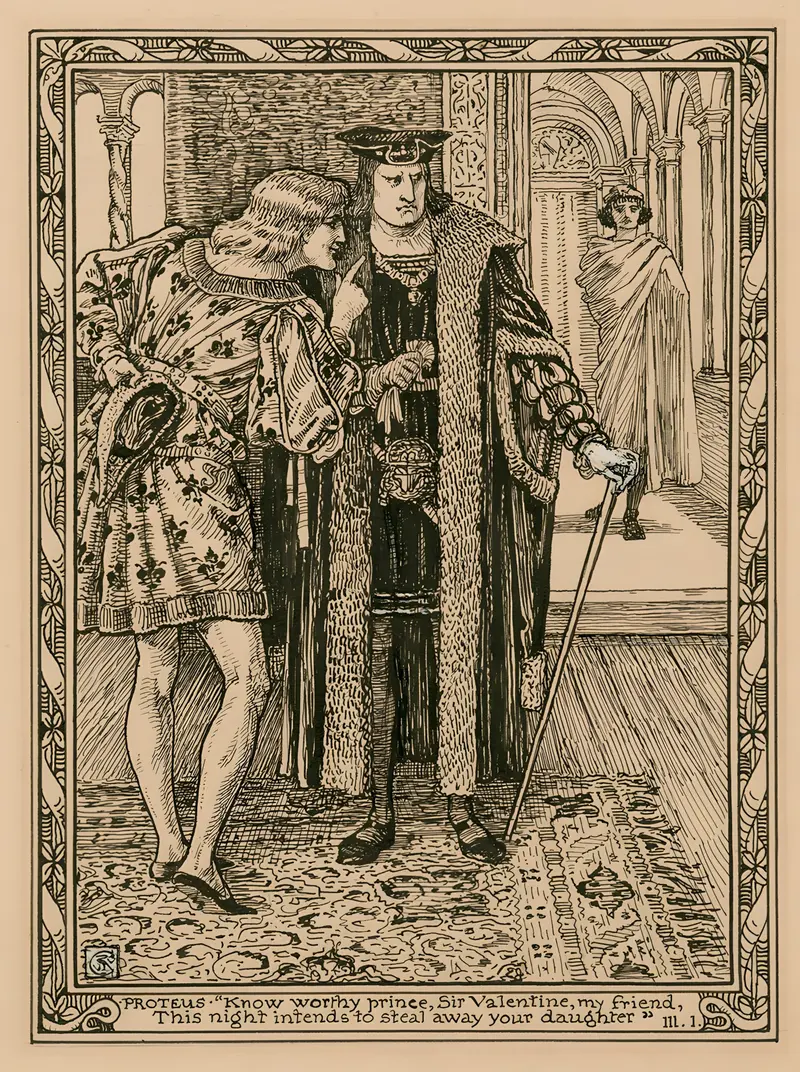
Proteus; ‘Know worthy prince, Sir Valentine, my friend, this night intends to steal away your daughter’, III, 1
Walter Crane
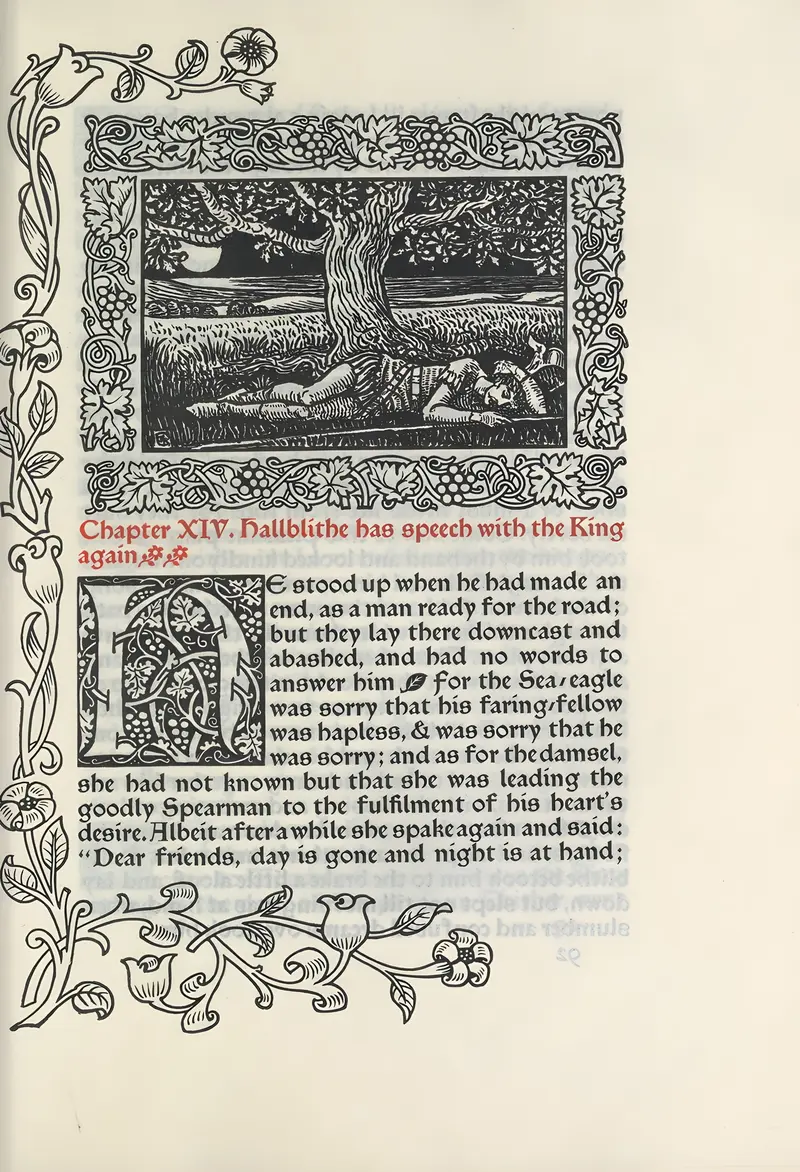
Chapter XIV. Hallblithe has speech with the King again
Walter Crane
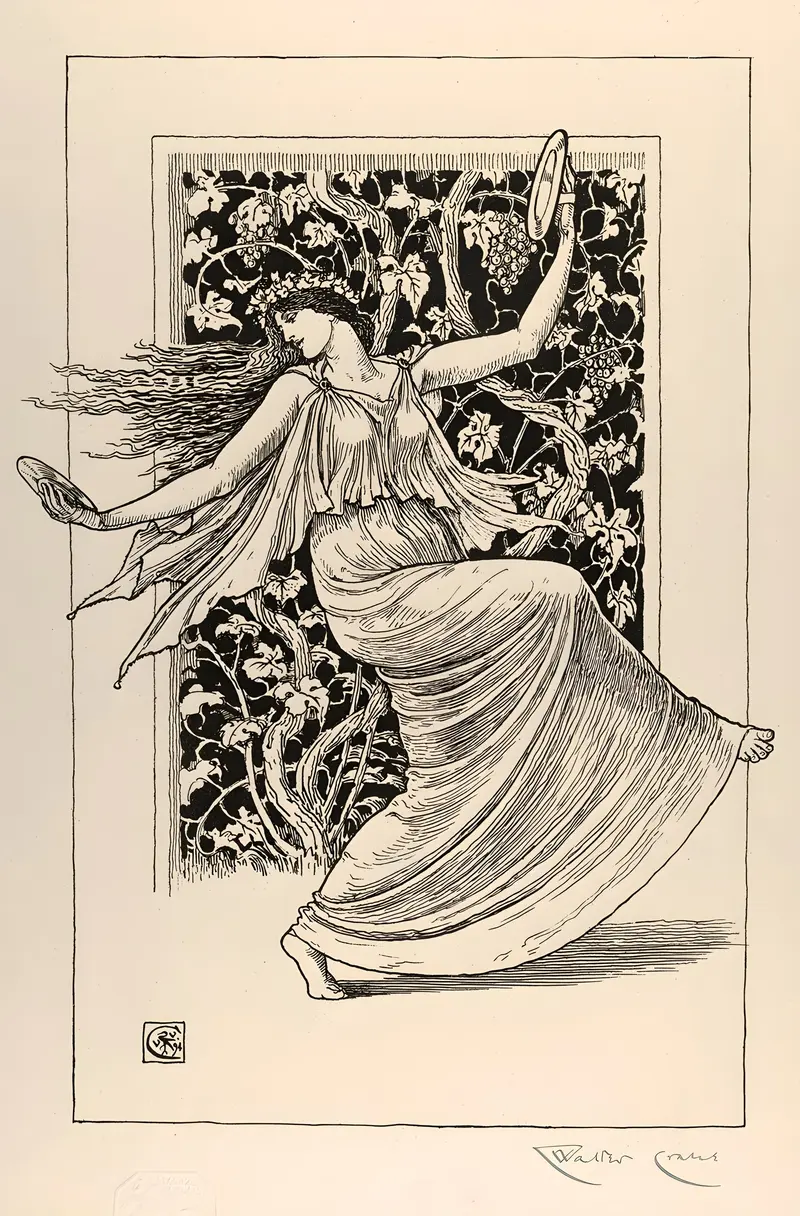
Dancing Nymph
Walter Crane
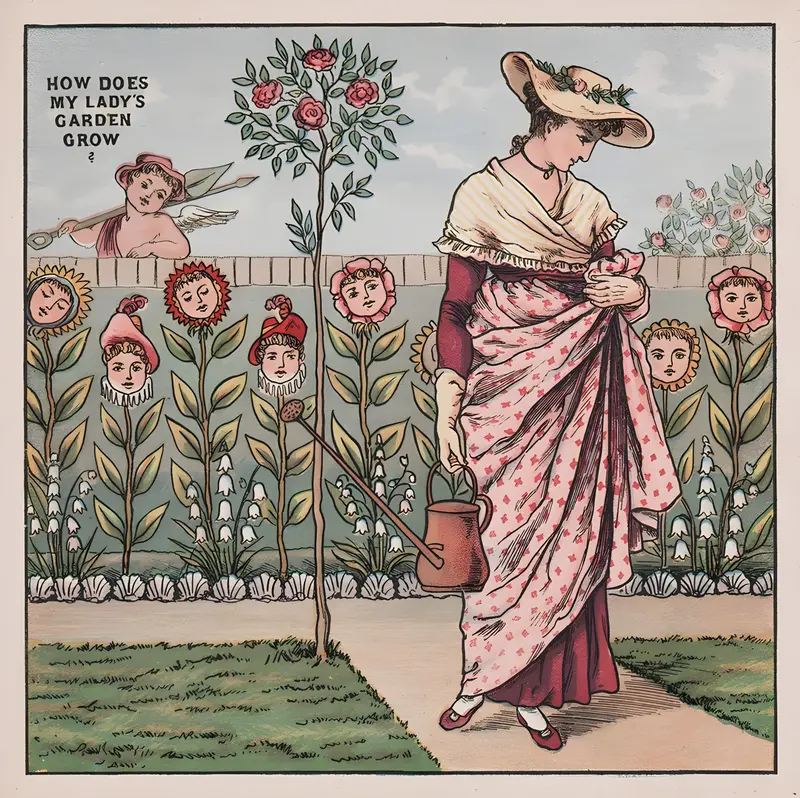
How does my lady’s garden grow
Walter Crane
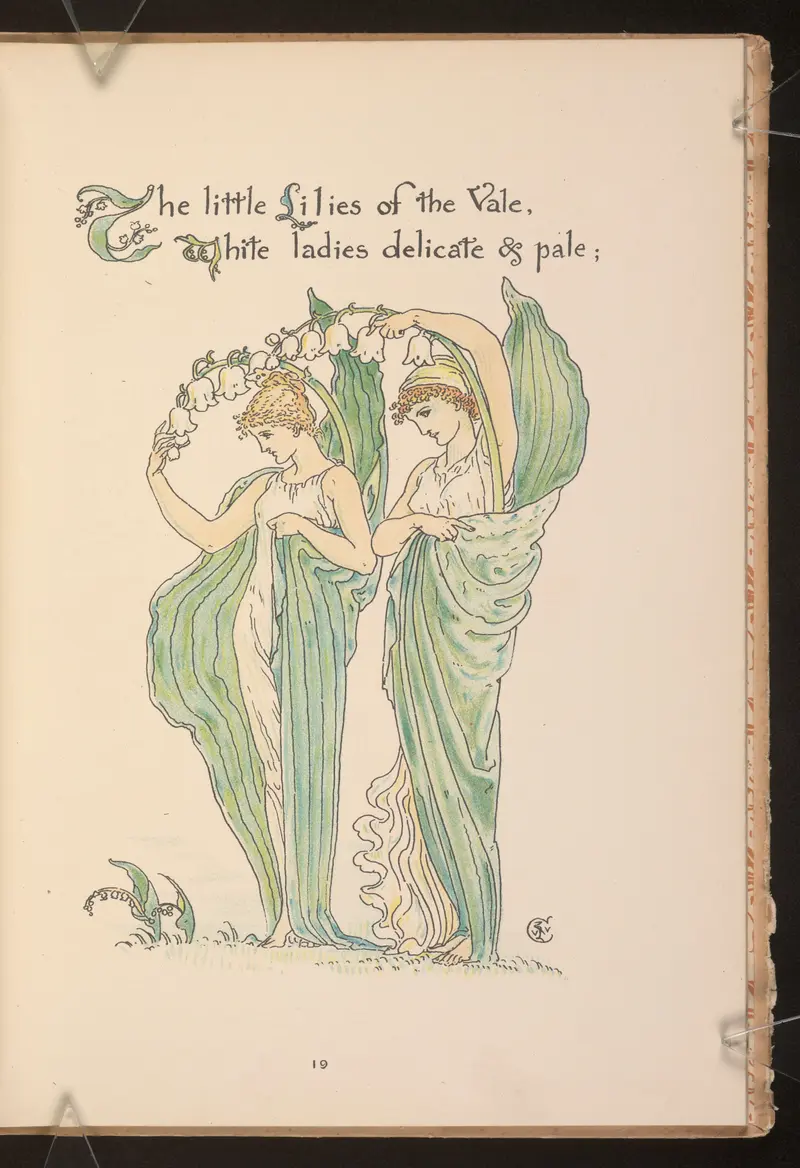
Flora’s feast; A masque of flowers Pl.19
Walter Crane
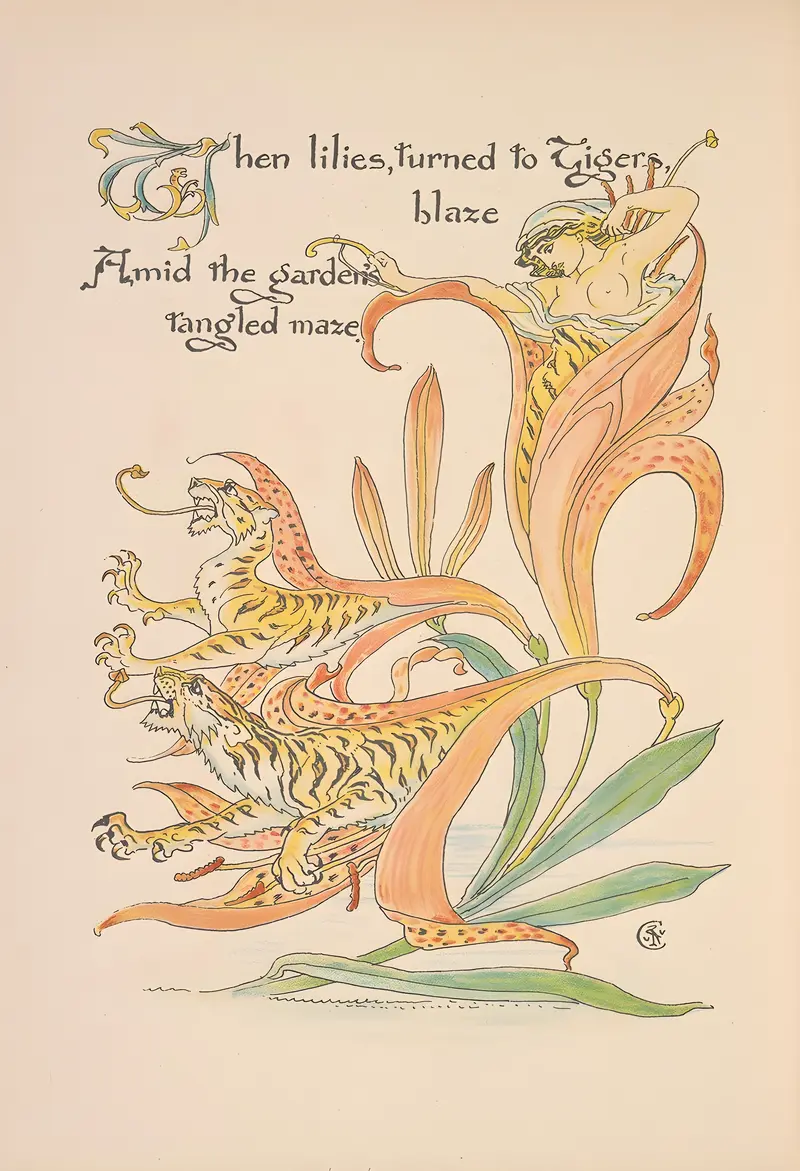
Flora’s feast; A masque of flowers Pl.34
Walter Crane
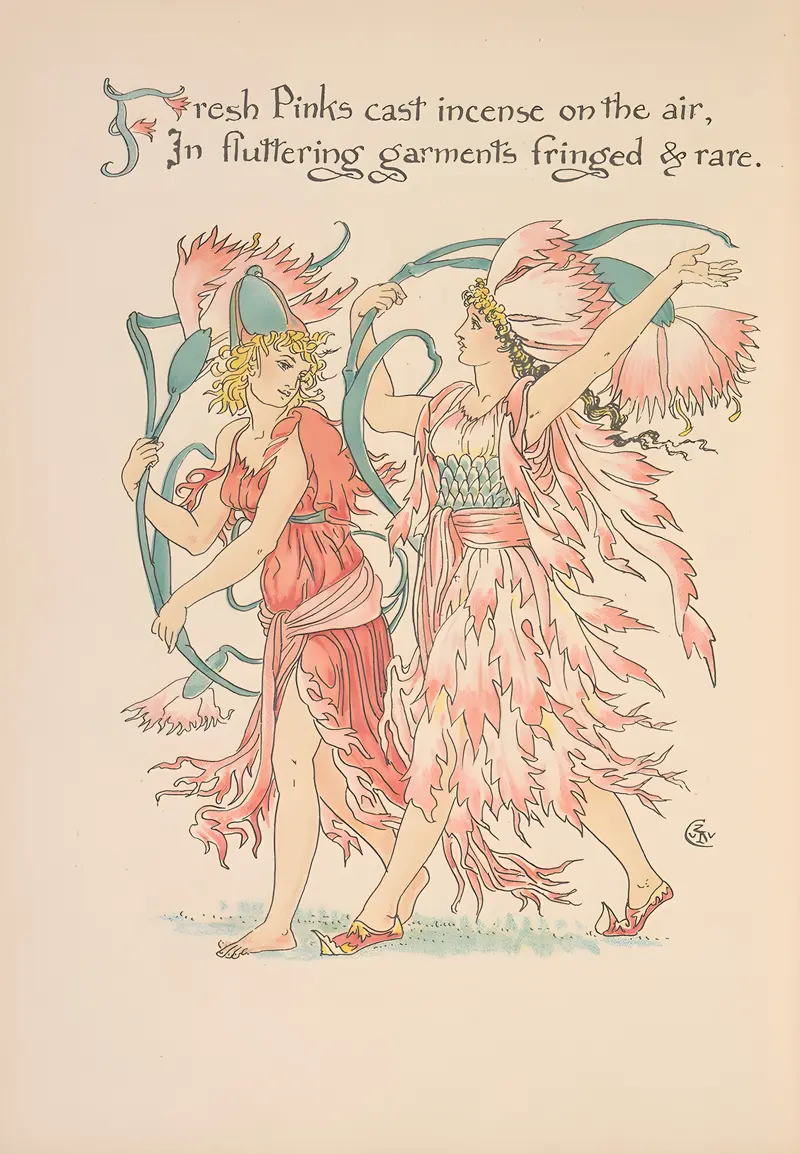
Flora’s feast; A masque of flowers Pl.29
Walter Crane
More Genre Scene Art

Banquet of the Officers of the St George Civic Guard
Frans Hals

Rembrandt and Saskia in the Scene of the Prodigal Son
Rembrandt van Rijn

Bal du moulin de la Galette
Pierre-Auguste Renoir

Quadrille at the Moulin Rouge
Henri de Toulouse-Lautrec

A Burial at Ornans
Gustave Courbet

When Will You Marry?
Paul Gauguin