
The Supper At Emmaus — History & Facts
Few biblical episodes have inspired as many interpretations as the encounter at Emmaus, yet John Linnell’s The Supper At Emmaus stands out for its rare blend of spiritual intimacy and English realism. While the exact date and circumstances of its creation remain uncertain, what is known is that Linnell—a close friend of William Blake and a central figure in the British Romantic movement—often returned to religious themes throughout his long career. His Emmaus scene is especially notable for its quiet, almost domestic atmosphere, a marked departure from the theatricality favored by many of his continental contemporaries. At the heart of the painting is the moment when the resurrected Christ, unrecognized by his disciples during their journey, reveals his identity as he breaks bread.
Linnell chooses to capture the instant of revelation: Christ’s hands, gentle yet commanding, break the loaf, while the disciples recoil in astonishment—one’s hand frozen mid-gesture, the other’s eyes wide with sudden comprehension. The table is set with simple fare: bread, a jug of wine, a few earthenware dishes, all rendered with a tactile clarity that roots the miracle in the everyday. Unlike Caravaggio’s version, where drama erupts in wild gestures and deep shadow, Linnell bathes his figures in a steady, natural light, emphasizing the humanity of the scene over its drama. The journey of The Supper At Emmaus as an object is less documented than its subject matter.
No surviving records confirm its original patron or exhibition history, a common fate for many of Linnell’s religious works, which were often produced for private devotion or small-scale collectors rather than grand public commissions. Today, the painting is recognized as an example of Linnell’s mature style, where his interest in biblical narrative merges with the careful observation of ordinary life. Its current location is uncertain, and it is not among the best-known holdings of major museums, but it remains a testament to the enduring appeal of the Emmaus story and to Linnell’s quiet, searching faith.
More Artworks by John Linnell

A View Near Hampstead
John Linnell
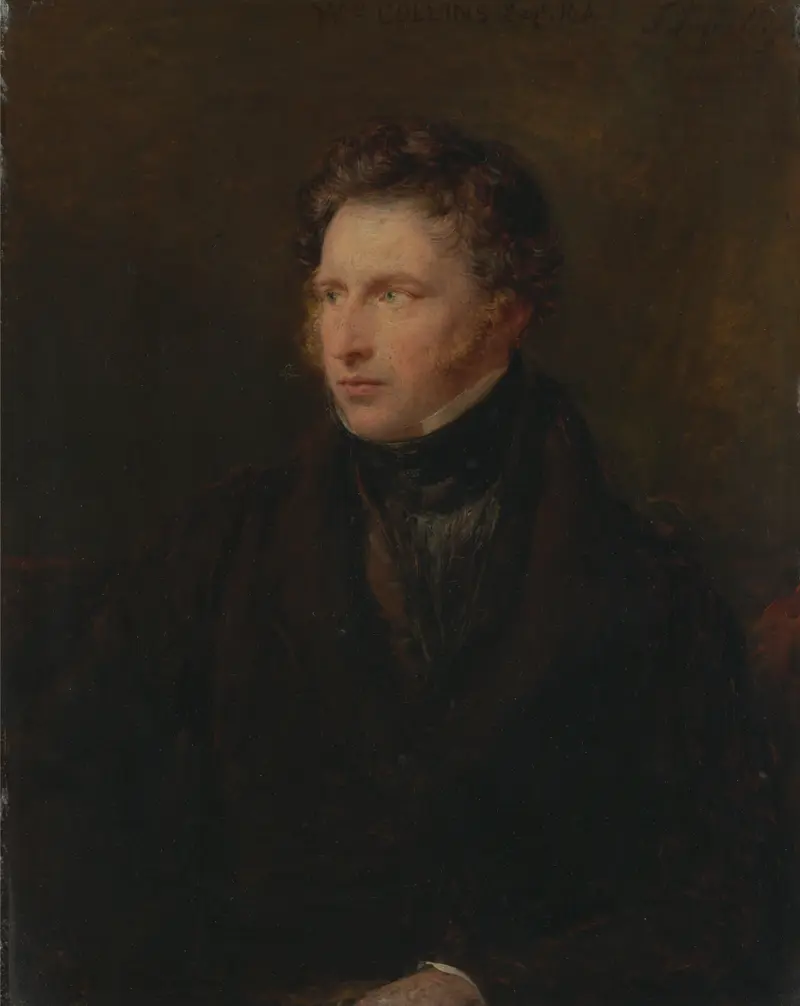
William Collins, R.A.
John Linnell
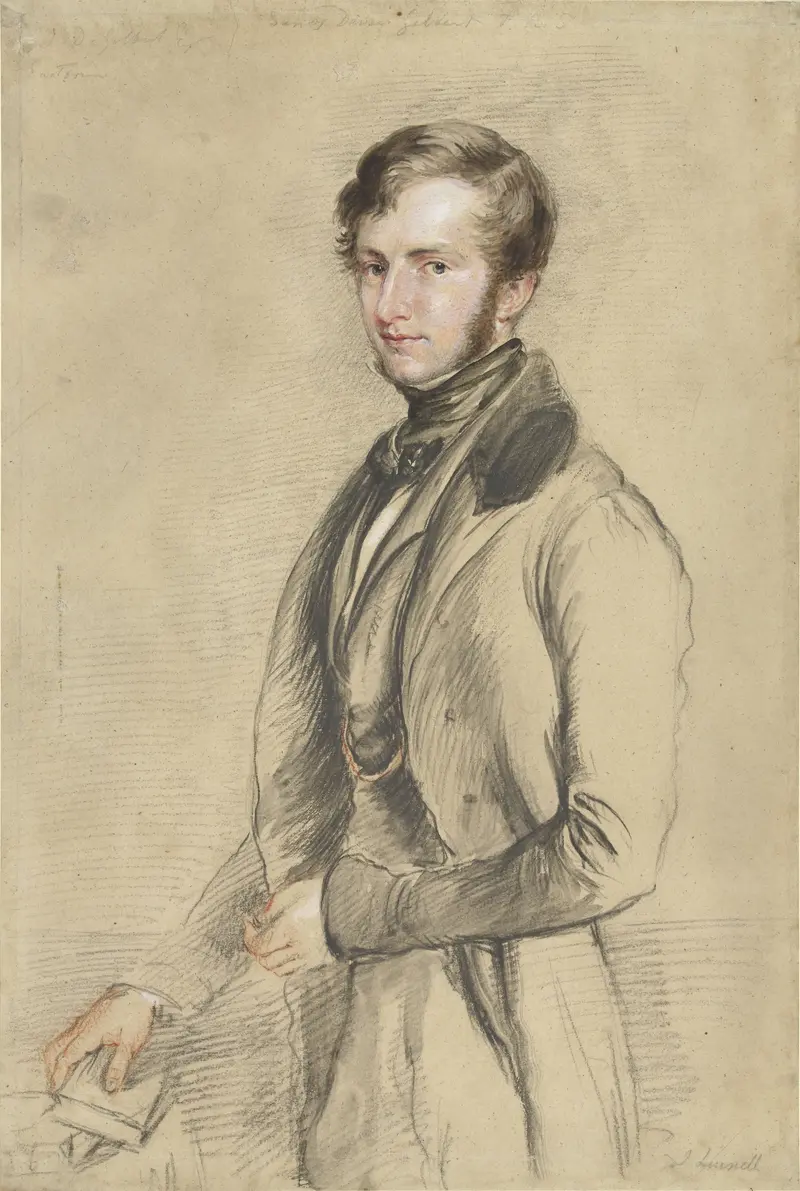
Portrait of John Davies Gilbert
John Linnell
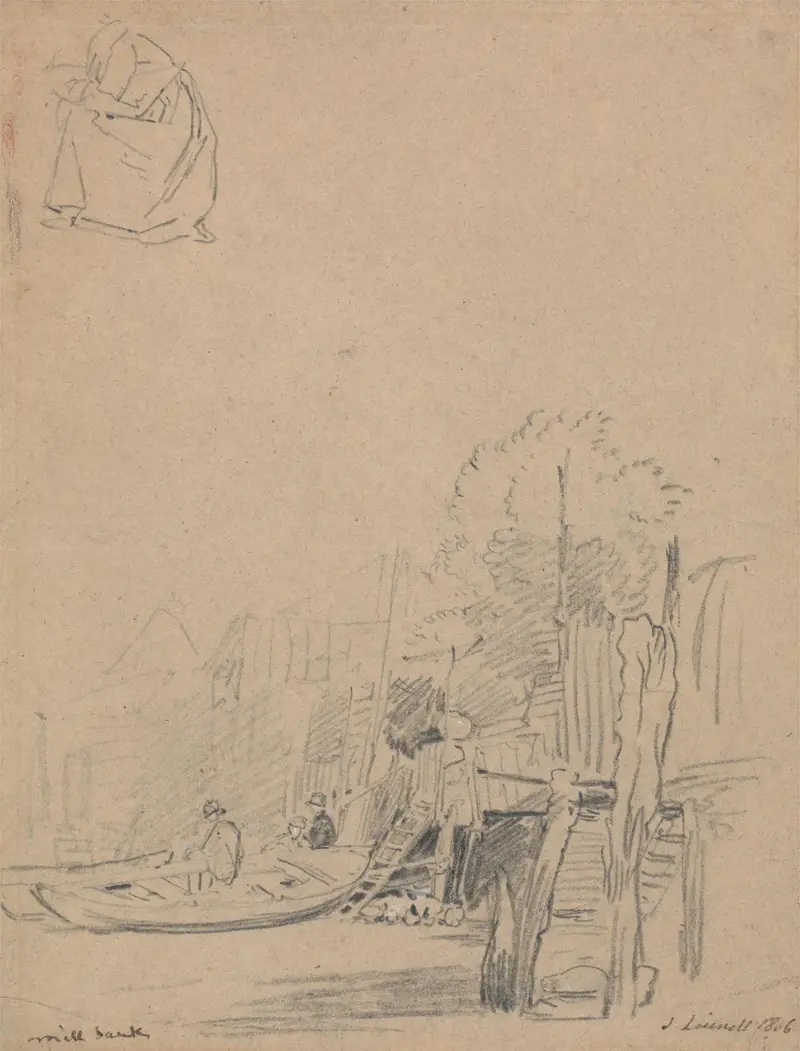
Millbank
John Linnell
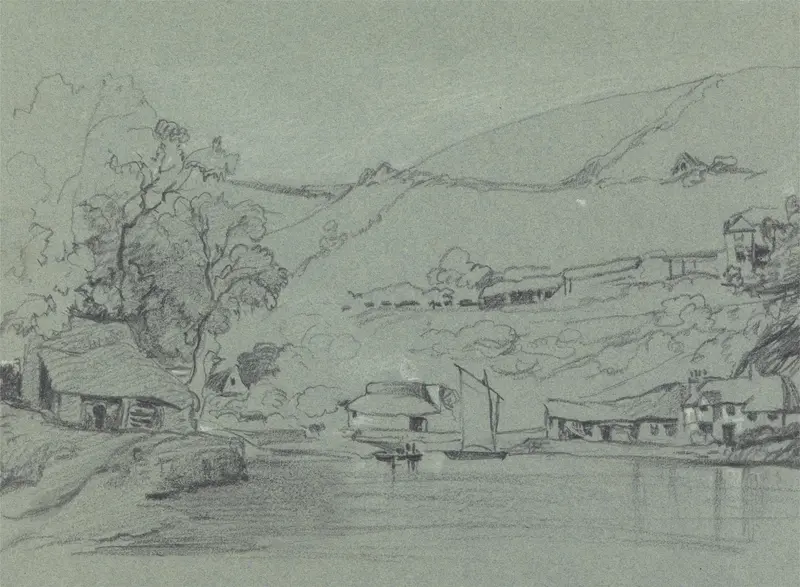
Scene in Kent
John Linnell
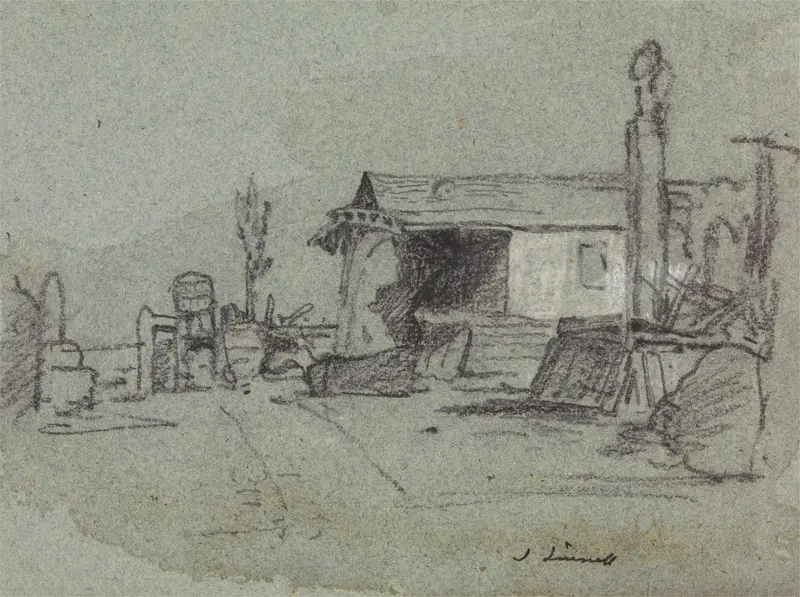
A Scene in the Edgware Road, London
John Linnell
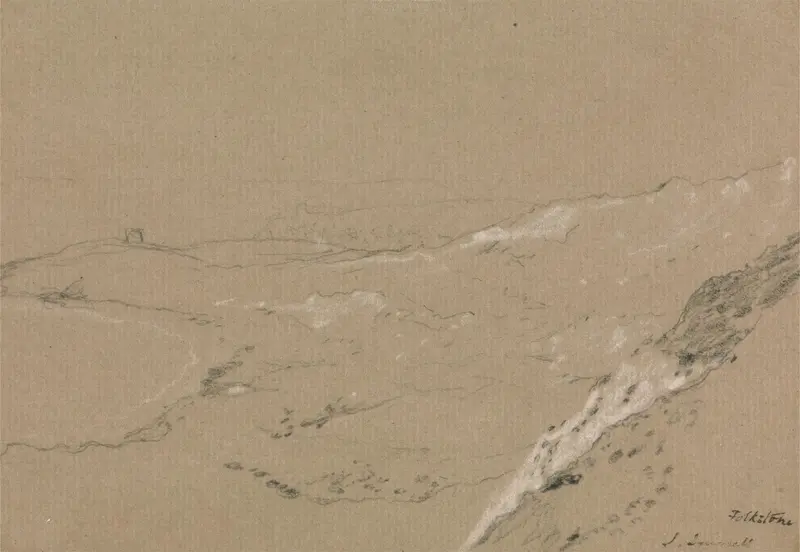
Folkestone
John Linnell
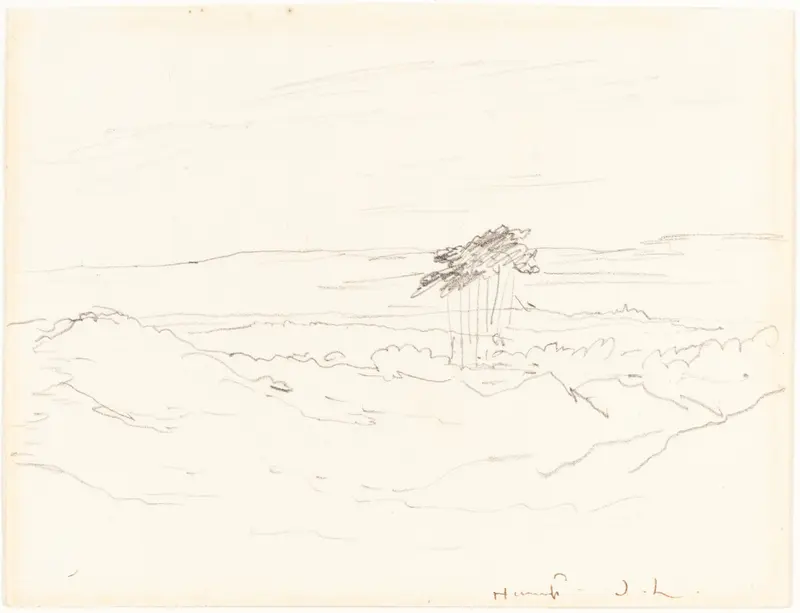
Hampstead Heath
John Linnell
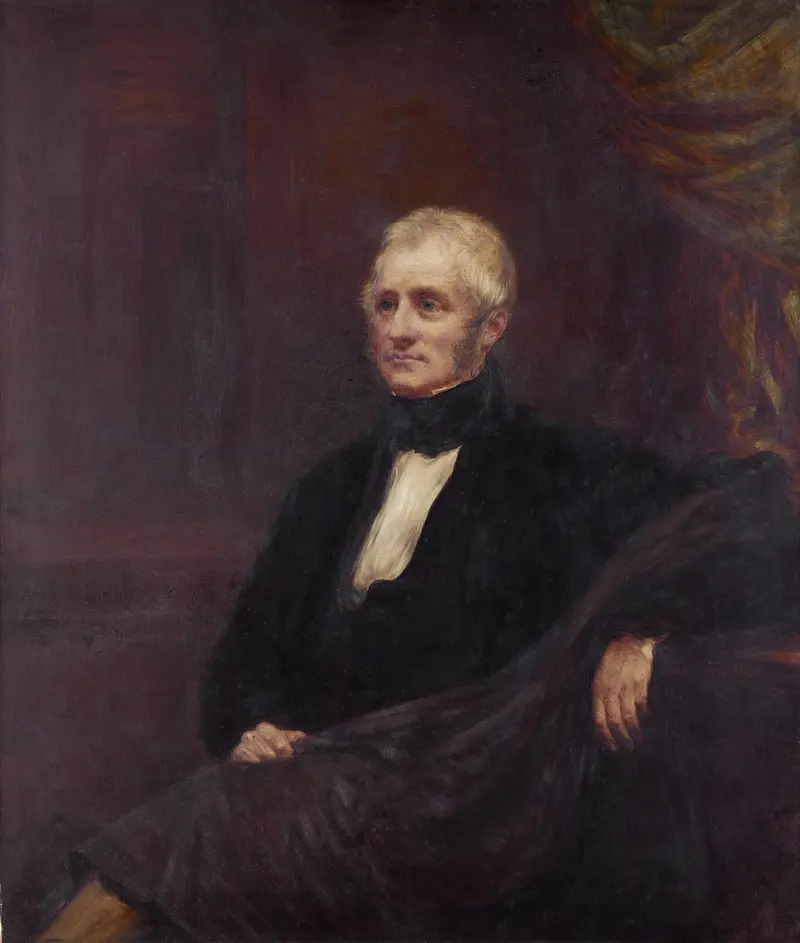
Henry Stephen Fox-Strangways, 3rd Earl Of Ilchester
John Linnell
View at Mr. Sheppard’s, The Ridge, Gloucestershire
John Linnell





