
The Sylvan Sea — History & Facts
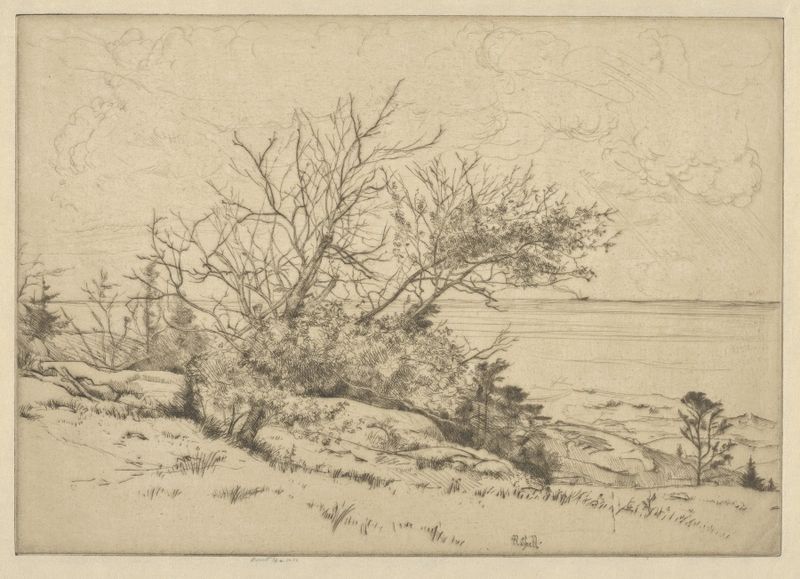
In The Sylvan Sea, the very essence of movement lingers, inviting the viewer to dance along the edges of a vibrant landscape. Focus on the swirling strokes of green and blue that intertwine across the canvas, creating a rhythm that echoes the life teeming within. Look closely and notice how the trees, rendered in broad strokes, seem to sway as if caught in a gentle breeze. The sunlight breaks through a canopy of leaves, casting a dappled pattern on the ground below, while hints of warm earth tones pulse with energy, driving the viewer's gaze deeper into the scene. Beneath the surface, this artwork explores the interplay between tranquility and exuberance.
The flowing lines evoke a sense of serenity, yet the vibrant palette bursts with vitality, suggesting a world alive with unseen forces. The contrasting shades of color hint at the fleeting nature of moments—how the serene stillness of a forest can mask the furious movement of life beneath. In this way, Haskell captures both stillness and motion in a delicate balance, reminding us of the hidden currents that shape our surroundings. In 1924, Haskell painted this work during a period of profound personal exploration and artistic development.
Living in New England, he was influenced by the vibrant scenery surrounding him, as well as the burgeoning American art scene that sought to embrace nature and the emotions it invokes. As a member of the influential New York Society of Etchers, he experimented with movement in his pieces, making The Sylvan Sea a reflection of his evolving mastery and an homage to the beauty that lies within the natural world.
More Artworks by Ernest Haskell
Browse all →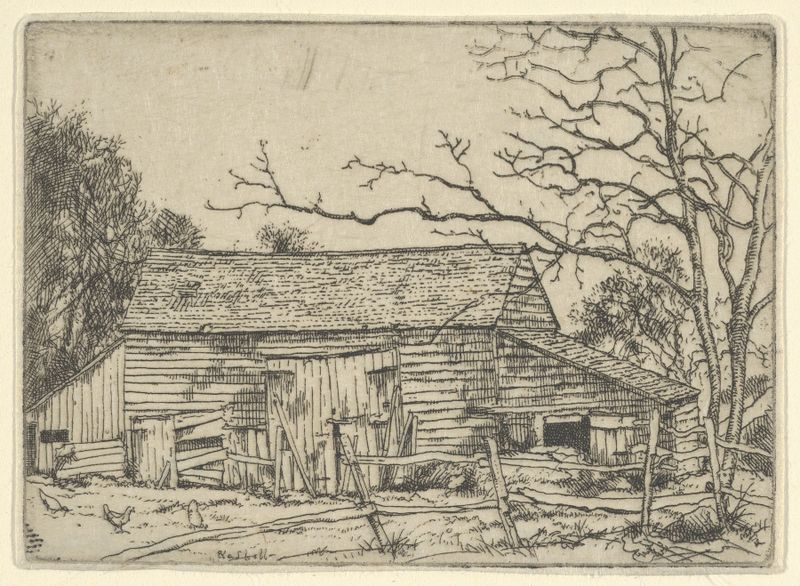
The Barn–Staten Island, N.Y.
Ernest Haskell

Four Live Oaks
Ernest Haskell
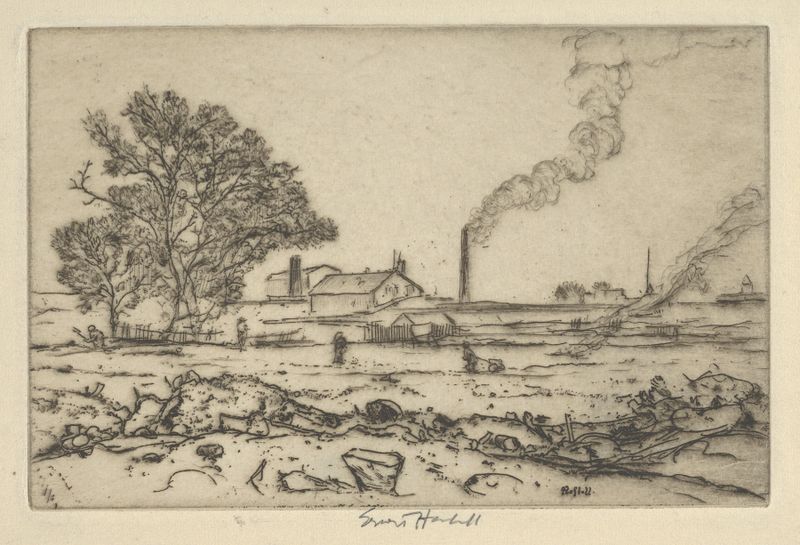
Outskirts of Boston
Ernest Haskell
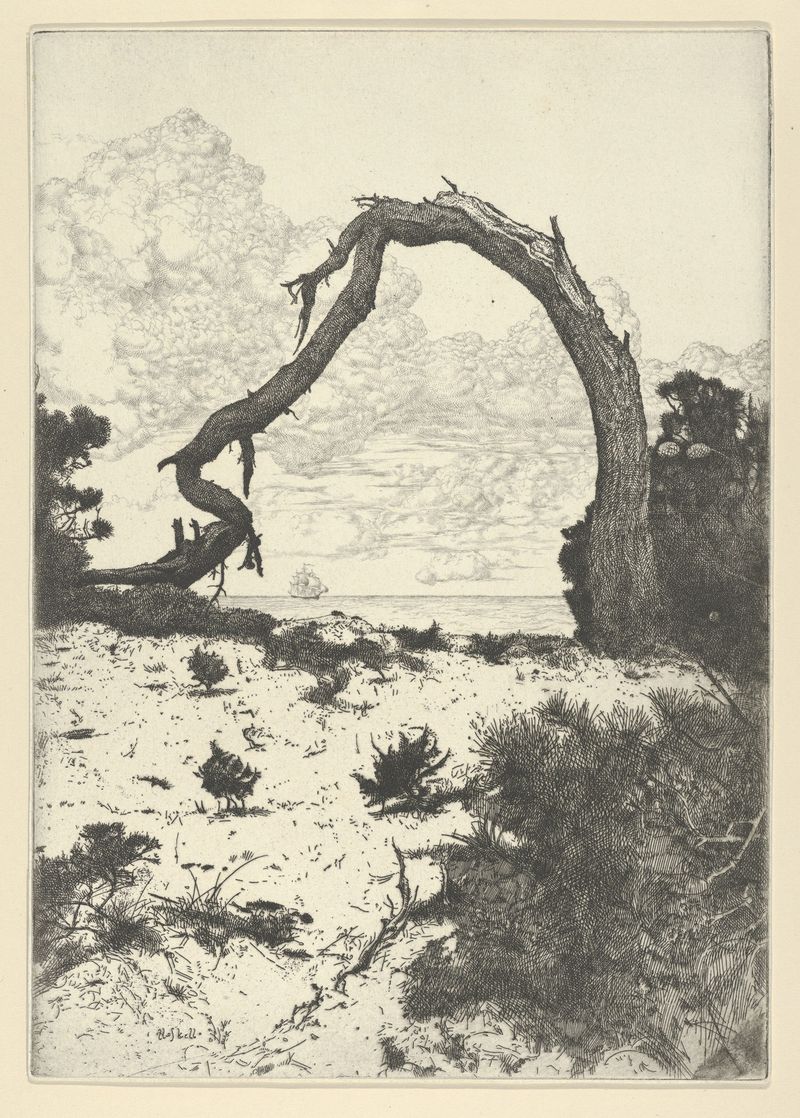
Pine Arch
Ernest Haskell

General Sherman
Ernest Haskell
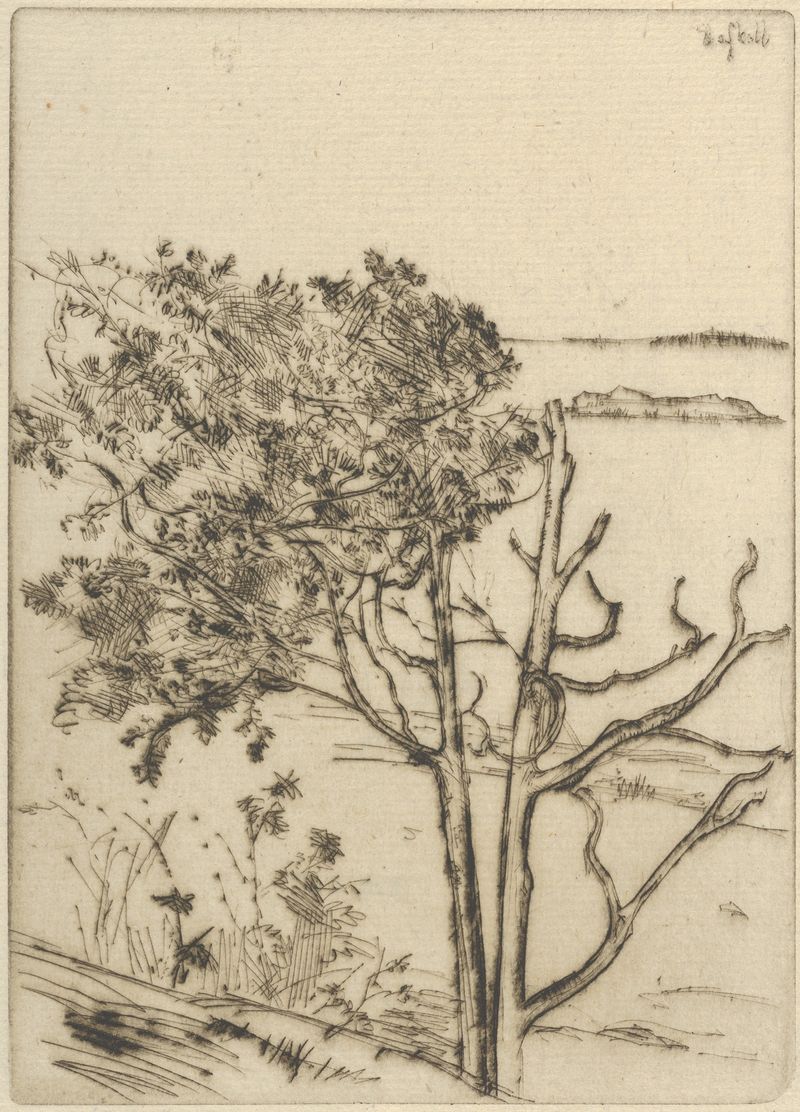
Ragged Tree – Maine
Ernest Haskell

Tide Mill
Ernest Haskell

Ship Building
Ernest Haskell
To the Southward – Ragged Island, Me.
Ernest Haskell
Long Island Marshes
Ernest Haskell





