
The Thames from the Ship Inn, Greenwich — History & Facts
What if beauty was never meant to be finished? The river, like life, flows through a tapestry of change—an unending transformation that invites both reflection and wonder. Focus on the horizon where the sun dips low, casting a golden hue across the rippling waters of the Thames. The light dances upon the surface, illuminating the soft contours of the landscape and the sturdy ships docked at the inn. Notice the play of shadow and light on the weathered bricks of the building, suggesting stories held within its walls, while the gentle curves of trees frame the scene like a comforting embrace. Within this serene vista lies a deeper narrative of transition: the merging of water and sky, the stillness of the moment juxtaposed against the movement of the river.
The bustling life of the Thames hints at commerce and community, yet also a fleeting beauty that speaks to the ephemeral nature of both art and existence. Each stroke reveals the artist’s intent to capture not just a place, but the essence of change and continuity that defines the human experience. In a period marked by shifting artistic movements, this work emerged from Hearne's observations as he traveled through the English countryside, likely during the late 18th century. Engaged with the themes of Romanticism, he was influenced by the natural beauty surrounding him, as well as the burgeoning interest in the depiction of landscapes—a departure from the traditional historical and religious subjects of his predecessors.
More Artworks by Thomas Hearne
Browse all →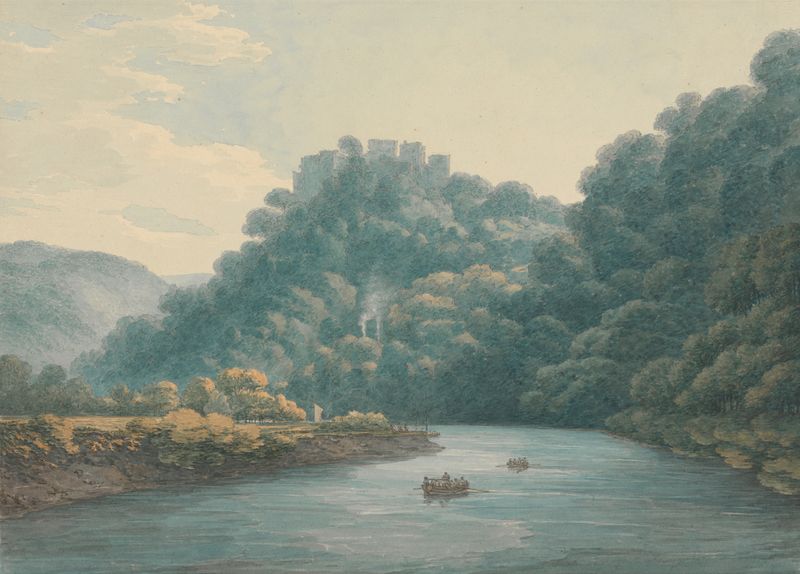
Goodrich Castle on the Wye
Thomas Hearne
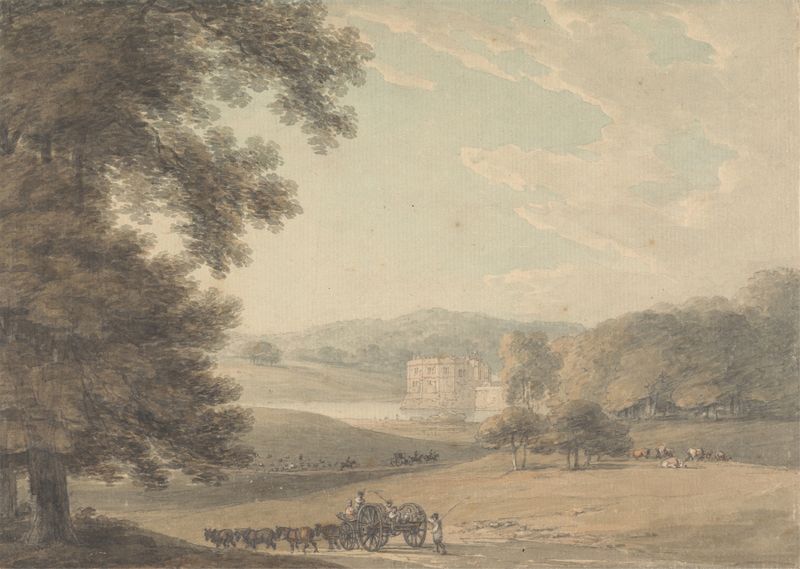
Leeds Castle, Kent
Thomas Hearne

The Ruins of Leiston Abbey
Thomas Hearne
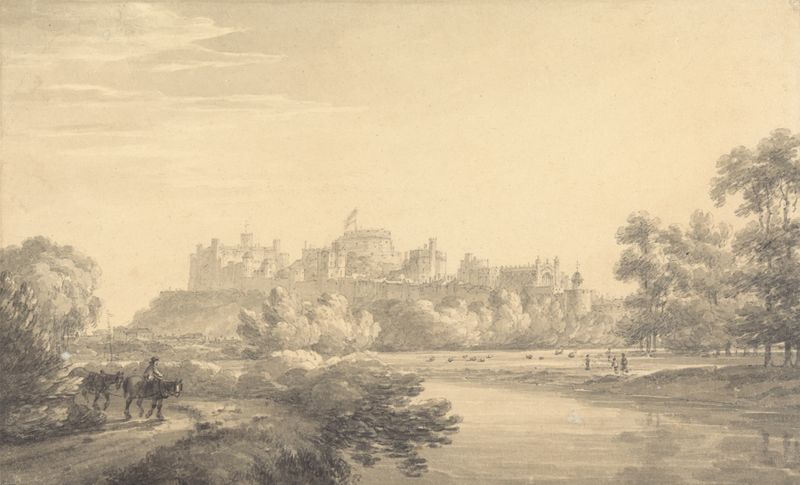
Windsor Castle
Thomas Hearne
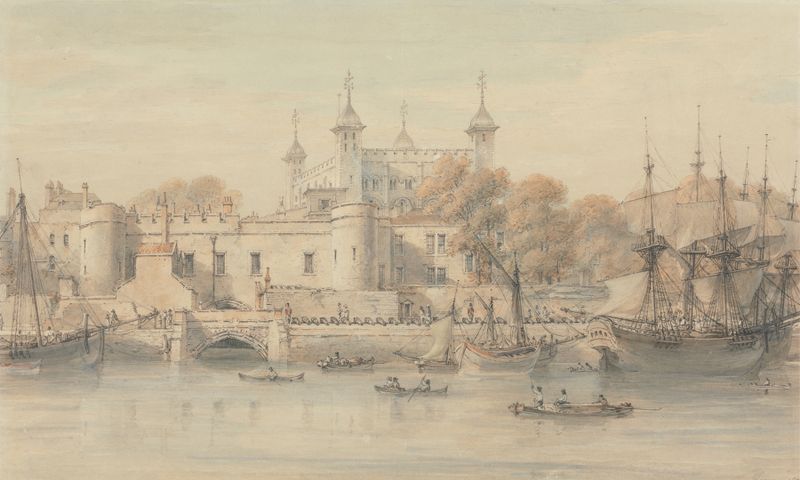
The Tower of London
Thomas Hearne
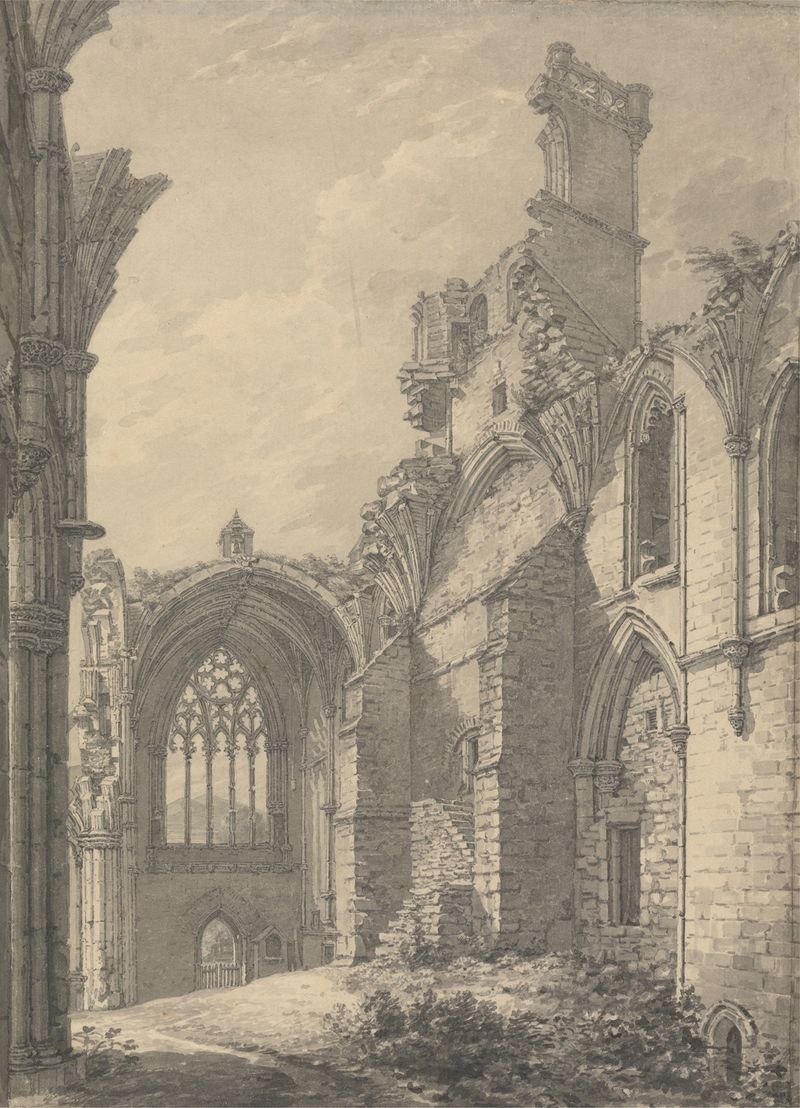
Transept of Melrose Abbey, 1778 Near Old Melrose on the River Tweed, Roxburgh
Thomas Hearne
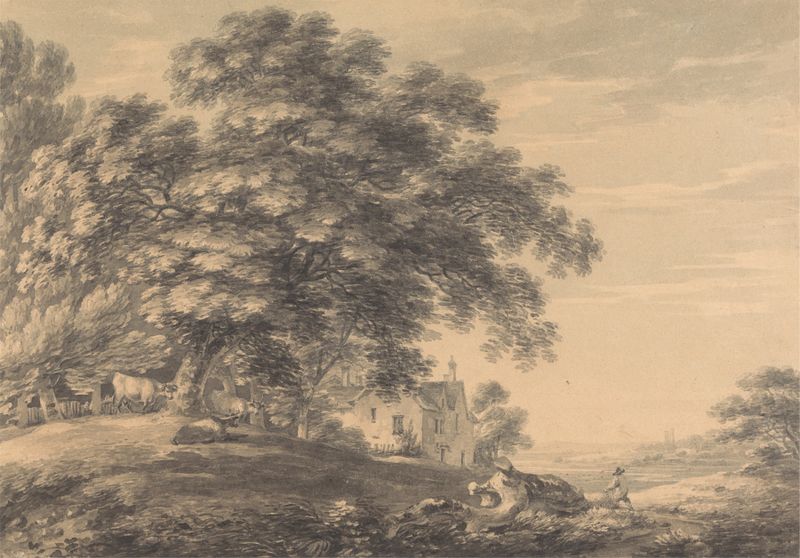
Landscape
Thomas Hearne
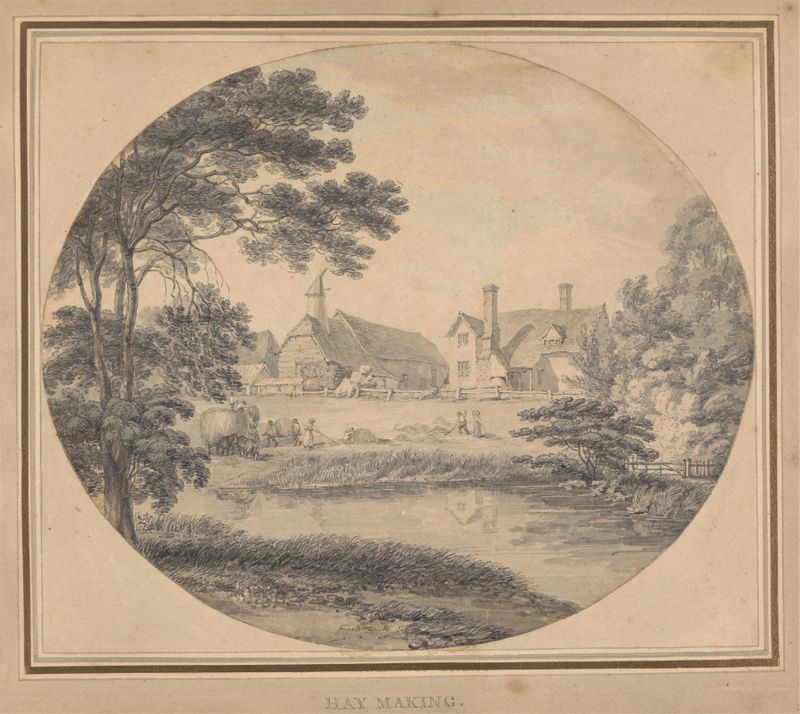
Haymaking
Thomas Hearne

Castle Acre Priory
Thomas Hearne
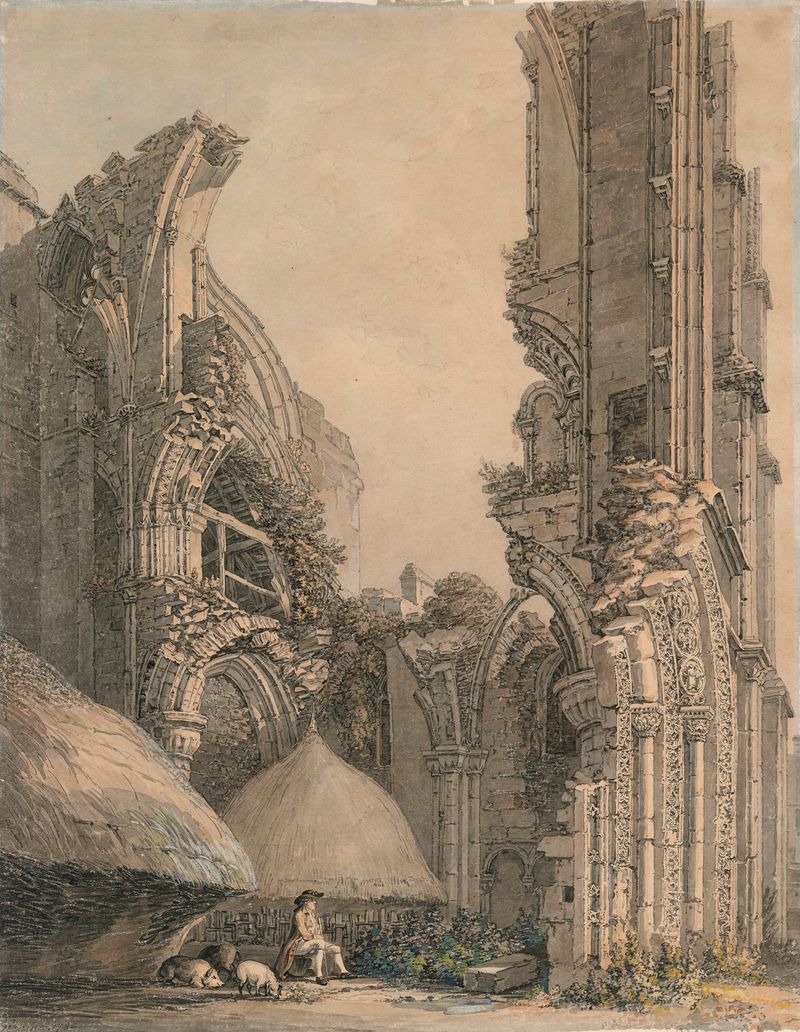
The Ruins of Malmesbury Abbey, Somerset, from the West Front (ill. for ‘The Antiquities of Great Britan’ 1807)
Thomas Hearne





