
The triumph of Mordecai — History & Facts
In a moment suspended between dread and hope, the grand hall reverberates with tension. A regal figure stands at the center, a scroll in hand, while a throng of captivated listeners surrounds him, their faces a tapestry of astonishment and reverence. Light cascades from above, illuminating the central figure of Mordecai, casting shadows that seem to whisper of divine intervention and the weight of destiny. Look to the left at the intricate details of the ornate garments worn by the spectators, rich in hues of deep crimson and gold.
Their varied expressions—some fearful, others emboldened—draw your gaze further into the scene. Notice how the interplay of light and shadow creates a three-dimensional depth, giving life to the figures. The atmospheric quality of the chiaroscuro not only enhances the drama but also signifies the moral struggle intrinsic to the narrative. At the heart of this work lies a profound exploration of faith and justice.
The contrast between Mordecai’s steadfast posture and the uncertainty reflected in the faces of onlookers suggests a moment of divine purpose at play. Every gesture carries weight, from the slight lean forward of a curious listener to the raised hands of those pleading for mercy; together, they weave a complex tapestry of human emotion framed by the impending revelation of truth. Painted in the early 1640s, this piece emerged during a transformative period in Rembrandt's career as he delved deeper into biblical subjects. Living in Amsterdam, he was influenced by the Reformation and the rich tradition of storytelling through art.
This era marked his experimentation with light and composition, capturing not only the essence of his subjects but also their innate humanity, establishing his legacy as a master of emotional depth.
More Artworks by Rembrandt van Rijn
Browse all →
The Night Watch Militia Company of District II under the Command of Captain Frans Banninck Cocq
Rembrandt van Rijn

The Return of the Prodigal Son
Rembrandt van Rijn

The Hundred Guilder Print: the figures leaning on the wall in the centre left
Rembrandt van Rijn

The Hundred Guilder Print: the central piece with Christ preaching, the plate arched
Rembrandt van Rijn

Isaac and Rebecca, Known as ‘The Jewish Bride’
Rembrandt van Rijn
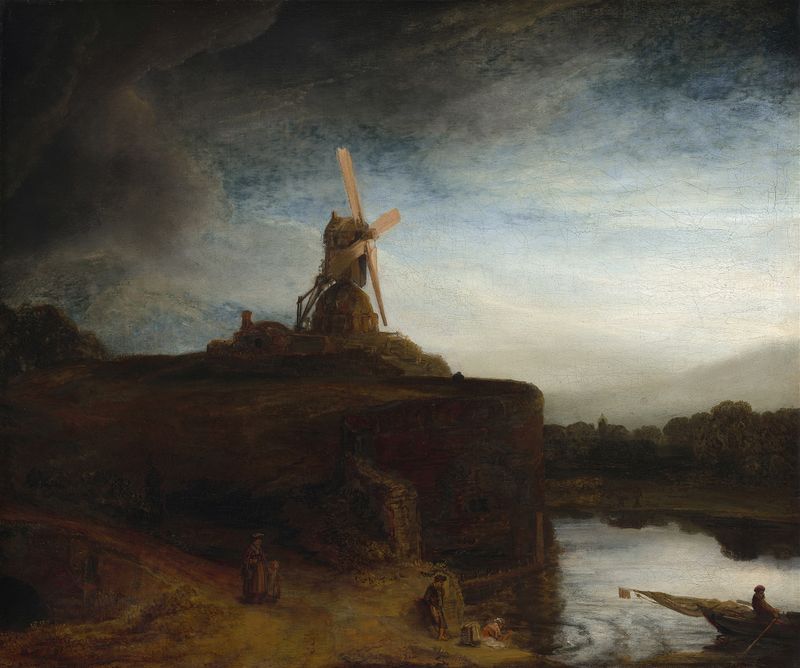
The Mill
Rembrandt van Rijn

The Sampling Officials of the Amsterdam Drapers’ Guild, Known as ‘The Syndics’
Rembrandt van Rijn

The return of the prodigal son
Rembrandt van Rijn
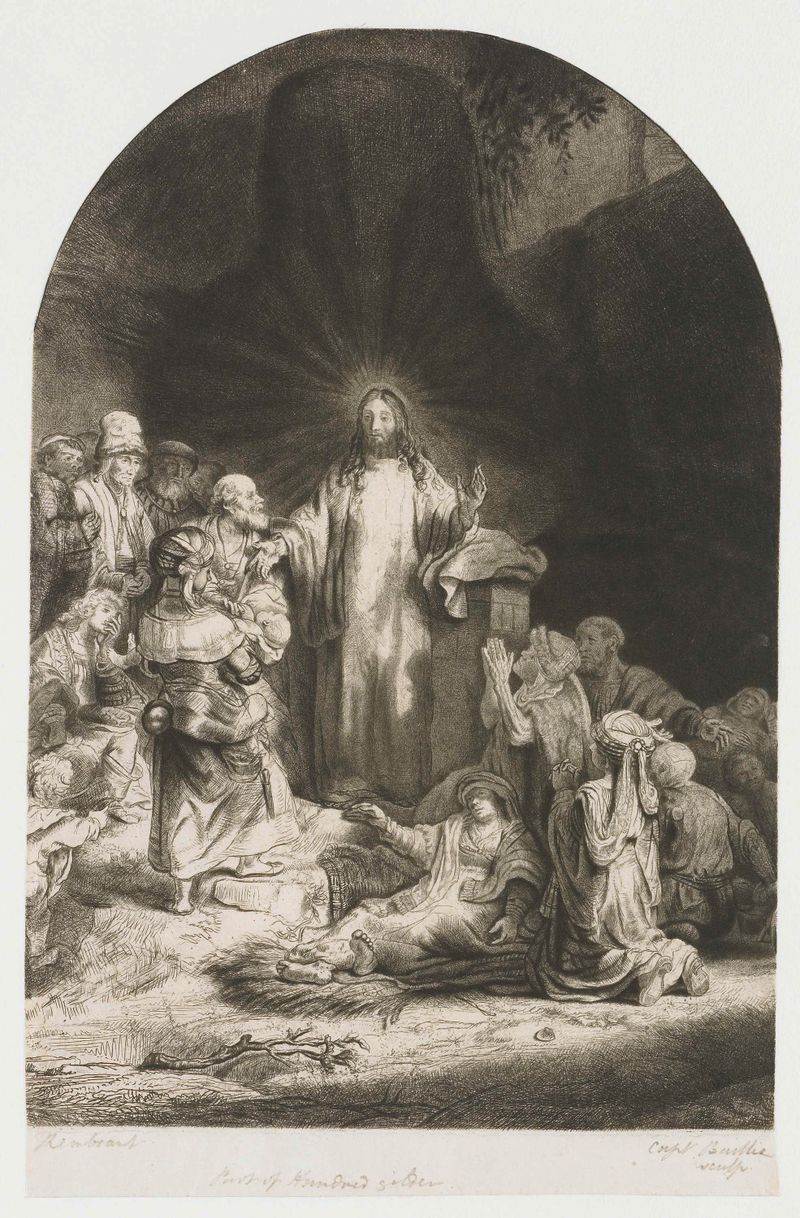
The Hundred Guilder Print: the central piece with Christ preaching, the plate arched
Rembrandt van Rijn

The Hundred Guilder Print: the man seen on the back in the lower left corner
Rembrandt van Rijn
More Historical Art
Browse all →The Night Watch Militia Company of District II under the Command of Captain Frans Banninck Cocq
Rembrandt van Rijn

Lincoln Memorial
Henry Bacon

The Third of May 1808
Francisco de Goya
Isaac and Rebecca, Known as ‘The Jewish Bride’
Rembrandt van Rijn

The Charge of the Mamelukes (1814)
Francisco de Goya

De vier ruiters van de apocalyps
Albrecht Dürer