
The triumph of Mordecai — History & Facts
Amidst a grand hall, a figure stands, regal yet solitary, cloaked in deep hues of crimson and gold. The light cascades from a large window, illuminating Mordecai’s face, etched with a complex blend of triumph and isolation. Around him, the shadows of courtiers loom, their expressions a mixture of admiration and envy, amplifying the tension in this moment of unexpected glory. Look closely at the folds of Mordecai's robe, each brushstroke a testament to Rembrandt's masterful technique.
The warm, rich reds contrast starkly against the cooler, muted tones of the background, guiding your gaze directly to the central figure. Notice the play of light on his forehead, highlighting the deep contemplation in his eyes, and how the darker areas around him serve to accentuate his solitude amidst the celebration. The loneliness of triumph pulses within the canvas. While Mordecai stands elevated, his stance exudes both pride and a profound awareness of the distance his victory has created.
The surrounding figures, though attentive, are shadowy and indistinct, symbolizing the isolation that often accompanies personal success. This duality of joy and loneliness resonates deeply, capturing the essence of human experience in its most complex form. Created around 1641, this painting emerged during a remarkable period in Rembrandt's life, as he was grappling with the highs and lows of his burgeoning career. Living in Amsterdam, the artist was increasingly recognized for his evocative portrayals and dramatic use of light and shadow, a defining characteristic of his style.
The historical backdrop of a society in transition also informed his work, offering a rich tapestry of emotions that he brilliantly translated onto the canvas.
More Artworks by Rembrandt van Rijn
Browse all →
The Night Watch Militia Company of District II under the Command of Captain Frans Banninck Cocq
Rembrandt van Rijn

The Return of the Prodigal Son
Rembrandt van Rijn

The Hundred Guilder Print: the figures leaning on the wall in the centre left
Rembrandt van Rijn

The Hundred Guilder Print: the central piece with Christ preaching, the plate arched
Rembrandt van Rijn

Isaac and Rebecca, Known as ‘The Jewish Bride’
Rembrandt van Rijn
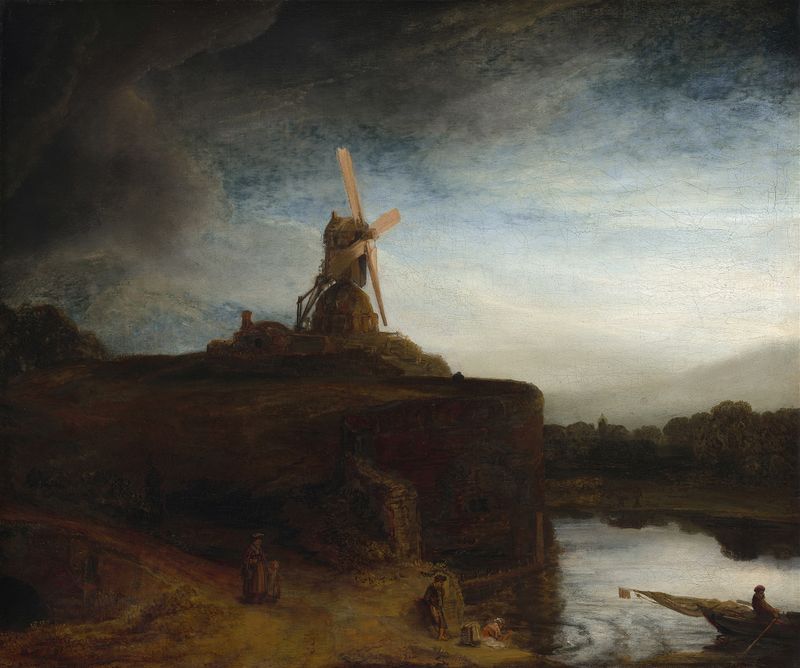
The Mill
Rembrandt van Rijn

The Sampling Officials of the Amsterdam Drapers’ Guild, Known as ‘The Syndics’
Rembrandt van Rijn

The return of the prodigal son
Rembrandt van Rijn
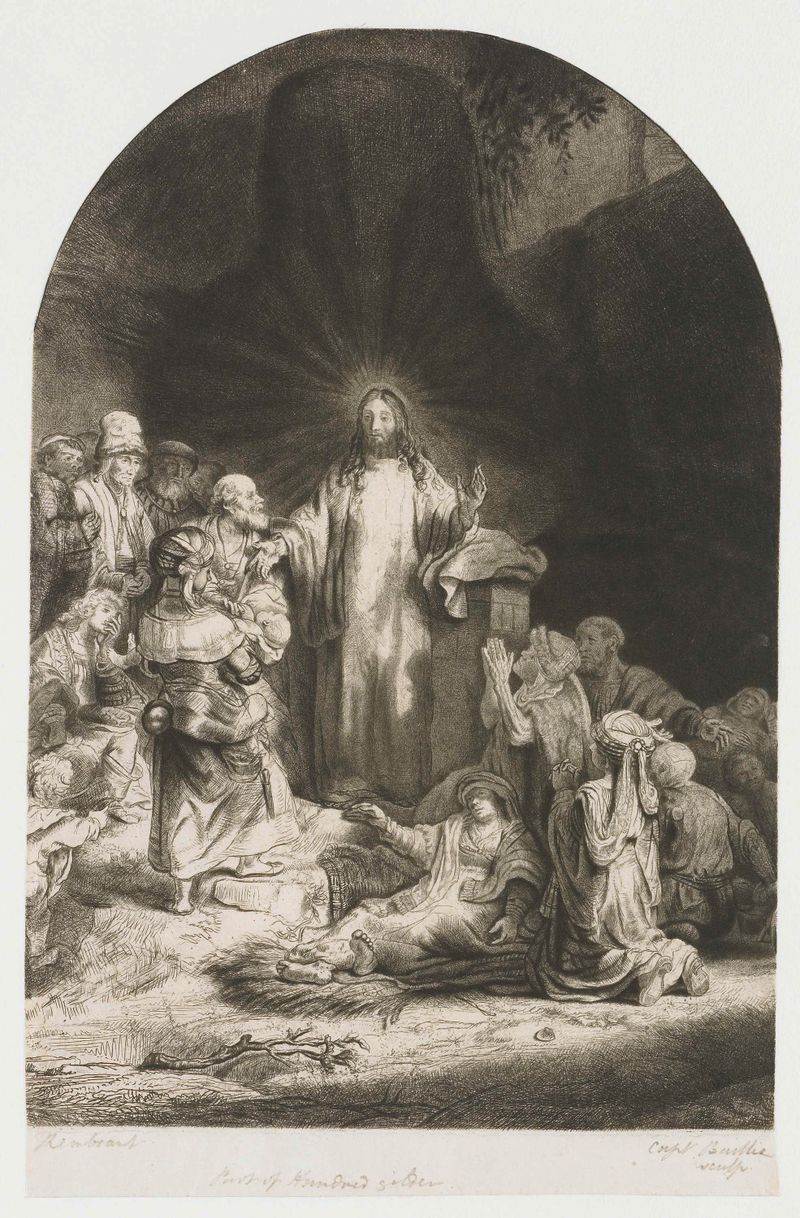
The Hundred Guilder Print: the central piece with Christ preaching, the plate arched
Rembrandt van Rijn

The Hundred Guilder Print: the man seen on the back in the lower left corner
Rembrandt van Rijn
More Historical Art
Browse all →The Night Watch Militia Company of District II under the Command of Captain Frans Banninck Cocq
Rembrandt van Rijn

Lincoln Memorial
Henry Bacon

The Third of May 1808
Francisco de Goya
Isaac and Rebecca, Known as ‘The Jewish Bride’
Rembrandt van Rijn

The Charge of the Mamelukes (1814)
Francisco de Goya

De vier ruiters van de apocalyps
Albrecht Dürer