
Discover insights about this artwork
The Triumphal Arch of Philip — History & Facts
In The Triumphal Arch of Philip, Peter Paul Rubens presents a grand architectural structure adorned with intricate details. The painting features a dynamic arrangement of figures, including soldiers, dignitaries, and celebrants, all engaged in a moment of triumph. The color palette is rich, with deep reds, golds, and earthy tones that enhance the sense of grandeur.
The setting appears to be a festive occasion, celebrating a significant victory or event. The painting is executed in oil on canvas, a common medium for Rubens, allowing for vibrant colors and detailed textures. The dimensions are approximately 150 x 200 cm, making it a large-scale work that commands attention. The composition is dynamic, with figures arranged in a way that leads the viewer's eye through the scene.
The use of light and shadow adds depth, emphasizing the three-dimensionality of the figures and architecture. Peter Paul Rubens was a leading figure of the Baroque movement, known for his energetic compositions and vivid colors. This work, created in the early 1620s, reflects his interest in celebrating historical events through art. An interesting fact about this painting is that it was commissioned to commemorate a specific triumph, showcasing Rubens' ability to blend history with artistic expression.
The painting remains a significant example of Baroque art, highlighting the grandeur and drama characteristic of the period.
More Artworks by Peter Paul Rubens
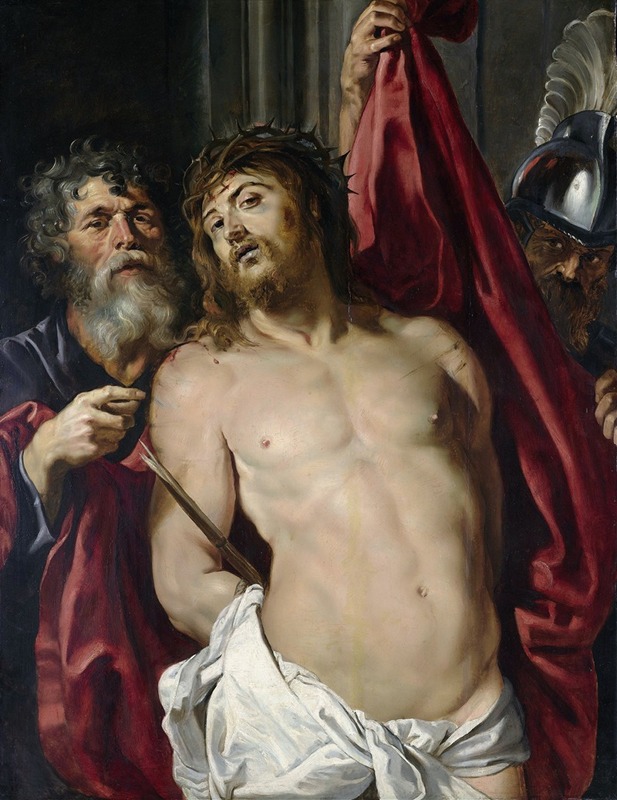
Ecce homo
Peter Paul Rubens
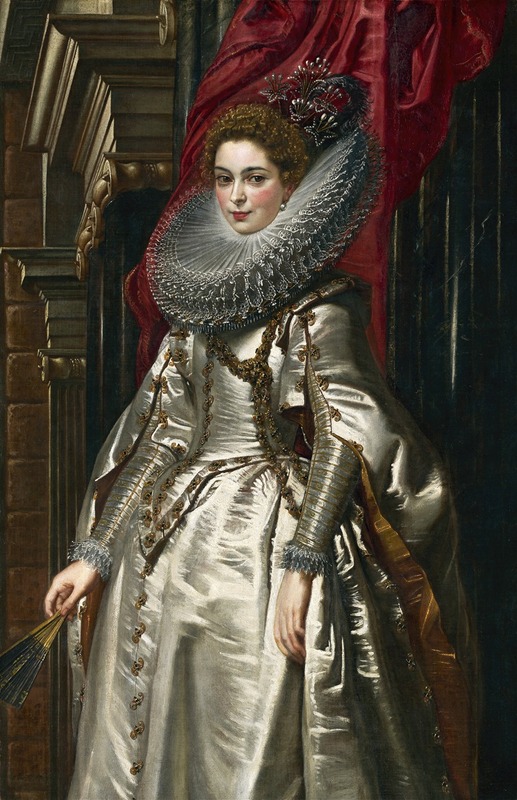
Marchesa Brigida Spinola Doria
Peter Paul Rubens
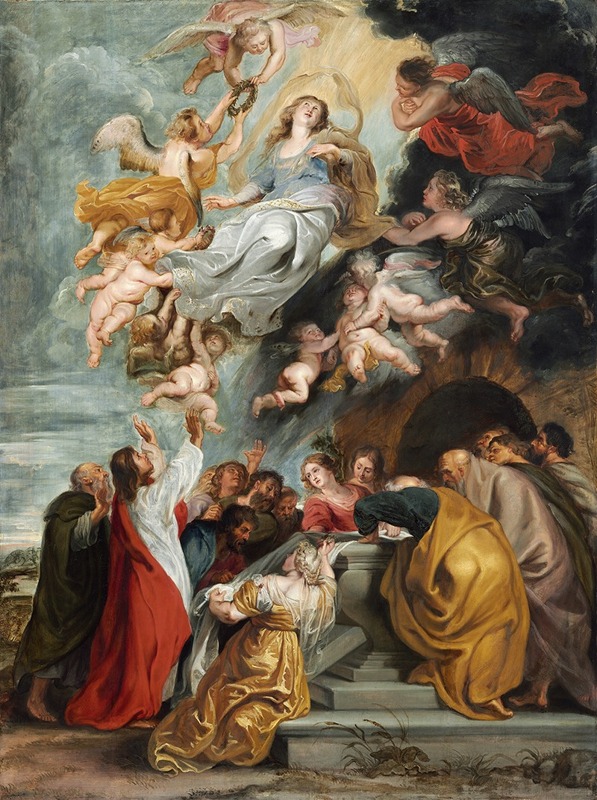
The Assumption of the Virgin
Peter Paul Rubens

Saint Teresa of Ávila Interceding for Souls in Purgatory
Peter Paul Rubens
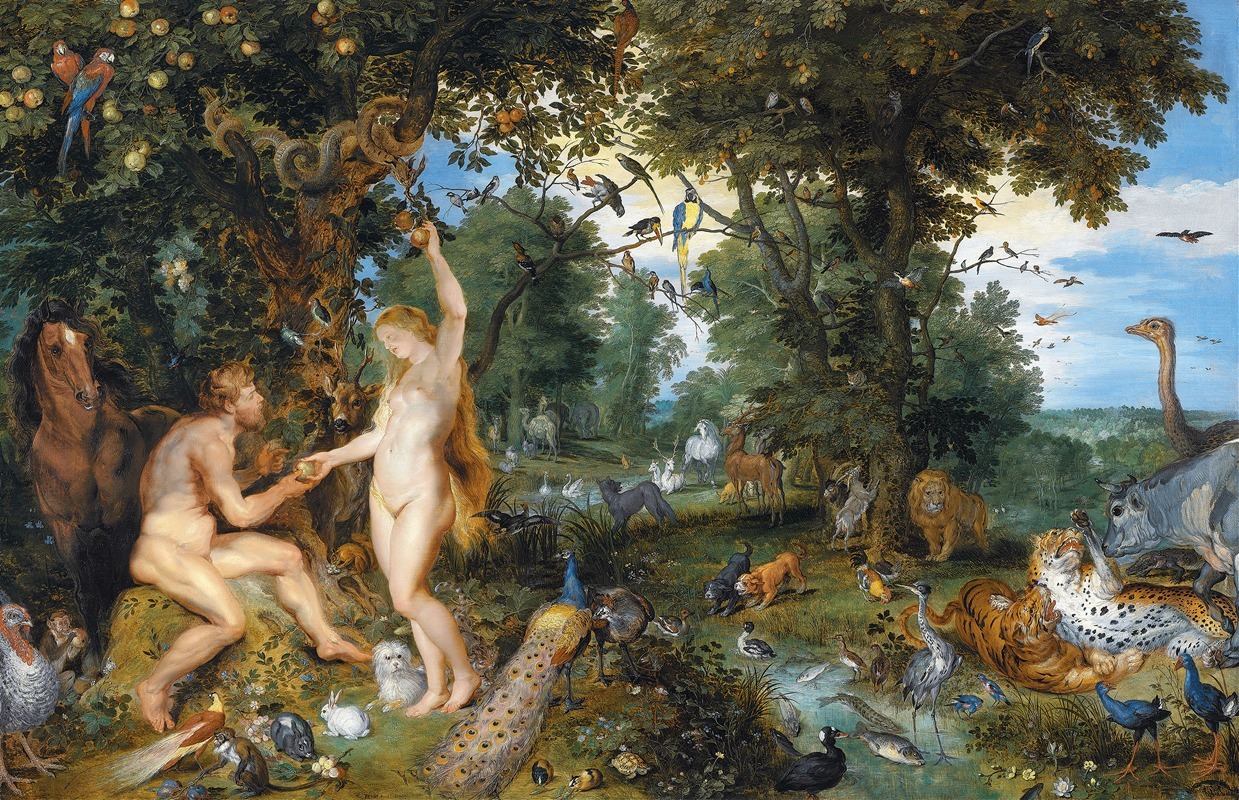
The Garden of Eden with the Fall of Man
Peter Paul Rubens
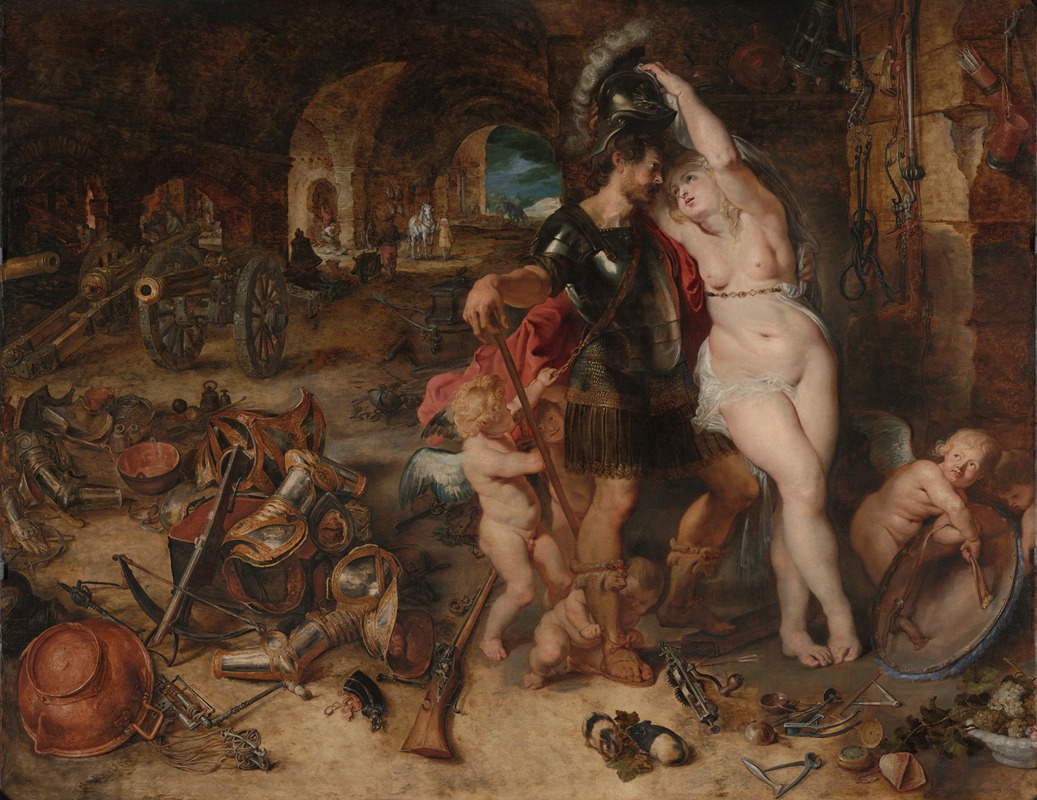
The Return From War,Mars Disarmed By Venus
Peter Paul Rubens
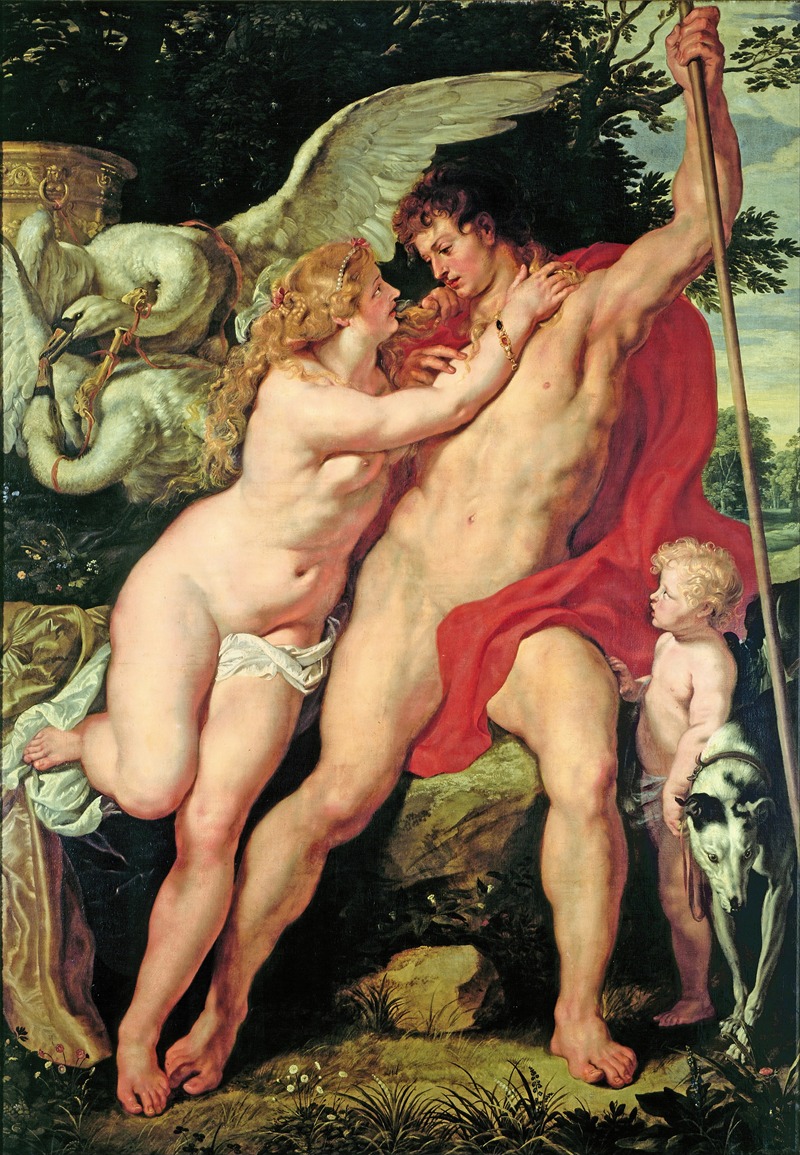
Venus and Adonis
Peter Paul Rubens
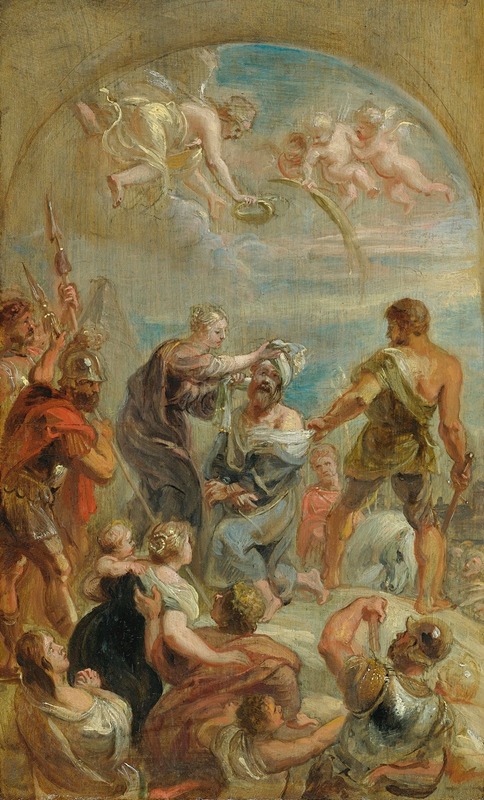
The Martyrdom Of Saint Paul
Peter Paul Rubens
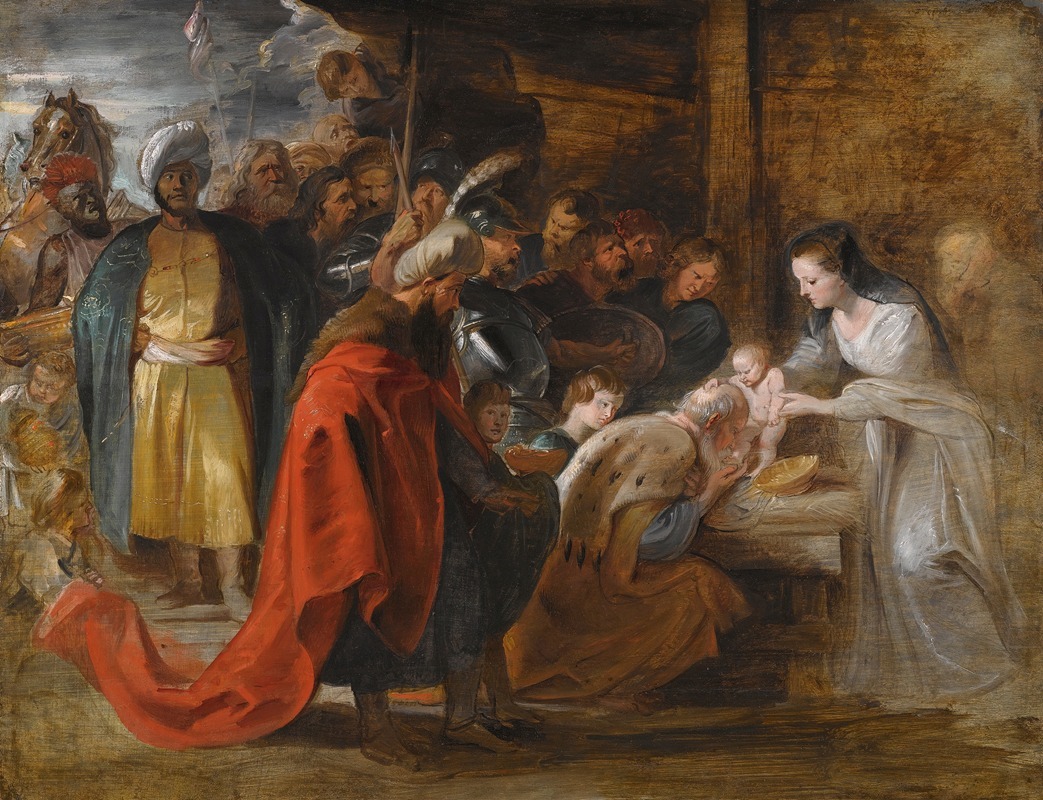
The Adoration Of The Magi
Peter Paul Rubens
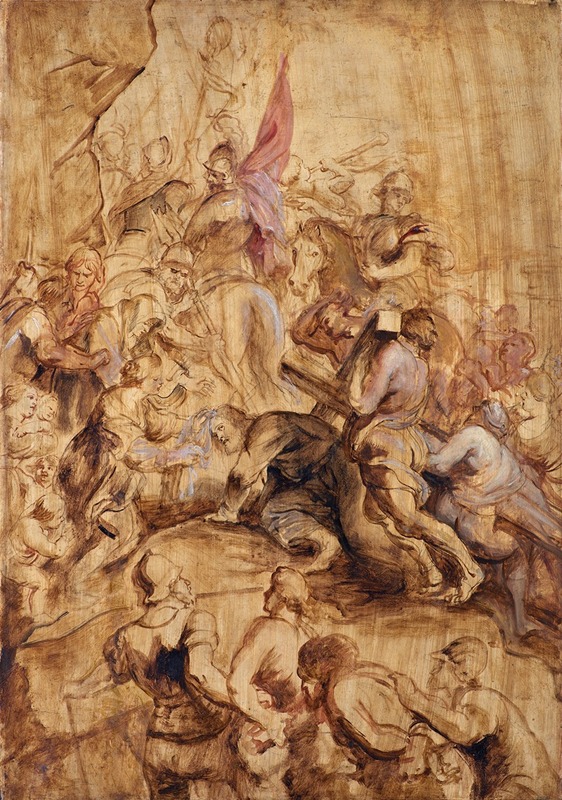
The Ascent to Calvary. The Bearing of the Cross
Peter Paul Rubens
More Historical Art
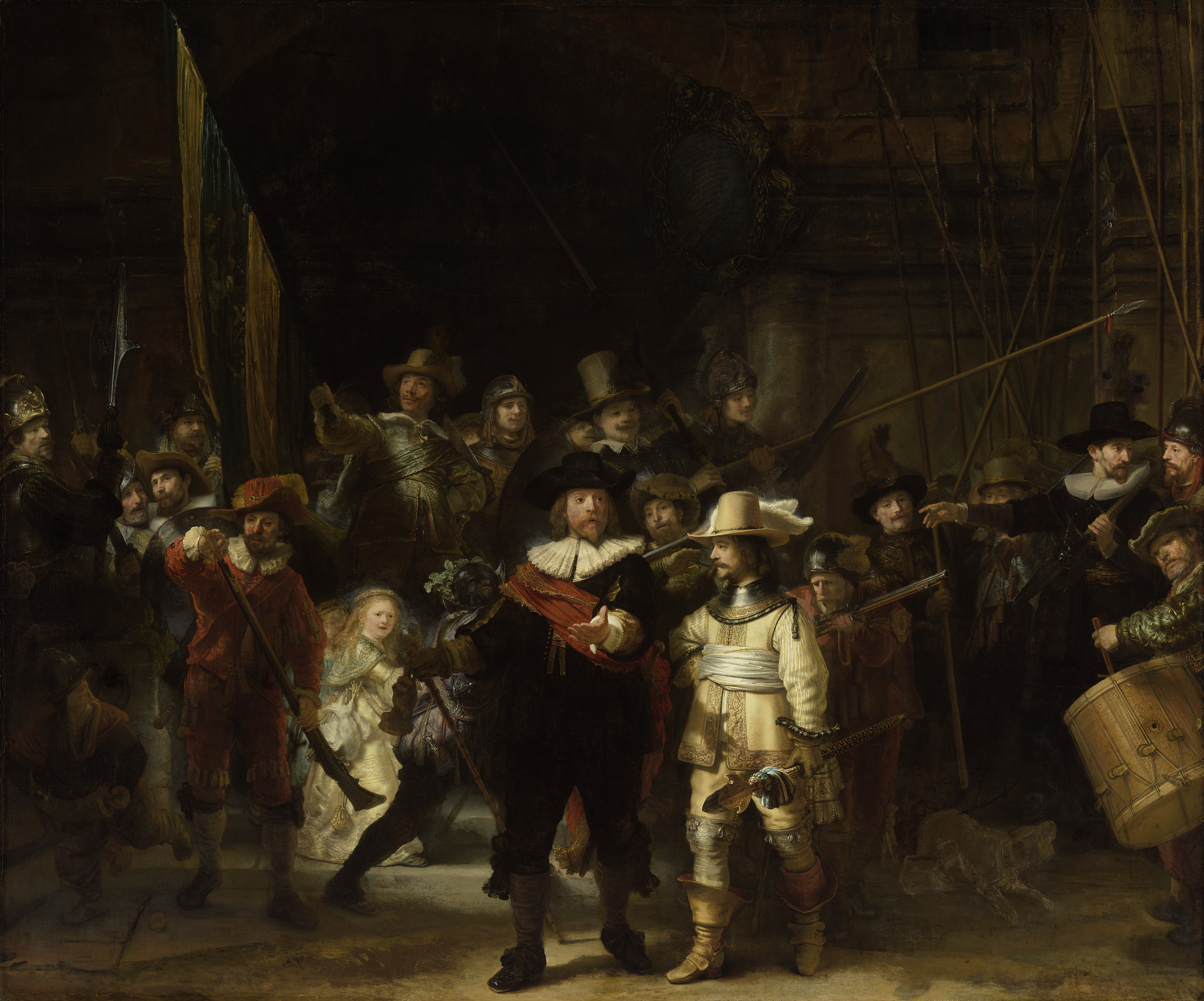
The Night Watch Militia Company of District II under the Command of Captain Frans Banninck Cocq
Rembrandt van Rijn
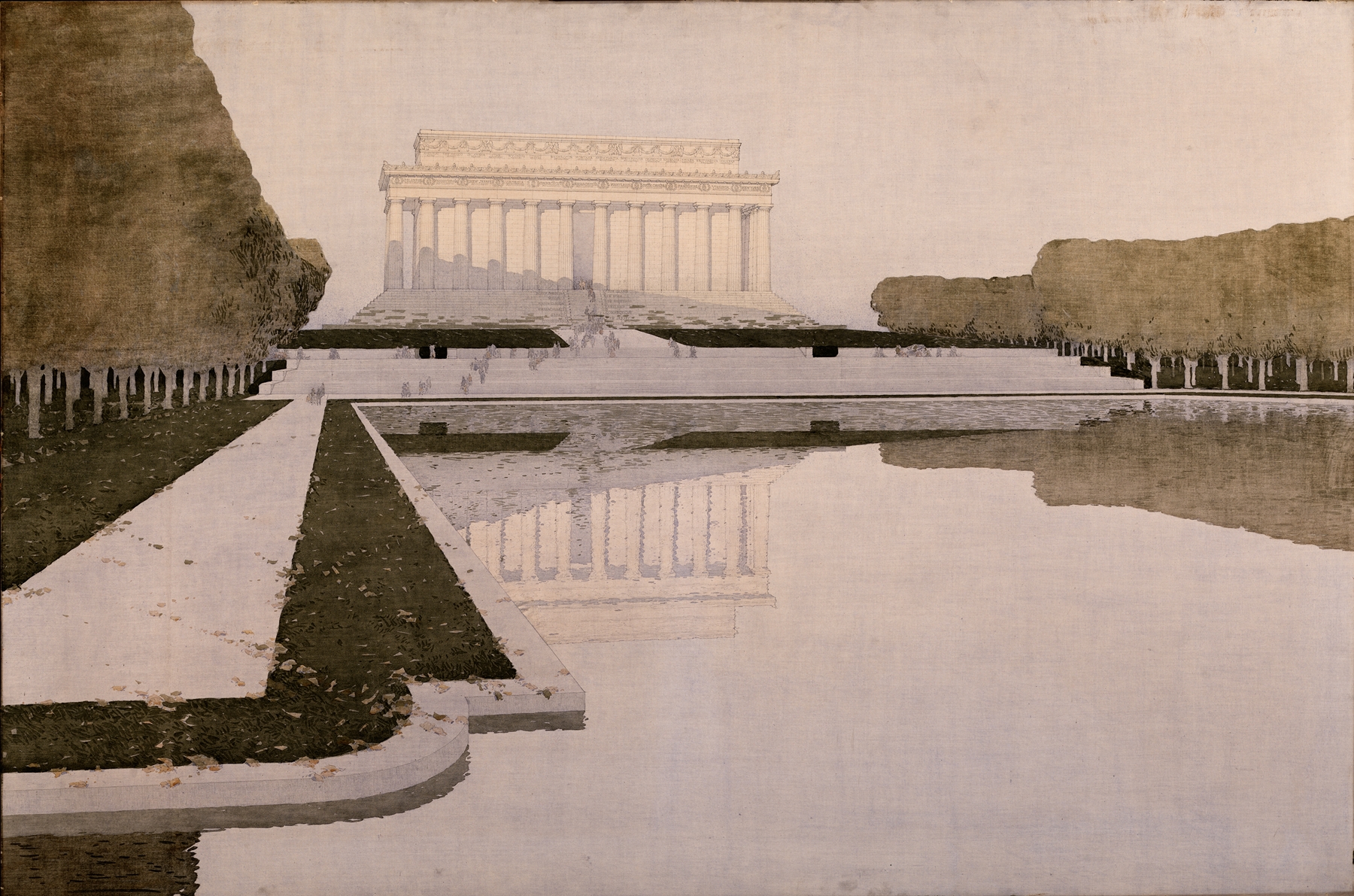
Lincoln Memorial
Henry Bacon
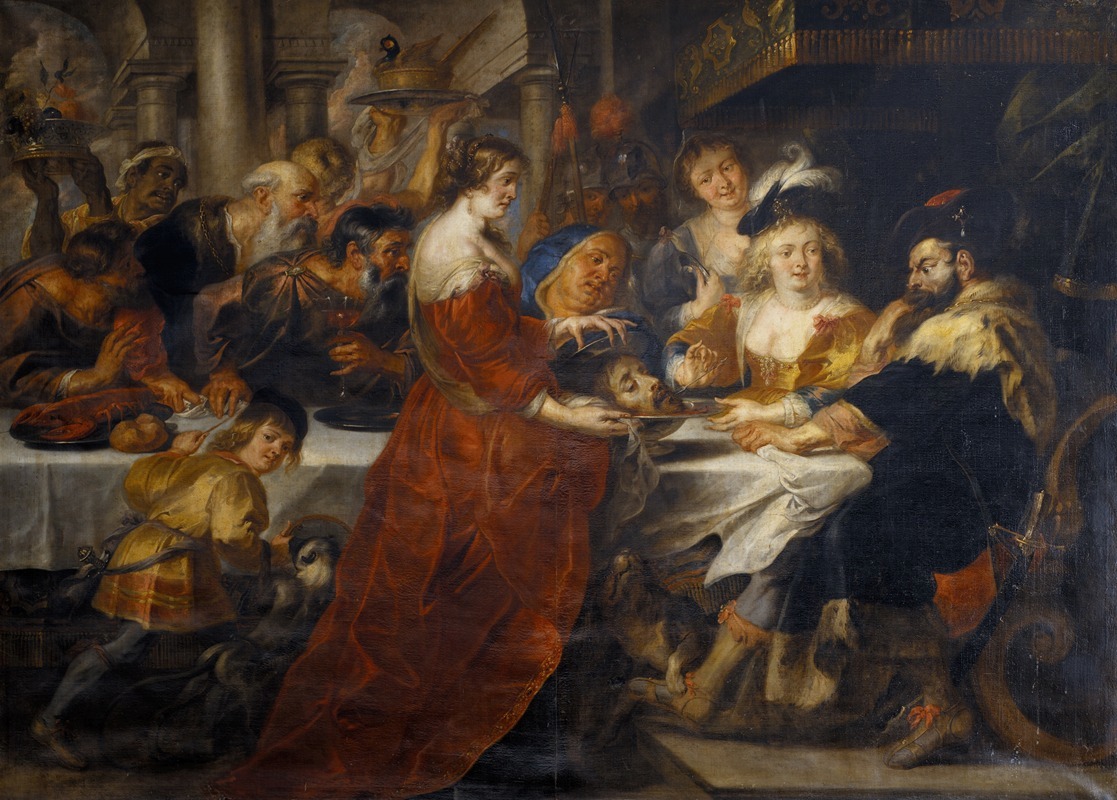
The Feast of Herod. Salome Bringing the Head of St John the Baptist on a Charger
Peter Paul Rubens
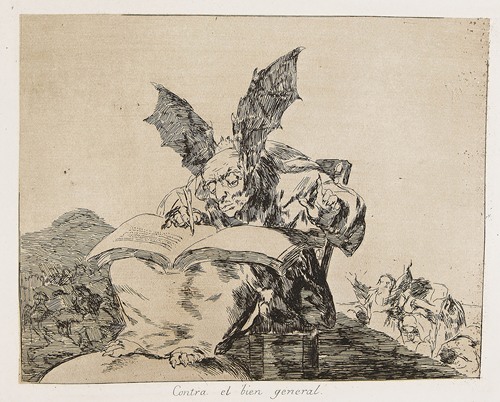
Los desastres de la guerra
Francisco de Goya
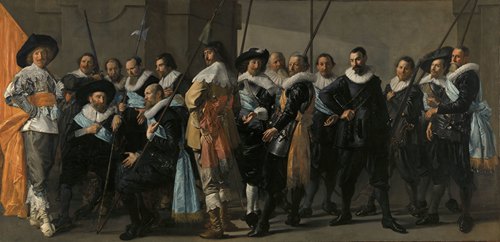
Militia Company of District XI under the Command of Captain Reynier Reael, Known as ‘The Meagre Company’
Frans Hals
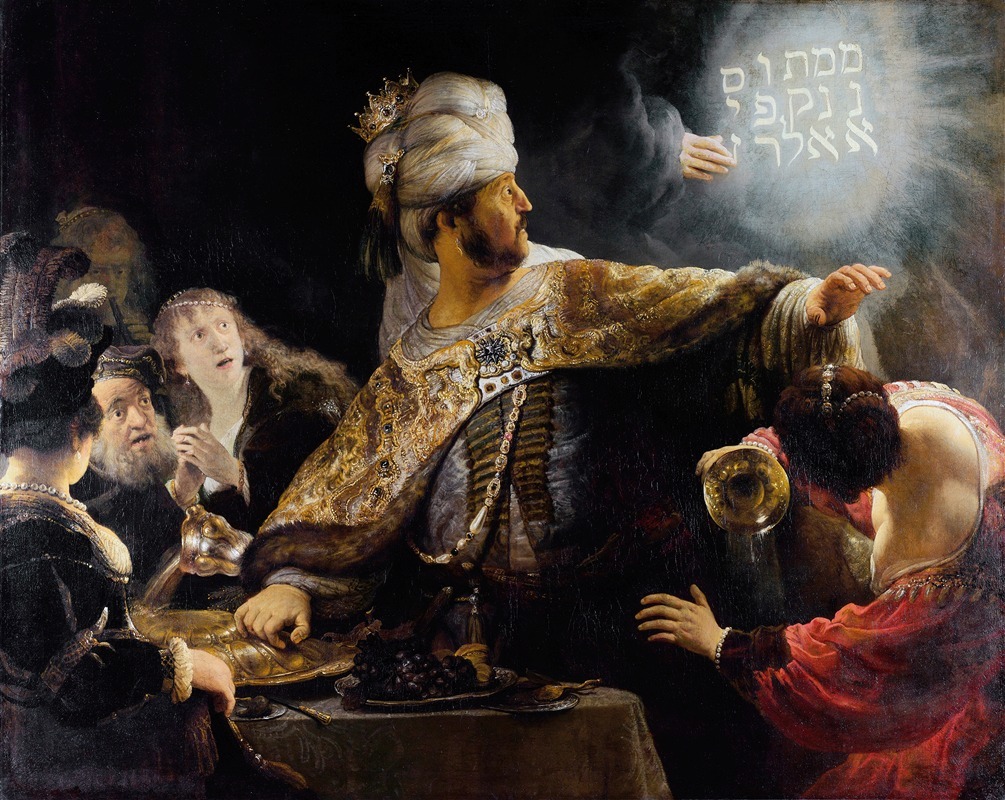
Belshazzar’s feast
Rembrandt van Rijn