
The Two Disciples at the Tomb — History & Facts
Could a single brushstroke hold eternity? In The Two Disciples at the Tomb, the weight of fear and uncertainty hangs palpably in the air, challenging the viewer to confront the profundity of loss. Look to the left at the two figures poised at the entrance of the empty tomb. Their dark robes contrast starkly with the luminescent glow emanating from within, where the light seems to beckon with both promise and dread. Notice how Tanner employs soft, muted tones that evoke a sense of solemnity, while the play of light across the stone creates a vivid tension, as if the very air vibrates with unspoken questions.
The composition draws the eye inward, inviting contemplation as we delve into the depths of the scene. The fear embodied in the disciples’ expressions reveals a profound emotional dichotomy: awe mingled with trepidation. The uncertainty of resurrection hangs over them, a transformative moment that is as daunting as it is miraculous. Tanner’s subtle use of shadow not only accentuates their features but also symbolizes the struggle between faith and doubt, urging us to reflect on our own beliefs in the face of the unknown. Painted around 1906, this work emerged during a period of significant personal and artistic evolution for Tanner.
Living in Paris, he was navigating the complexities of being an African American artist while striving for recognition in a predominantly Eurocentric art world. This era, marked by burgeoning modernism, influenced his approach, blending traditional biblical themes with a modern sensitivity to light, emotion, and existential inquiry.
More Artworks by Henry Ossawa Tanner
Browse all →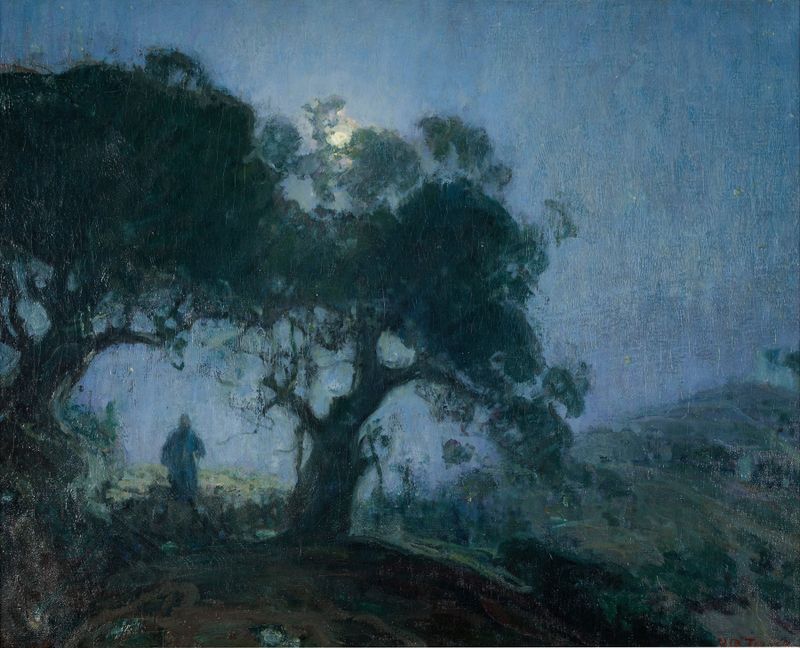
The Good Shepherd
Henry Ossawa Tanner
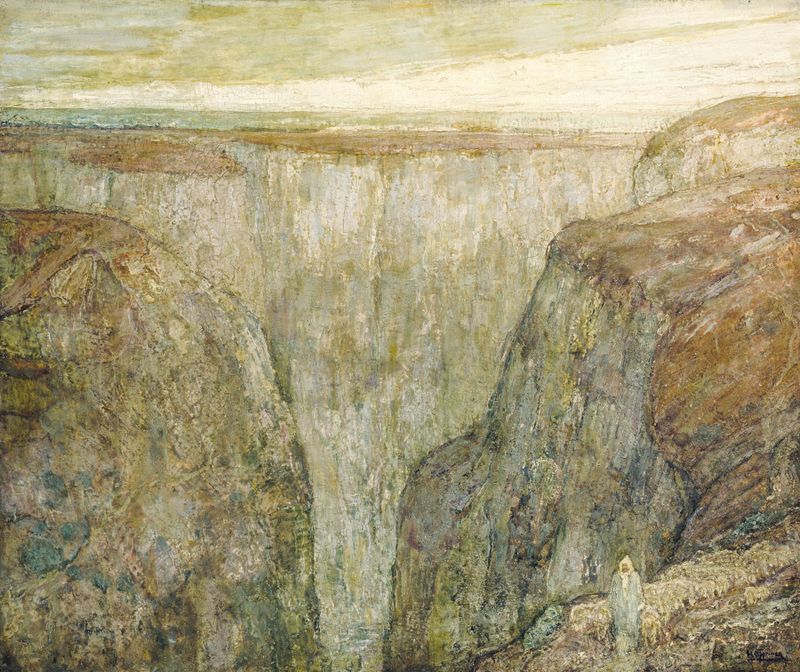
The Good Shepherd (Atlas Mountains, Morocco)
Henry Ossawa Tanner
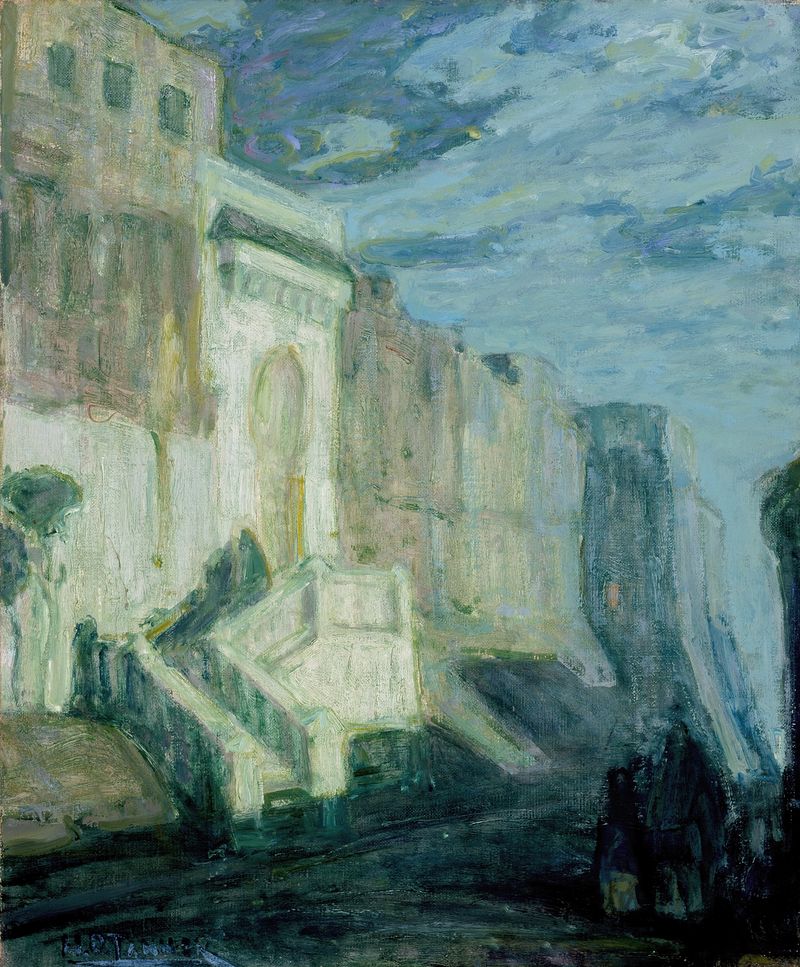
Moonlight; Walls of Tangiers
Henry Ossawa Tanner
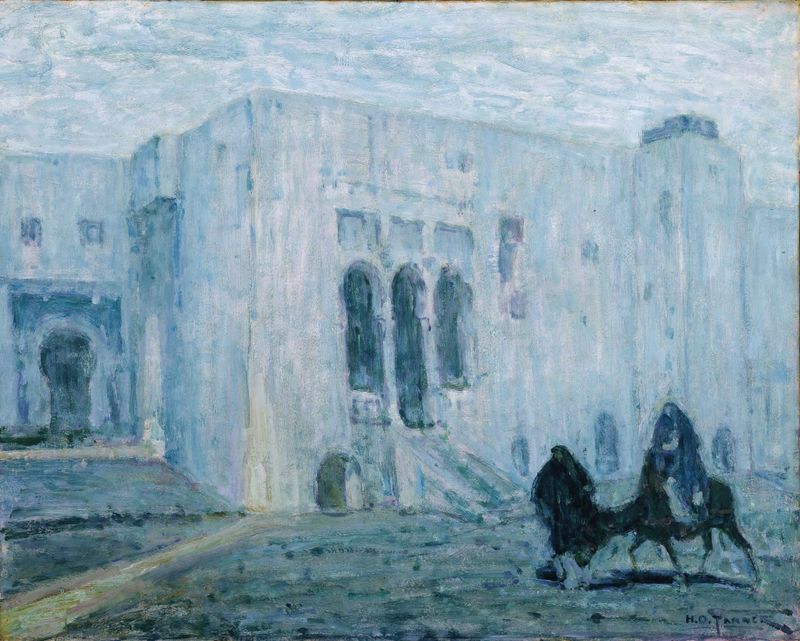
Palace of Justice, Tangier
Henry Ossawa Tanner
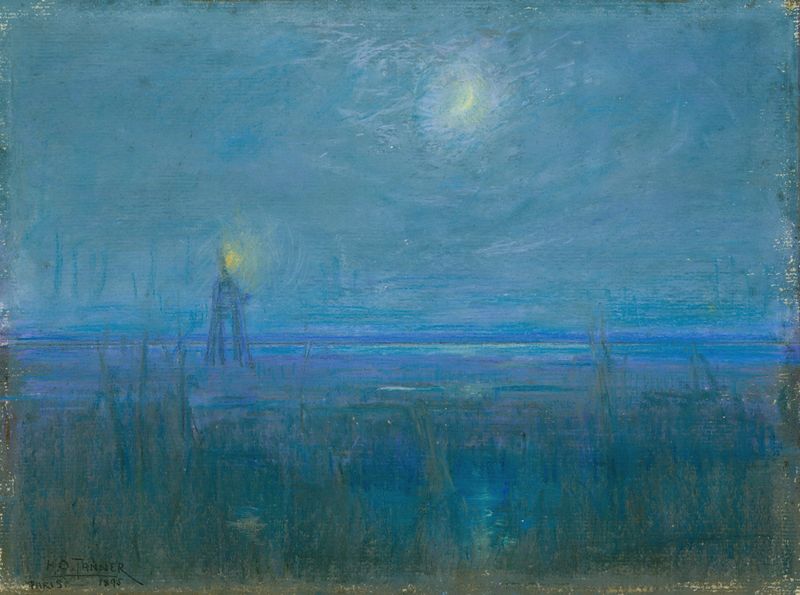
Marshes In New Jersey
Henry Ossawa Tanner
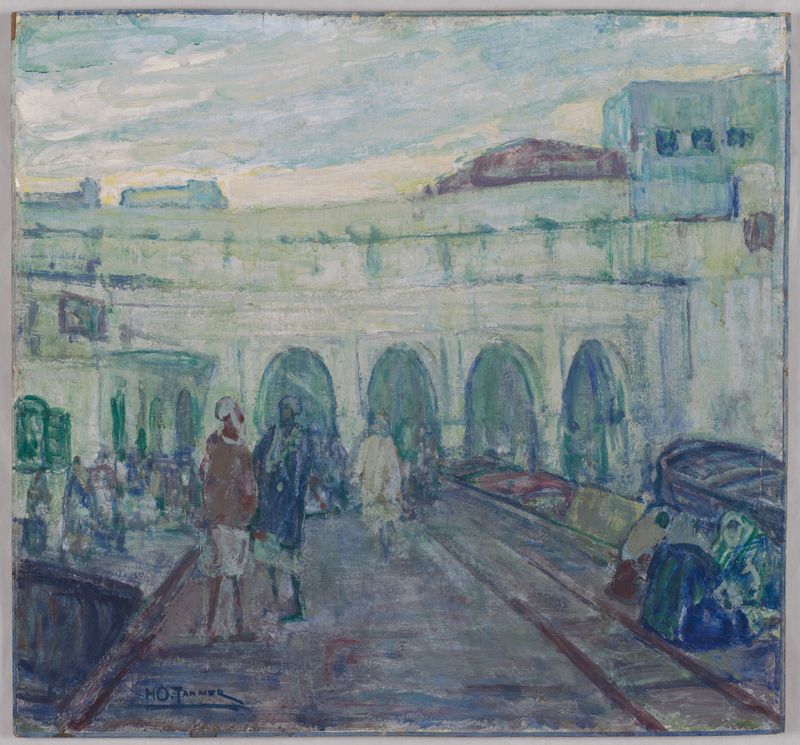
Port of Tangiers (Entrance to the Customs House)
Henry Ossawa Tanner
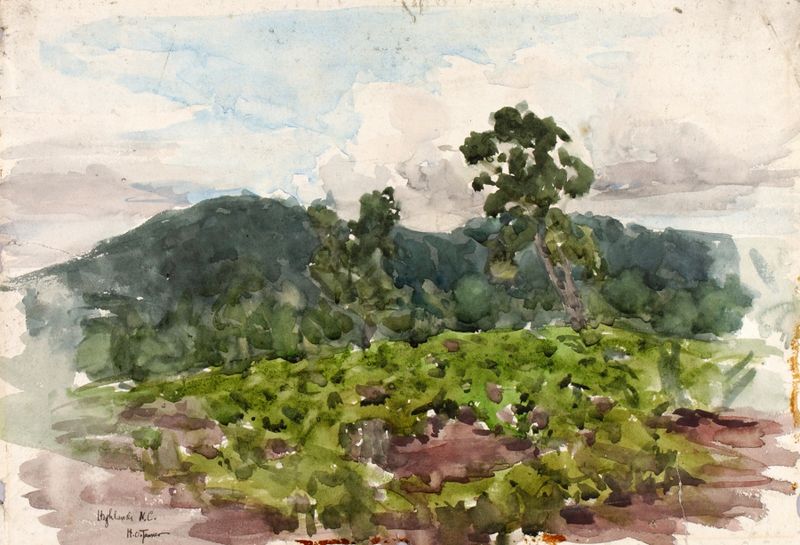
Highlands, N.C.
Henry Ossawa Tanner
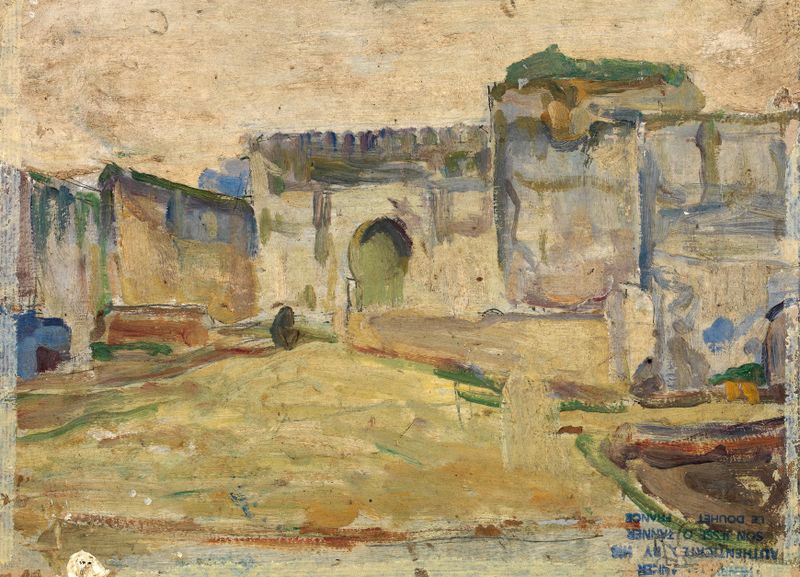
Street Scene, Tangier (Crenelated Architecture)
Henry Ossawa Tanner
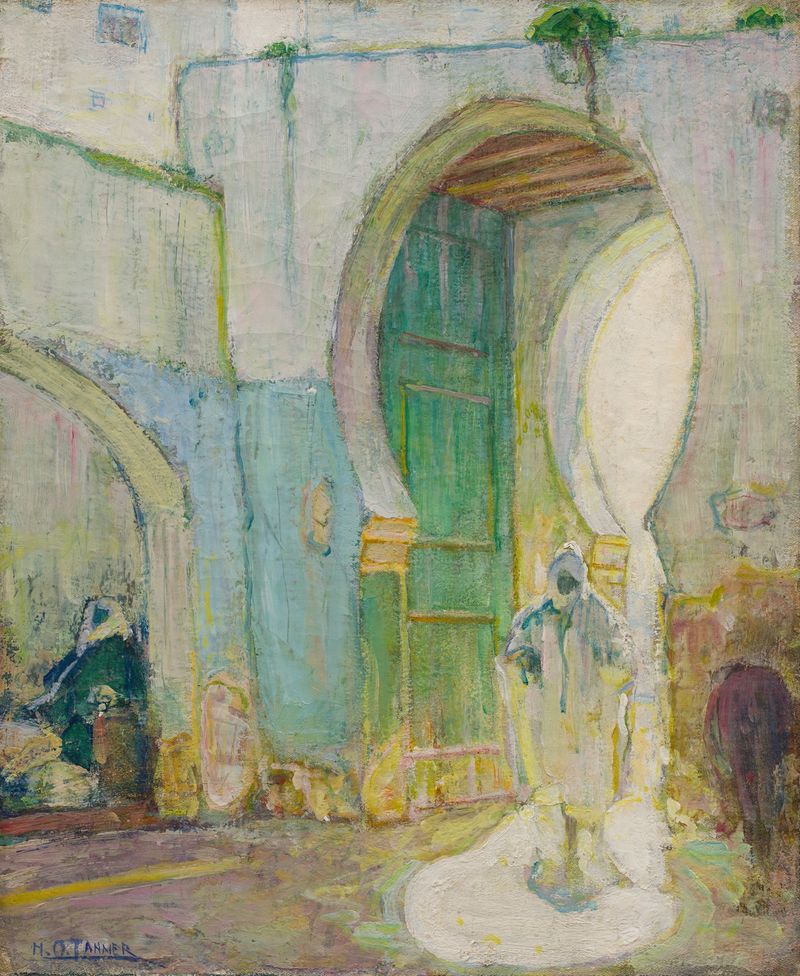
Gateway, Tangier
Henry Ossawa Tanner
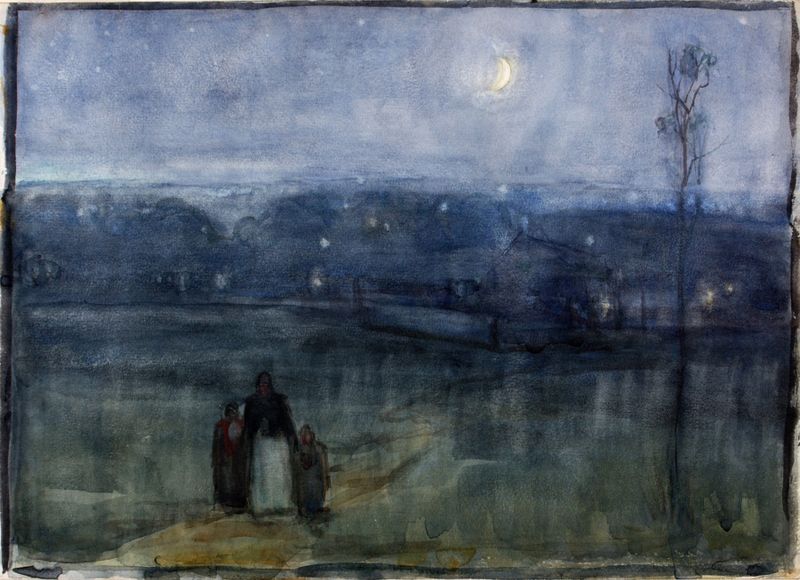
Kansas City, Kansas
Henry Ossawa Tanner
More Religious Art
Browse all →
The Return of the Prodigal Son
Rembrandt van Rijn

The Garden of Earthly Delights
El Bosco

Count Orgaz’ funeral
El Greco

The Hundred Guilder Print: the central piece with Christ preaching, the plate arched
Rembrandt van Rijn

The Descent from the Cross
Rogier van der Weyden

The return of the prodigal son
Rembrandt van Rijn