
The Valley of Arconville — History & Facts
When did color learn to lie? Beneath the radiant surface of The Valley of Arconville, vivid hues dance like whispers of a long-forgotten dream, beckoning us to question the truths we accept. Look to the left at the flowing river, its crystalline waters capturing the brilliance of the sunlight overhead. Notice how the painter’s brushstrokes breathe life into the lush greens and golden yellows of the valley, each stroke blending seamlessly into the next. The composition draws your eye along the path, inviting exploration through the serene landscape, while the gentle slope of the hills creates a soft horizon that promises both tranquility and the unknown. Beneath the tranquil beauty lies a contrasting tension, where the vibrant colors evoke both joy and a sense of longing.
The juxtaposition of the bright greenery against the shadowed areas suggests an interplay between the delight of nature and the deeper, unspoken emotions of the observer. The whispers of the valley weave a narrative of dreams lost and found, where the landscape becomes a mirror reflecting inner desires and ephemeral moments. Theodore Robinson created The Valley of Arconville in 1887, during his time spent in Giverny, France, where he was influenced by the Impressionist movement and his work with Claude Monet. This period marked a shift in Robinson's artistic approach, as he embraced the use of light and color to capture the essence of his surroundings, paralleling the broader transition in the art world towards embracing subjective experiences over strict realism.
More Artworks by Theodore Robinson
Browse all →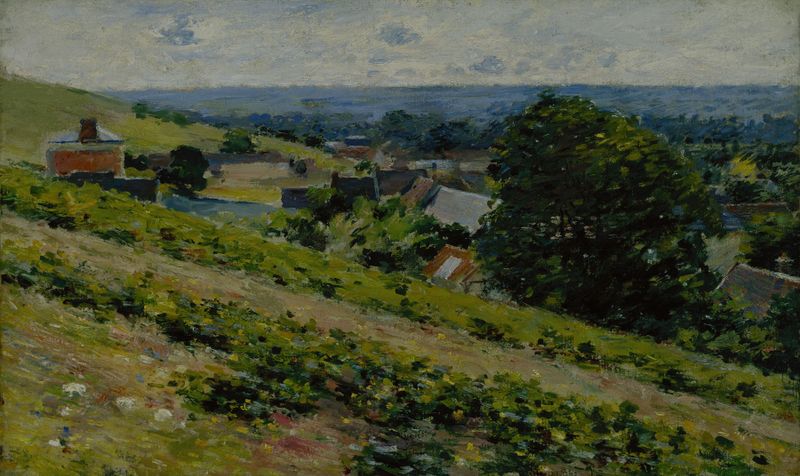
From the Hill, Giverny
Theodore Robinson

Giverny
Theodore Robinson

Old Church At Giverny
Theodore Robinson
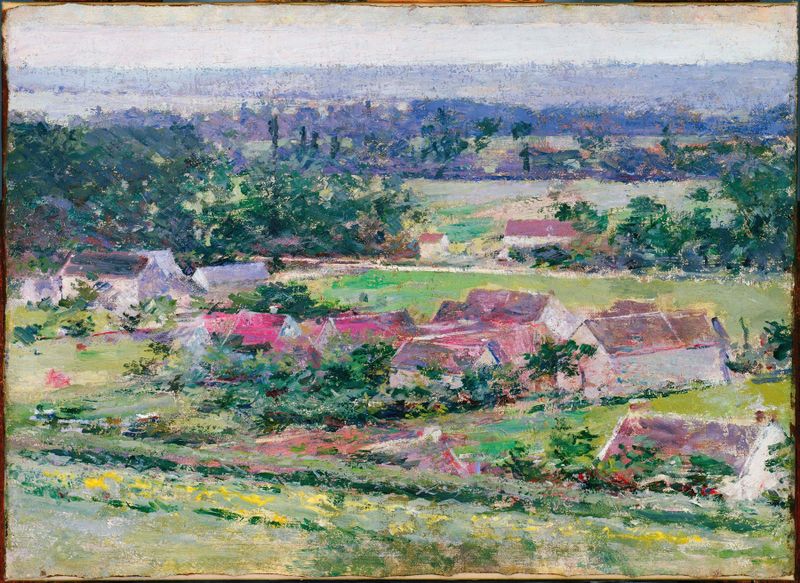
Giverny
Theodore Robinson
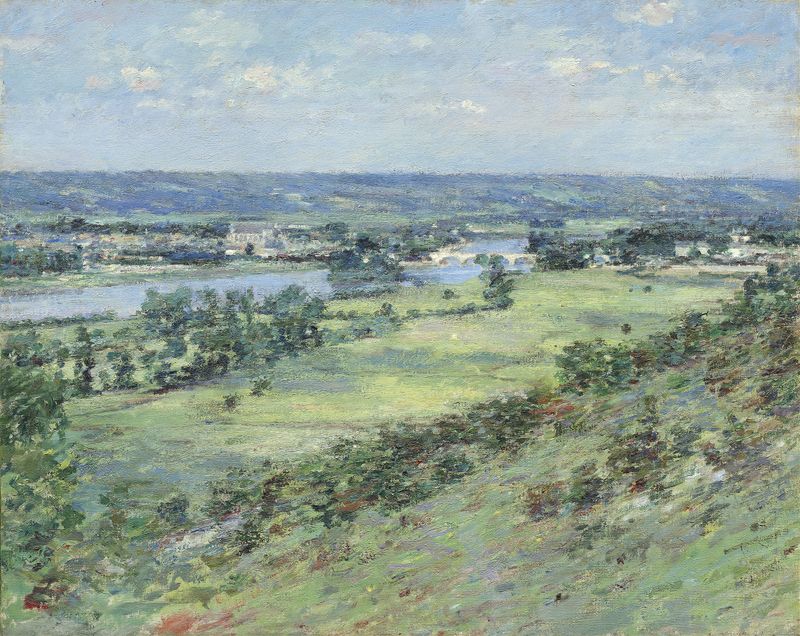
The Valley of the Seine,from the Hills of Giverny
Theodore Robinson
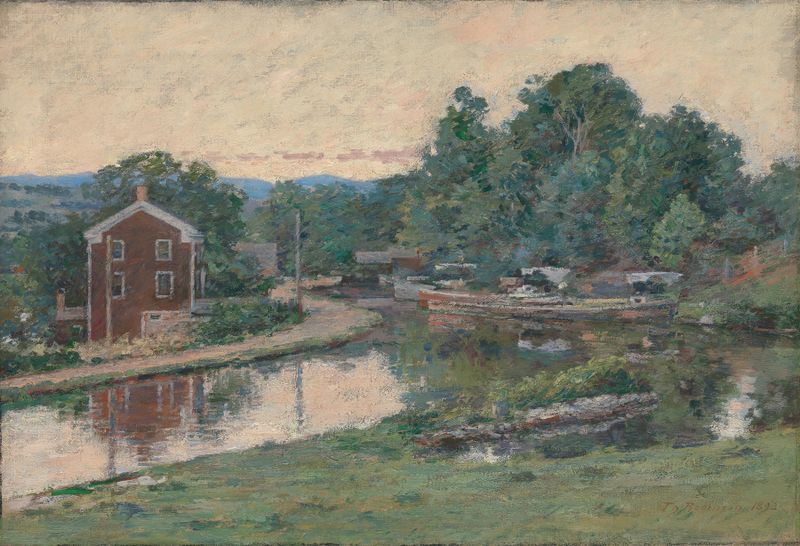
Evening at the Lock, Napanoch, New York
Theodore Robinson
Jamaica, Vermont
Theodore Robinson
The Bridge at Giverny
Theodore Robinson

House In Virginia
Theodore Robinson
Low Tide, Riverside Yacht Club
Theodore Robinson





