Discover insights about this artwork
The Vase of Tulips — History & Facts
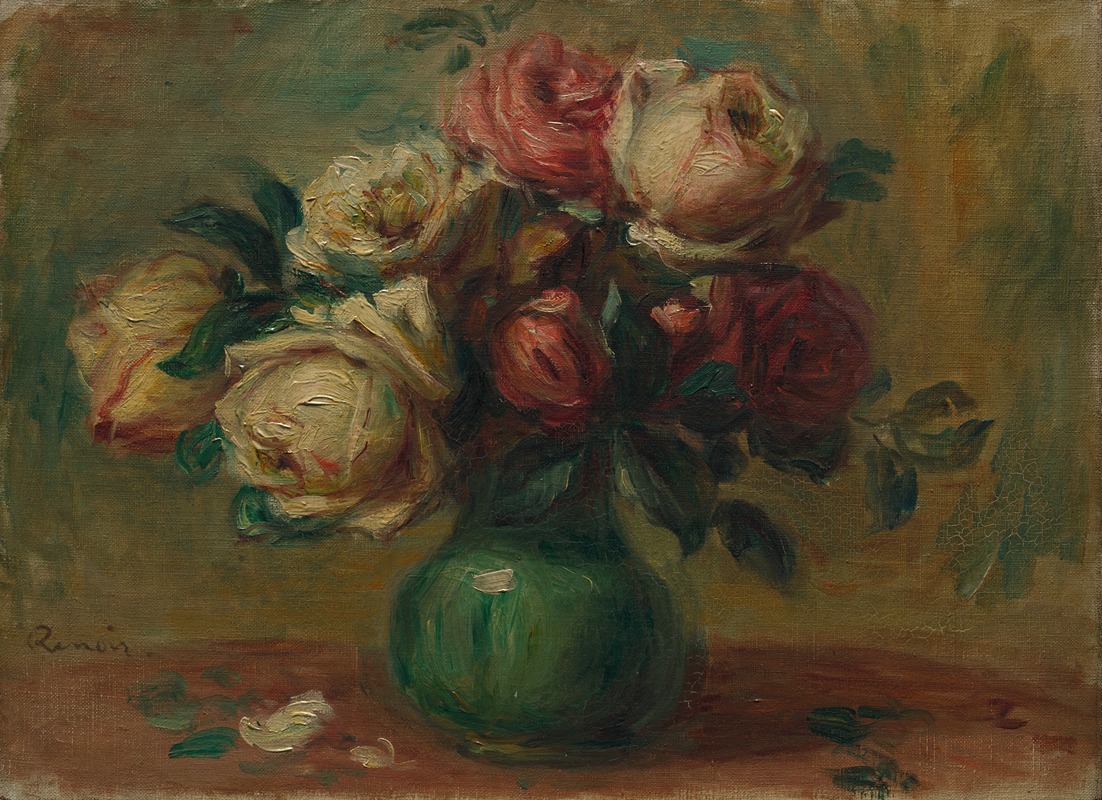
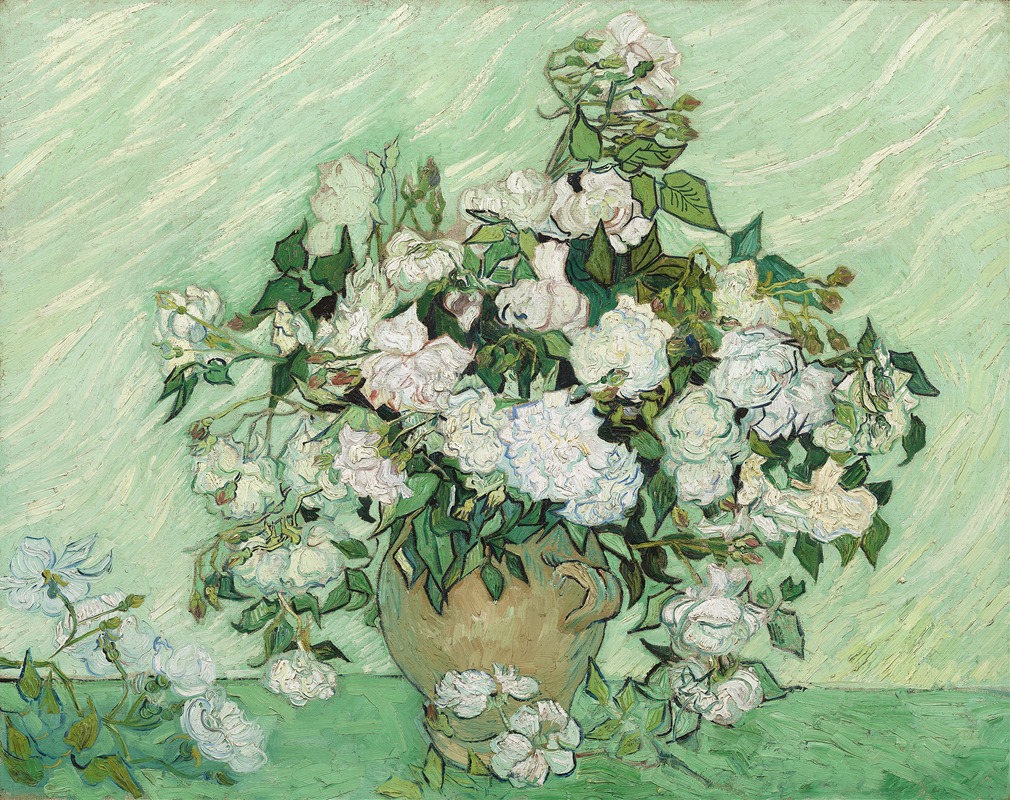
In The Vase of Tulips, Paul Cézanne presents a vibrant arrangement of tulips in a simple vase. The colors are rich, with deep reds, yellows, and greens dominating the composition. The background is muted, allowing the flowers to stand out as the focal point.
The brushwork is expressive, showcasing Cézanne's unique style and approach to still life. This painting is executed in oil on canvas, typical of Cézanne's work during the Post-Impressionism period. The dimensions are approximately 60 x 80 cm, making it a medium-sized piece that invites close inspection. The layering of paint creates texture, and the colors are applied in a way that captures the light and form of the flowers.
Viewers can appreciate the balance and harmony in the arrangement. Paul Cézanne was a pivotal figure in the transition from 19th-century Impressionism to 20th-century Modernism. The Vase of Tulips reflects his interest in color and form, emphasizing the structural qualities of the flowers. An interesting fact about this work is that it showcases Cézanne's innovative approach to still life, where he often focused on the geometric shapes underlying natural forms.
This painting is part of the collection at the Musée d'Orsay in Paris.
More Artworks by Paul Cézanne
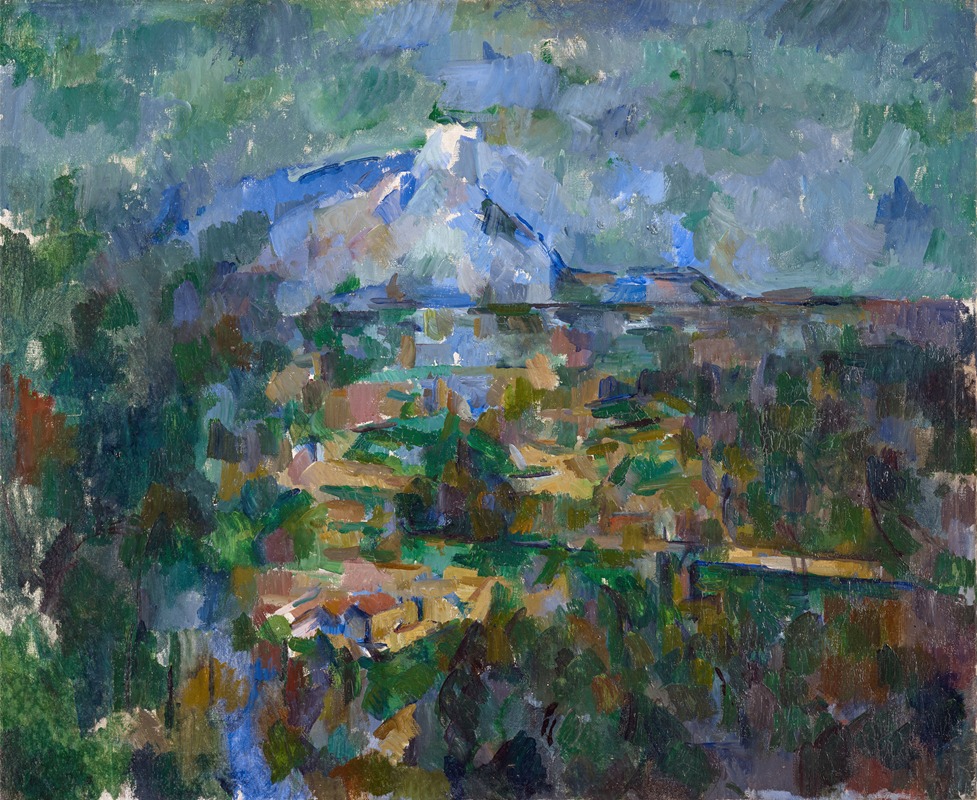
The Mont Sainte-Victoire Seen From Les Lauves
Paul Cézanne
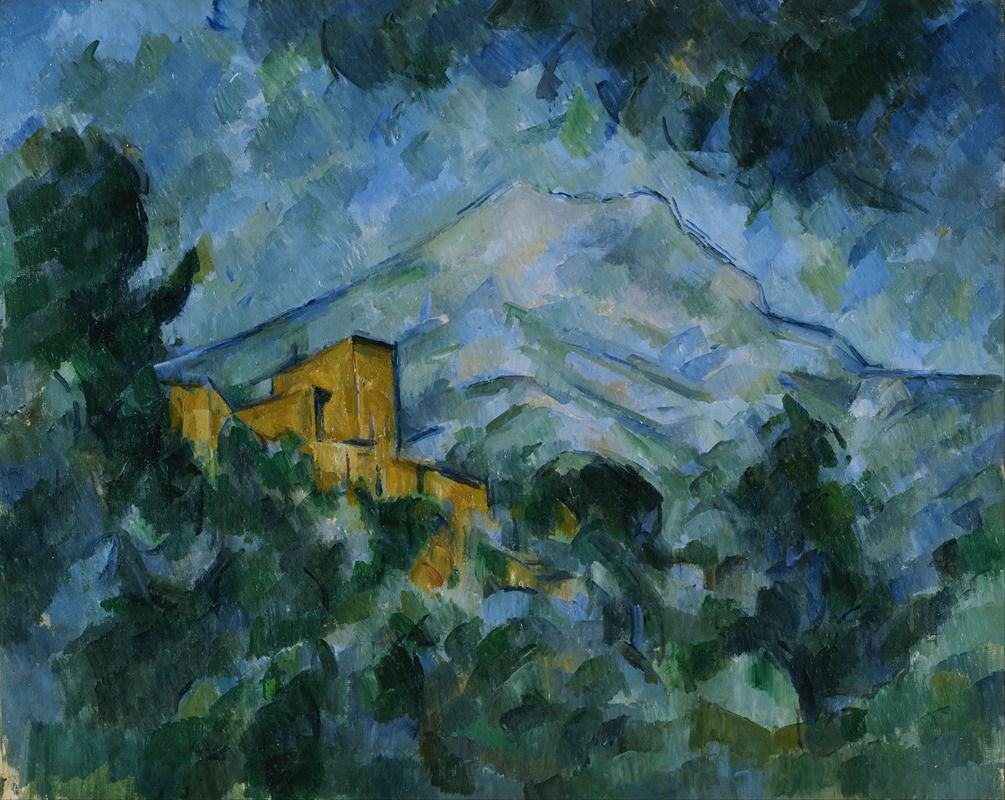
Mont Sainte-Victoire and Château Noir
Paul Cézanne
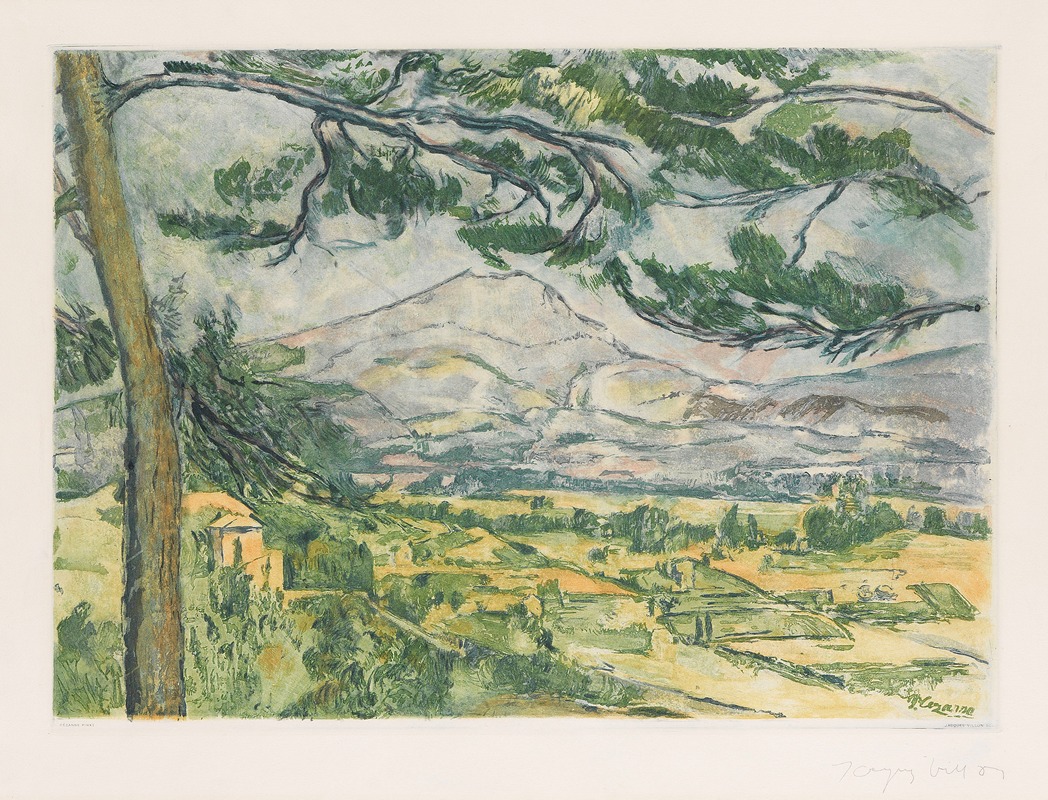
La Montagne Sainte-Victoire
Paul Cézanne
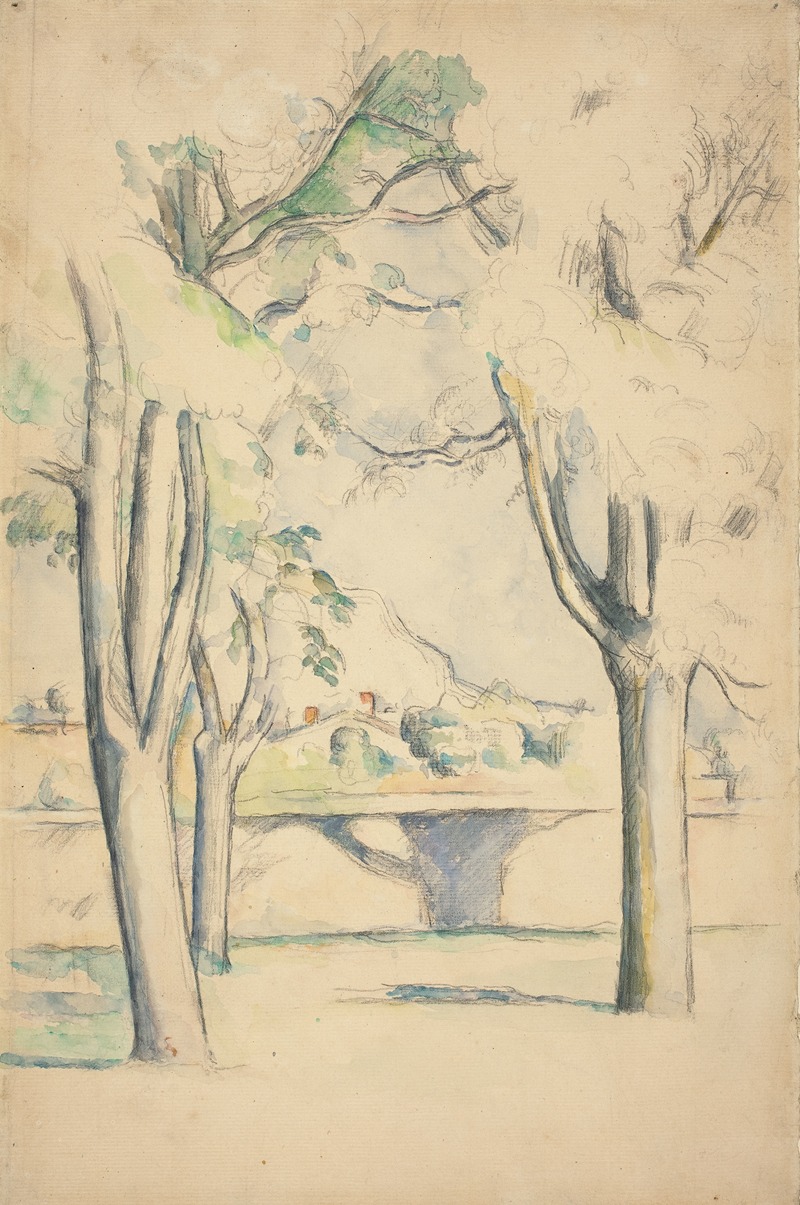
Mont Sainte-Victoire Seen beyond the Wall of the Jas de Bouffan
Paul Cézanne
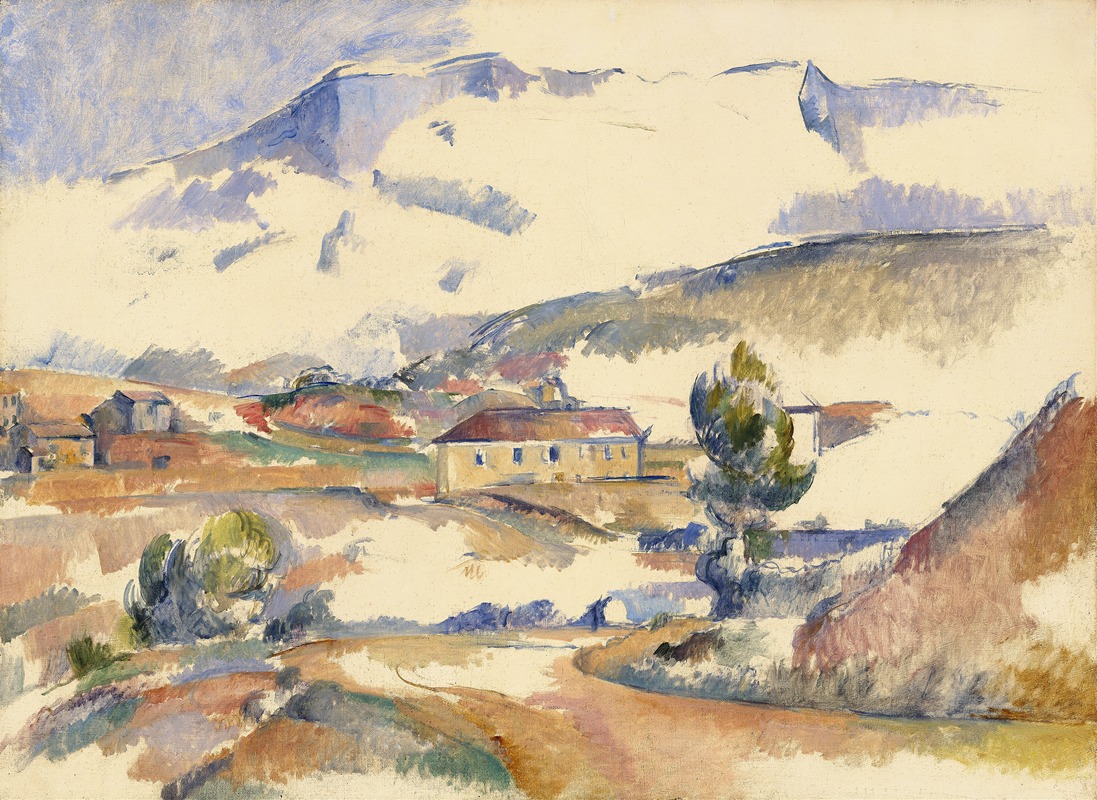
Montagne Sainte-Victoire,from near Gardanne
Paul Cézanne
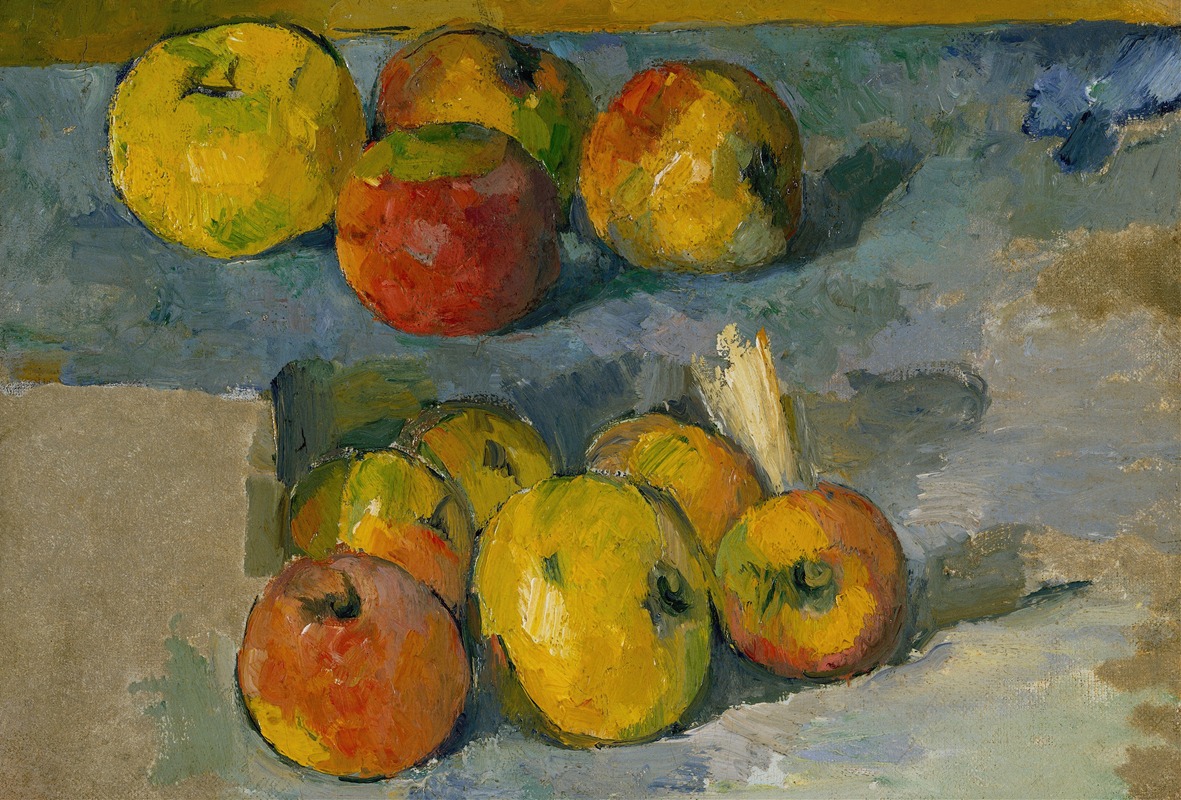
Apples
Paul Cézanne
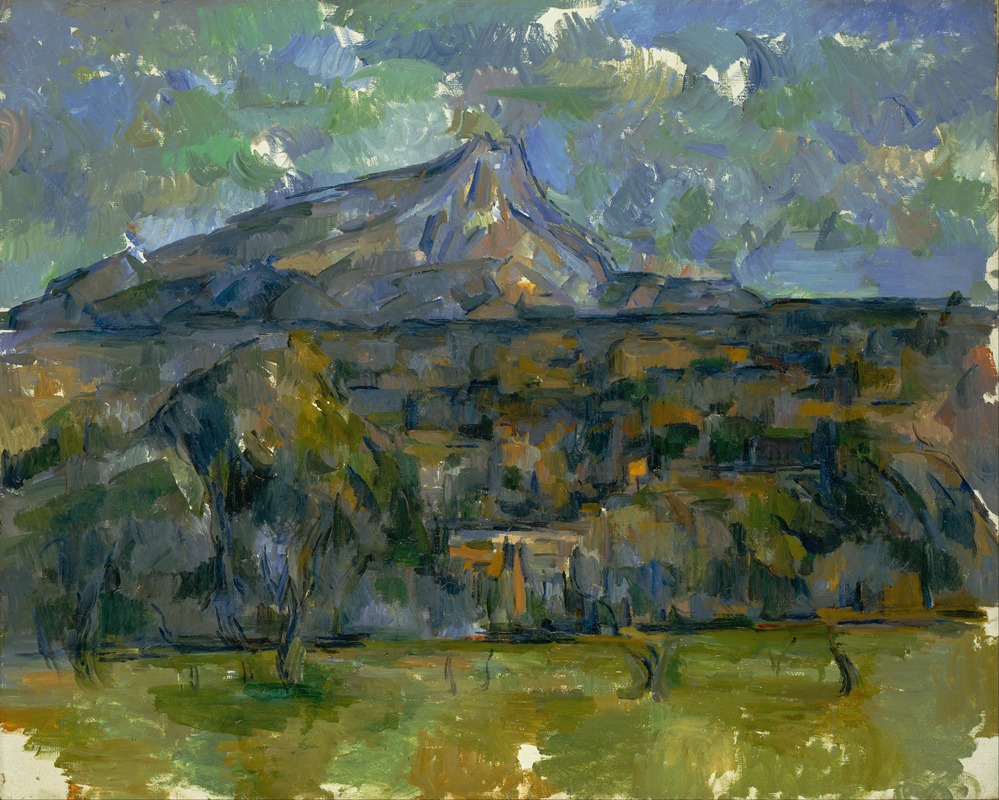
Mont Sainte-Victoire
Paul Cézanne
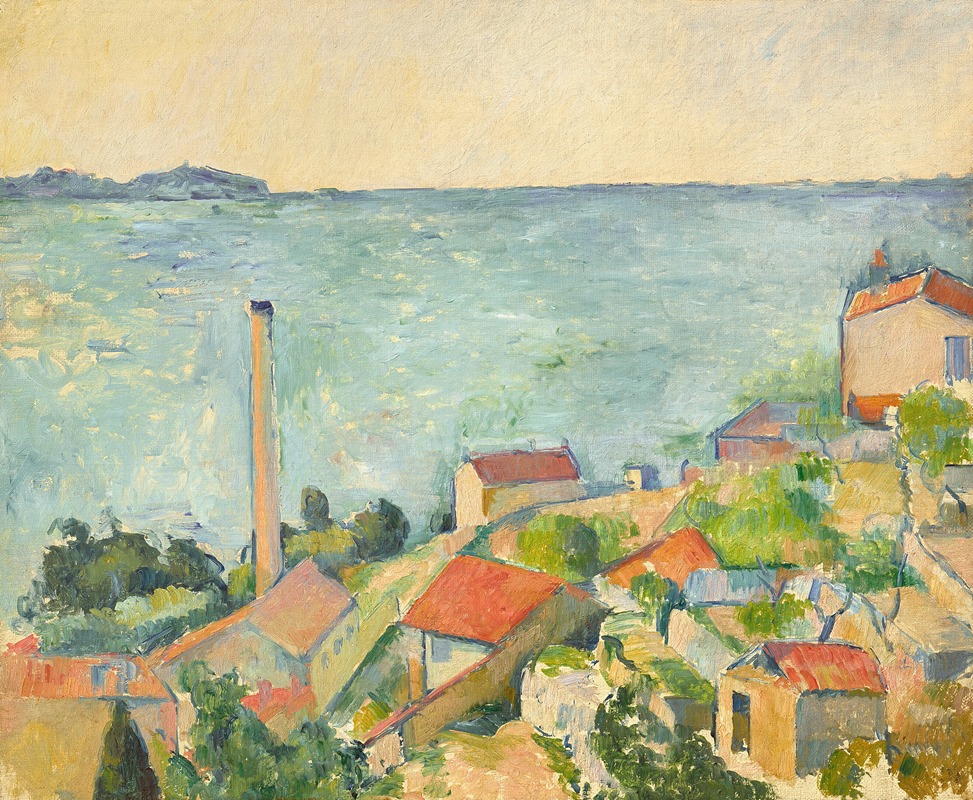
La mer à l’Estaque
Paul Cézanne
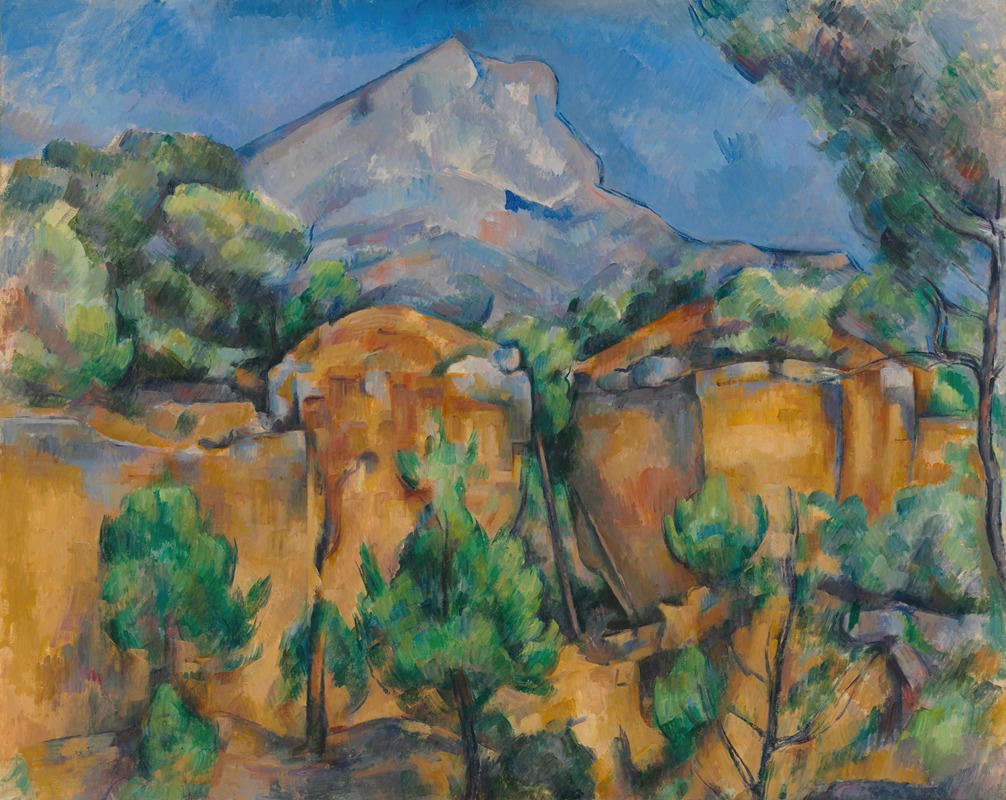
La Montagne Sainte-Victoire vue de la carrière Bibémus
Paul Cézanne
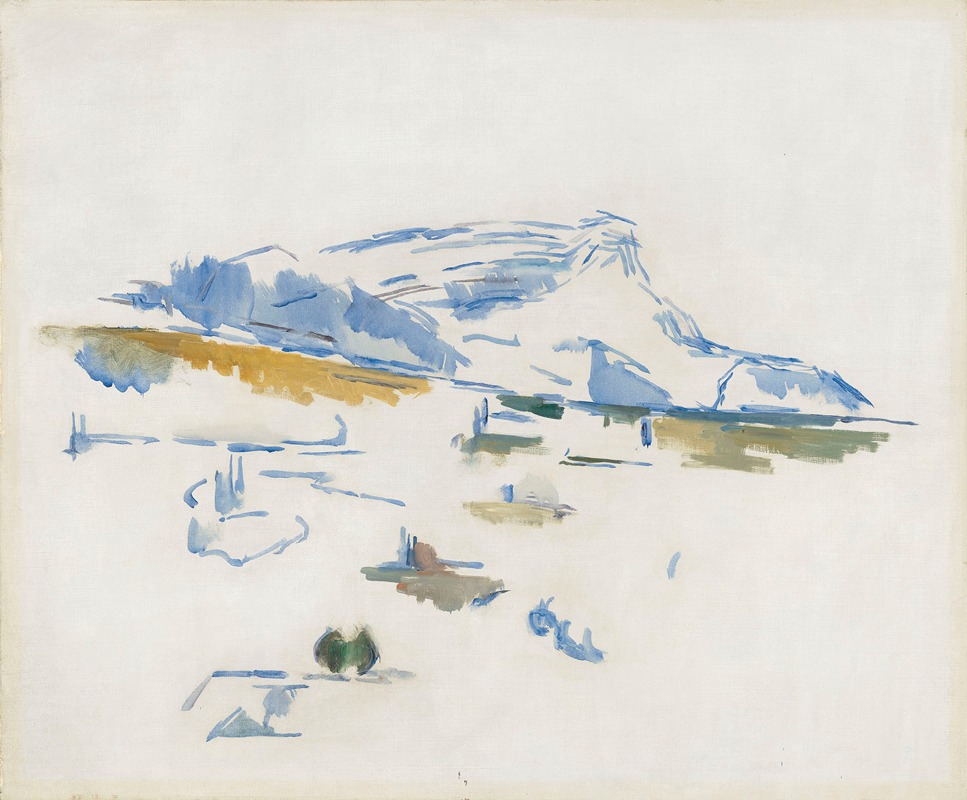
La Montagne Sainte-Victoire vue des Lauves
Paul Cézanne