
The Velan, from near Aosta — History & Facts
Where does light end, and longing begin? In the folds of the picturesque landscape, one can almost hear the whispers of unspoken yearning woven into the very fabric of the painting. Look to the distant mountains, their peaks cloaked in a soft haze that beckons you in with a sense of nostalgia. The foreground bursts with life, painted in lush greens and earthy browns, drawing your eye toward the delicate interplay of shadow and sunlight. Notice how the light falls upon the winding stream, effortlessly reflecting the azure sky above, as if nature is engaging in a quiet conversation about hope and renewal.
Each brushstroke breathes life into the scene, inviting viewers to step closer and lose themselves in its serene embrace. Yet beneath this tranquil façade lies a tension between nature and human presence, represented by the distant villagers quietly engaging in their daily toil. The juxtaposition of the idyllic landscape and the subtle reminder of human labor hints at the broader changes sweeping through society at the time. The warmth of the light contrasts with the cooler shadows, evocative of the emotional unrest that accompanies progress and revolution—a silent acknowledgment of the evolving relationship between humanity and the natural world. In 1867, Walton painted this work while living in England, a period marked by the Industrial Revolution, which was altering landscapes and lives.
This work reflects his fascination with capturing the beauty of untouched nature amidst the rise of industrialization, a theme prevalent in the art world as the tension between the ancient and modern took center stage. It is a poignant reminder of that transformative era, where artistry met the dawn of innovation.
More Artworks by Elijah Walton
Browse all →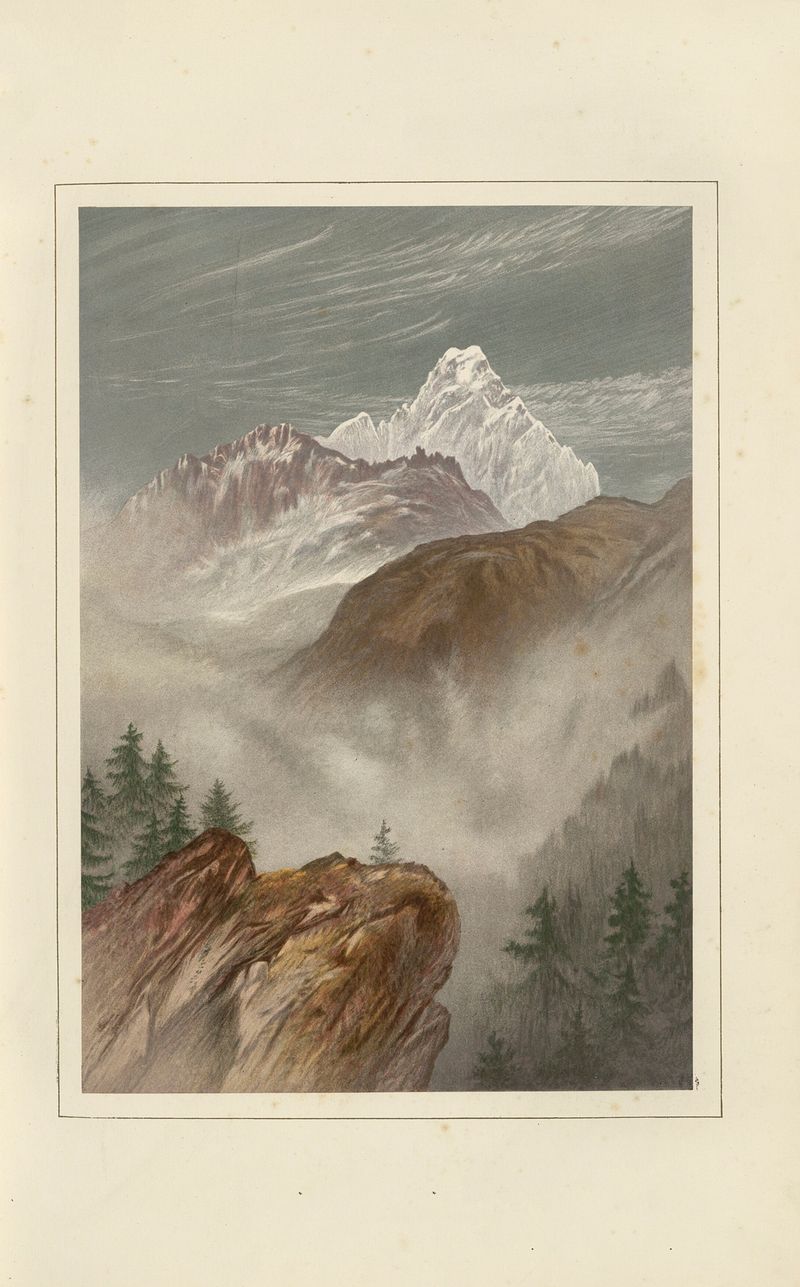
Monte Viso, from the south
Elijah Walton

The Matterhorn
Elijah Walton

The Gorner glacier
Elijah Walton

The Cascade de Roget and the Pointe de Salles
Elijah Walton
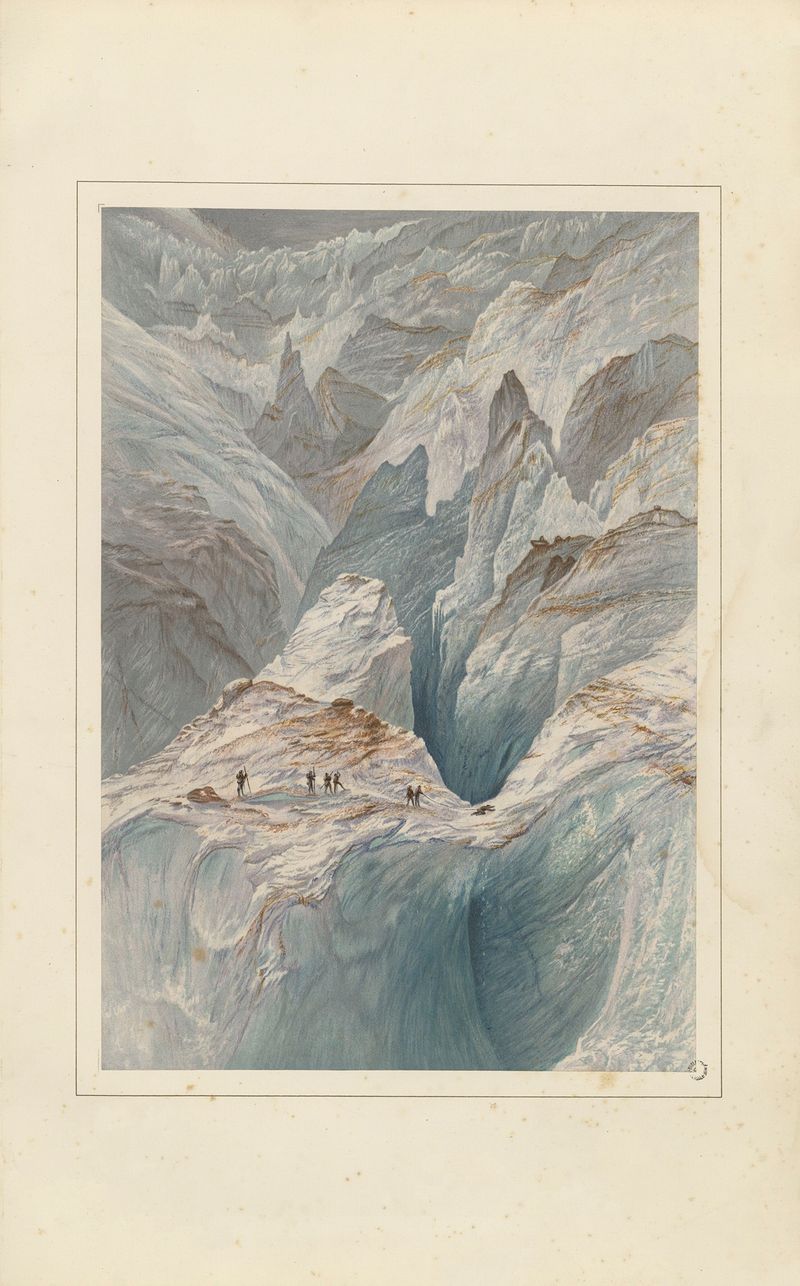
Crevasses on the Mer de Glace
Elijah Walton
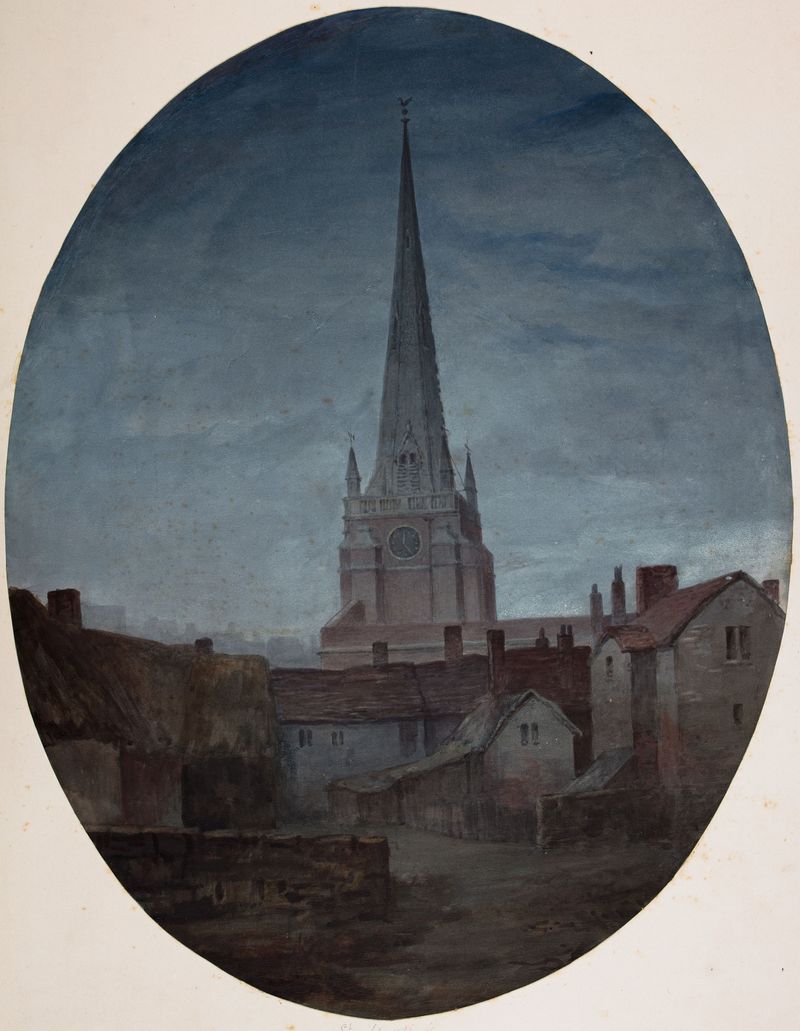
St Martin’s Church Birmingham, By Night
Elijah Walton

The Weisshorn, from near St. Niklaus
Elijah Walton

Monte Viso, from the Col de La Croix
Elijah Walton
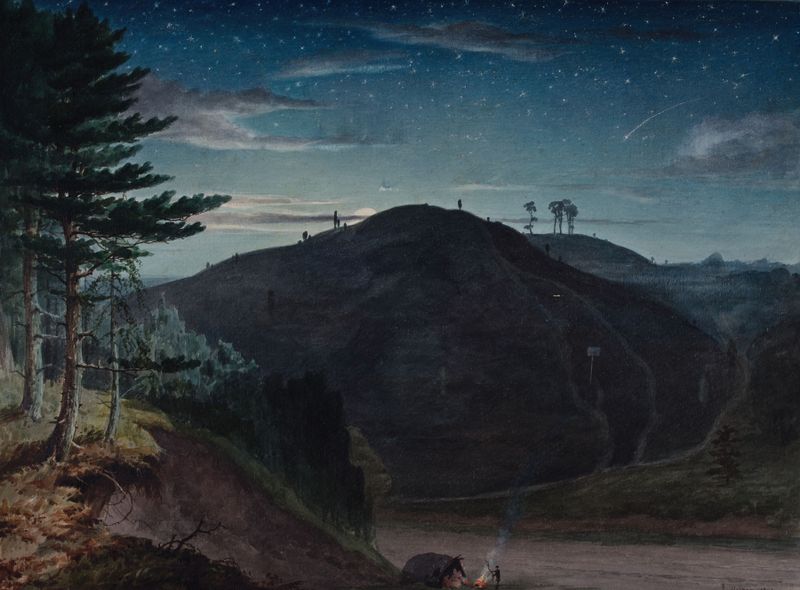
Cofton From Rednal, Moonlight
Elijah Walton
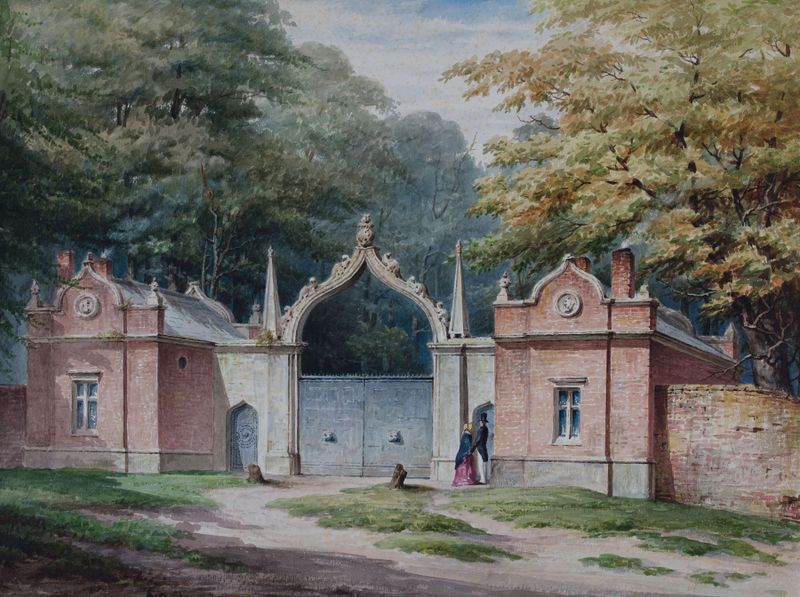
Lodge Gates, Entrance To Aston Hall
Elijah Walton





