
The Victory Returning from Trafalgar, in Three Positions — History & Facts
Could beauty survive in a century of chaos? In The Victory Returning from Trafalgar, in Three Positions, Joseph Mallord William Turner distills the essence of movement and triumph amidst the tumult of the early 19th century. Look to the left, where the majestic ship cuts through the vibrant, swirling waters, foamy waves crashing against its hull. The canvas is alive with brushstrokes that evoke both the ship's power and the relentless ocean, while a radiant sky transitions from stormy gray to brilliant hues of orange and gold. Notice the figures on board, their animated gestures and focused expressions illuminating the weight of their victory, rendered in soft, almost ethereal tones, a stark contrast to the tumultuous backdrop. Yet, beneath the surface of this triumphant moment lies a tension between nature's fury and human achievement.
The ship, though a symbol of victory, battles the wild sea—an embodiment of the chaotic world from which it emerges. The fluidity of Turner's brushwork suggests movement not only of the ship but also of time itself, as if the past, present, and future converge in this singular moment of glory. The color palette amplifies this emotional depth, reflecting both the joy of conquest and the lurking shadows of uncertainty. Turner created this work in 1806, shortly after the Battle of Trafalgar, a pivotal naval engagement during the Napoleonic Wars that reshaped Britain's place in the world.
At this time, he was establishing himself as a leading figure in British Romanticism, exploring themes of nature and humanity's struggle against it. His artistic evolution was deeply intertwined with the political currents of his era, and this piece captures the very heartbeat of a nation poised between triumph and turmoil.
More Artworks by Joseph Mallord William Turner
Browse all →
Dort or Dordrecht- The Dort Packet-Boat from Rotterdam Becalmed
Joseph Mallord William Turner
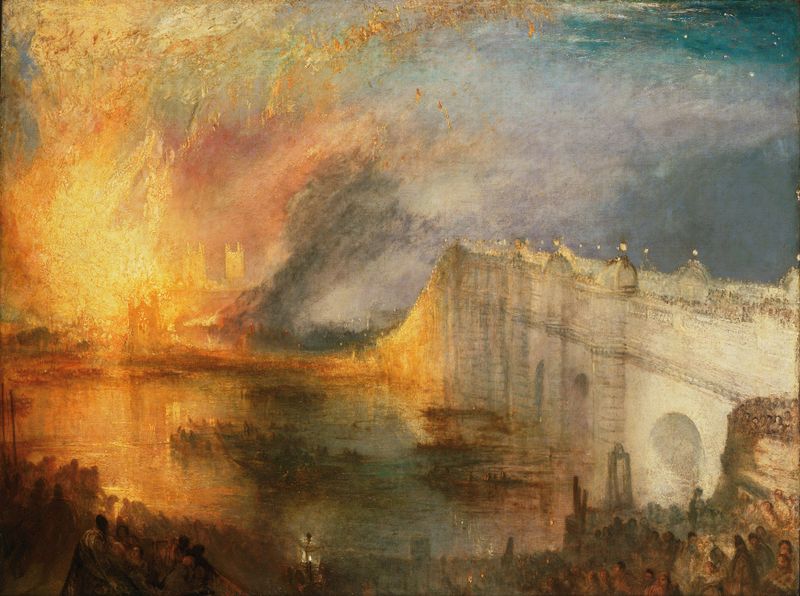
The Burning of the Houses of Lords and Commons, October 16, 1834
Joseph Mallord William Turner
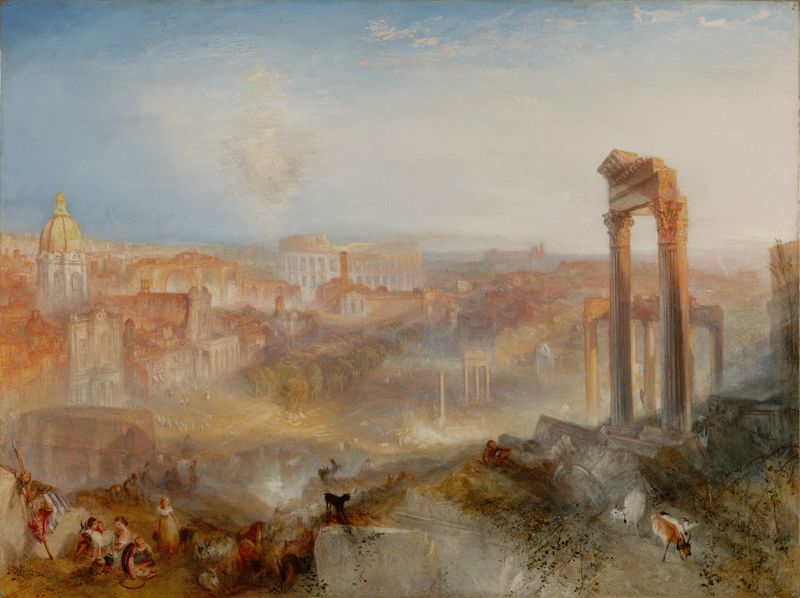
Modern Rome – Campo Vaccino
Joseph Mallord William Turner
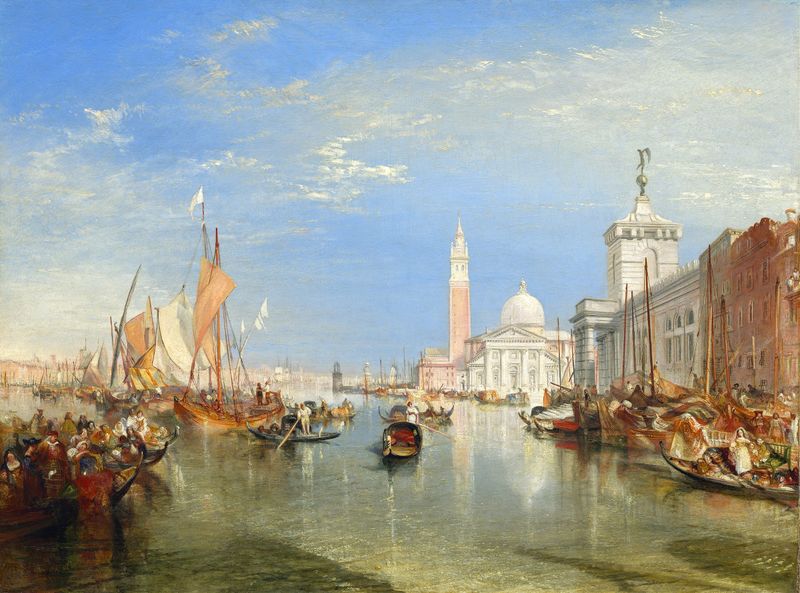
Venice – The Dogana and San Giorgio Maggiore
Joseph Mallord William Turner

The Burning of the Houses of Lords and Commons, 16 October 1834
Joseph Mallord William Turner
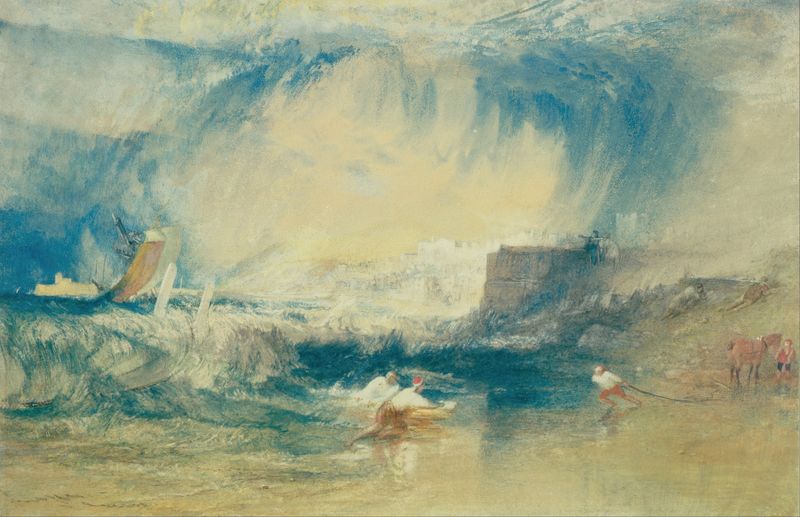
Lyme Regis, Dorsetshire, England
Joseph Mallord William Turner
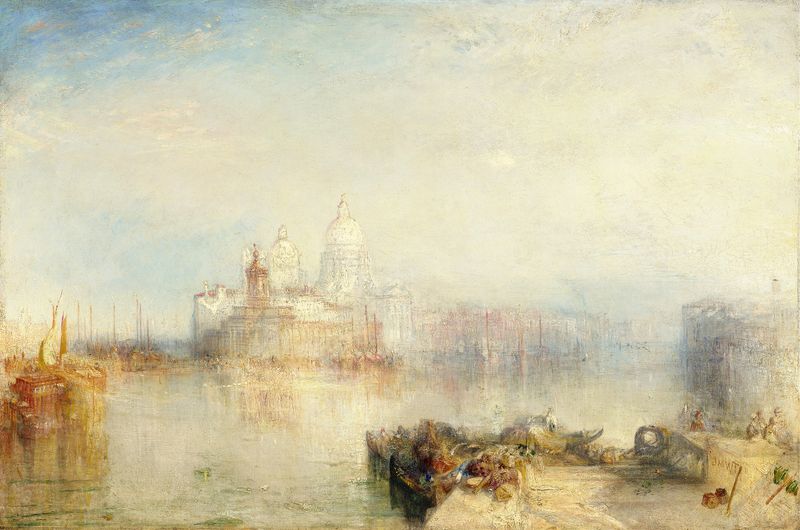
The Dogana and Santa Maria della Salute, Venice
Joseph Mallord William Turner
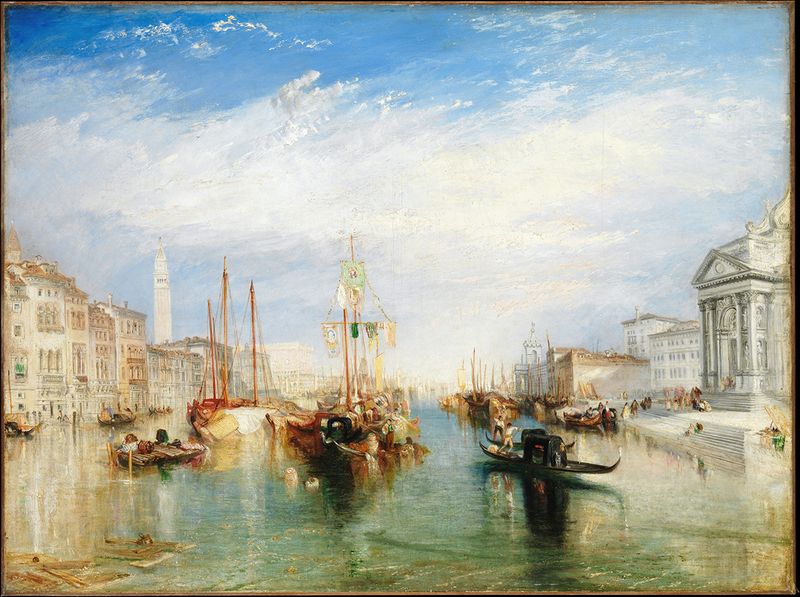
Venice, from the Porch of Madonna della Salute
Joseph Mallord William Turner
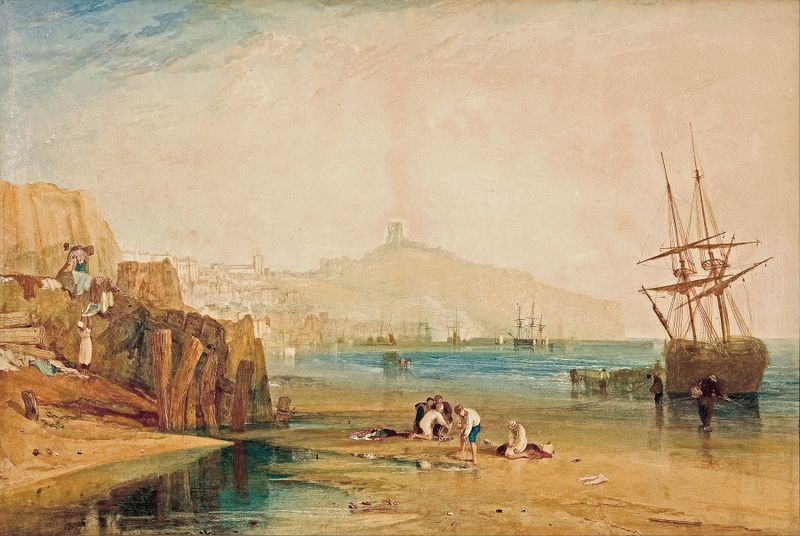
Scarborough town and castle; morning; boys catching crabs
Joseph Mallord William Turner
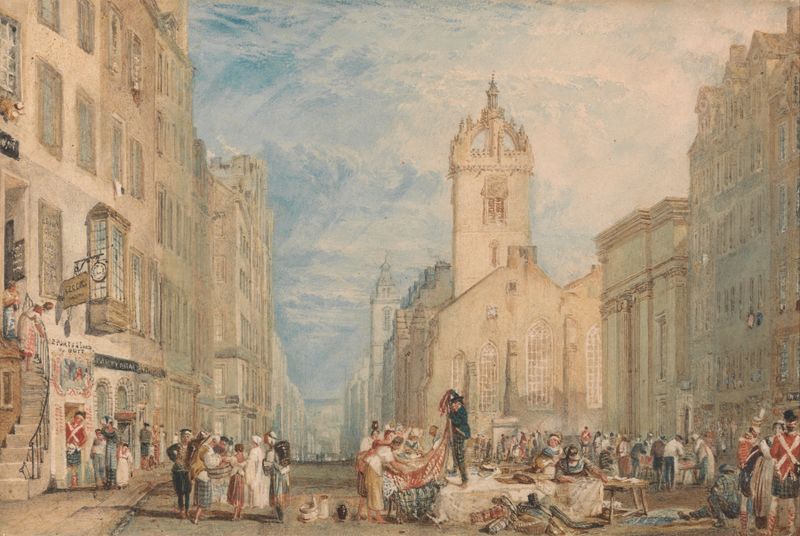
High Street, Edinburgh
Joseph Mallord William Turner




