
The village fair — History & Facts
Can beauty exist without sorrow? This question looms over the vibrancy of The Village Fair, a splendid canvas where joy dances on the edge of quiet melancholy. Look to the bustling foreground, where jubilant figures engage in merriment, their colorful attire a bold splash against the earthy tones of the fairground. Notice how the artist masterfully captures movement, each brushstroke breathing life into laughter and celebration. The composition draws your eye to the central festivities, while the surrounding landscape—gentle hills and muted skies—whispers of an underlying stillness, a poignant contrast to the lively scene. The interplay of light and shadow creates an emotional tension, revealing layers of meaning beneath the surface gaiety.
In the faces of the fairgoers, one can discern fleeting moments of introspection, perhaps a yearning for connection amidst the crowd. The empty stalls in the background serve as a haunting reminder of what is absent, hinting at both abundance and void—a duality that resonates with the complexities of community and solitude. James Holland painted this scene during a time of transition in the early 19th century, when the industrial revolution was reshaping rural life and aesthetics. Living and working in England, he sought to capture the charm of pastoral traditions while grappling with the shifts in society.
His work reflects a delicate balance between the ephemeral joys of country fairs and the unsettling echoes of change that lay just beyond the horizon.
More Artworks by James Holland
Browse all →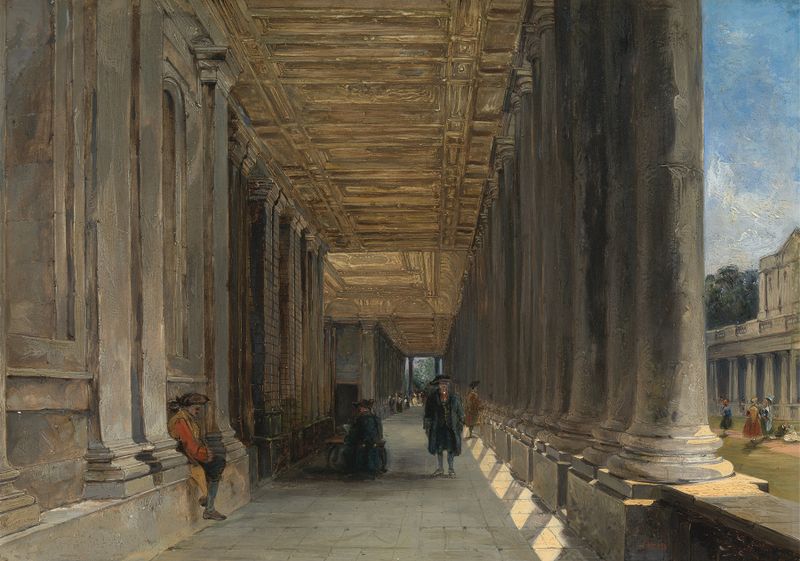
The Colonnade of Queen Mary’s House, Greenwich
James Holland
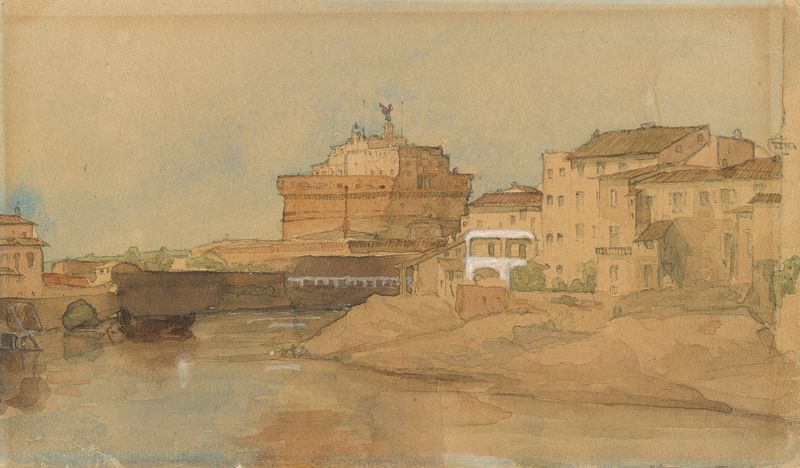
View of Castel Sant’ Angelo from the Tiber
James Holland
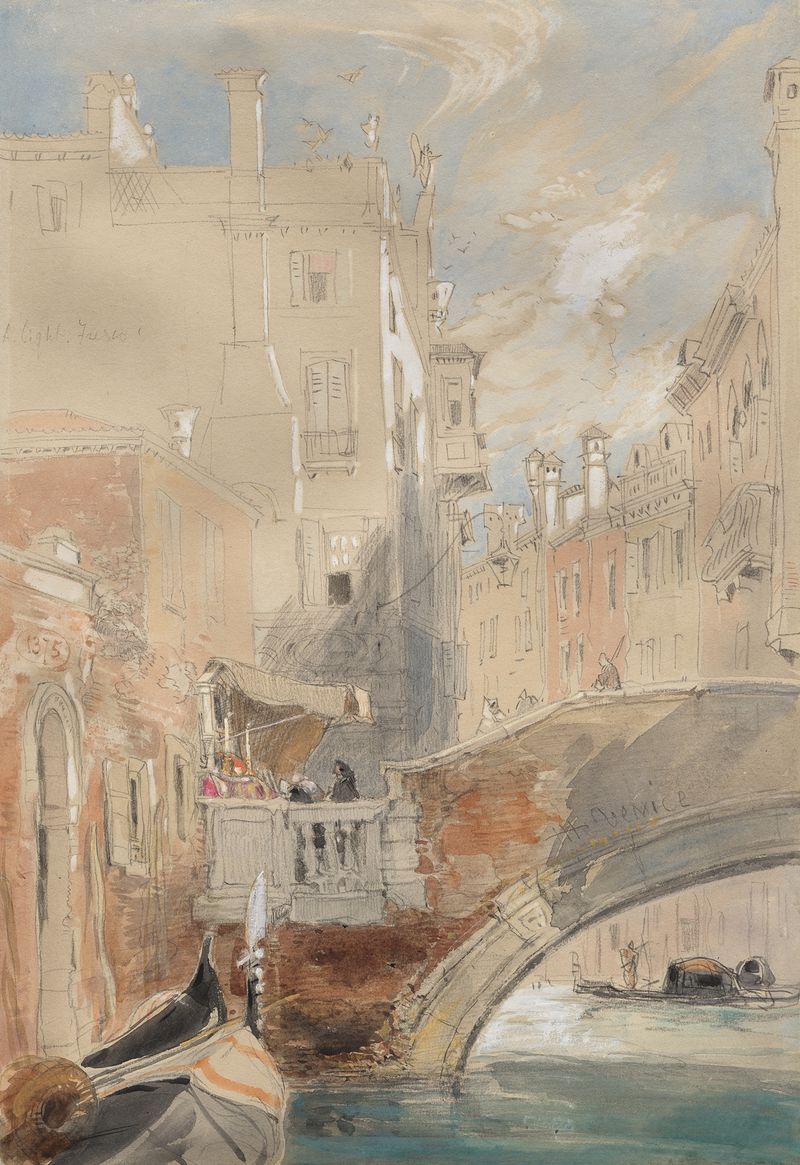
A Canal, Venice
James Holland
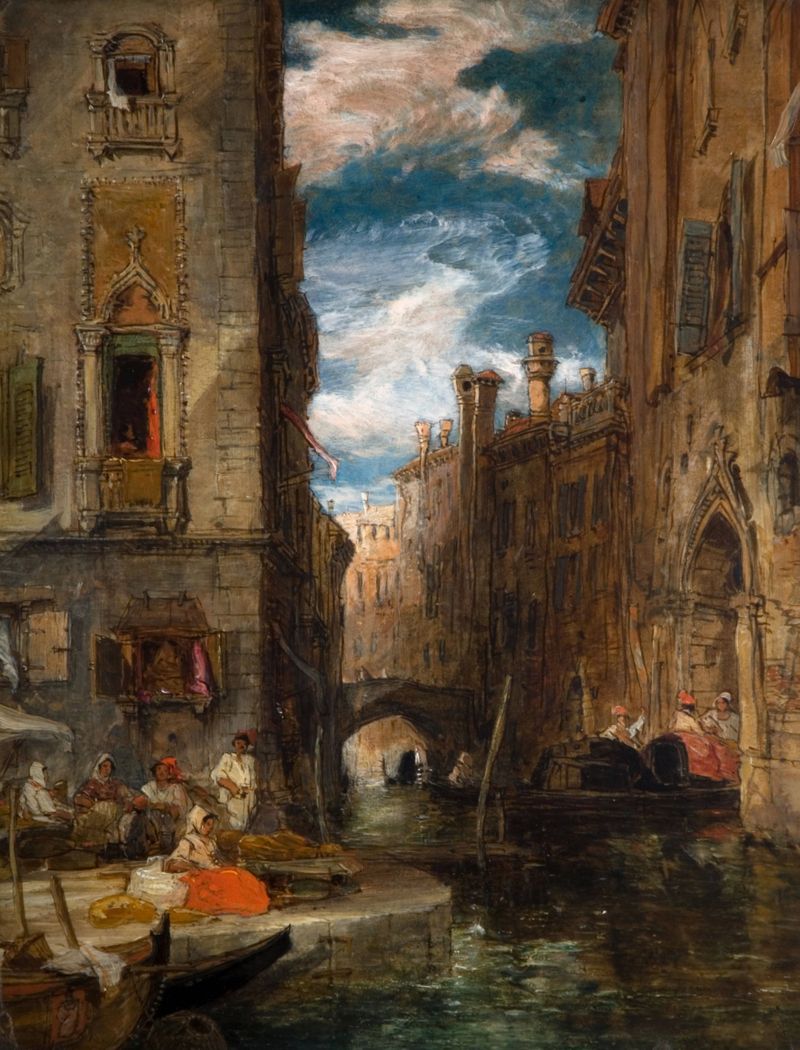
A Recollection Of Venice
James Holland
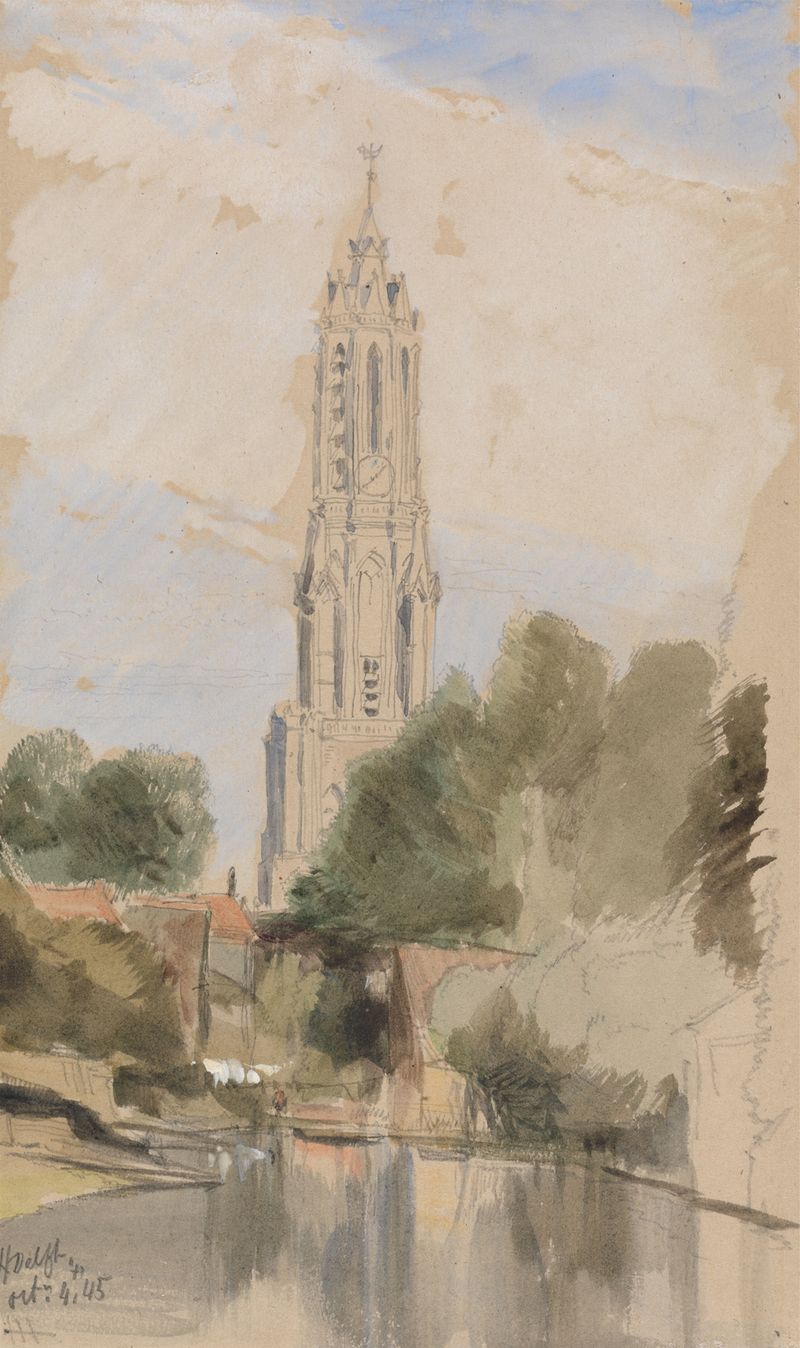
Delft
James Holland
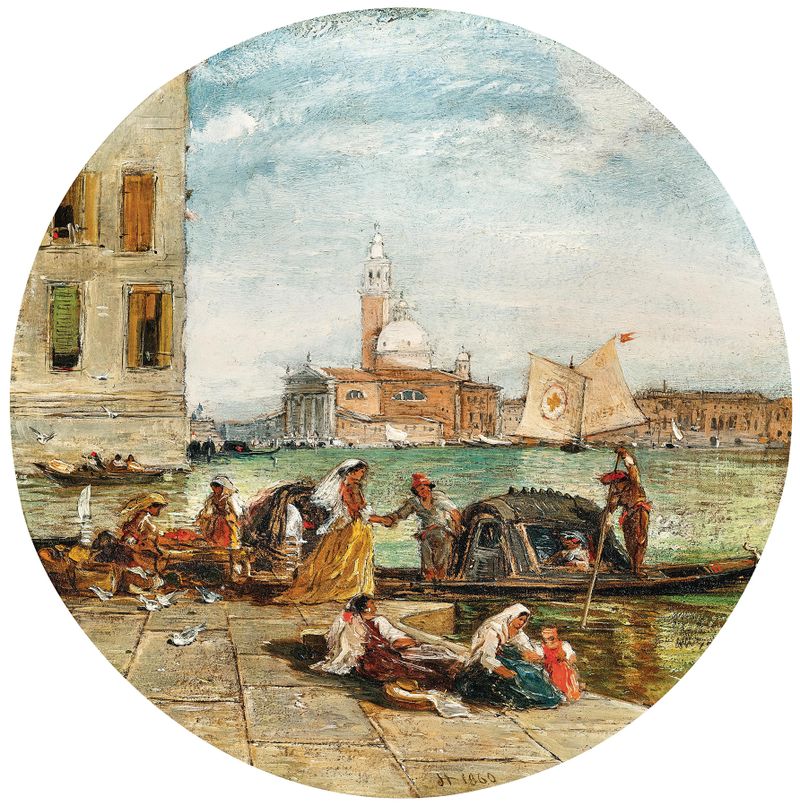
Venice, a view of San Giorgio Maggiore
James Holland
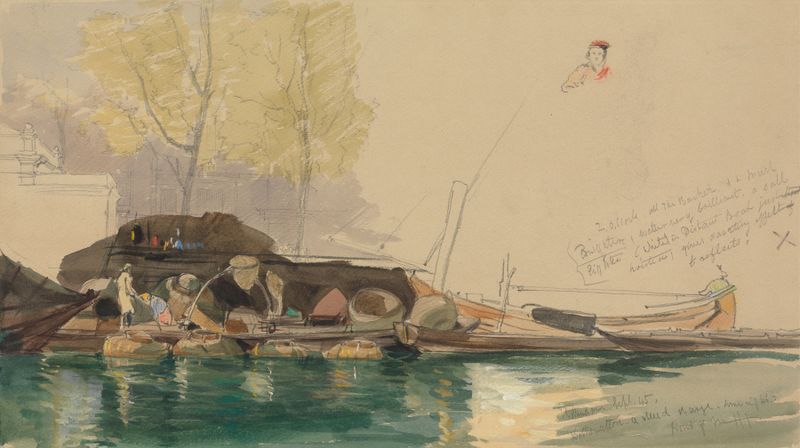
Barges on a Canal in Rotterdam
James Holland

Landschap bij Sintra, Portugal
James Holland
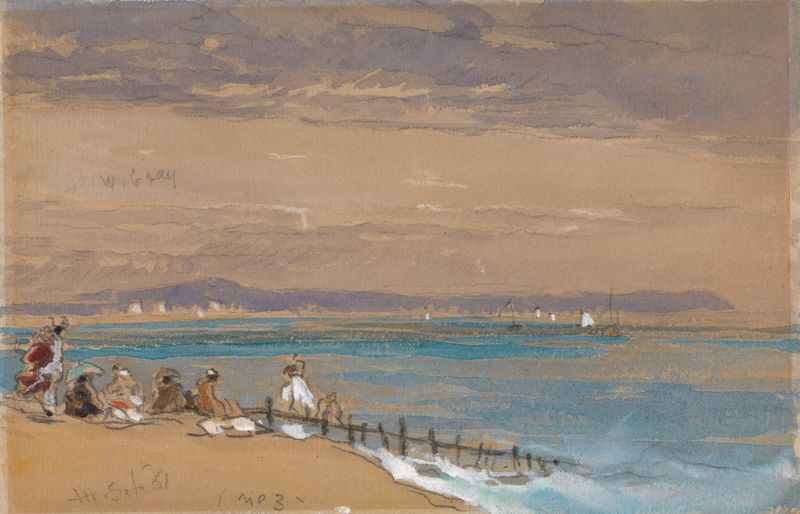
Beach Scene with Figures by a Breakwater
James Holland
Coast Scene with Sailing Boats
James Holland





