Discover insights about this artwork
The Virgin Immaculate — History & Facts
In The Virgin Immaculate, Guercino presents a serene Virgin Mary, adorned in flowing robes of white and blue. The background features soft, heavenly clouds, enhancing the divine atmosphere. Surrounding her are cherubic angels, their expressions radiating joy and reverence.
The color palette is dominated by gentle pastels, creating a calming effect. The painting is executed in oil on canvas, a common medium for the Baroque period. Guercino's technique showcases a delicate interplay of light and shadow, known as chiaroscuro. The figures are rendered with meticulous detail, emphasizing their ethereal qualities.
The composition draws the viewer's eye towards the Virgin, establishing her as the focal point. Guercino, an Italian Baroque painter, was known for his dramatic use of light and color. This work, painted in the 1640s, reflects the Counter-Reformation's emphasis on religious themes. Interestingly, The Virgin Immaculate was commissioned for a church altar, intended to inspire devotion among the faithful.
Guercino's ability to convey emotion through his subjects is a hallmark of his style.
More Artworks by Guercino

The Entombment
Guercino
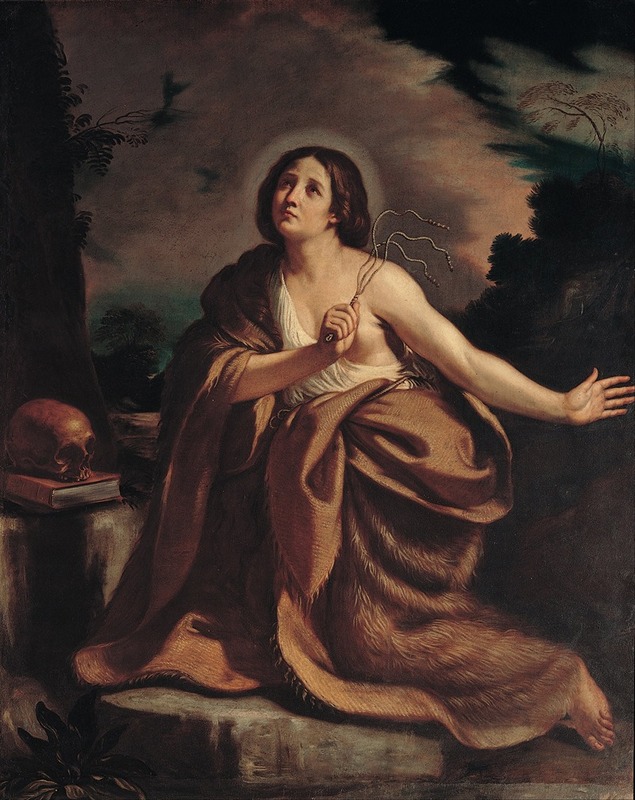
Penitent Magdalene
Guercino
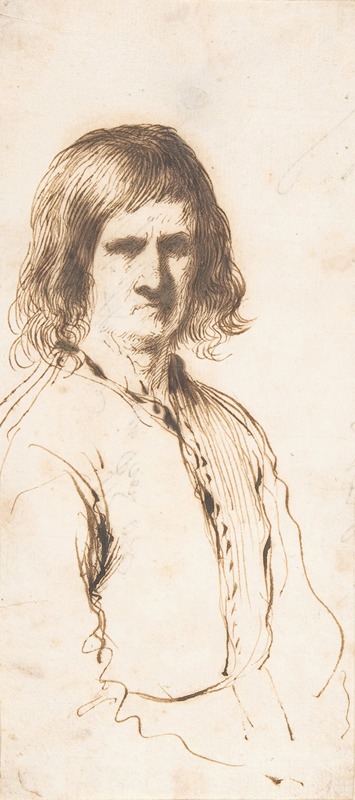
Portrait of Morose Man in Half-Length
Guercino
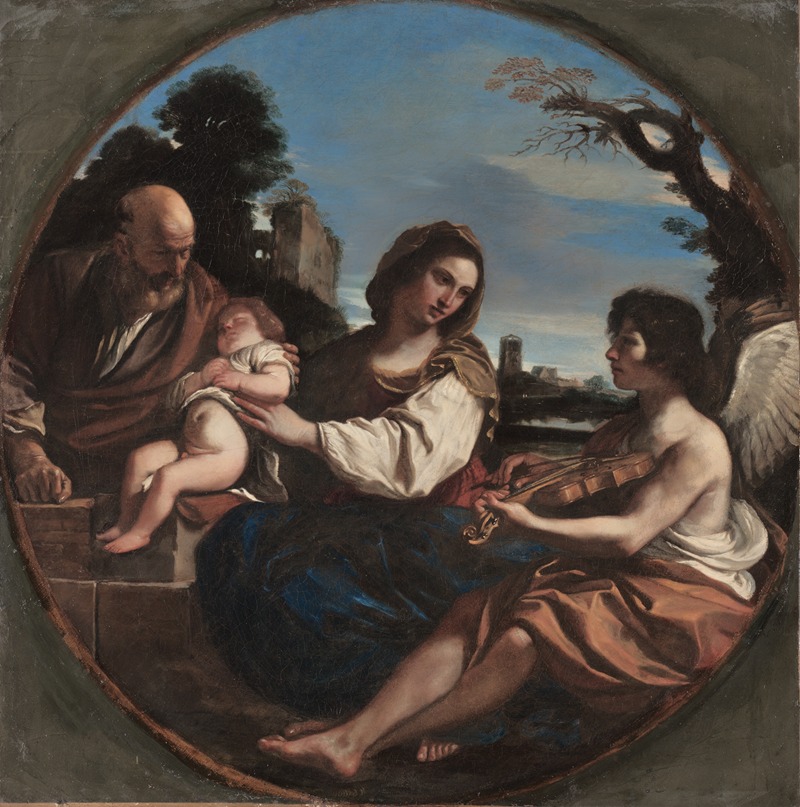
Rest on the Flight into Egypt
Guercino
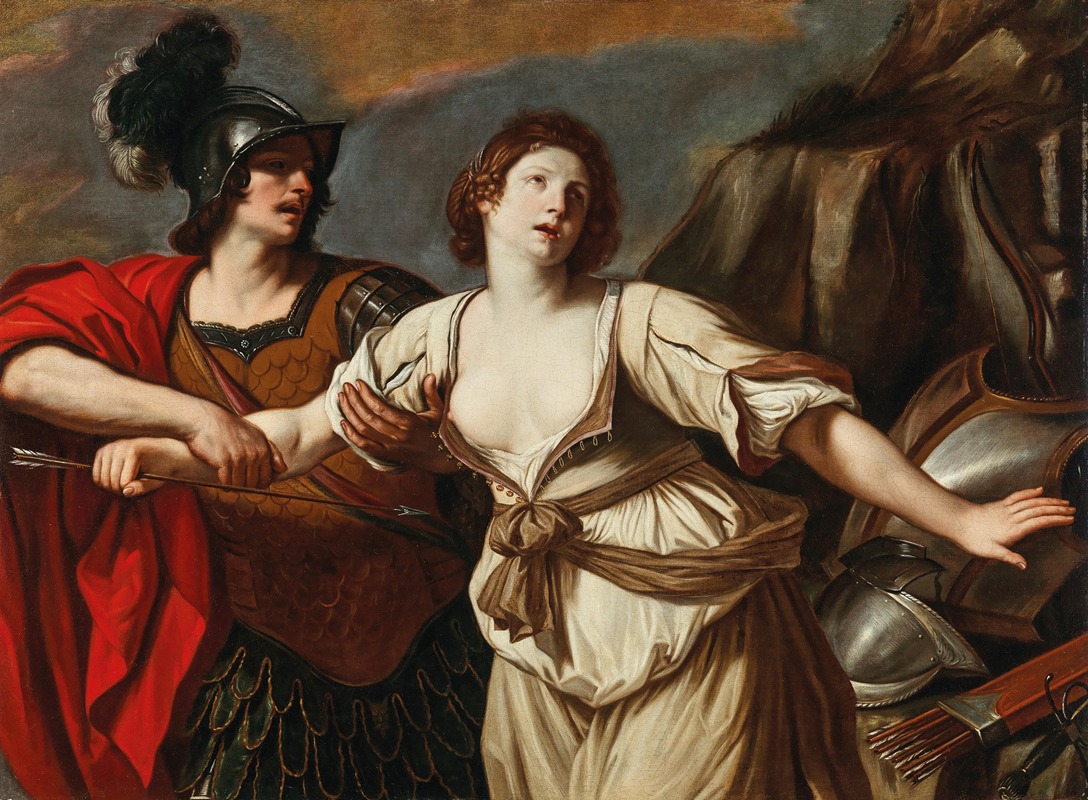
Rinaldo ed Armida
Guercino
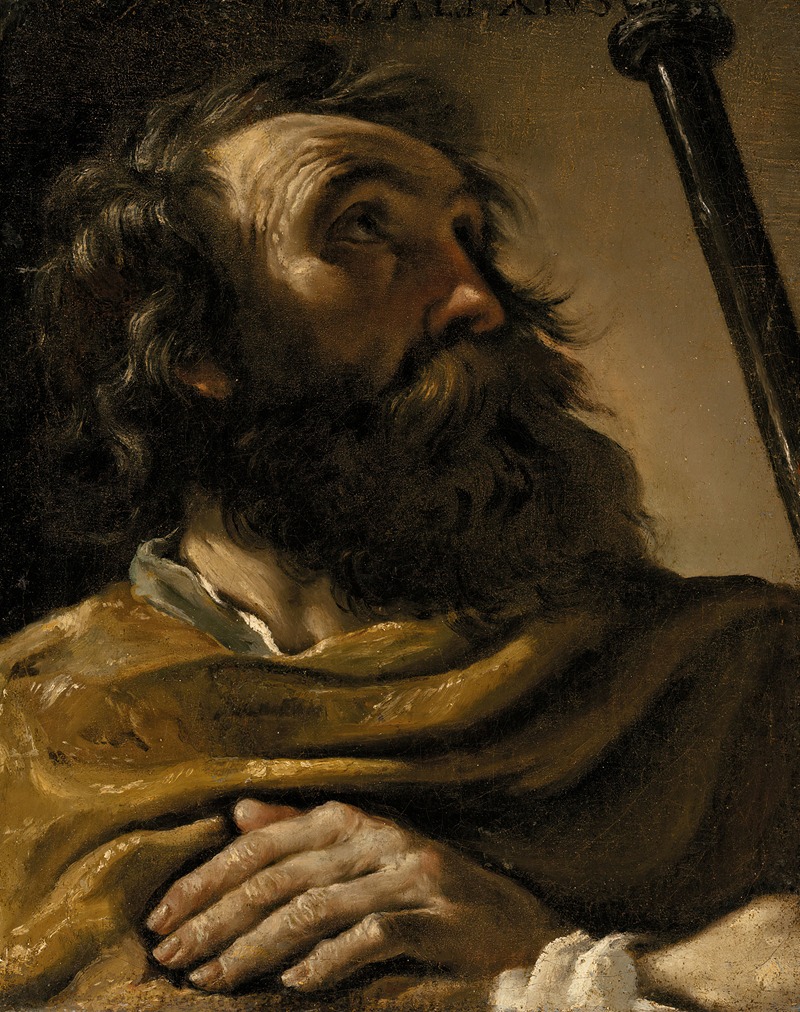
Saint Alexius In A Brown Wrap, Holding A Staff
Guercino
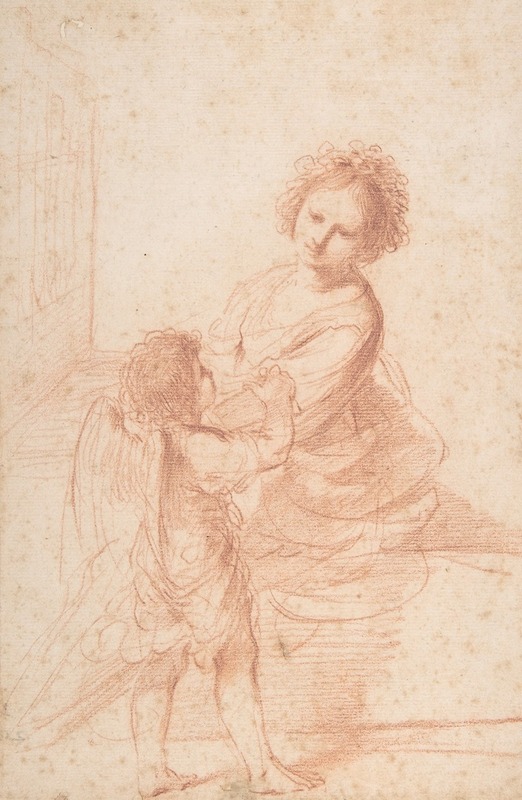
Saint Cecilia Playing the Organ
Guercino
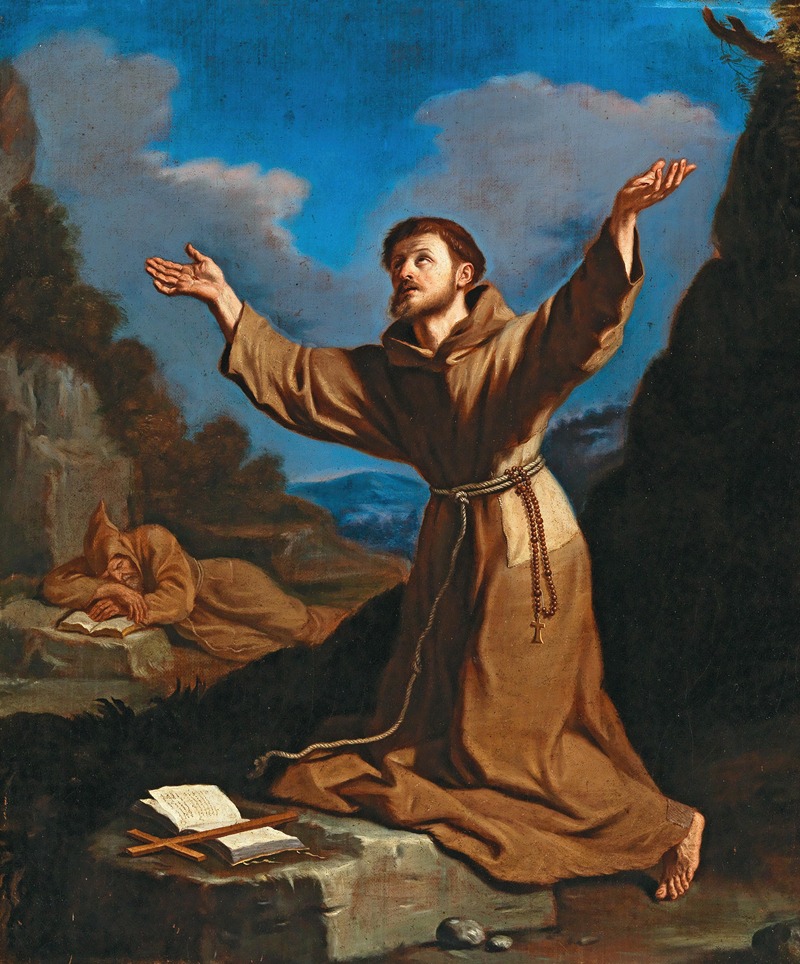
Saint Francis receiving the Stigmata
Guercino
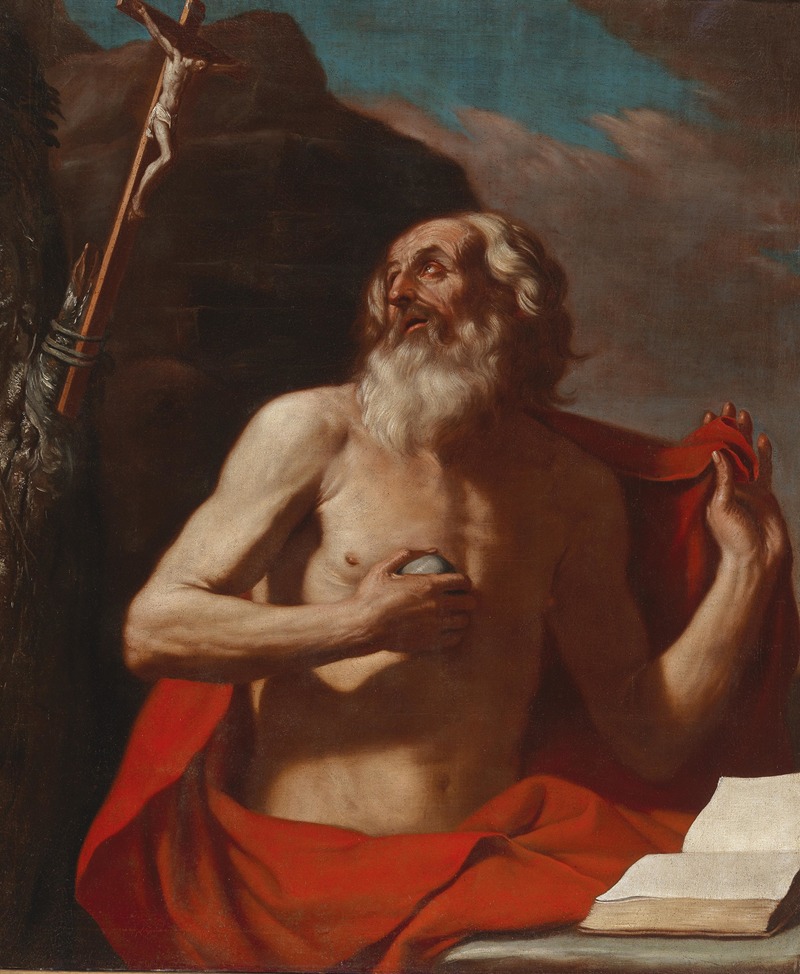
Saint Jerome
Guercino
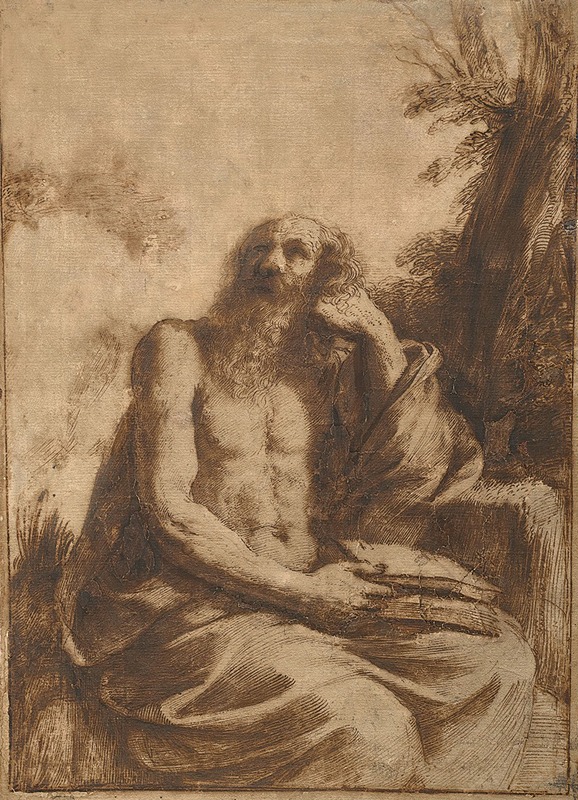
Saint Jérôme
Guercino