
The Wand — History & Facts
Can paint confess what words never could? In the quiet shadows of a yearning heart, a longing takes form, whispering secrets that only art can unveil. Focus on the delicate, elongated figure at the center, draped in soft, flowing fabrics that seem to dance with the light. Notice how the artist employs a muted palette of earth tones, inviting you to explore the subtle contrasts between shadow and illumination. The gentle curves of the figure’s posture evoke both grace and vulnerability, drawing your gaze to the delicate wand it holds, an object that embodies desire and the promise of transformation. The wand itself becomes a profound symbol within this composition, representing the thin line between ambition and longing.
Notice the tension in the figure's expression—an enigmatic gaze that hints at untold stories and dreams deferred. The soft interplay of light across the figure’s skin serves to heighten this emotional complexity, revealing an inner world rich with hope and anxiety. This moment encapsulates the struggle between aspiration and reality, making the viewer reflect on their own desires. During the early 20th century, Haskell created this work amidst a burgeoning modernist movement that sought to explore human emotion through innovative forms.
This period saw the emergence of new artistic expressions, as artists grappled with changing societal norms and personal introspection. Deeply influenced by these currents, Haskell’s exploration of desire in The Wand reflects both a personal journey and a broader cultural shift in the understanding of self and aspiration.
More Artworks by Ernest Haskell
Browse all →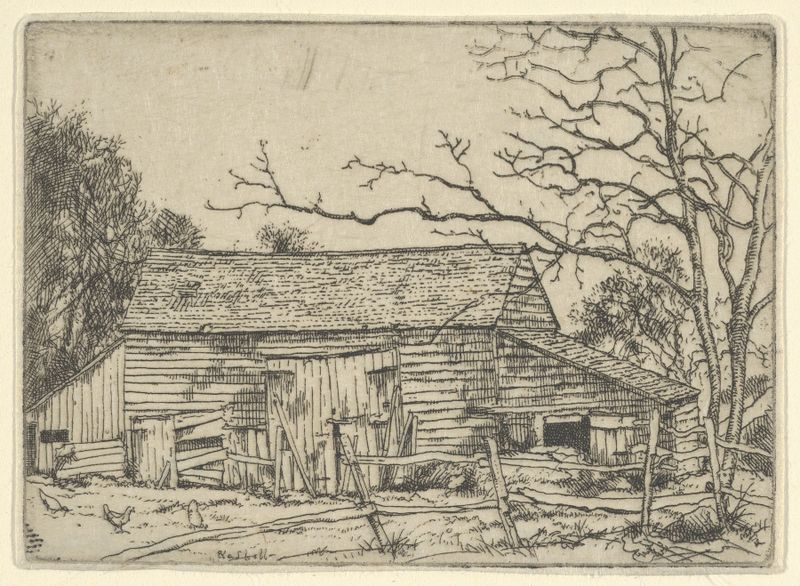
The Barn–Staten Island, N.Y.
Ernest Haskell

Four Live Oaks
Ernest Haskell
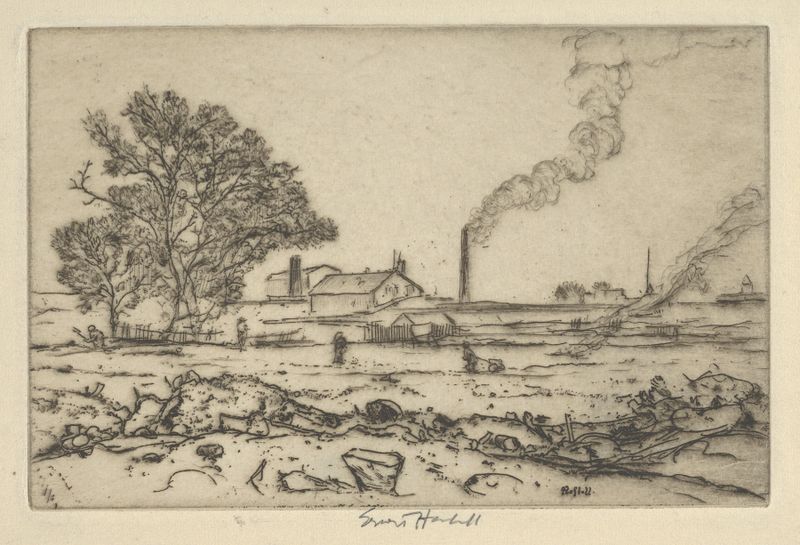
Outskirts of Boston
Ernest Haskell
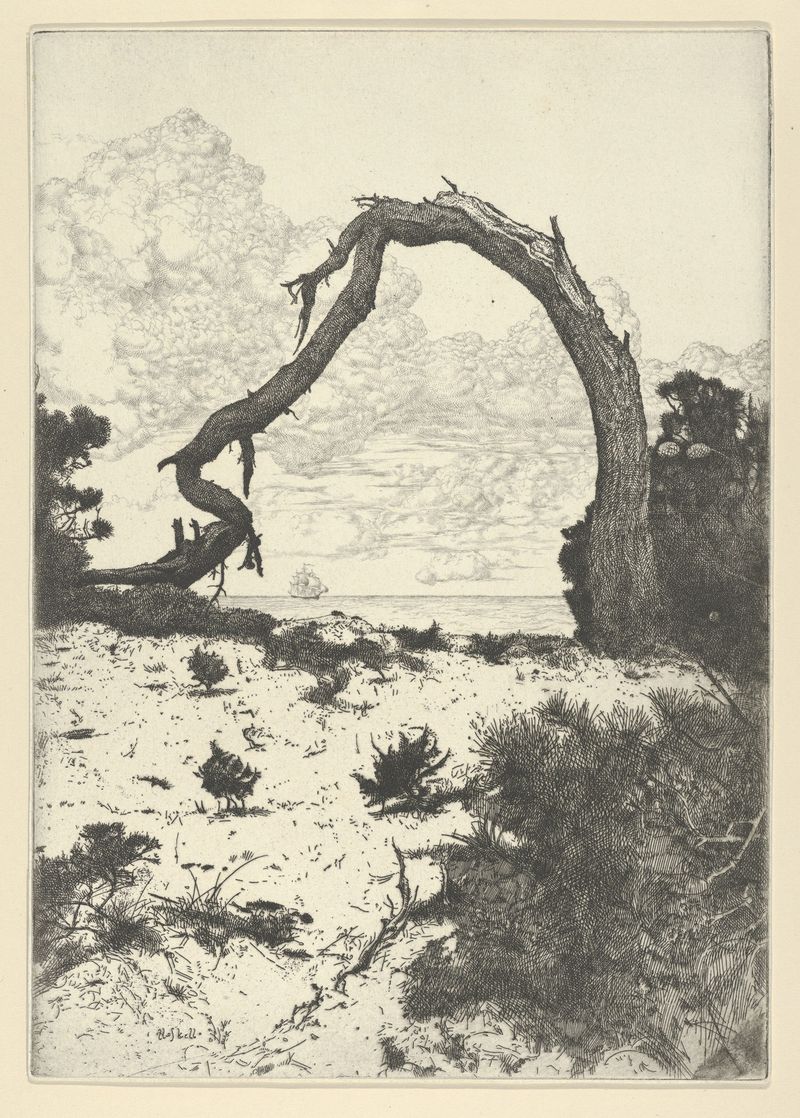
Pine Arch
Ernest Haskell

General Sherman
Ernest Haskell
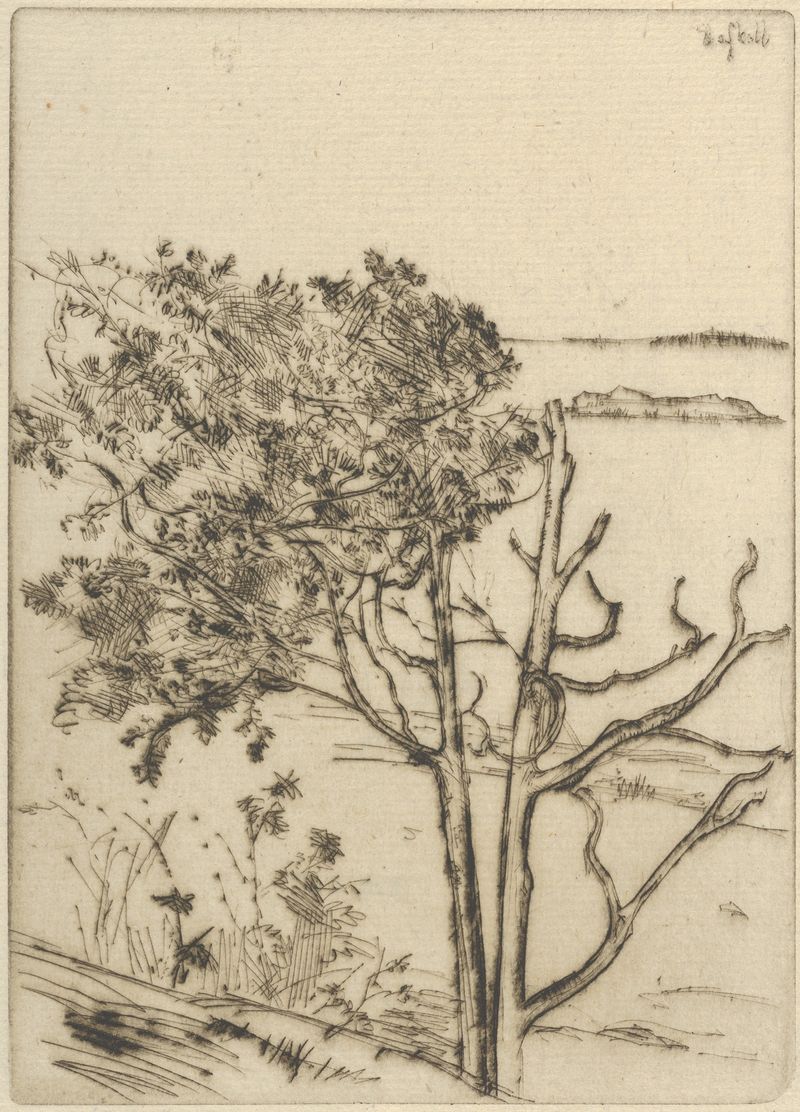
Ragged Tree – Maine
Ernest Haskell

Tide Mill
Ernest Haskell

Ship Building
Ernest Haskell
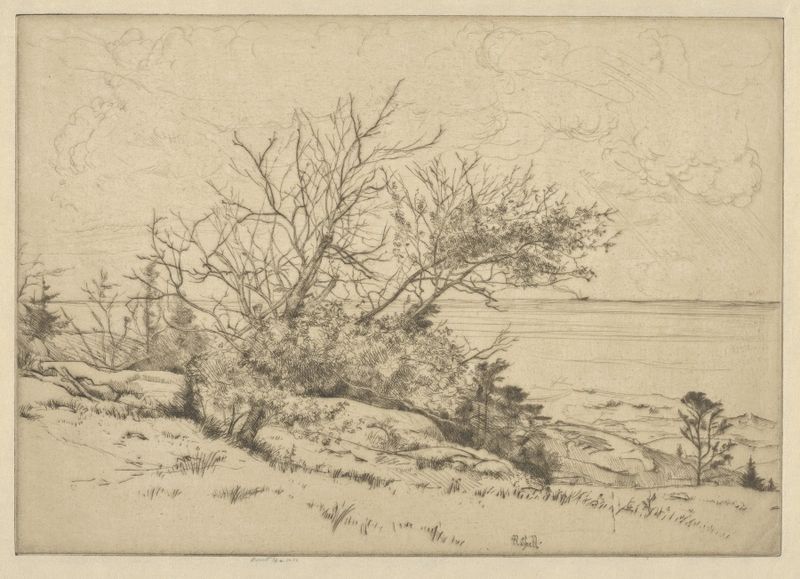
To the Southward – Ragged Island, Me.
Ernest Haskell
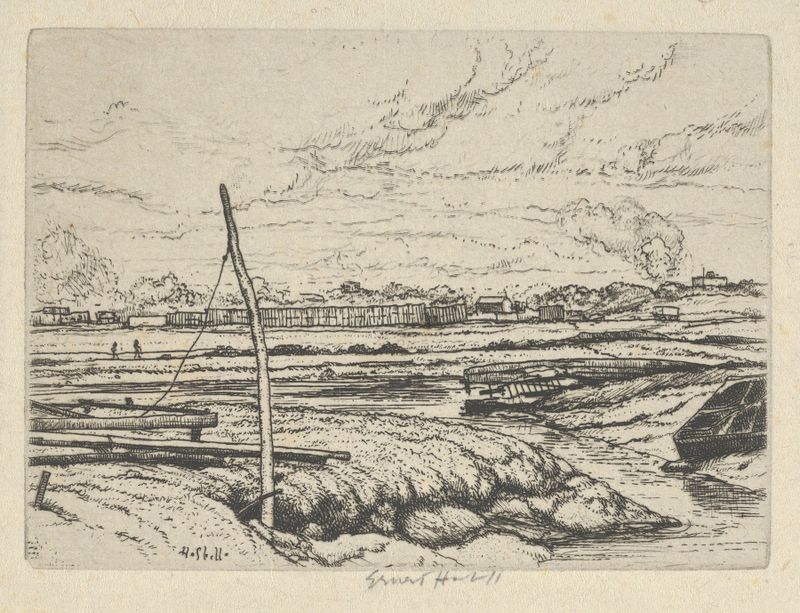
Long Island Marshes
Ernest Haskell





