
The Waterfalls at Tivoli, with the Villa of Maecenas — History & Facts
What lies behind the allure of a perfect landscape, whispering tales of a tranquil past while concealing an undercurrent of fear? Focus first on the cascading waterfalls, where the water tumbles dramatically from the rocky heights, seemingly free yet bound by the harsh contours that frame them. Look closely at the interplay of light and shadow; the sun bathes the scene in a warm glow, illuminating the vibrant greens of the foliage surrounding the villa, contrasted with the darker, abyss-like crevices of the rocks. The delicate balance of these elements evokes a sensation of serenity, while simultaneously hinting at the potential for chaos lurking just beneath the surface. Beneath the serene facade lies an emotional tension; the very beauty that captivates also breeds an unsettling anxiety.
The villa, a symbol of human achievement amid nature’s raw power, invites contemplation on the roles of civilization and nature. The contrast of the gentle slopes with the formidable waterfalls serves as a reminder of nature’s unpredictable ferocity, suggesting that beauty may not be as safe as it appears. Created between 1740 and 1750, this work emerged during a period when Vernet was establishing his reputation as a master of landscape painting in France. Living in a time of great artistic exploration and change, he found inspiration in the picturesque landscapes of Italy, capturing both their grandeur and their underlying complexities.
As he painted, Europe was witnessing a burgeoning interest in the sublime, reflecting humanity's relationship with nature—a theme that resonated deeply in his work.
More Artworks by Claude-Joseph Vernet
Browse all →
An Italian Harbour in Stormy Weather
Claude-Joseph Vernet
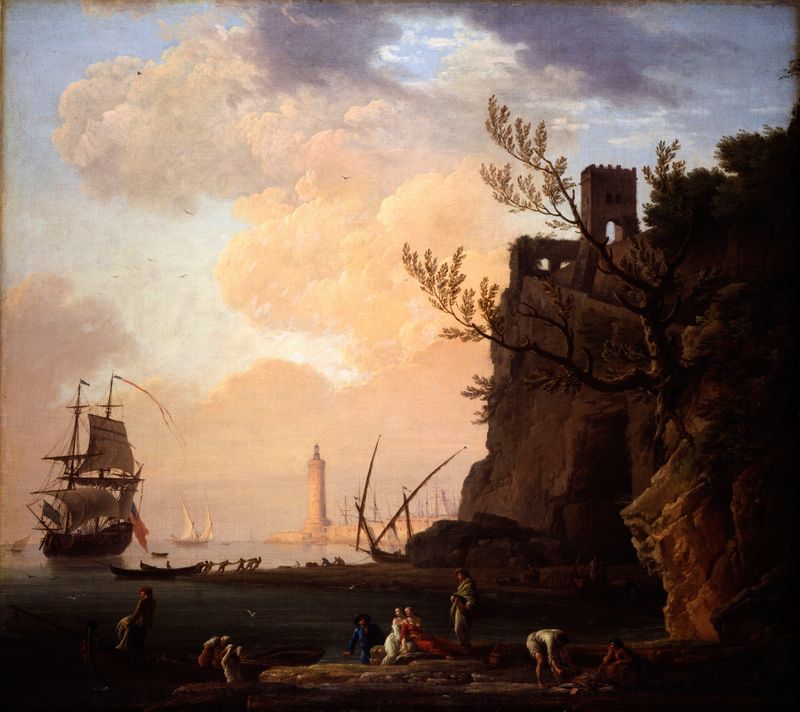
An Italianate Harbour Scene
Claude-Joseph Vernet
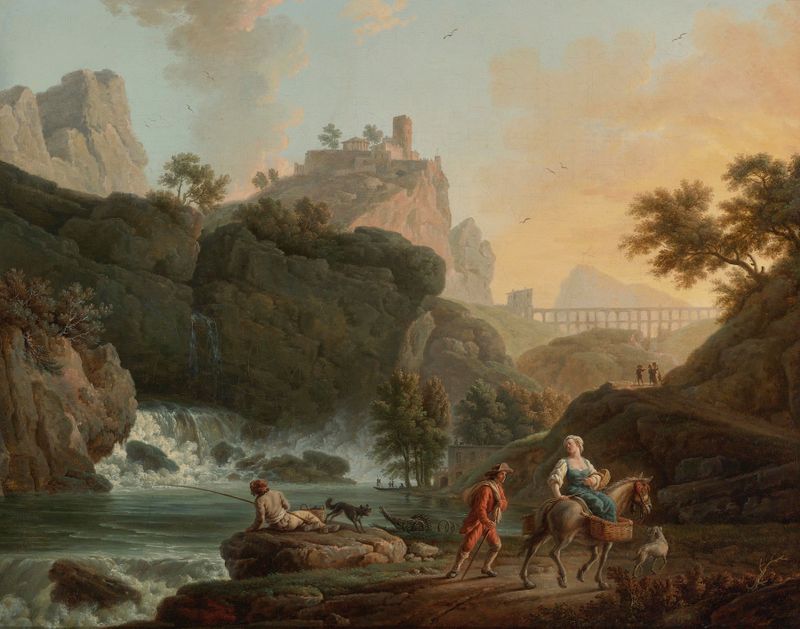
A Rocky Landscape With A fisherman And Travellers By A River With A Waterfall, An Aqueduct In The Distance
Claude-Joseph Vernet
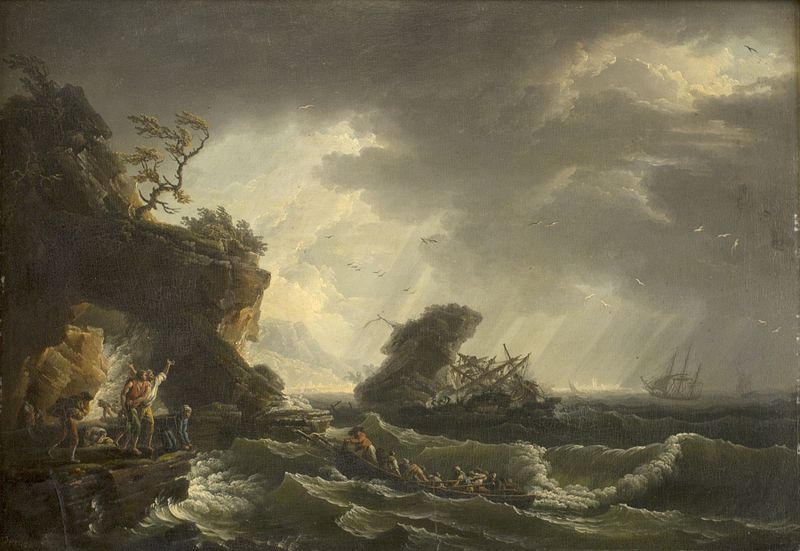
A Shipwreck
Claude-Joseph Vernet

A Mediterranean Harbor At Sunset With Fisherfolk At The Water’s Edge, A Lighthouse And A Man Of War At Anchor In The Bay
Claude-Joseph Vernet
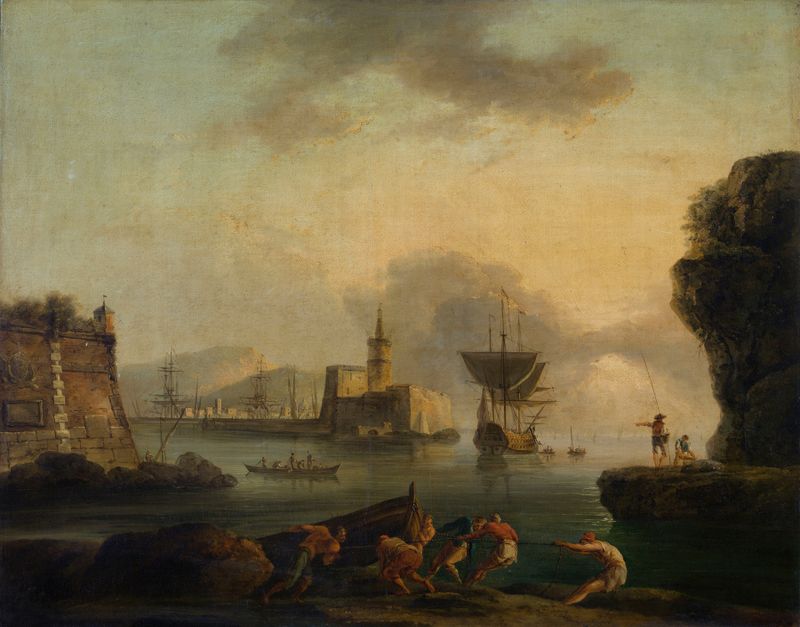
Naples
Claude-Joseph Vernet
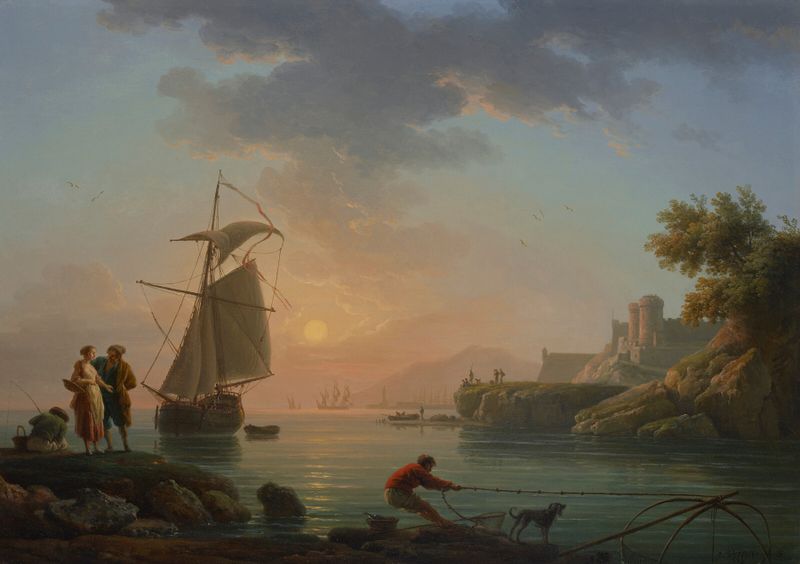
Mediterranean port at sunset, with a fisherman in the foreground
Claude-Joseph Vernet
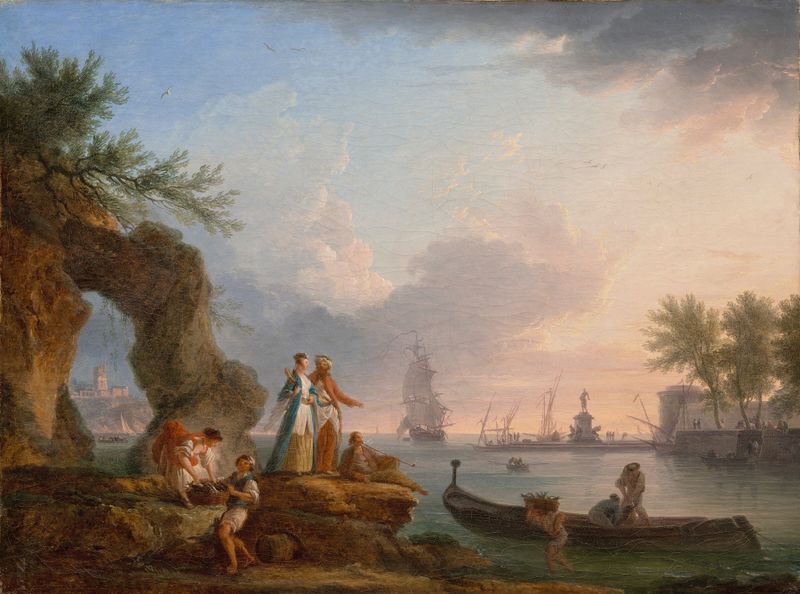
View of a port at sunset with fishermen and a couple in oriental dress
Claude-Joseph Vernet

A Calm at a Mediterranean Port
Claude-Joseph Vernet

A Grand View Of The Sea Shore Enriched With Buildings, Shipping And Figures
Claude-Joseph Vernet





