
The Wave — History & Facts
What if beauty was never meant to be finished? In The Wave, the essence of movement unfurls, inviting us to contemplate the transient nature of existence itself. Focus on the fluidity of the waves in the foreground, where delicate brushstrokes create a sense of rhythm and life. Notice how the gradation of blues deepens into rich indigos, suggesting depths both physical and emotional. The whitecaps dance atop the water, capturing not just light but the very essence of motion, revealing the artist's skillful handling of paint to evoke a visceral response from the viewer. The contrast between the tumultuous waves and the serene sky invites reflection on the dualities of life—chaos and calm, struggle and peace.
Each crest holds a story, a moment frozen yet alive, while the horizon hints at the vast unknown beyond. It’s as if Hills encapsulates a fleeting moment—beauty on the brink of transformation, urging viewers to embrace the ever-changing nature of their own journeys. Robert Hills created this piece during a time when Romanticism was shifting the focus in art towards nature and emotion. While the exact date remains uncertain, his works resonate with the era's exploration of landscapes and human experience.
Hills often found inspiration in the natural world, capturing its ebb and flow, reflecting not just a scene but the soul's yearning for connection to the beauty of the environment.
More Artworks by Robert Hills
Browse all →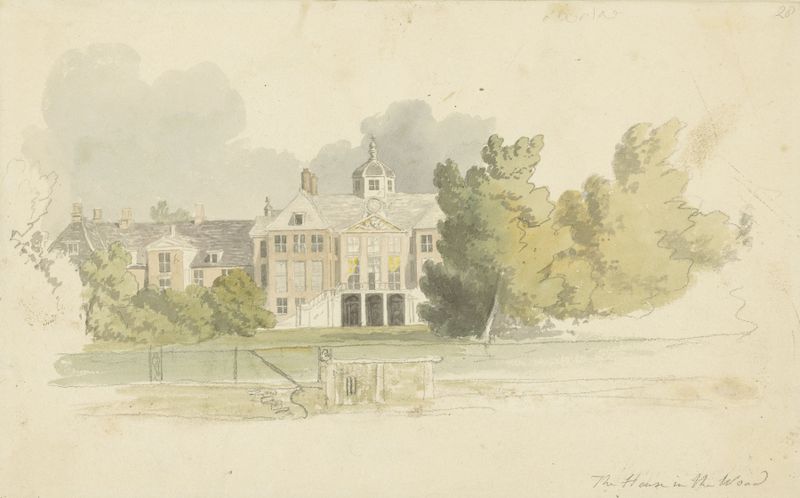
Gezicht op Huis ten Bosch
Robert Hills

Farmyard with Horses Waiting
Robert Hills
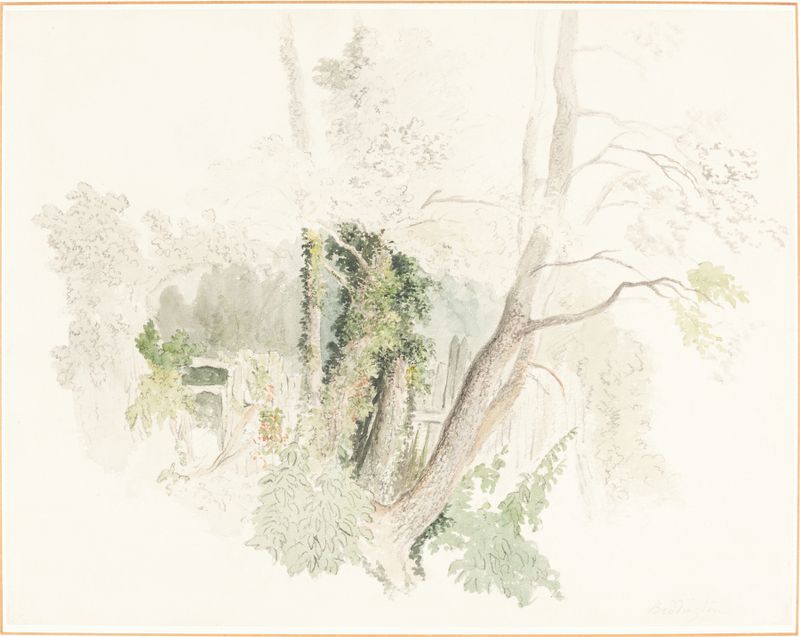
Trees at Beddington
Robert Hills

Woodland Study
Robert Hills
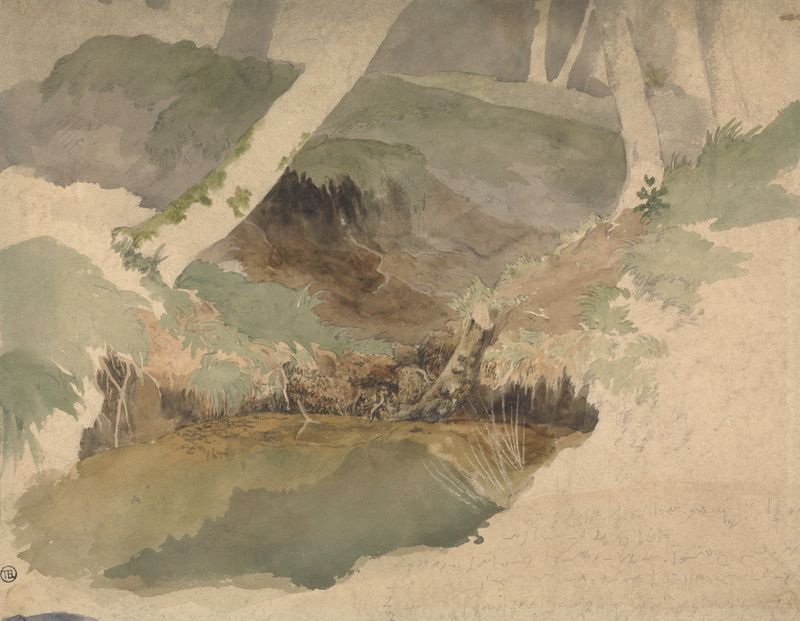
Forest Pool
Robert Hills

A Country Lane with Haystack and Gate
Robert Hills

Orchard Trees at Under River near Knole
Robert Hills
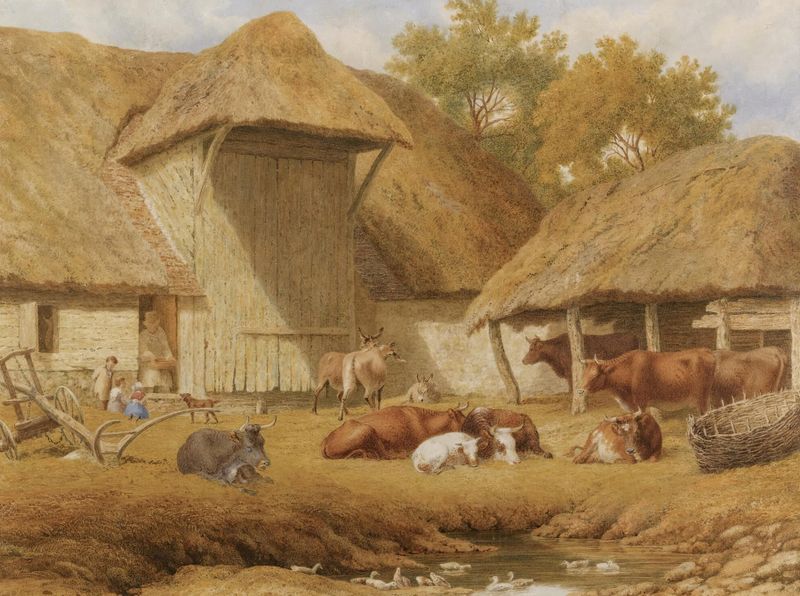
Cattle resting beside farm buildings
Robert Hills
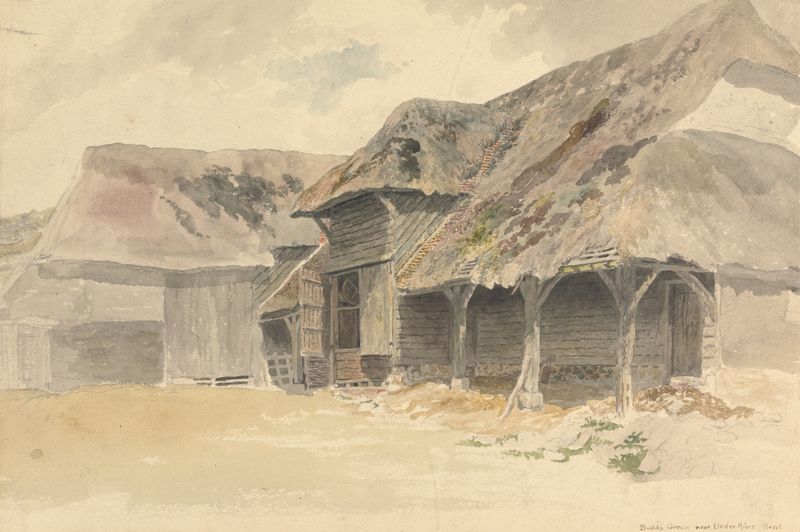
Budds Green, Kent
Robert Hills

The Fallen Tree
Robert Hills





