
The White Tablecloth — History & Facts
In The White Tablecloth, Juan Gris presents a still life composition characterized by a white tablecloth that dominates the scene. The painting features a variety of objects, including fruits and a bottle, arranged in a harmonious manner. The colors are muted yet rich, with shades of white, brown, and green that create depth.
The geometric shapes and fragmented forms are typical of the Cubist style, giving the work a modern feel. This painting is executed in oil on canvas, showcasing Gris's skill in manipulating light and shadow. The dimensions are approximately 60 x 80 cm, making it a medium-sized work that invites viewers to engage closely. The use of overlapping planes and angular forms highlights the Cubist approach, as objects are depicted from multiple viewpoints.
This technique not only challenges traditional representation but also enhances the visual complexity of the composition. Juan Gris, a prominent figure in the Cubist movement, created The White Tablecloth around 1915. This work reflects his innovative approach to still life, where he combined everyday objects with abstract forms. An interesting fact about this painting is that it exemplifies Gris's ability to blend color and form, making the ordinary appear extraordinary.
Today, it is housed in the Museo Thyssen-Bornemisza, where it continues to inspire admiration for its unique style.
More Artworks by Juan Gris
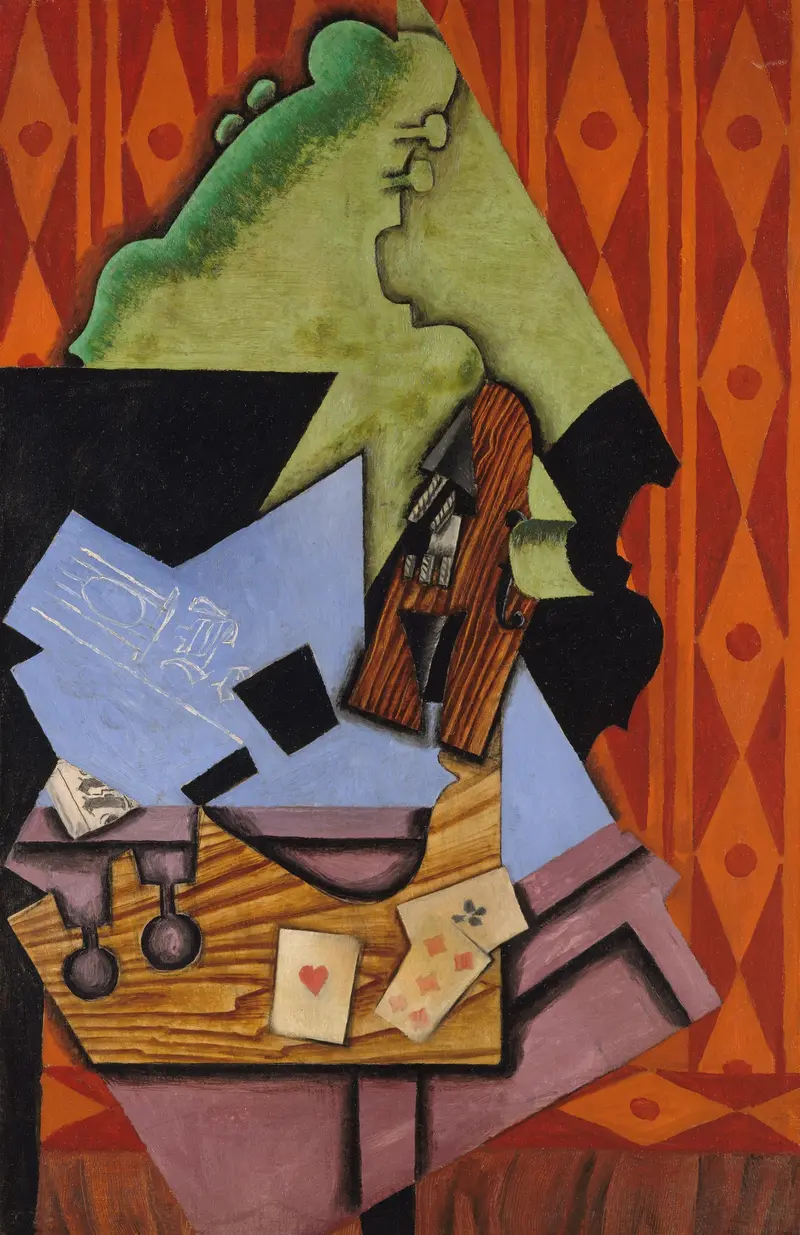
Violin and Playing Cards on a Table
Juan Gris

Portrait of Picasso
Juan Gris
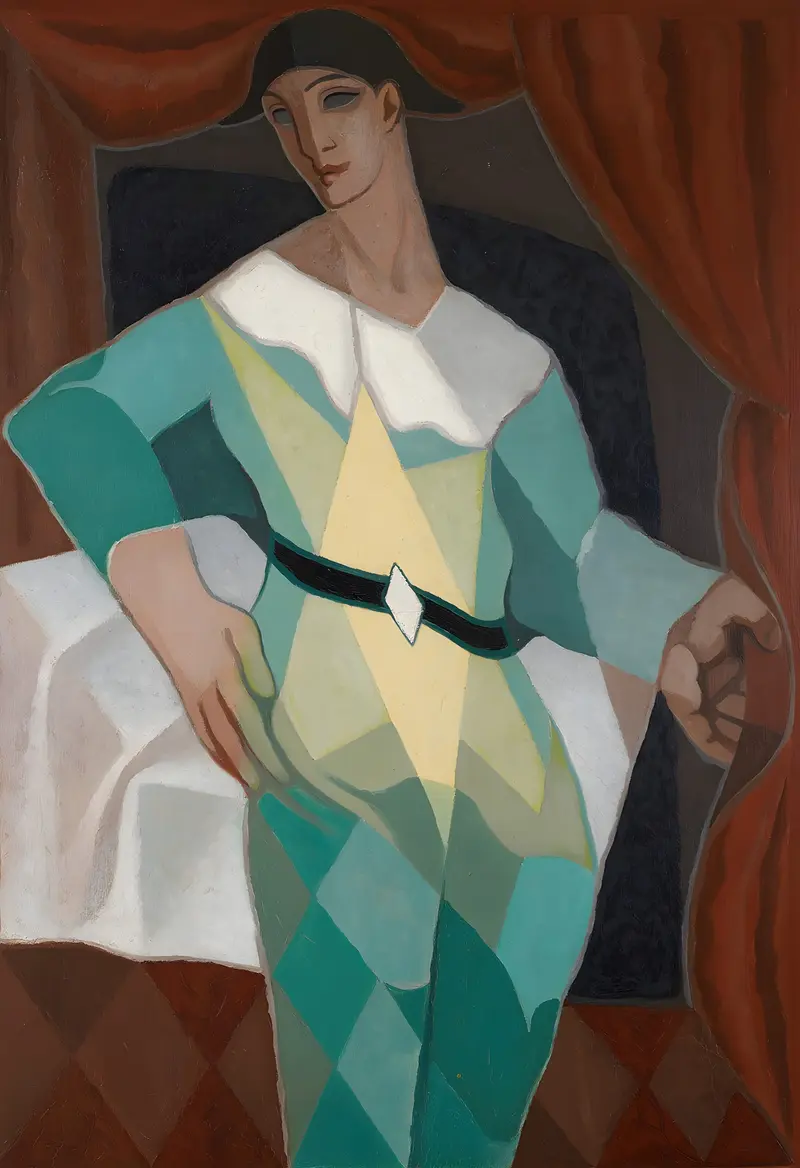
Arlequin
Juan Gris

A Guitar, Glasses and a Bottle
Juan Gris
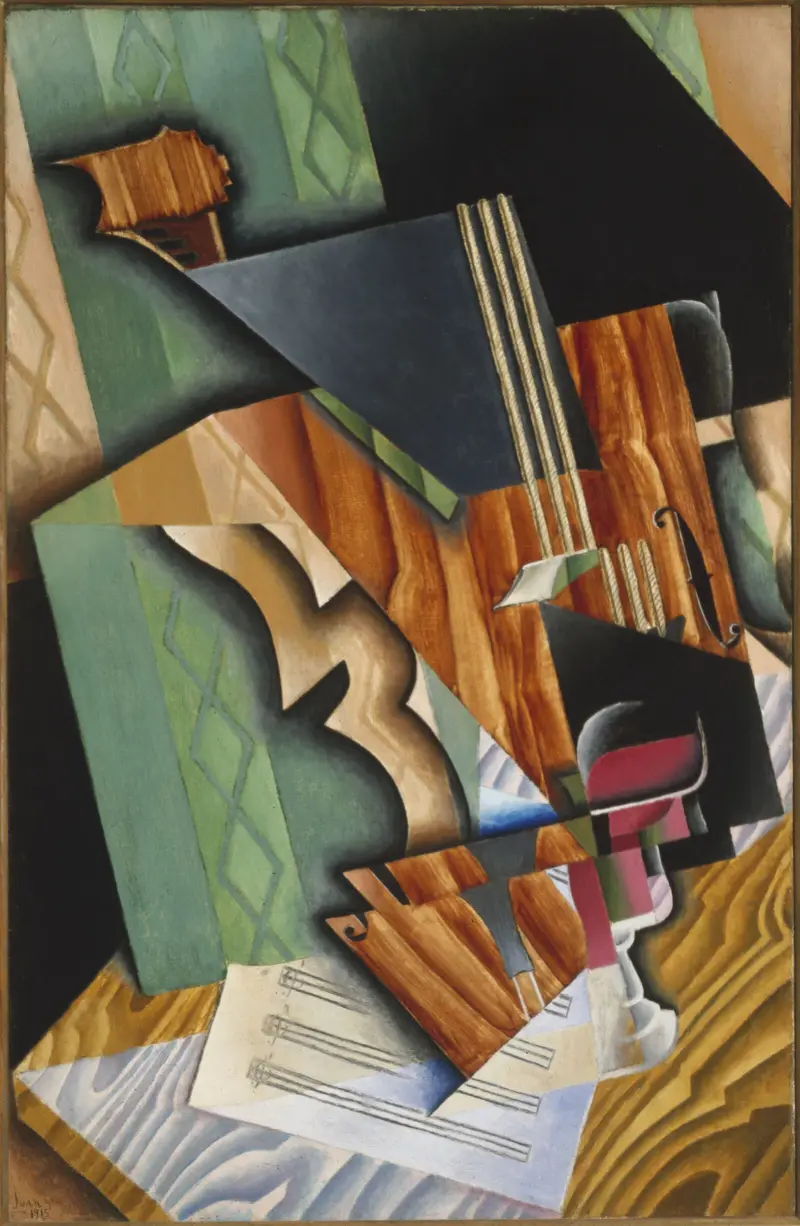
Violin and Glass
Juan Gris

Bottle and fruit bowl
Juan Gris
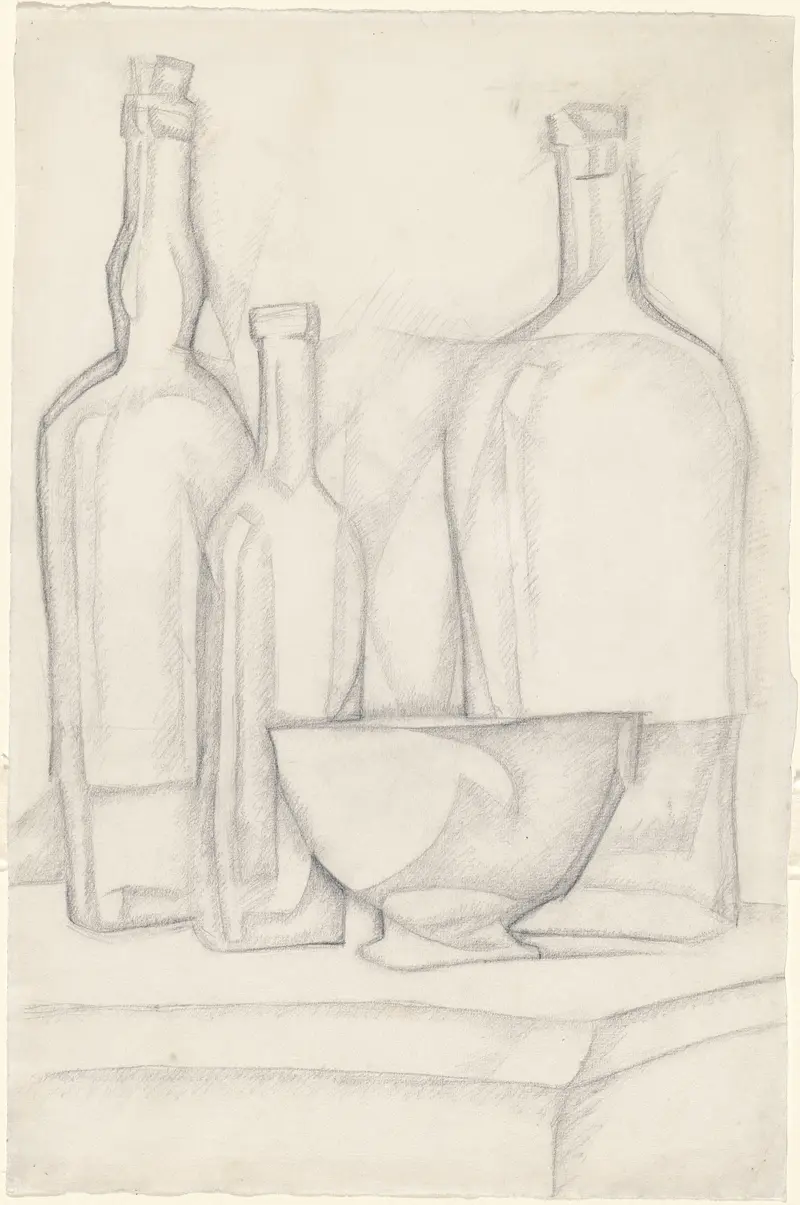
Bottles and Bowl
Juan Gris
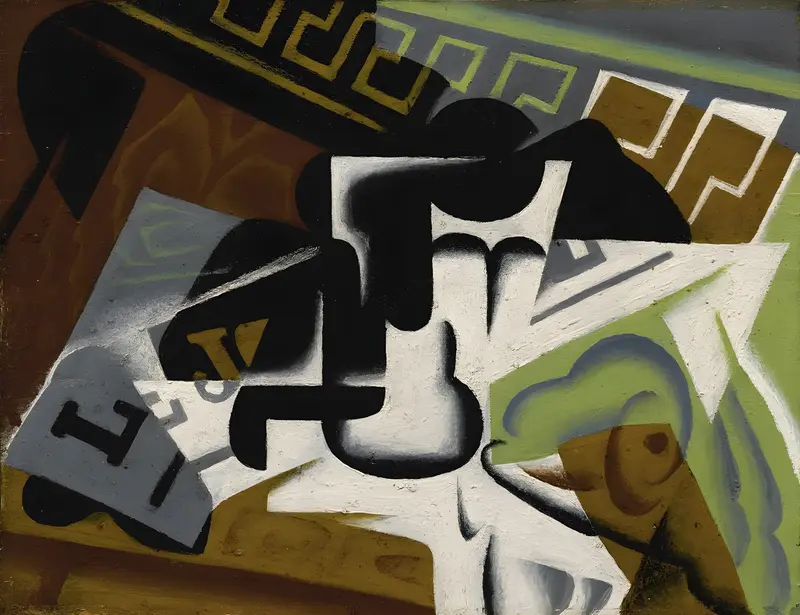
Journal et compotier
Juan Gris
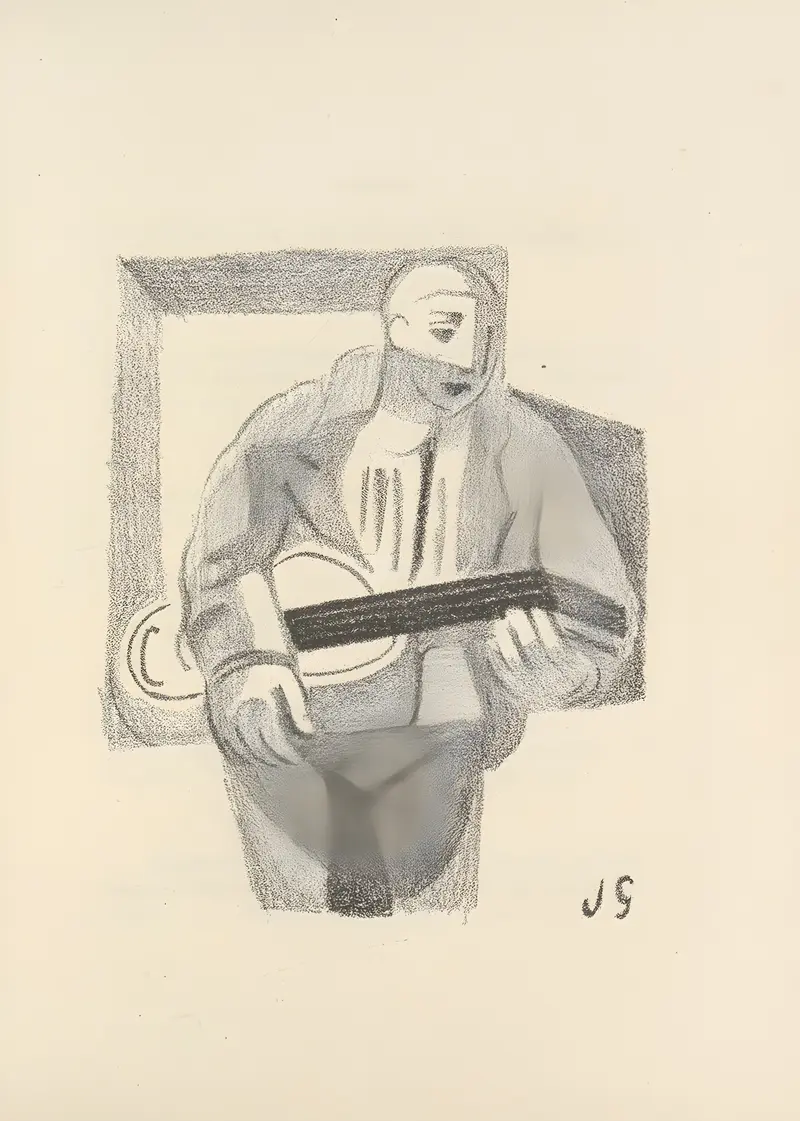
As a wife has a cow Pl.2
Juan Gris
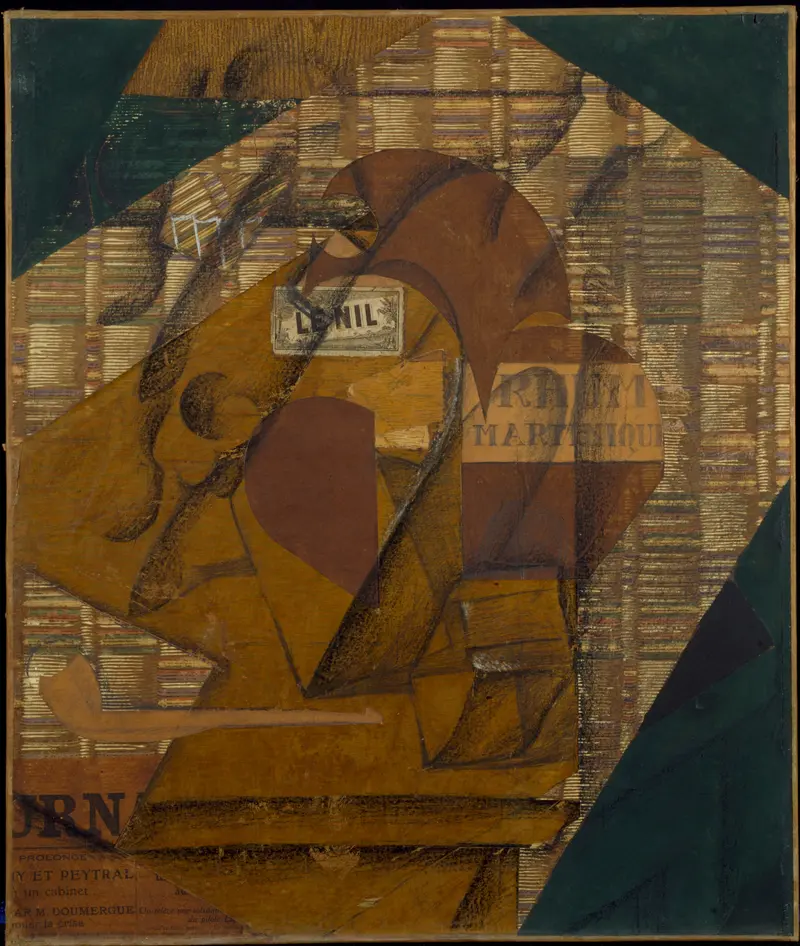
Bottle of Rum and Newspaper
Juan Gris





