Discover insights about this artwork
The Woman Taken In Adultery — History & Facts
In The Woman Taken In Adultery, Guercino presents a dramatic scene filled with rich colors and expressive figures. The painting captures the moment of tension as a woman is brought before a group of men, likely the Pharisees. The use of light and shadow enhances the emotional impact, drawing the viewer's eye to the central figures.
The background is muted, allowing the characters to stand out prominently. The painting is executed in oil on canvas, a common medium during the Baroque period. Guercino's technique showcases his skill in rendering human emotions and intricate details. The dimensions of the artwork are approximately 120 x 160 cm, making it a significant piece that commands attention.
The composition is carefully arranged, guiding the viewer's gaze through the scene. Guercino, born Giovanni Francesco Barbieri, was a prominent Italian Baroque painter known for his dramatic use of light and shadow. This work reflects the artist's deep understanding of human emotion and narrative. An interesting fact about this painting is that it was created during a time when biblical themes were particularly popular in art, as artists sought to convey moral lessons through their work.
The Woman Taken In Adultery remains a powerful example of Baroque storytelling through visual art.
More Artworks by Guercino

The Entombment
Guercino
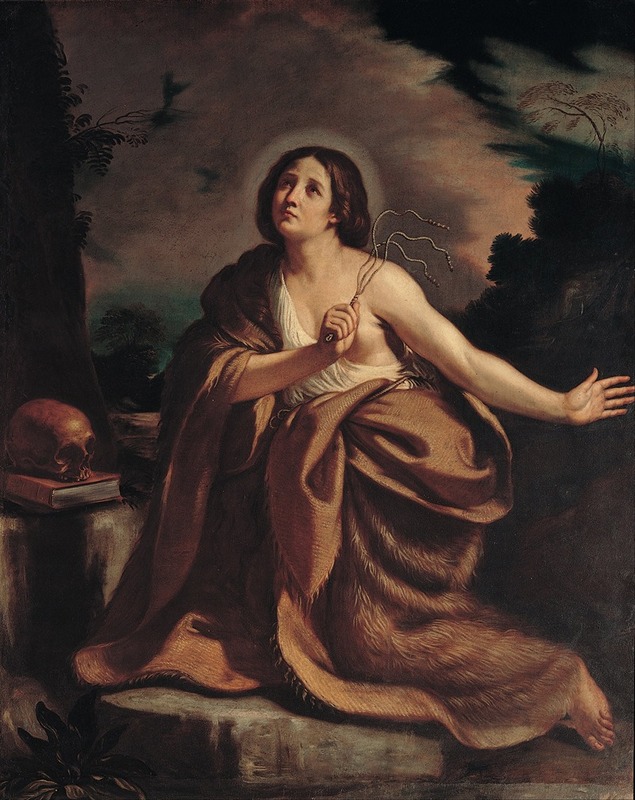
Penitent Magdalene
Guercino
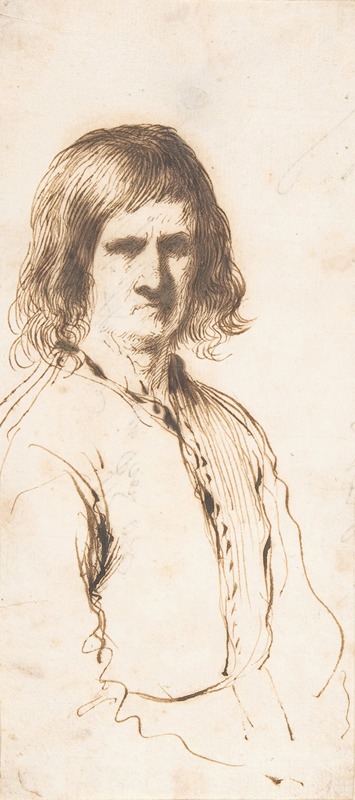
Portrait of Morose Man in Half-Length
Guercino
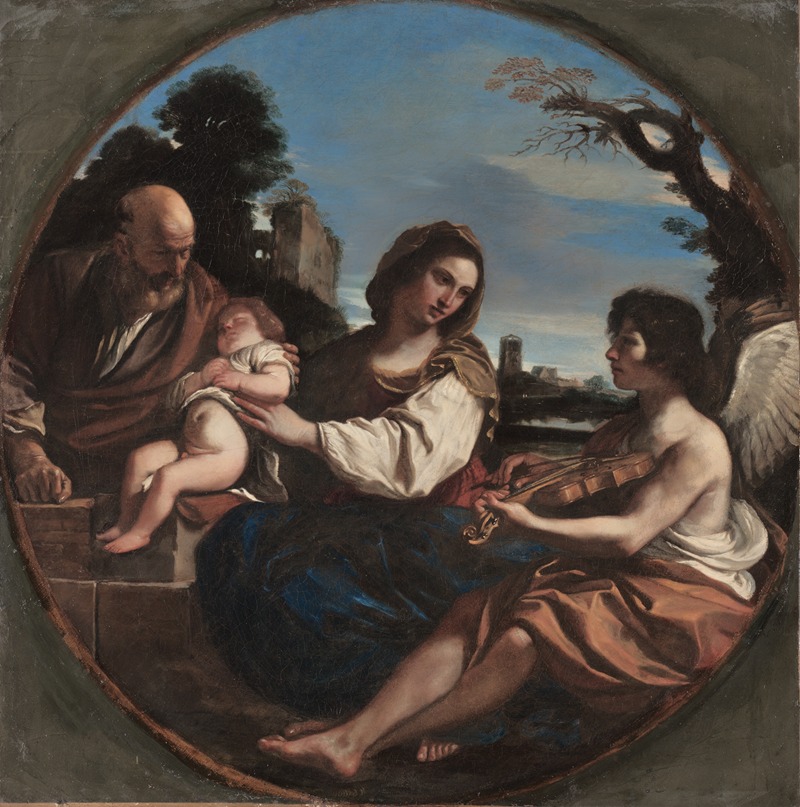
Rest on the Flight into Egypt
Guercino
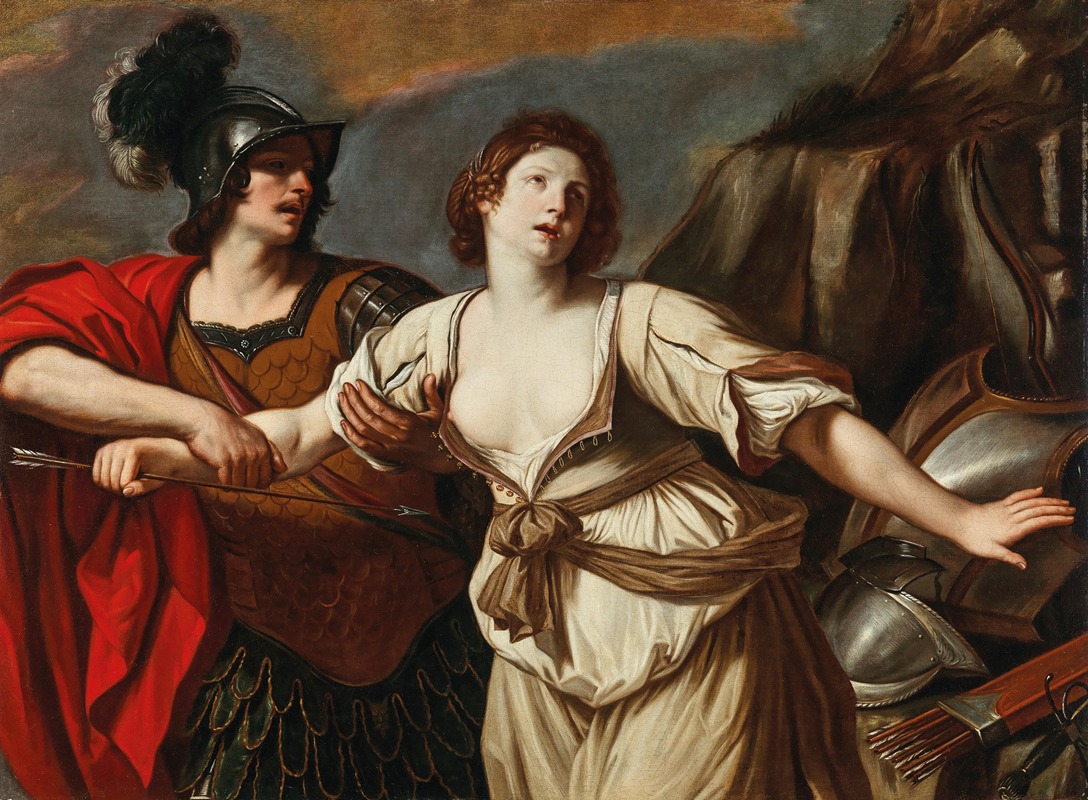
Rinaldo ed Armida
Guercino
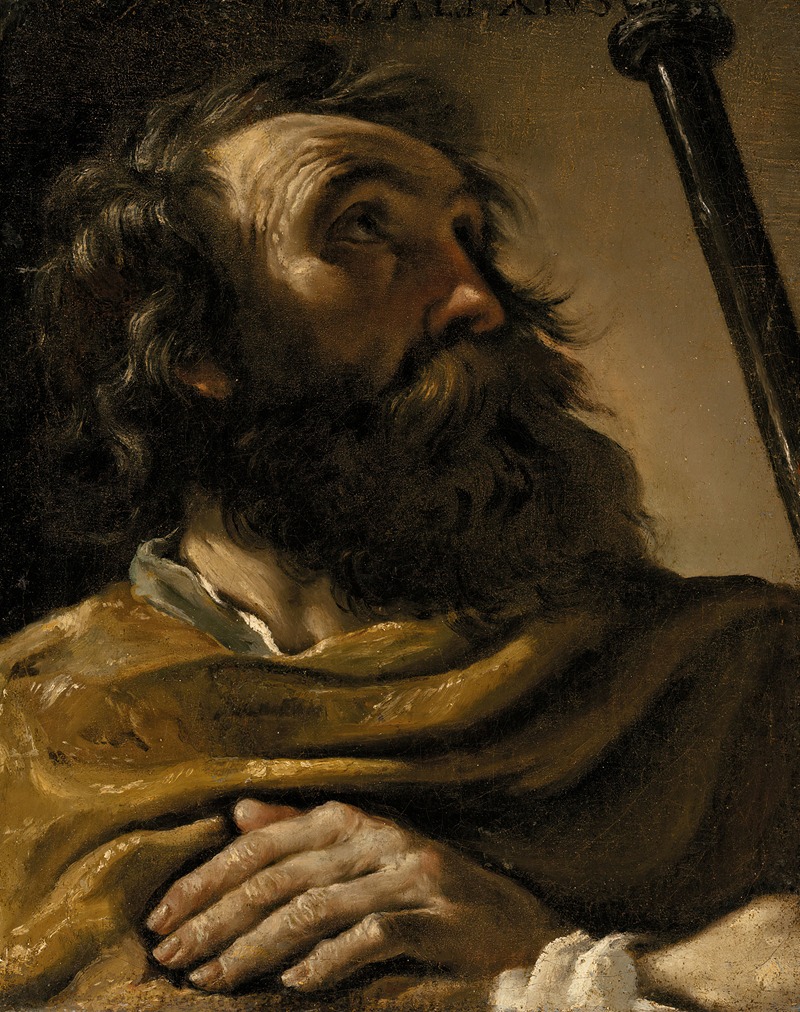
Saint Alexius In A Brown Wrap, Holding A Staff
Guercino
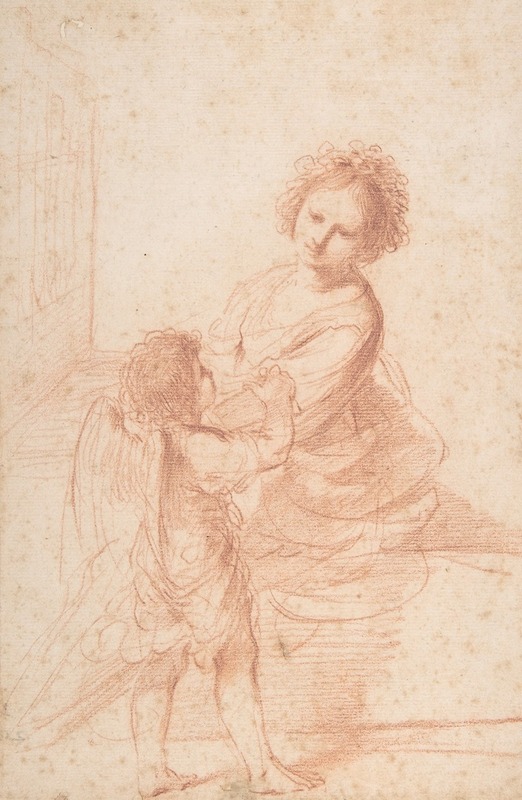
Saint Cecilia Playing the Organ
Guercino
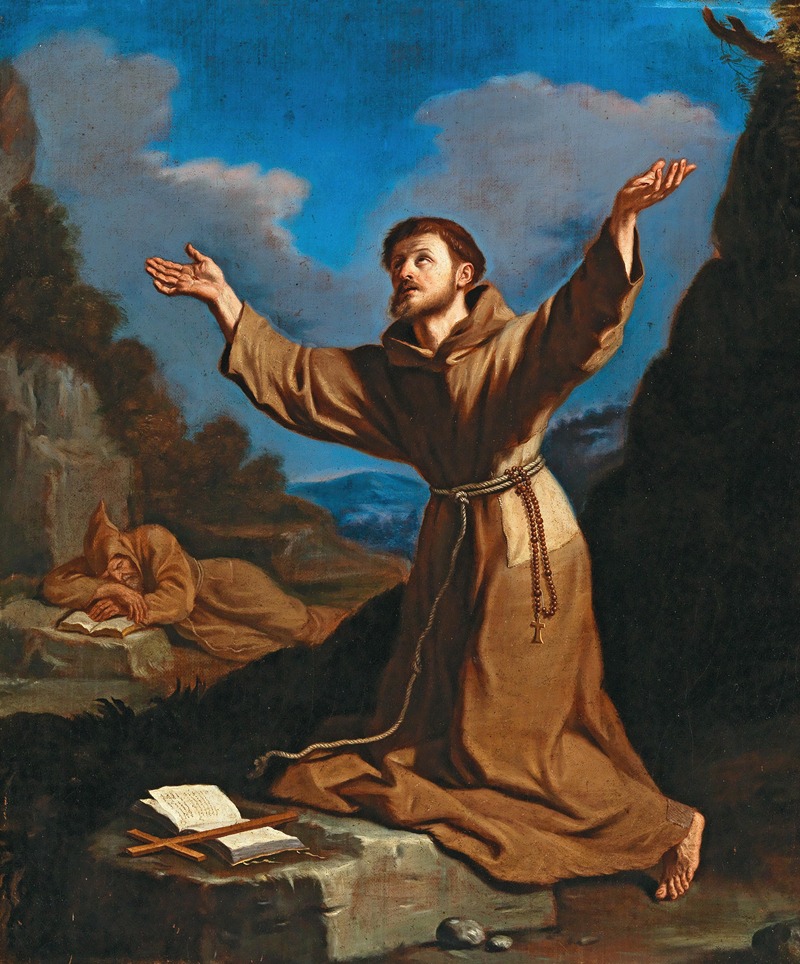
Saint Francis receiving the Stigmata
Guercino
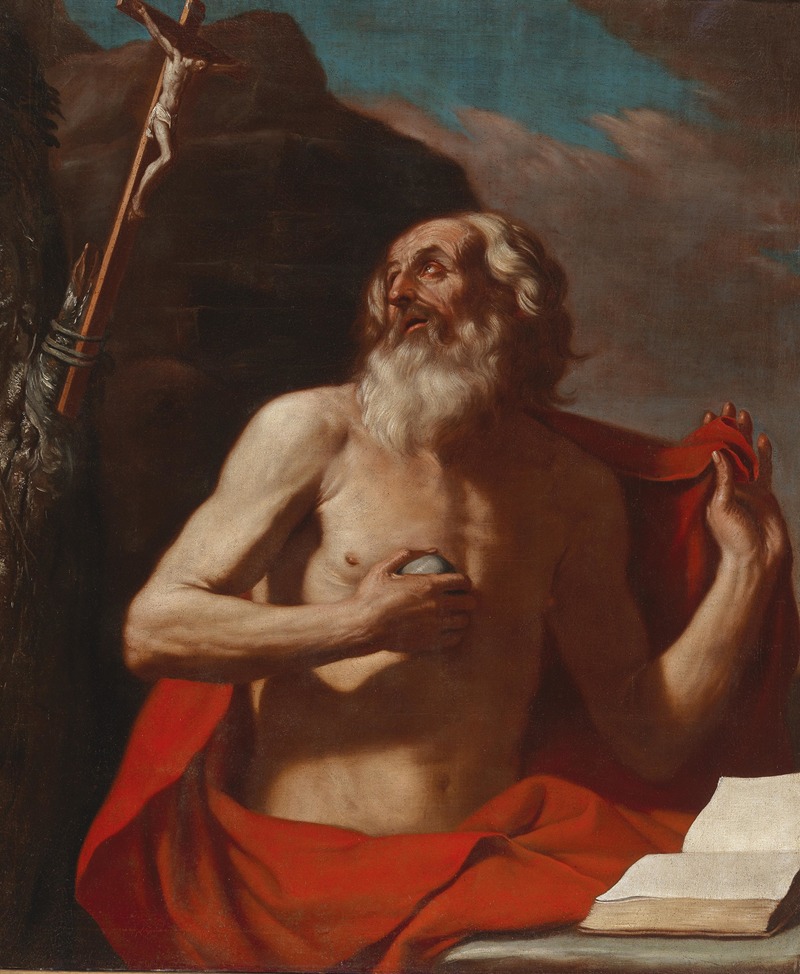
Saint Jerome
Guercino
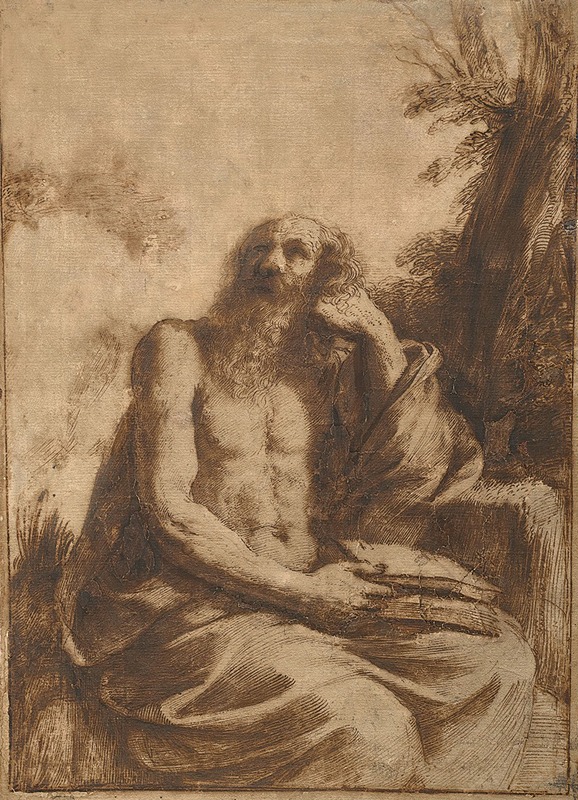
Saint Jérôme
Guercino