Discover insights about this artwork
Thistle — History & Facts
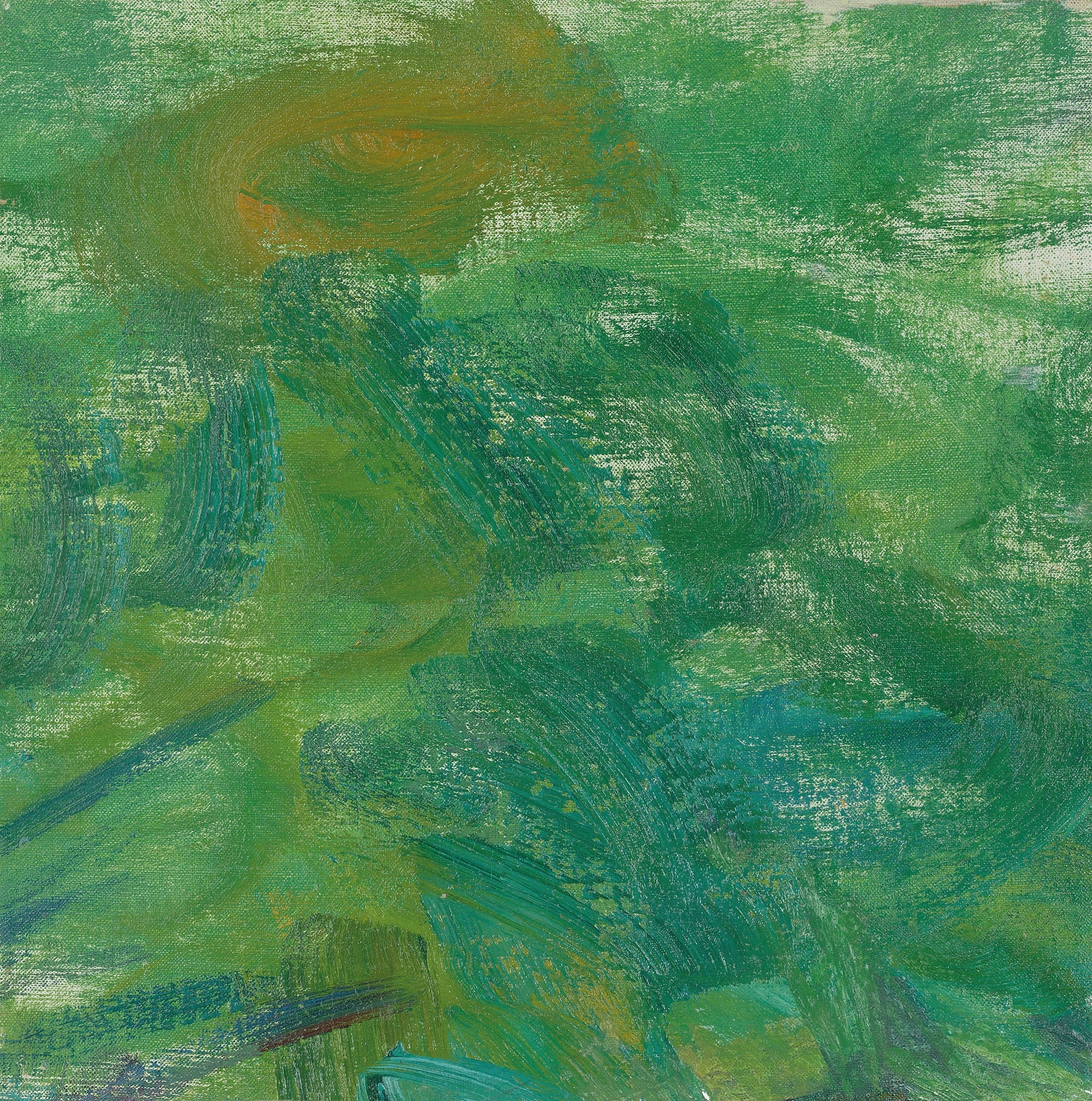
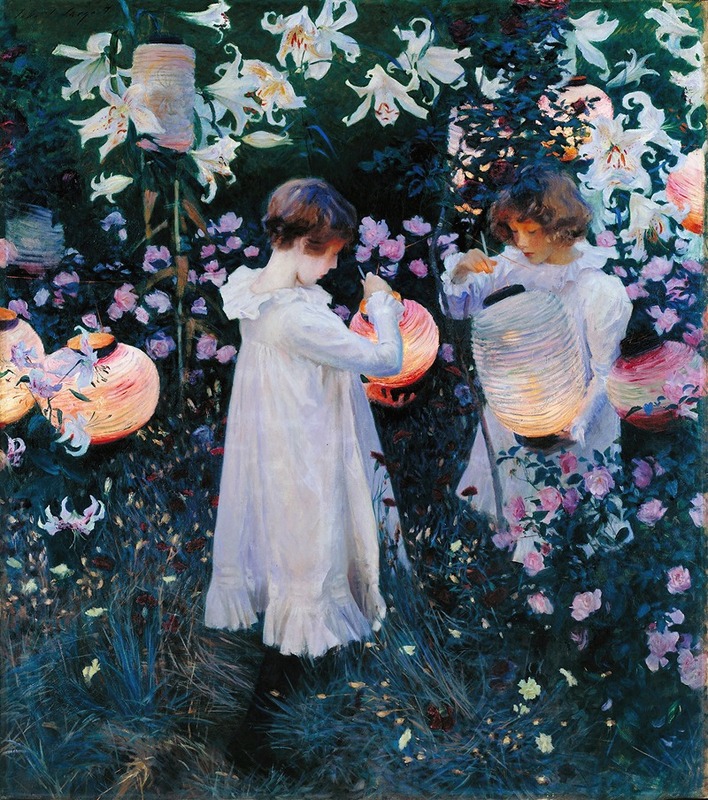
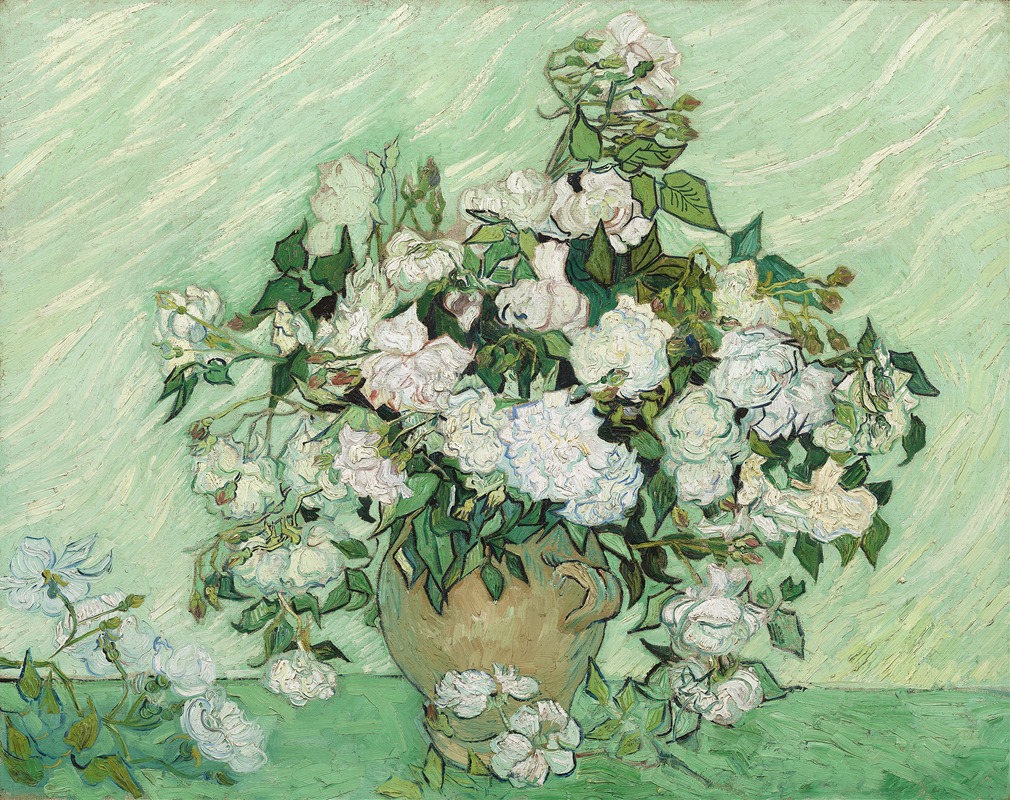
In Thistle, Paul Cézanne presents a striking depiction of a thistle plant. The painting is characterized by its vibrant greens and purples, creating a lively contrast. The thistle stands prominently against a softer background, drawing the viewer's attention.
The brushwork is distinct, with visible strokes that add texture and depth to the composition. The painting is executed in oil on canvas, a medium that allows for rich color layering. Cézanne's technique involves building up the paint in thick applications, which is evident in the thistle's petals. The dimensions are approximately 60 x 80 cm, making it a medium-sized work that invites close inspection.
The use of light and shadow enhances the three-dimensionality of the thistle. Paul Cézanne was a pivotal figure in the transition from Impressionism to modern art. Thistle is a testament to his fascination with nature and his innovative approach to form and color. Interestingly, this work reflects his desire to capture the essence of the subject rather than a mere representation.
Cézanne's influence can be seen in the works of many later artists, solidifying his legacy in art history.
More Artworks by Paul Cézanne
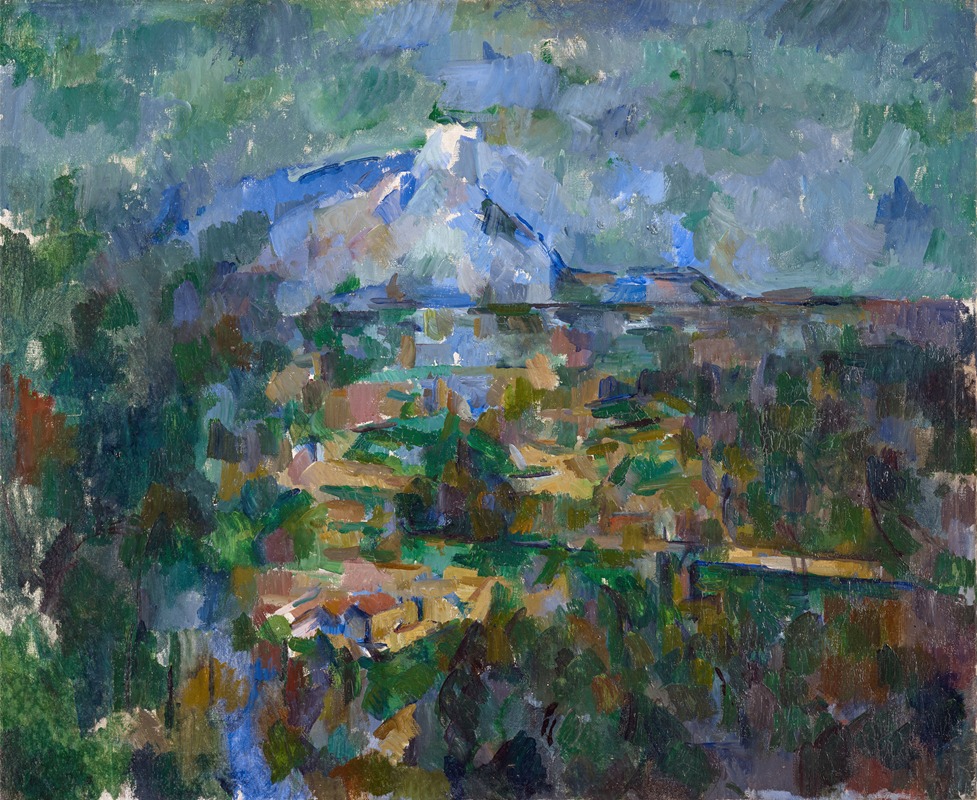
The Mont Sainte-Victoire Seen From Les Lauves
Paul Cézanne
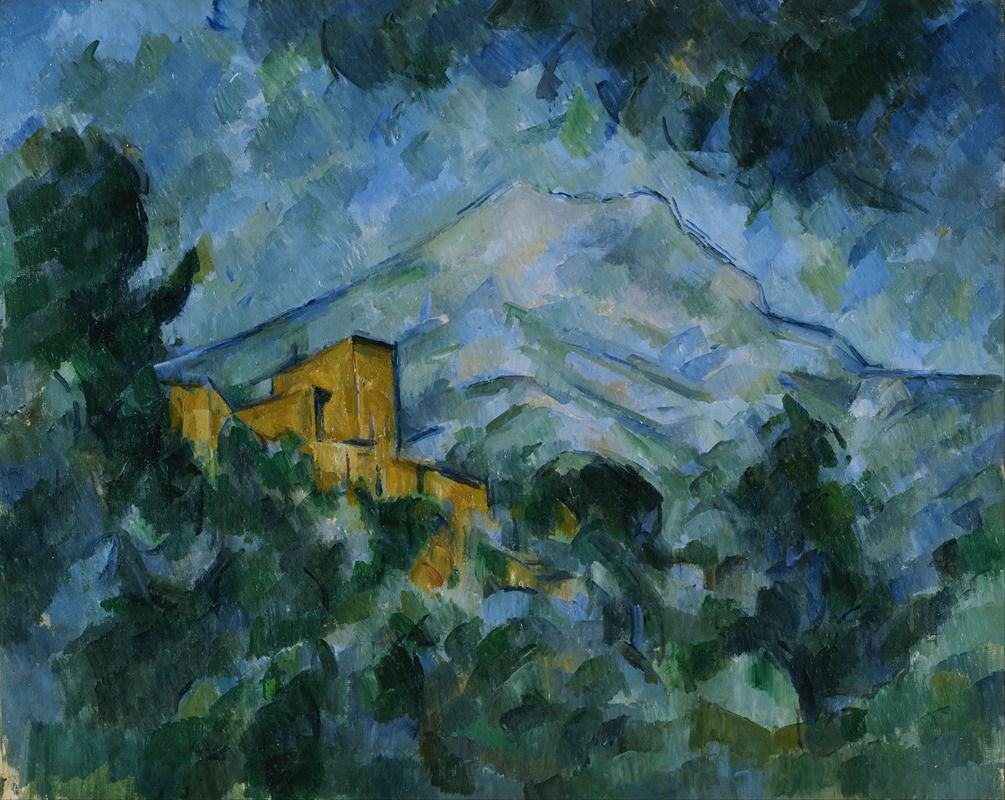
Mont Sainte-Victoire and Château Noir
Paul Cézanne
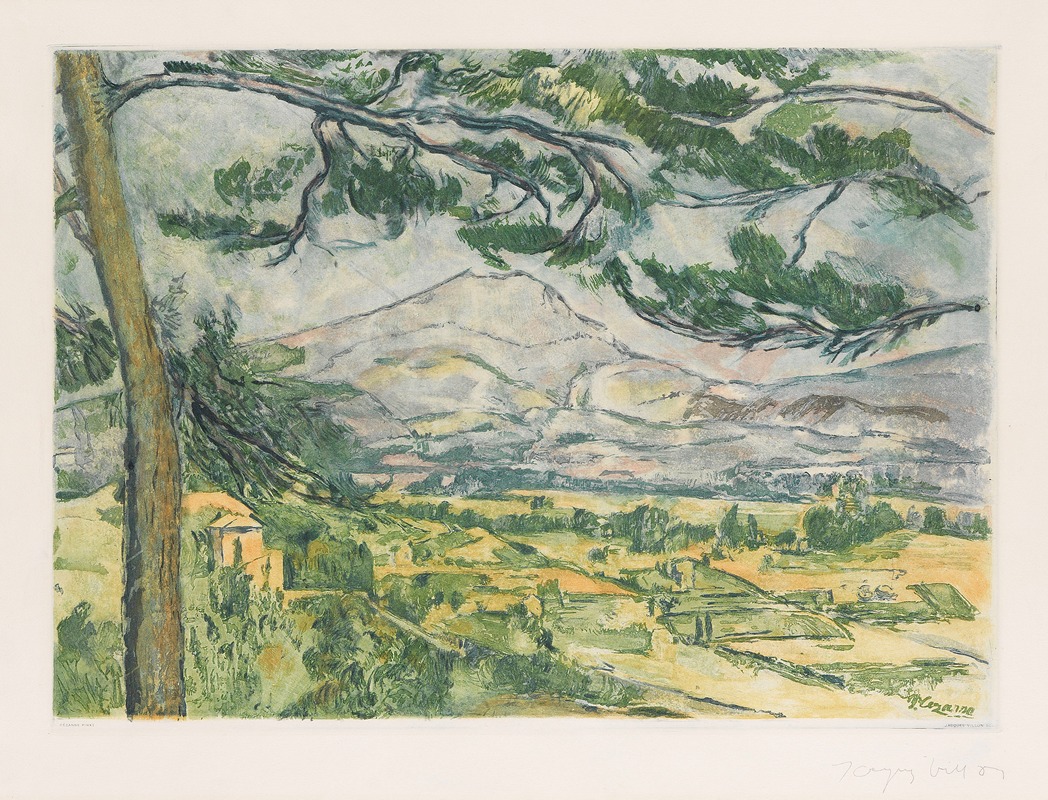
La Montagne Sainte-Victoire
Paul Cézanne
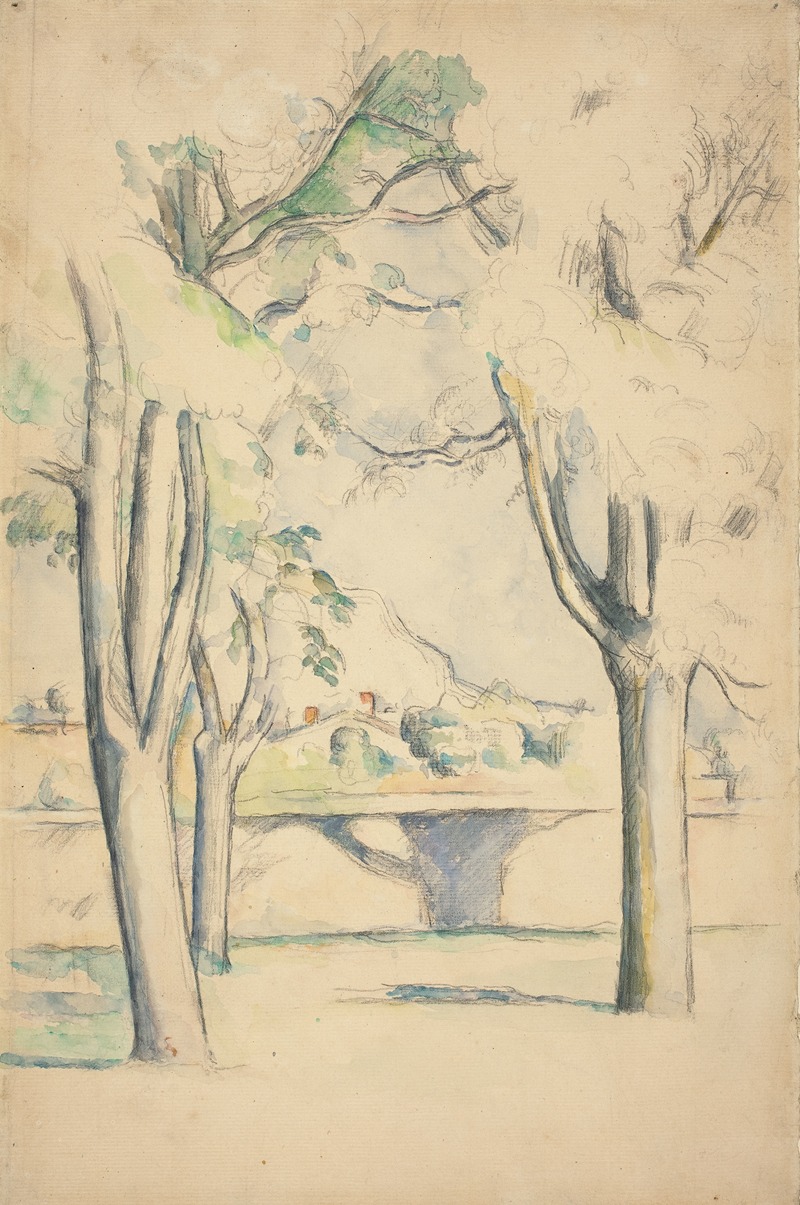
Mont Sainte-Victoire Seen beyond the Wall of the Jas de Bouffan
Paul Cézanne
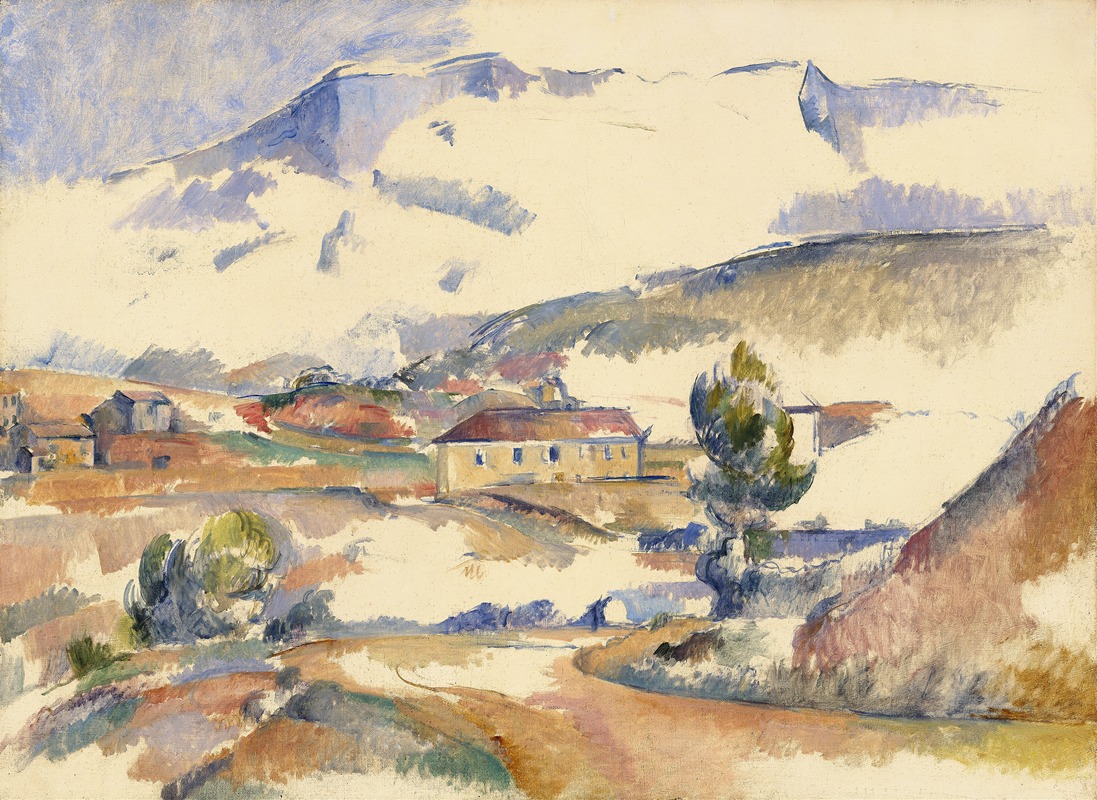
Montagne Sainte-Victoire,from near Gardanne
Paul Cézanne
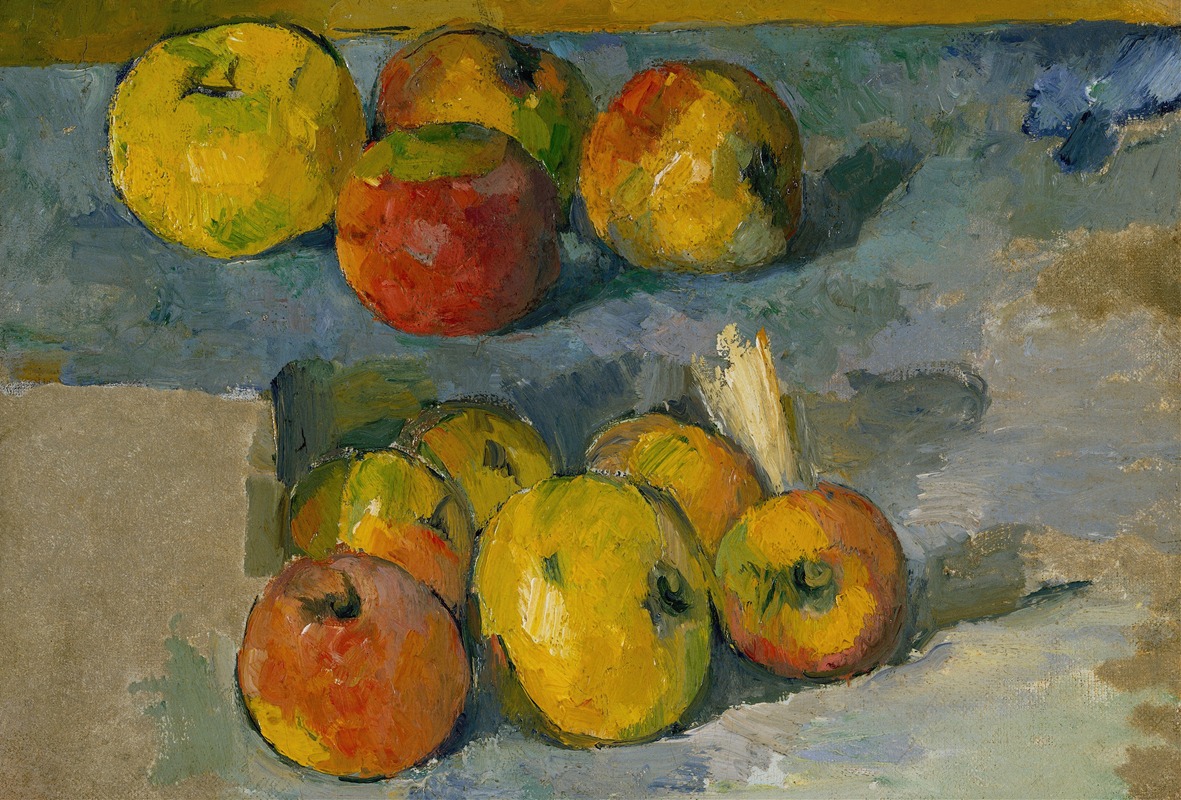
Apples
Paul Cézanne
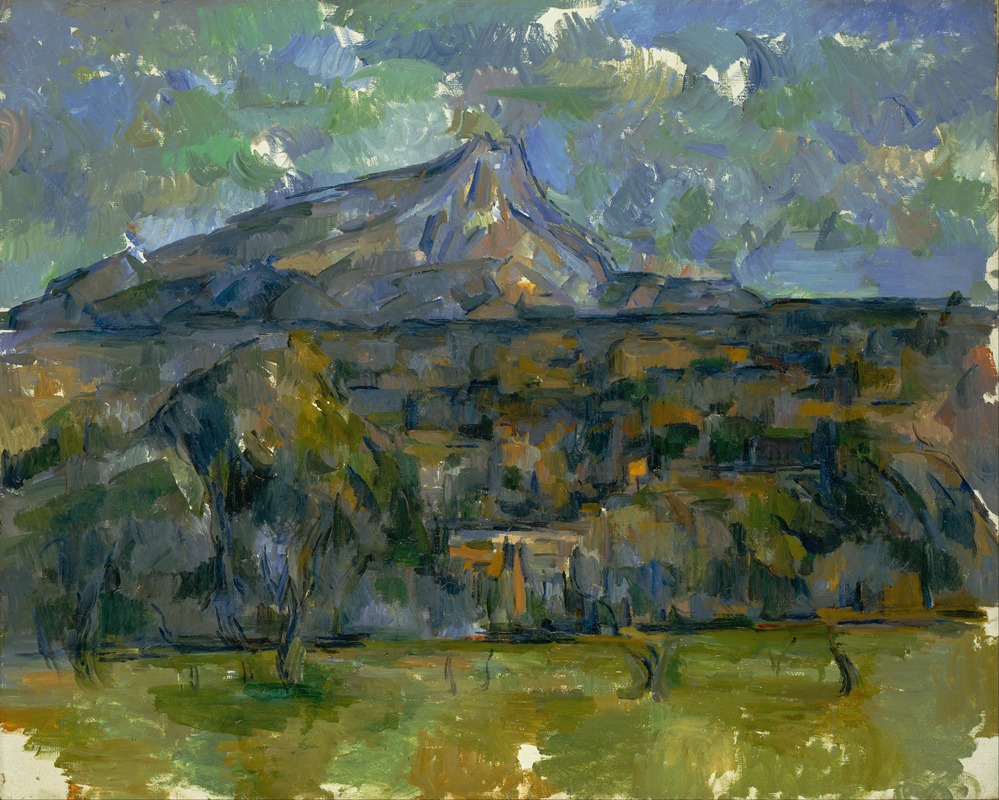
Mont Sainte-Victoire
Paul Cézanne
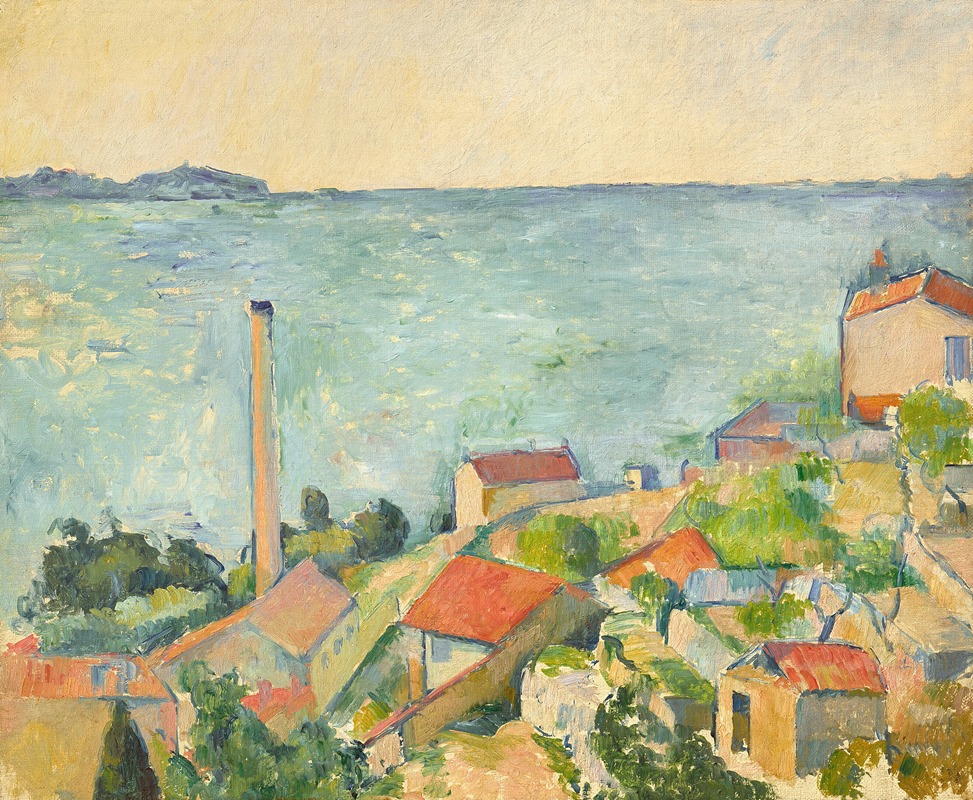
La mer à l’Estaque
Paul Cézanne
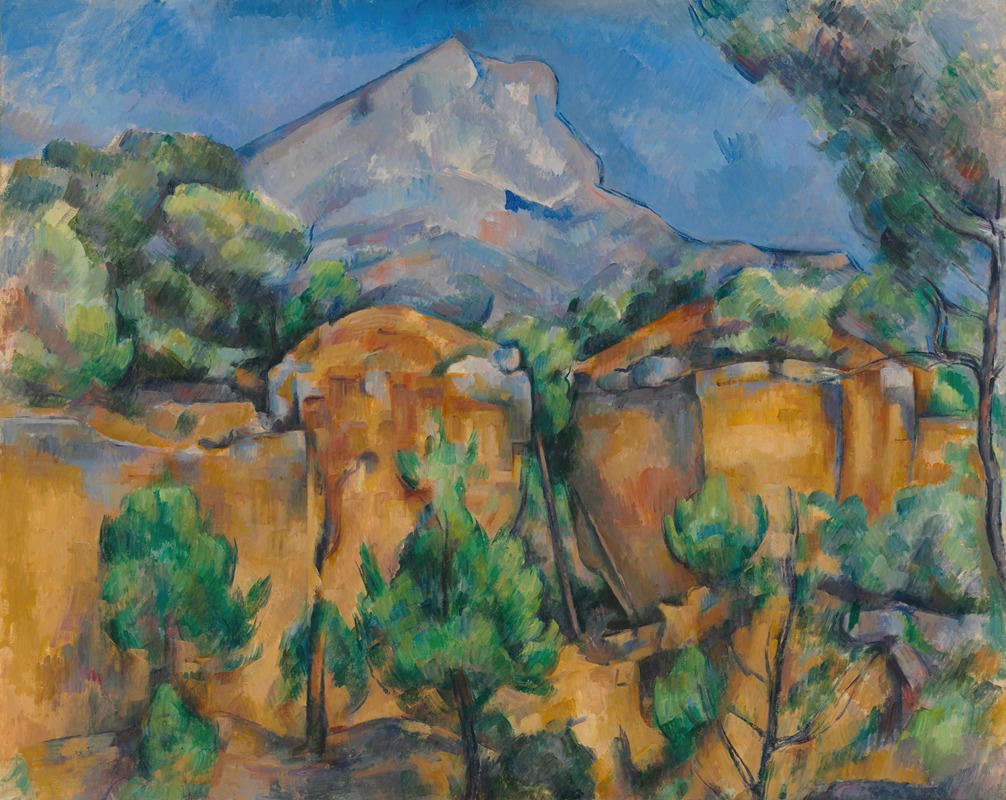
La Montagne Sainte-Victoire vue de la carrière Bibémus
Paul Cézanne
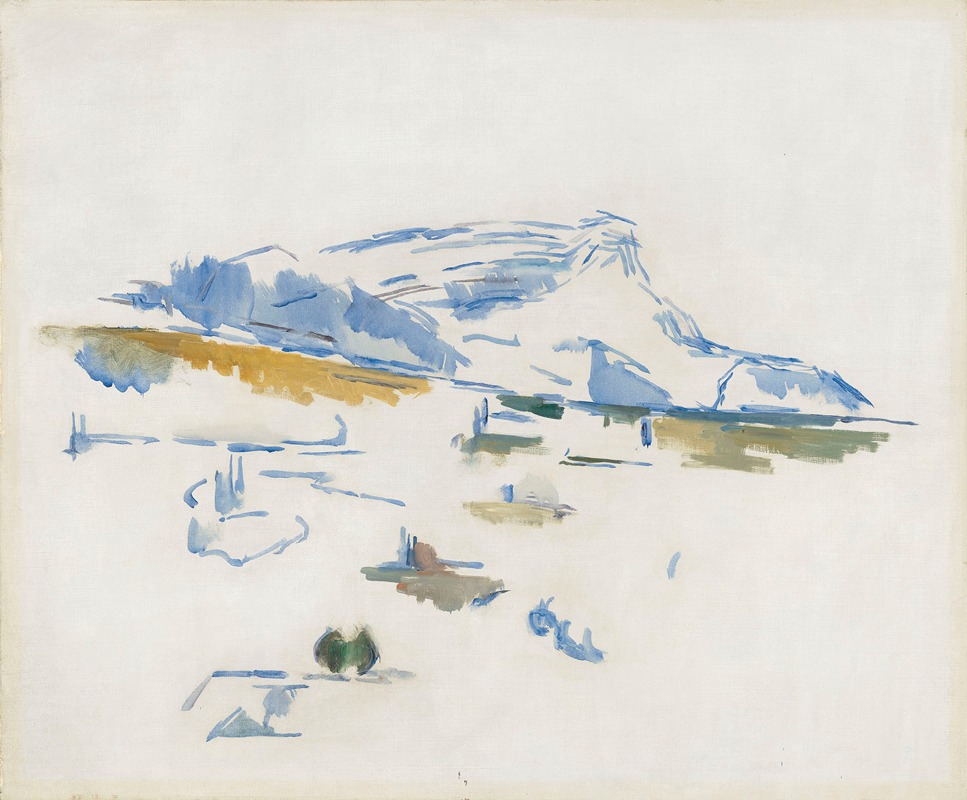
La Montagne Sainte-Victoire vue des Lauves
Paul Cézanne