
Thistles and cornflowers — History & Facts
A thistle rises like a monument in the half-light, its jagged leaves and bristling stems claiming the foreground with an almost architectural force. The artist draws your gaze not to a garden’s cultivated beauty, but to the wild, untamed vigor of the weed, its purple heads crowned against a moody sky. Every vein and serration is rendered with a precision that feels both scientific and dramatic, as if the plant is caught mid-growth, pushing outward from the earth.
Around it, cornflowers and daisies flicker in the shadowy background, their delicate forms offering a quiet counterpoint to the thistle’s armored presence. The palette is deep and earthy, the light carefully rationed, setting a contemplative, almost secretive mood. Painted by Abraham Jansz. Begeyn sometime between 1638 and 1678, this work belongs to a period when Dutch and Flemish artists found new fascination in the humble details of nature.
Botanical studies like this were prized by collectors eager to display both their wealth and their curiosity about the natural world—objects of science, art, and status all at once. In the seventeenth century, such images might hang in a scholar’s study or a merchant’s home, signaling a taste for both beauty and knowledge. Little is recorded about the specific journey of this painting, now documented in the RKD collection, but its survival invites us to look again at the overlooked and the ordinary, and to see the wild thistle as a subject worthy of close attention.
More Artworks by Abraham Jansz. Begeyn

Landscape with people and cattle
Abraham Jansz. Begeyn
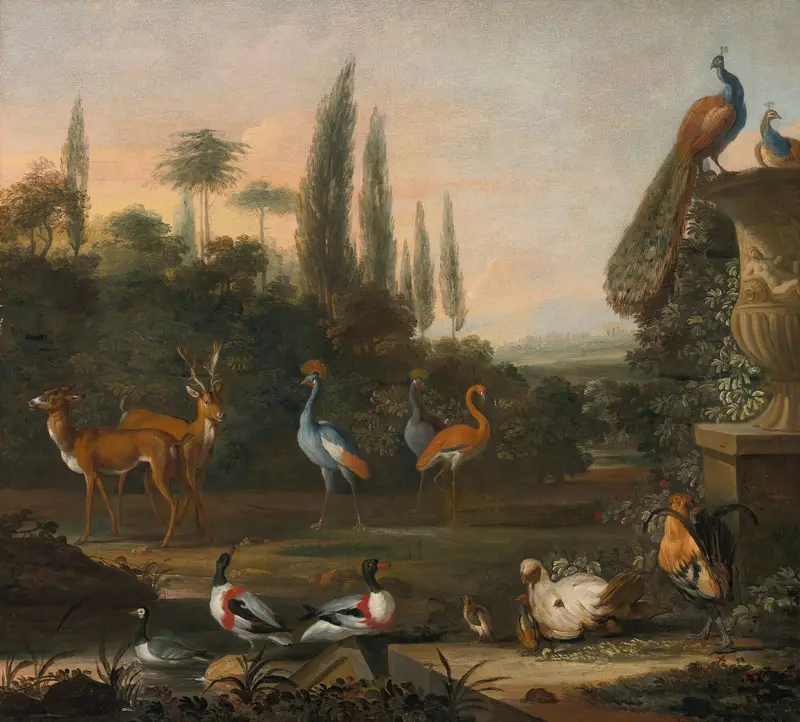
Landscape with deer and exotic birds
Abraham Jansz. Begeyn
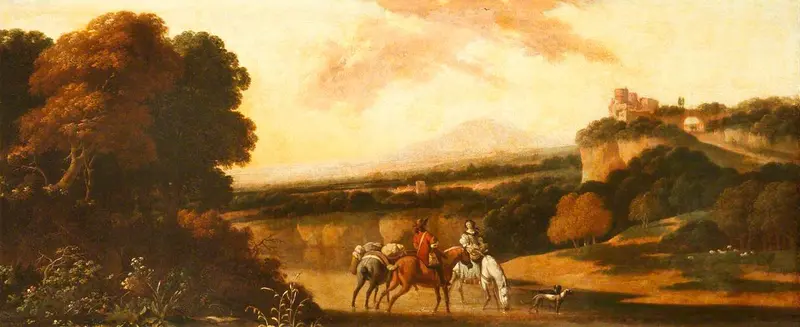
Landscape with Travellers
Abraham Jansz. Begeyn
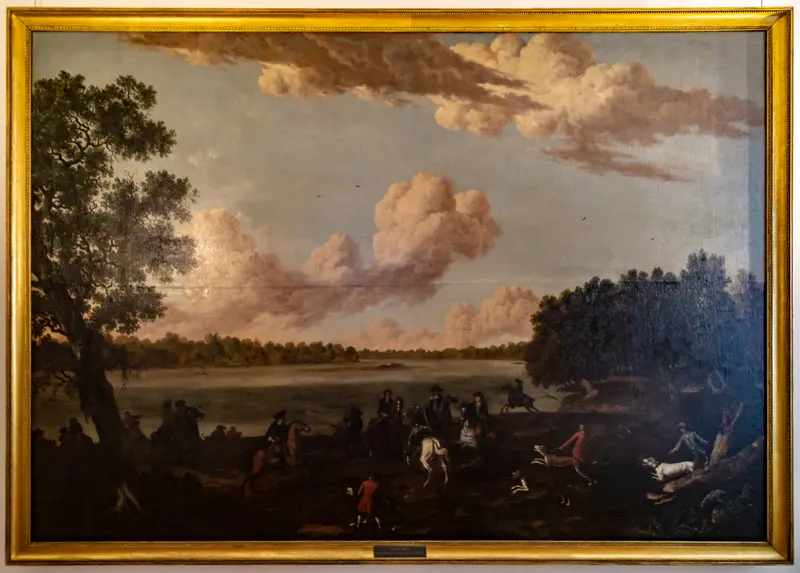
Prince Elector Frederick III of Prussia hunting at the Havel
Abraham Jansz. Begeyn
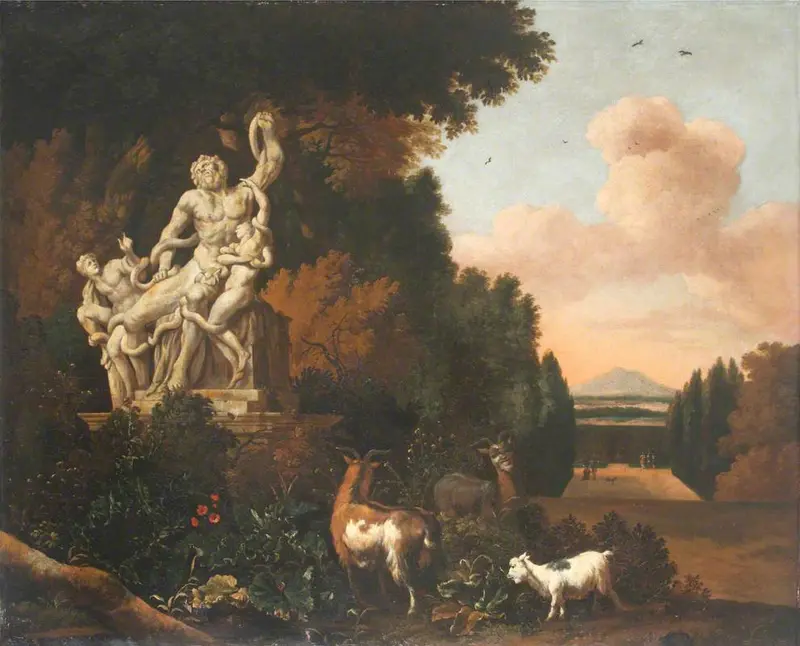
Landscape with Goats and a Statue of Laocoön
Abraham Jansz. Begeyn
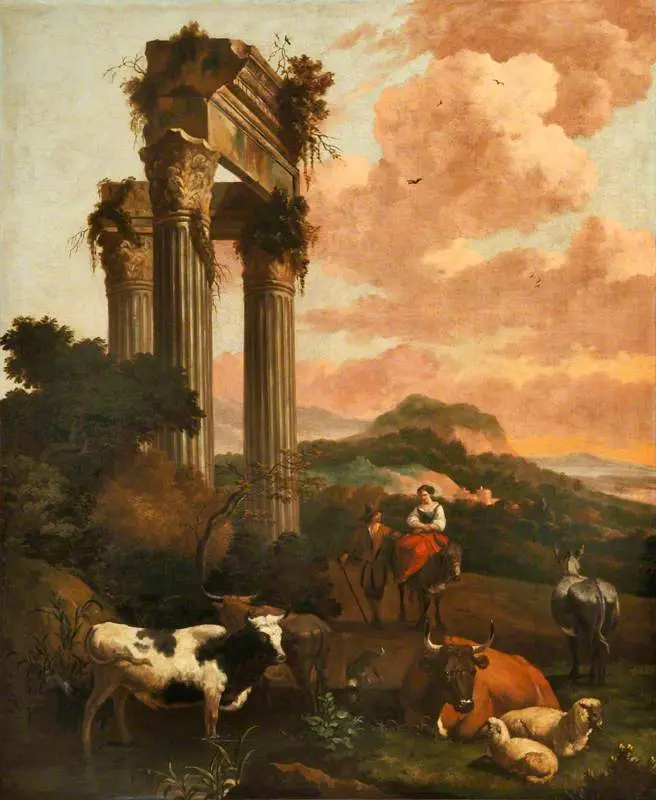
Landscape with Figures, Cattle and Sheep among Classical Ruins
Abraham Jansz. Begeyn
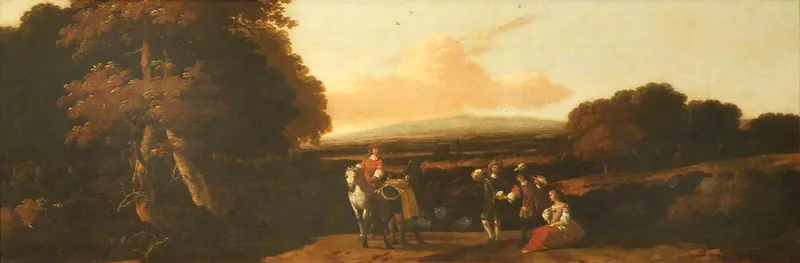
Landscape with Figures on a Road
Abraham Jansz. Begeyn
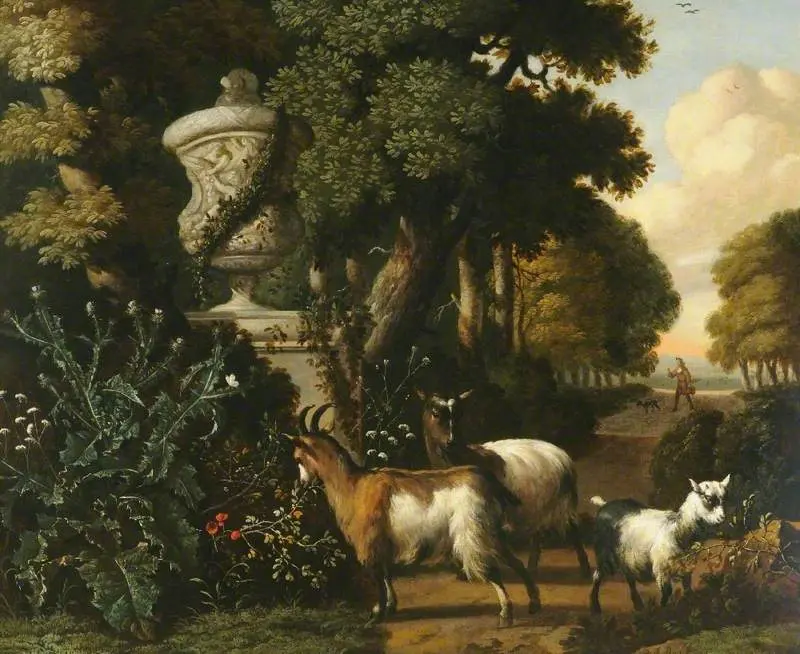
Landscape with Goats
Abraham Jansz. Begeyn
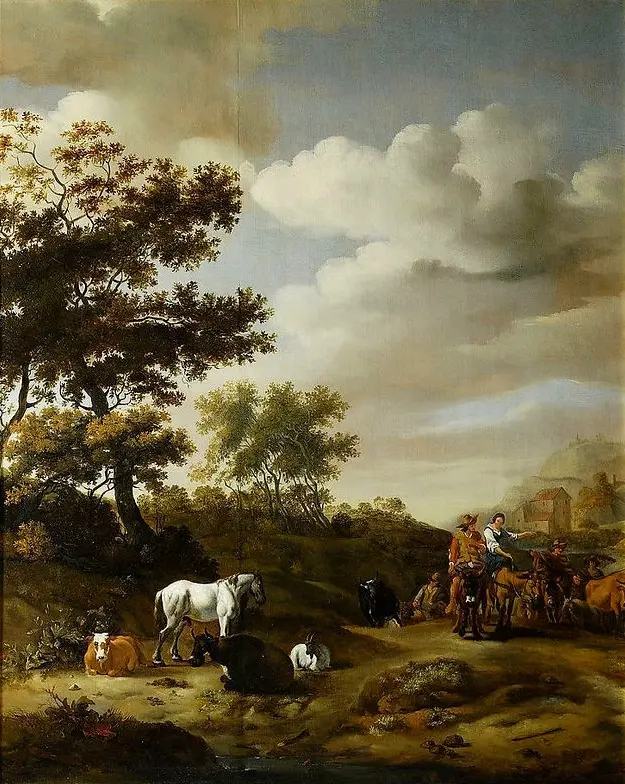
Landscape with travelers and cattle.
Abraham Jansz. Begeyn
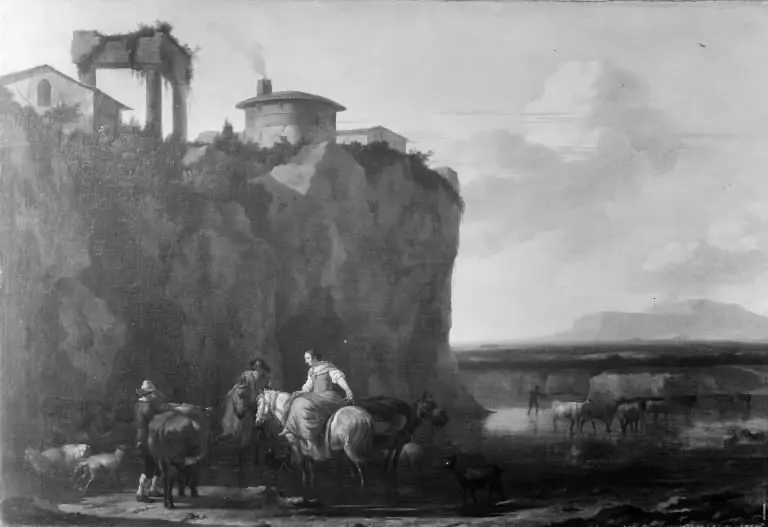
The Ford
Abraham Jansz. Begeyn





