
Three Birches — History & Facts
Can beauty exist without sorrow? In Three Birches, the quiet elegance of nature whispers its answer, inviting contemplation of life’s intertwined joys and sorrows. Look to the left at the trio of birch trees, their alabaster trunks striking against a backdrop of deep greens and blues. The soft, dappled light filtering through the foliage creates a serene interplay of shadow and illumination, drawing the eye toward the delicate leaves that sway gently in the breeze. Haskell’s use of light and color evokes a sense of tranquility, while the harmonious composition emphasizes both the isolation and unity of the trees, standing together yet distinct. Beneath the serene surface lies a tension between solitude and togetherness, as each birch represents individual beauty amidst the collective.
The contrast of vibrant greens against the muted browns of the earth hints at the cycles of life, where beauty often coexists with decay. One can almost sense the stories held within the bark, each mark a testament to both time and resilience, provoking questions about what lies beneath the surface of such serene beauty. Ernest Haskell created this work in the early 20th century, during a period marked by a growing appreciation for naturalism and the beauty of American landscapes. Working in Maine, he explored the interplay of light and climate in his surroundings.
This was a time when artists sought to capture the essence of their environment, reflecting a broader cultural movement towards embracing simplicity and introspection in art.
More Artworks by Ernest Haskell
Browse all →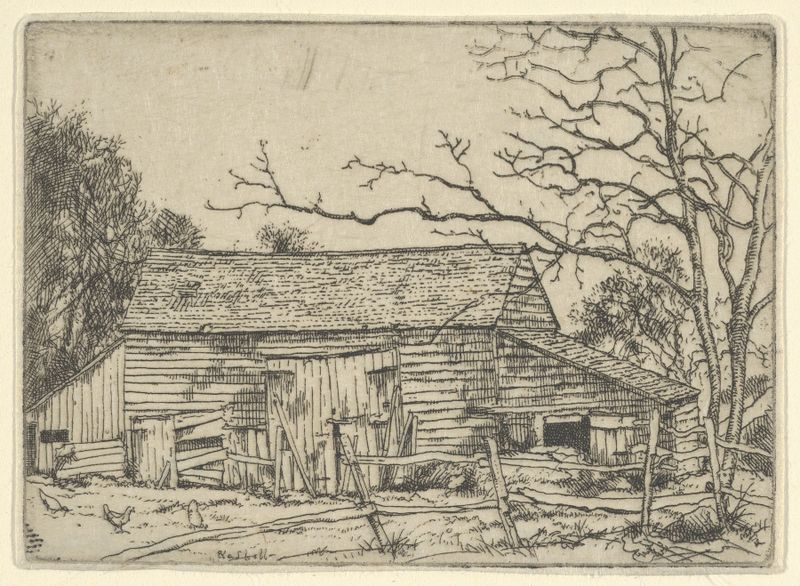
The Barn–Staten Island, N.Y.
Ernest Haskell

Four Live Oaks
Ernest Haskell
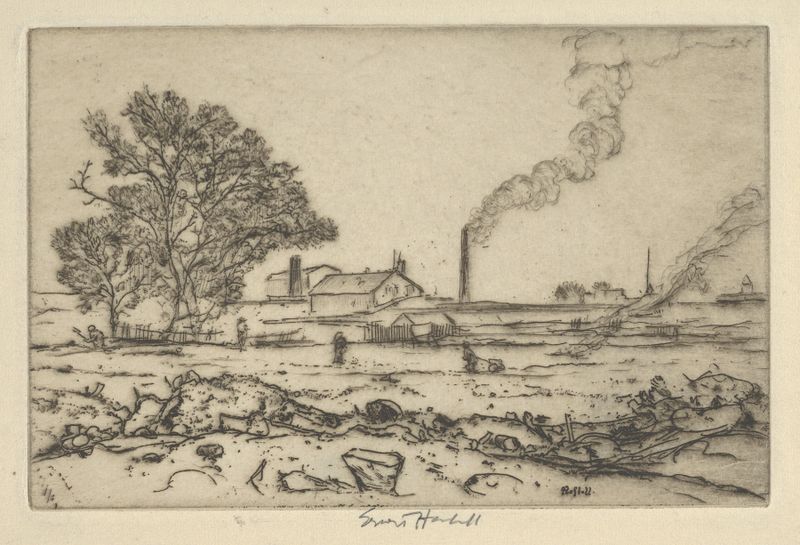
Outskirts of Boston
Ernest Haskell
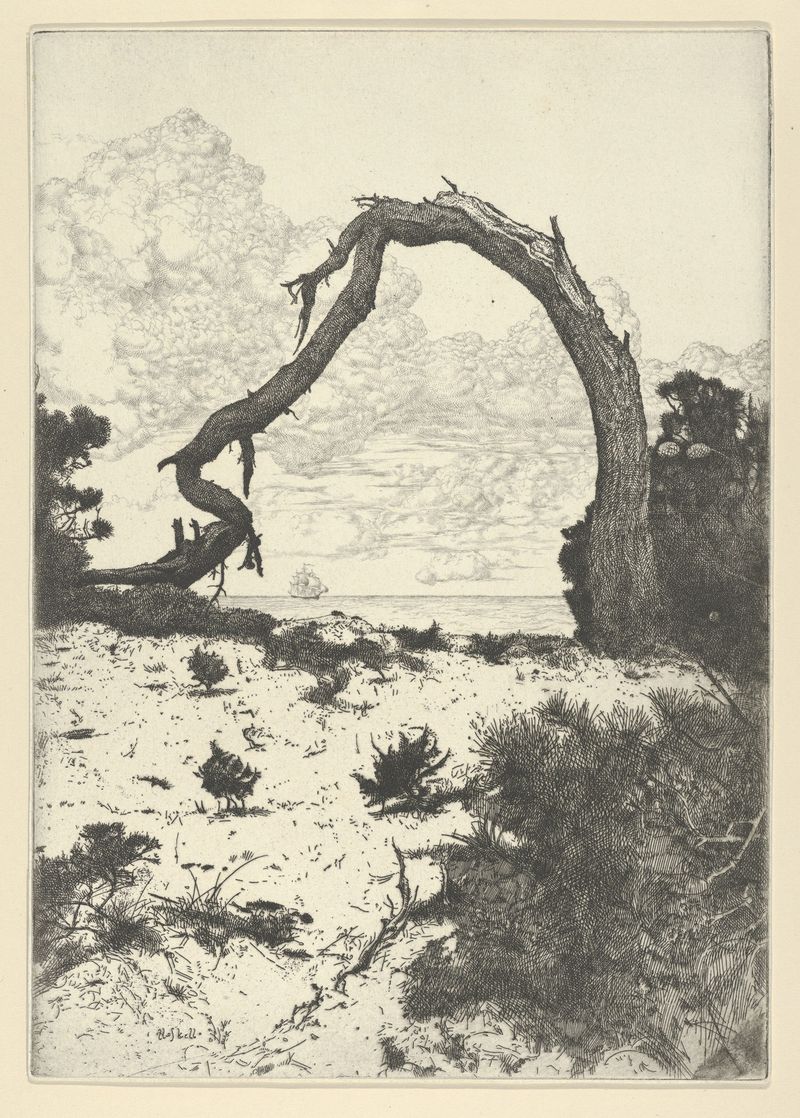
Pine Arch
Ernest Haskell

General Sherman
Ernest Haskell
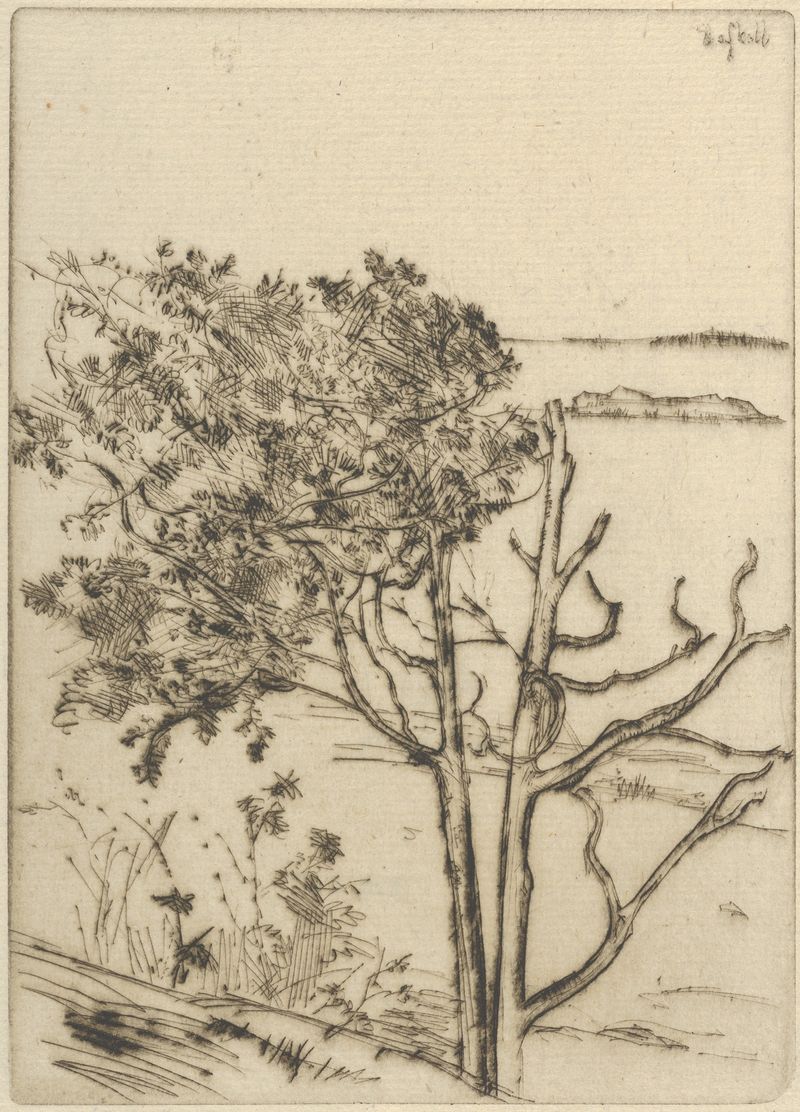
Ragged Tree – Maine
Ernest Haskell

Tide Mill
Ernest Haskell

Ship Building
Ernest Haskell
To the Southward – Ragged Island, Me.
Ernest Haskell
Long Island Marshes
Ernest Haskell





