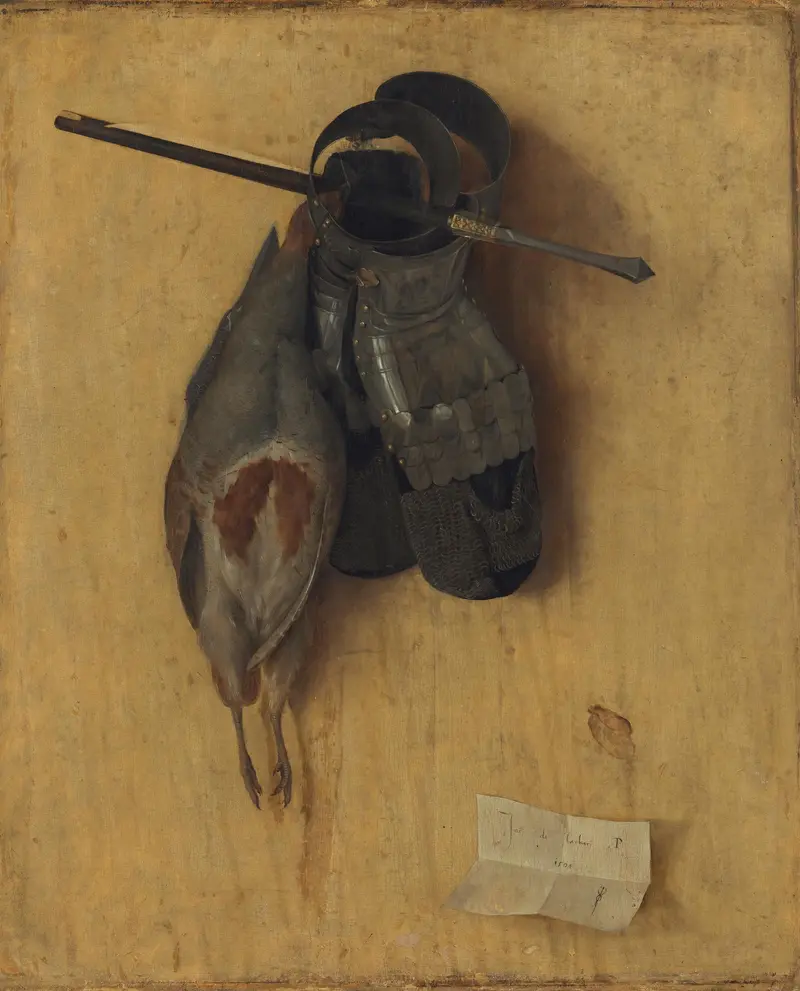
Three Pears — History & Facts
In Three Pears, Paul Cézanne presents a simple yet striking composition of three pears arranged on a table. The pears are depicted in rich, warm colors of yellow and green, with subtle highlights that suggest their roundness. The background is a soft, muted tone that contrasts with the vibrant fruit.
This still life captures the essence of everyday objects through Cézanne's unique lens. Cézanne's technique in Three Pears is characterized by his use of bold brushstrokes and a focus on geometric forms. The painting is executed in oil on canvas, allowing for a rich texture and depth. The arrangement of the pears is not just random; it reflects Cézanne's interest in the structure and balance of composition.
Viewers can appreciate the careful attention to light and shadow that enhances the three-dimensionality of the pears. Three Pears is a notable example of Cézanne's contribution to the Post-Impressionist movement. He sought to move beyond the fleeting impressions of Impressionism, focusing instead on the underlying forms and structures of objects. An interesting fact about this work is that it exemplifies Cézanne's belief in the importance of color and form in conveying emotion.
This painting is part of the collection at the Musee d'Orsay in Paris.
More Artworks by Paul Cézanne

Apples, Peaches, Pears and Grapes
Paul Cézanne
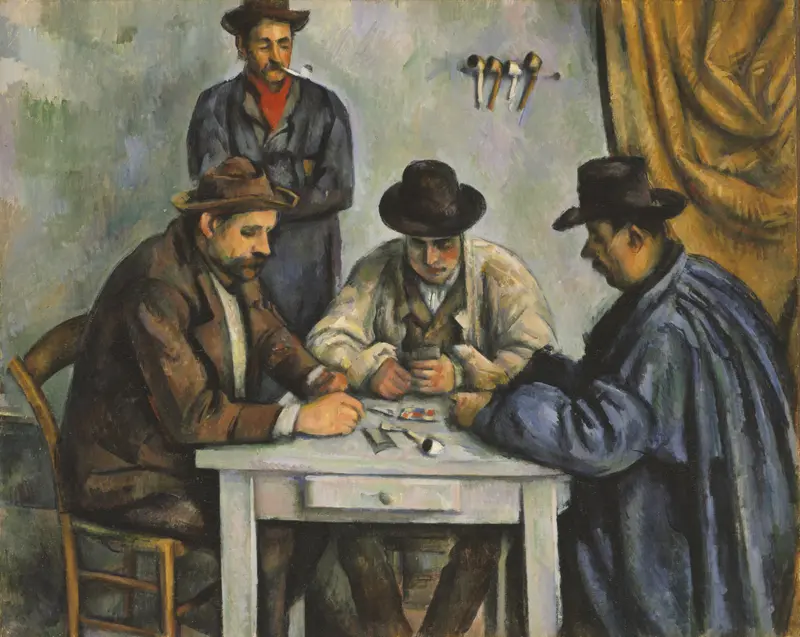
The Card Players
Paul Cézanne
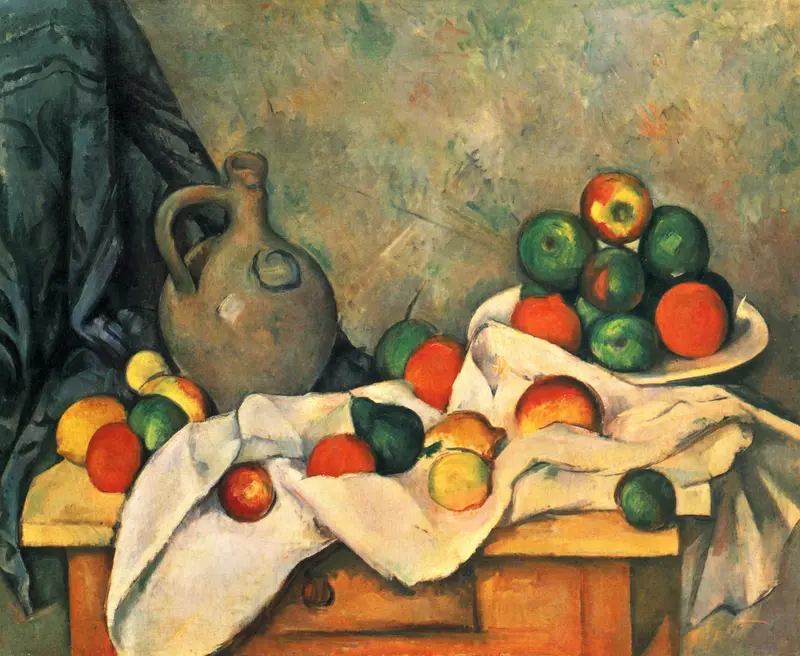
Rideau, Cruchon et Compotier
Paul Cézanne

The Boy in the Red Vest
Paul Cézanne
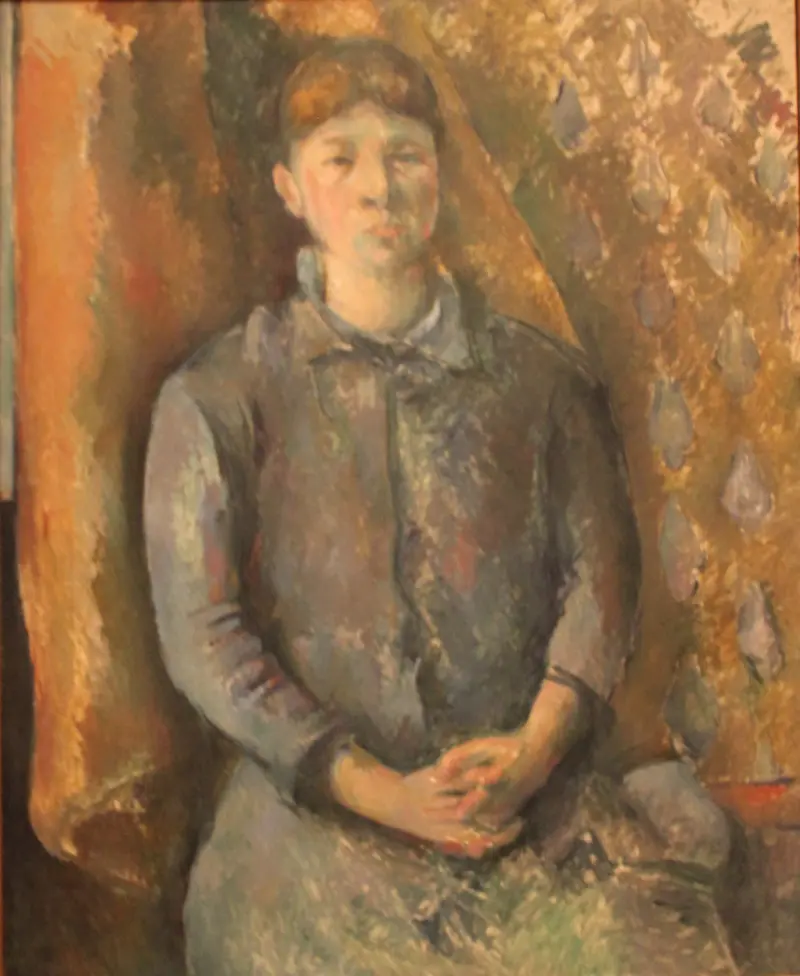
Madame Cézanne
Paul Cézanne
Montagne Saint-Victoire
Paul Cézanne
Montagne Sainte-Victoire
Paul Cézanne

Mont Sainte-Victoire Seen beyond the Wall of the Jas de Bouffan
Paul Cézanne
Still Life with Apples
Paul Cézanne

La Montagne Sainte-Victoire
Paul Cézanne