
Three Witches — History & Facts
In the echo of obsession, the allure of the exquisite often masks deeper truths lurking beneath the surface. Focus on the three figures at the center, their elaborate garments shimmering with intricate details and rich color. The ethereal play of light captures the texture of the fabrics, inviting your gaze to linger on the interplay between shadow and brilliance. Notice the way their hands and expressions intertwine—gestures that suggest a brewing intensity, a collective yearning that transcends their appearance.
The composition draws you in, creating a tension that resonates with the viewer's own complexities. The juxtaposition of their enchanting beauty and the undercurrent of darkness speaks volumes. Each witch embodies a different facet of obsession: desire, power, and foreboding. The way their eyes lock onto the viewer challenges you to confront your own fascination with the sublime and the grotesque.
In this moment, their allure is both captivating and unsettling, reminding us that beauty is often riddled with hidden sorrows and unfulfilled longings. Created between 1900 and 1925, the artist interpreted themes of the surreal and the mystical during a time when the art world was shifting towards modernism. The exploration of psychological depth and the supernatural in Three Witches coincided with Haskell's own fascination with the mystical, reflecting broader cultural currents. He sought to blend the uncanny with the beautiful, successfully channeling the obsessions of his era into a timeless work of art.
More Artworks by Ernest Haskell
Browse all →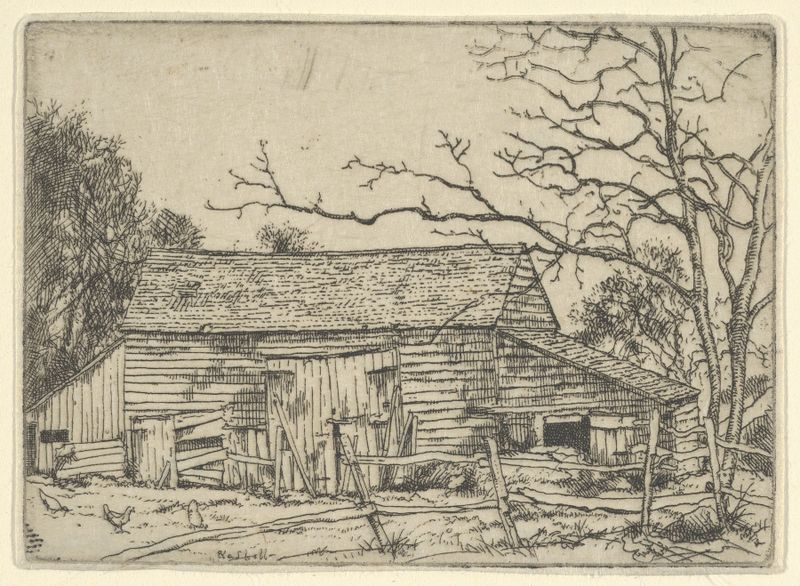
The Barn–Staten Island, N.Y.
Ernest Haskell

Four Live Oaks
Ernest Haskell
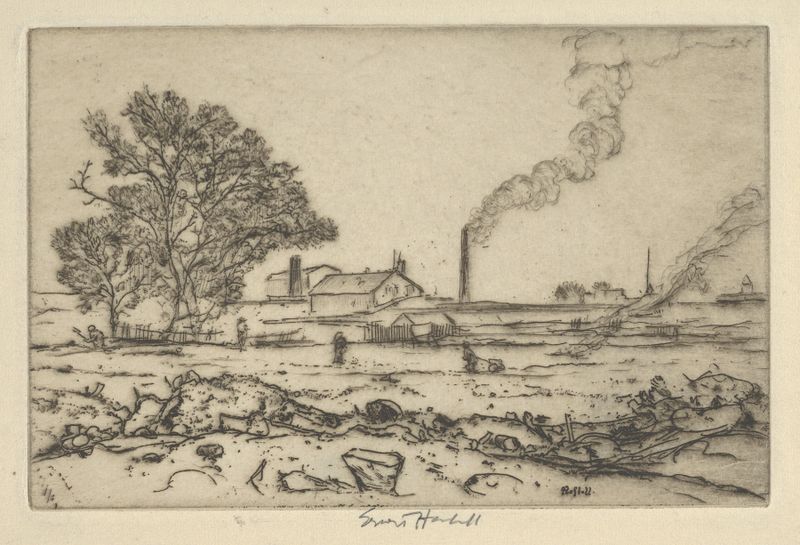
Outskirts of Boston
Ernest Haskell
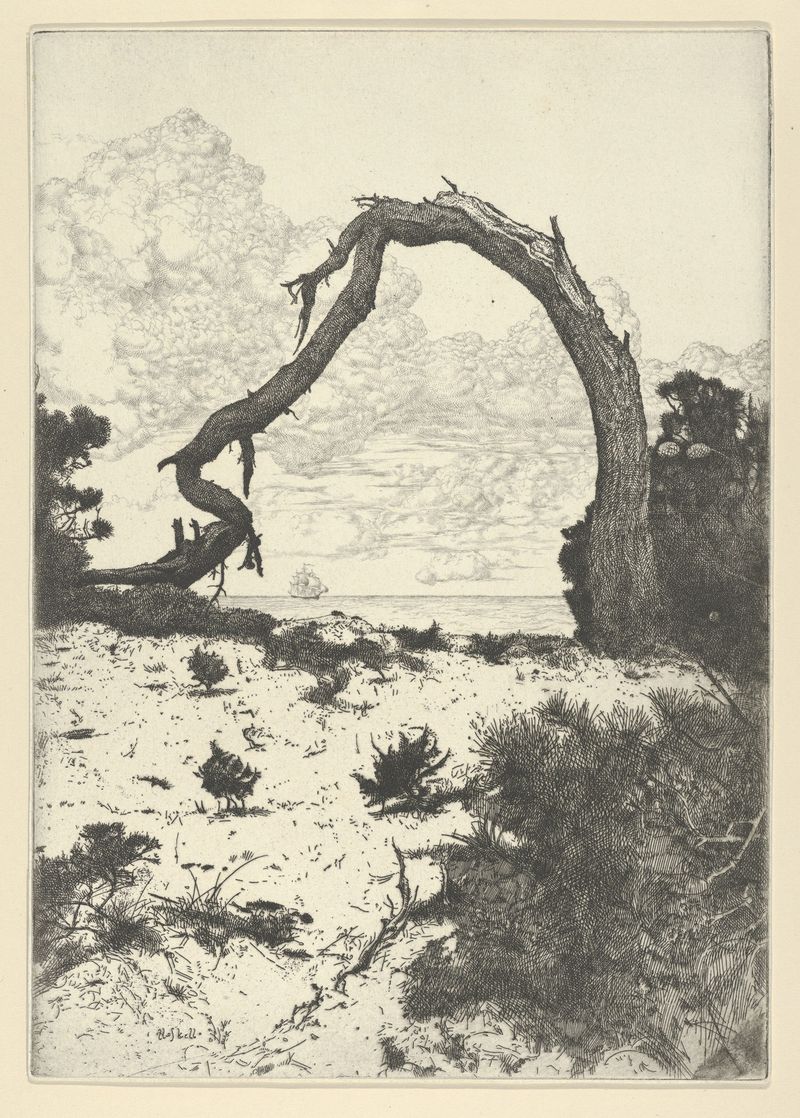
Pine Arch
Ernest Haskell

General Sherman
Ernest Haskell
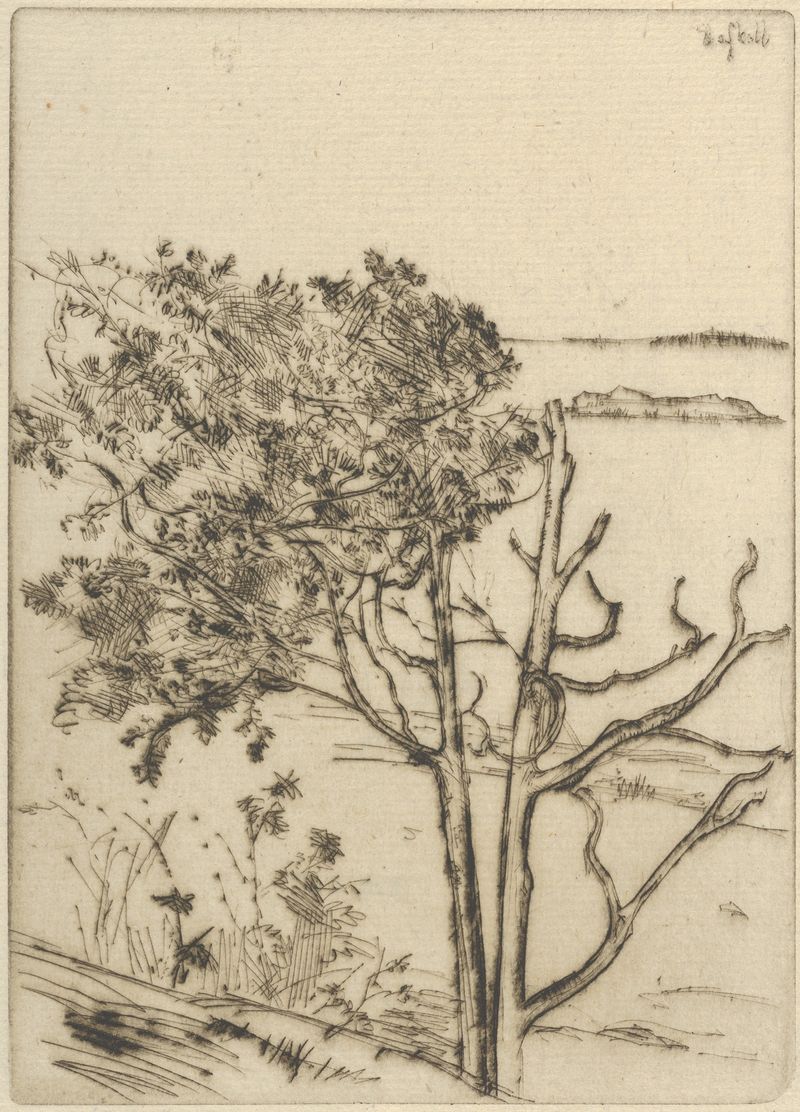
Ragged Tree – Maine
Ernest Haskell

Tide Mill
Ernest Haskell

Ship Building
Ernest Haskell
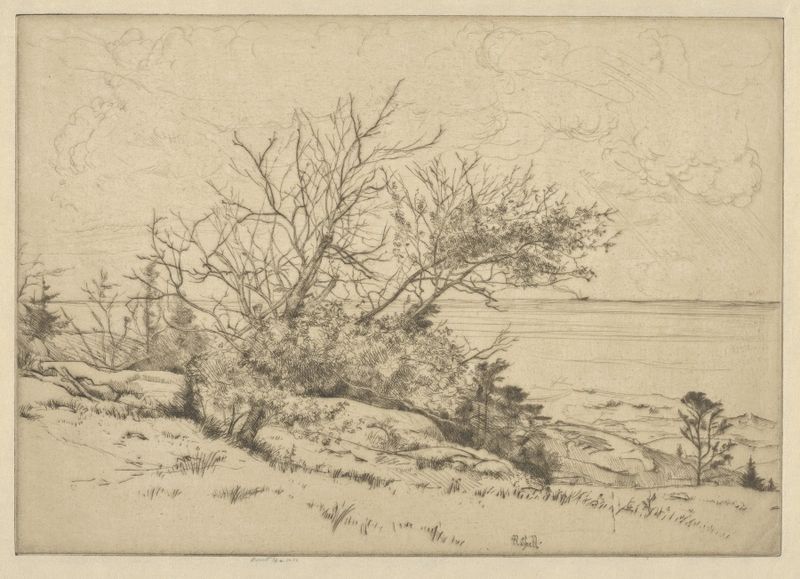
To the Southward – Ragged Island, Me.
Ernest Haskell
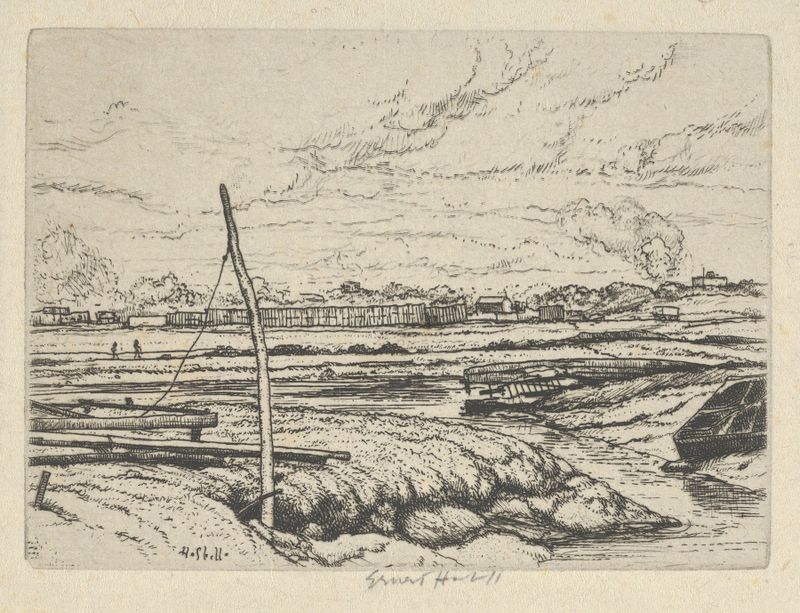
Long Island Marshes
Ernest Haskell





