
Through the Mist — History & Facts
Can paint confess what words never could? In Through the Mist, a veil of uncertainty shrouds the landscape, inviting the viewer to uncover hidden truths that linger just beyond reach. Focus on the gentle gradation of greys and blues, where the mist envelops the trees, creating a dreamlike atmosphere. The brushwork is soft and indistinct, drawing your eyes to the horizon where the forms fade into a whisper. Notice how the light filters through the fog, illuminating patches of nature with an ethereal glow that contrasts against the obscured shapes, suggesting both presence and absence in equal measure. Delve deeper into the emotional landscape: the mist acts as a metaphor for ambiguity, hinting at the tension between clarity and confusion.
The contrast between the sharp outlines of the foreground and the blurred silhouettes of the background reveals a poignant duality—the known versus the unknown, the seen versus the unseen. Each stroke invites contemplation, echoing the inner struggles we often face while searching for understanding in a world filled with obscurity. During the time Through the Mist was painted, Ernest Haskell was exploring his unique vision amid a burgeoning era of modern art. Though the exact date is unknown, Haskell’s work reflects a transitional phase in early 20th-century art, where realism began to meet abstraction.
At this juncture, he was known for his innovative techniques, capturing not only the visual essence but also the emotional undercurrents of his subjects, mirroring the wider shifts in artistic expression of his time.
More Artworks by Ernest Haskell
Browse all →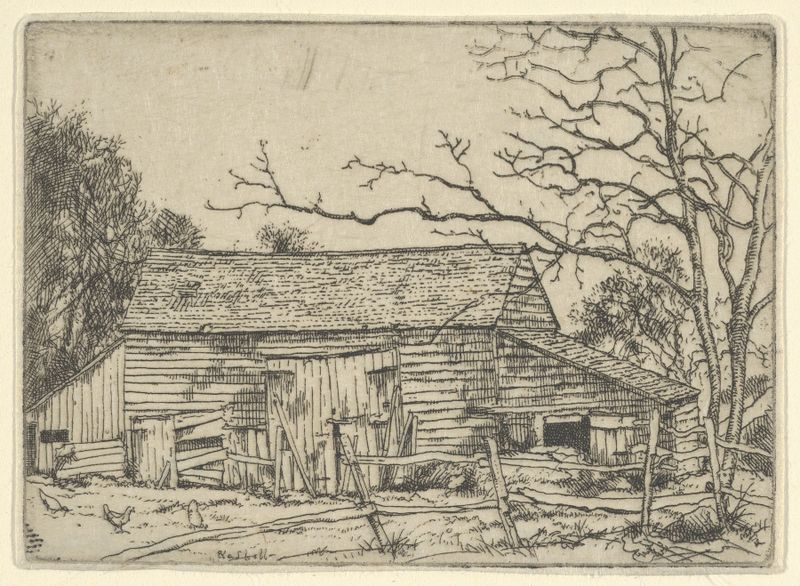
The Barn–Staten Island, N.Y.
Ernest Haskell

Four Live Oaks
Ernest Haskell
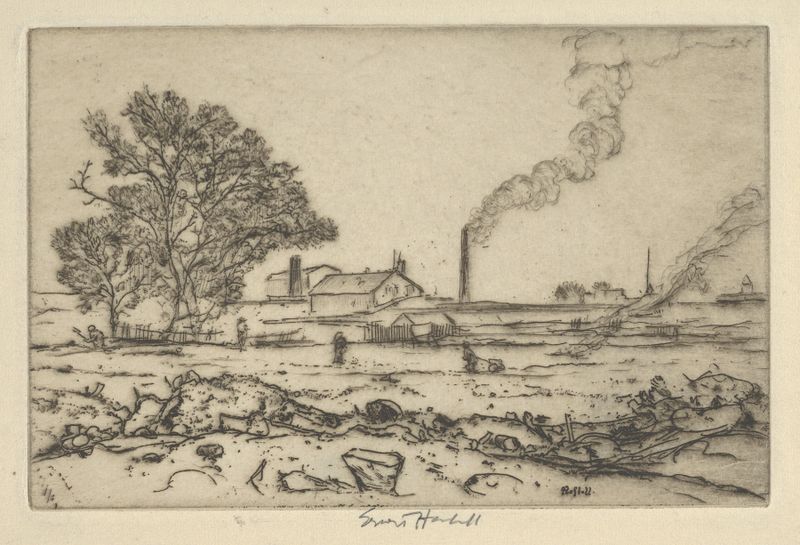
Outskirts of Boston
Ernest Haskell
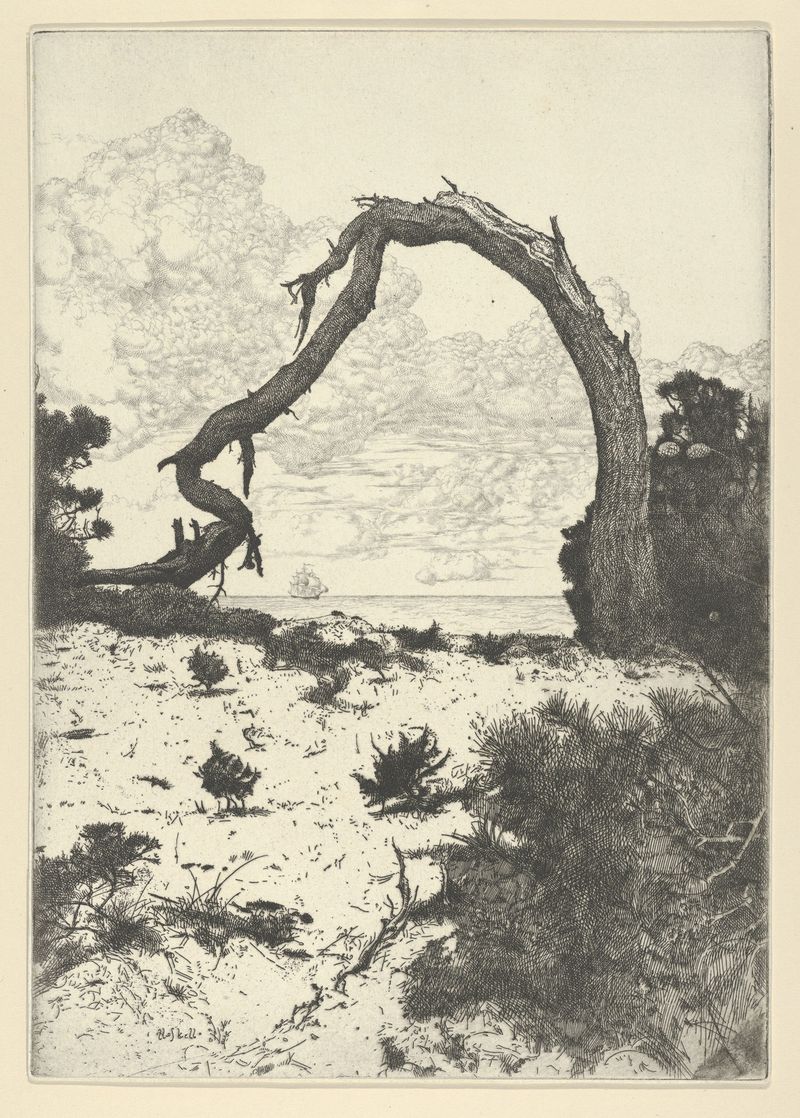
Pine Arch
Ernest Haskell

General Sherman
Ernest Haskell
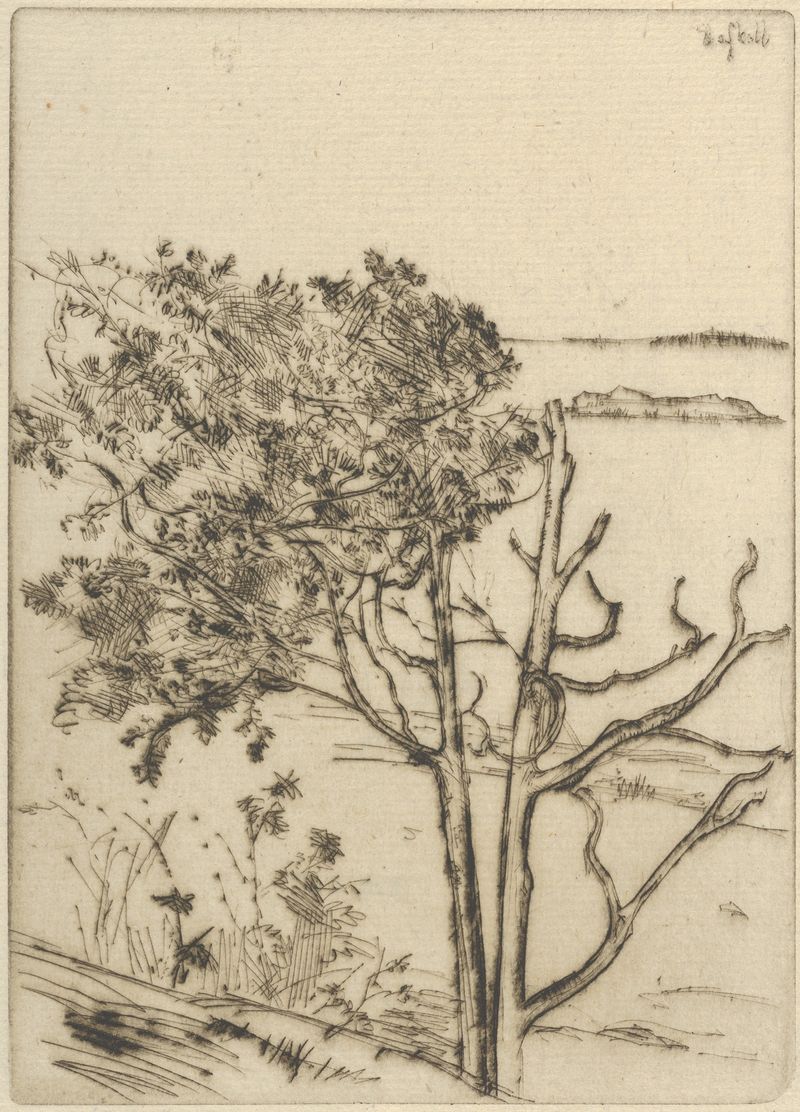
Ragged Tree – Maine
Ernest Haskell

Tide Mill
Ernest Haskell

Ship Building
Ernest Haskell
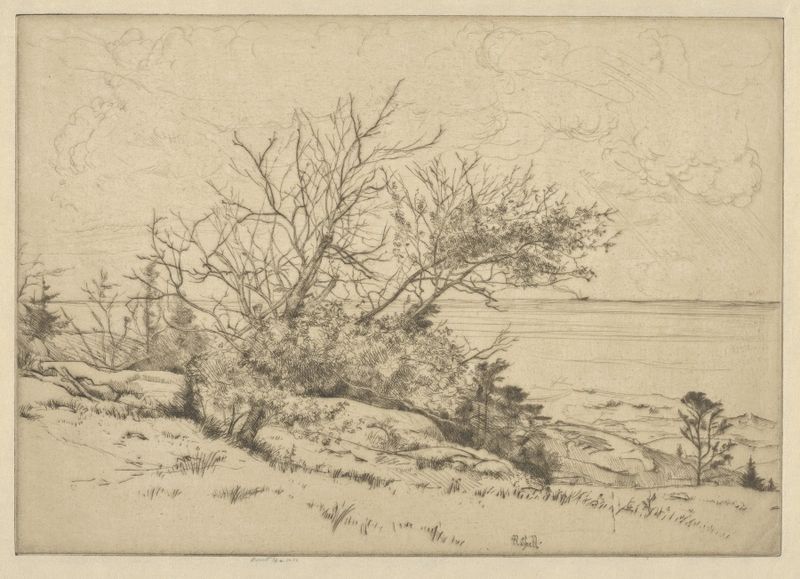
To the Southward – Ragged Island, Me.
Ernest Haskell
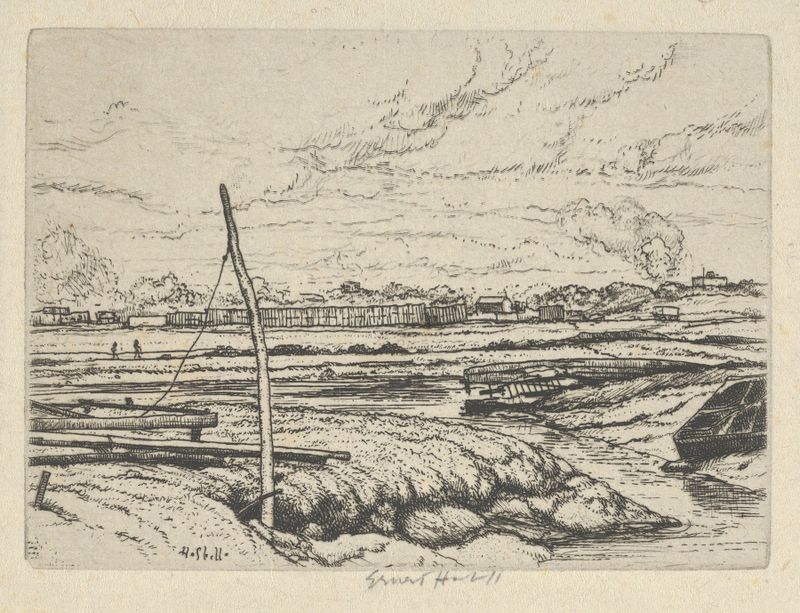
Long Island Marshes
Ernest Haskell





