
Thunder Clouds — History & Facts
In an age where the tumult of everyday life consumes our attention, the quiet void captured in this piece speaks volumes. It invites contemplation, urging us to pause and delve into the unseen depths of emotion and thought. Look to the sweeping expanse of the canvas, where dark, billowing clouds loom ominously overhead. The brushstrokes are bold yet fluid, capturing the tension between nature and the human spirit.
Notice how the contrasting shades of gray and blue evoke a sense of foreboding, drawing your gaze upward and instilling a feeling of anticipation. The play of light breaks through the clouds, hinting at a distant hope, an escape from the encroaching shadow. Within the chaos of the clouds lies a profound metaphor for the human experience. The swirling forms may suggest the turbulence of inner thoughts, while the slivers of light represent fleeting moments of clarity.
This duality speaks to the tension between despair and hope, a reminder that beauty can emerge from the void. The emptiness in the sky amplifies the emotional weight, resonating with anyone who has faced uncertainty or longing. In 1923, the artist found himself immersed in a world wrestling with the aftermath of war and societal change. Creating this piece during a period of personal reflection, Haskell sought to explore themes of nature and emotion, challenging the viewer to confront the voids within themselves.
This artwork stands as a testament to his ability to capture the essence of human experience through the lens of the natural world.
More Artworks by Ernest Haskell
Browse all →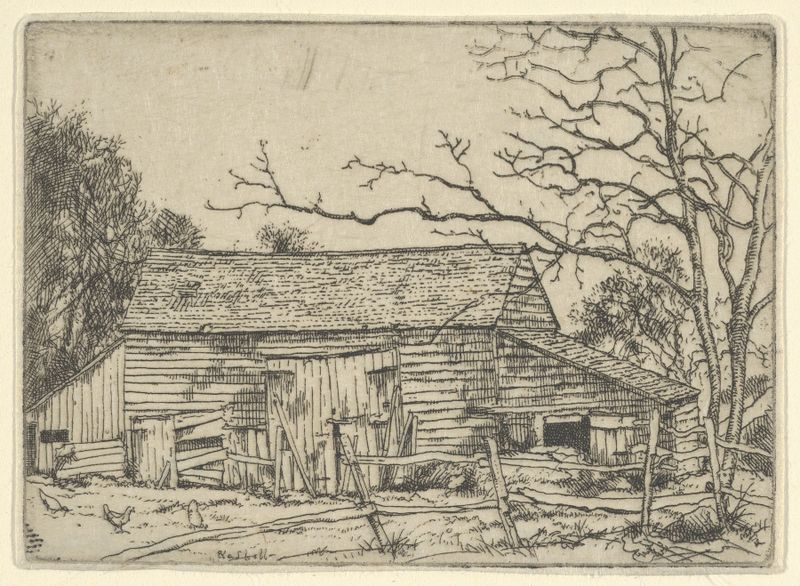
The Barn–Staten Island, N.Y.
Ernest Haskell

Four Live Oaks
Ernest Haskell
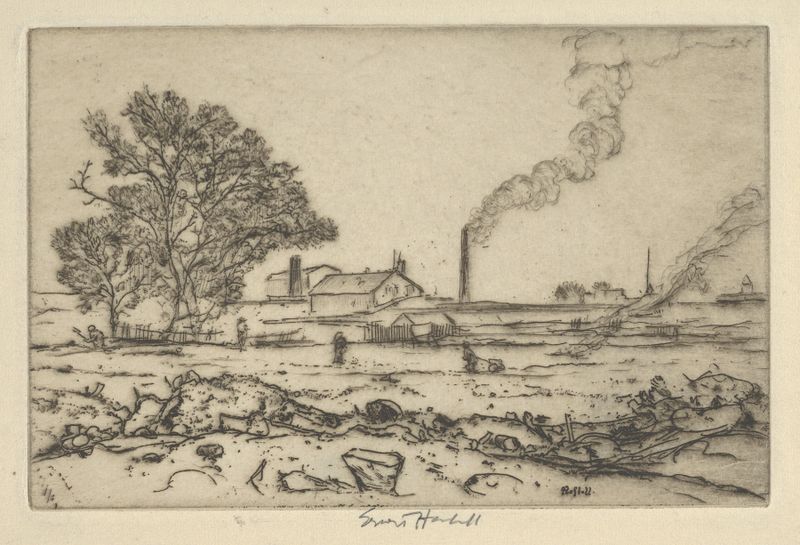
Outskirts of Boston
Ernest Haskell
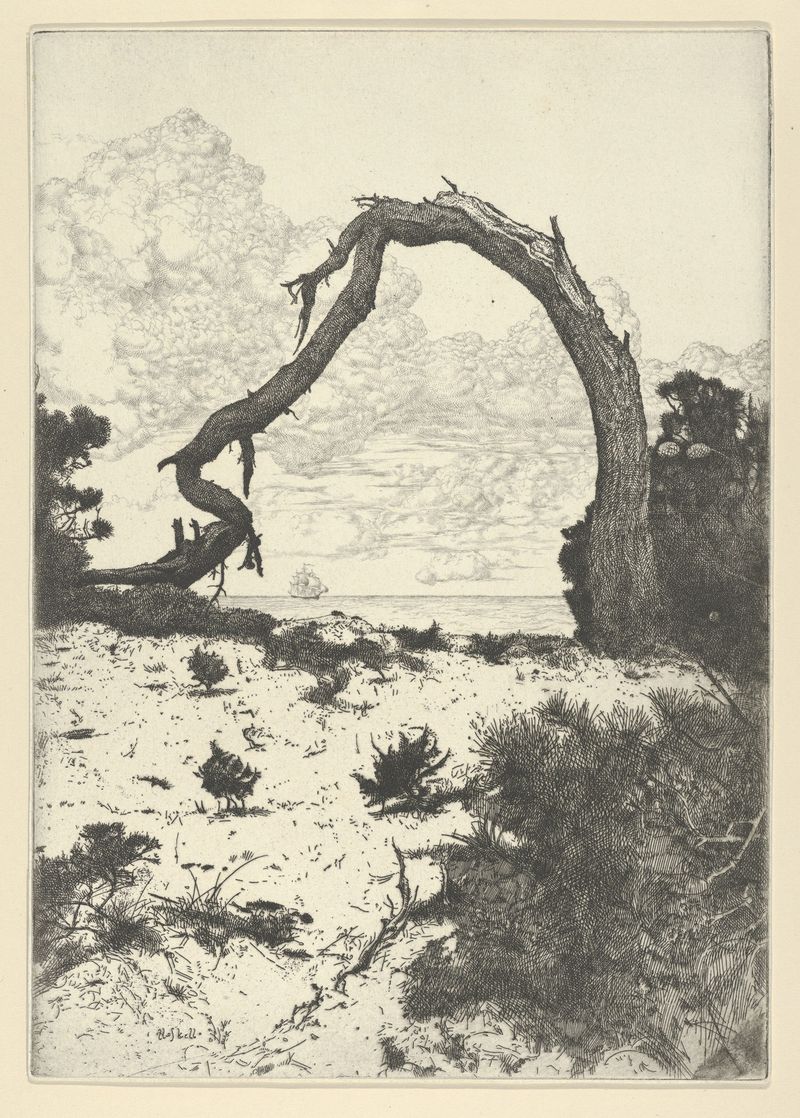
Pine Arch
Ernest Haskell

General Sherman
Ernest Haskell
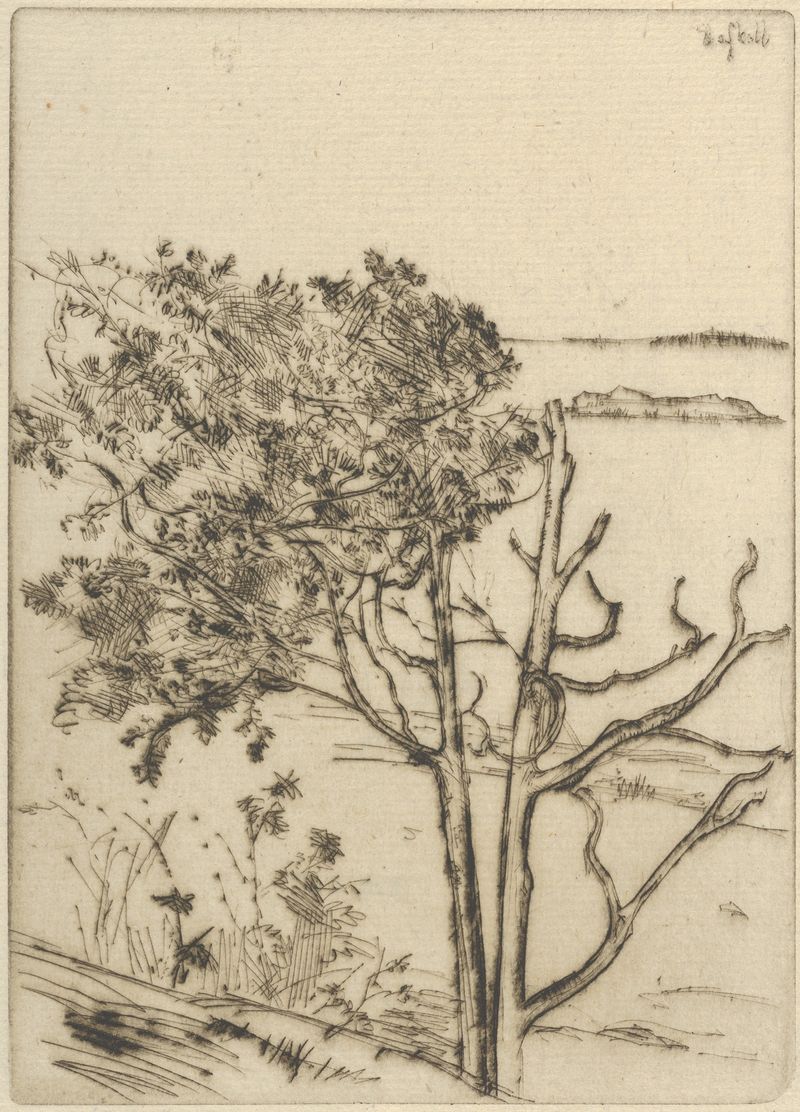
Ragged Tree – Maine
Ernest Haskell

Tide Mill
Ernest Haskell

Ship Building
Ernest Haskell
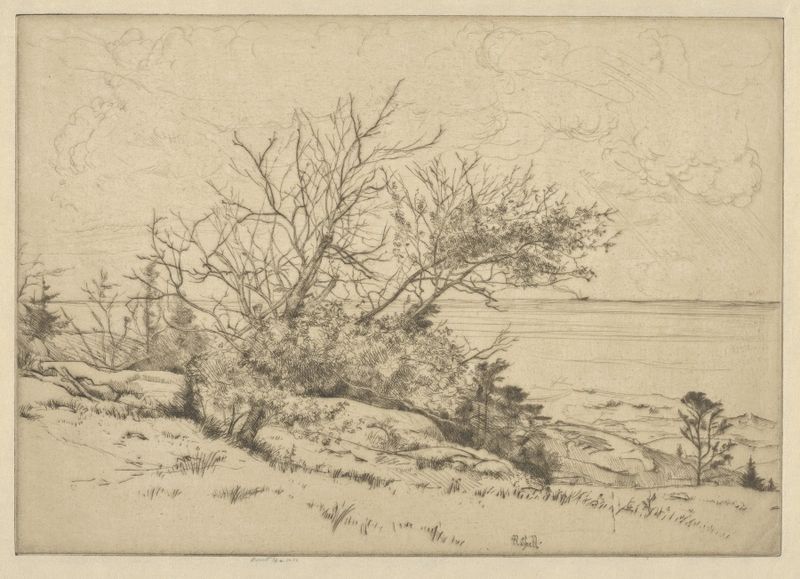
To the Southward – Ragged Island, Me.
Ernest Haskell
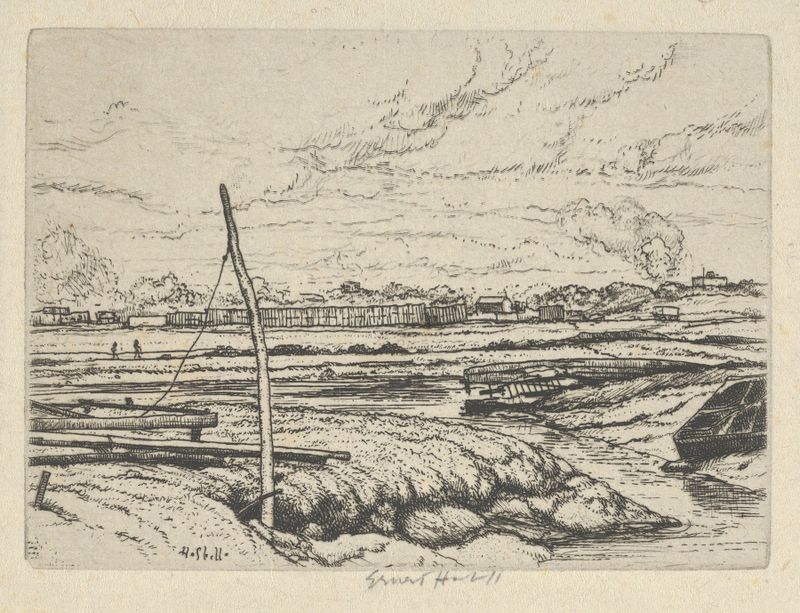
Long Island Marshes
Ernest Haskell





