
Tidal Pathway — History & Facts
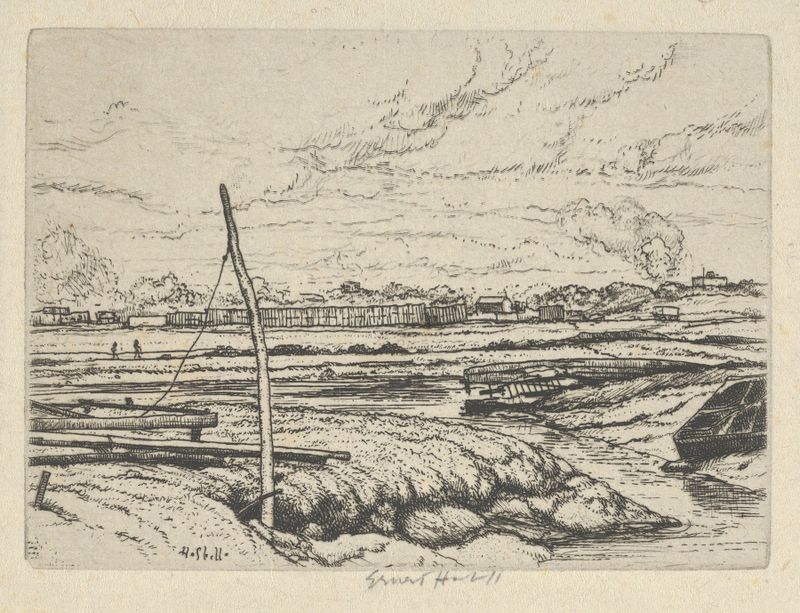
In the gentle embrace of a tidal pathway, the viewer is drawn into a world where nature’s calm belies an undercurrent of tension. The serene beauty of this scene invites introspection, yet it hints at a lingering violence, a reminder of nature's relentless power. To begin your journey, look closely at the horizon where the soft blues of the sky melt into the reflective waters. Notice how the path, a delicate line of sandy tones, navigates the surface of the tide, leading your gaze deeper into the composition.
The artist's brushwork captures the textures of the sand and water, creating a juxtaposition of tranquility and turmoil, while the lightly dappled light suggests the fleeting nature of time itself. Delve into the subtle contrasts within the artwork. The ripples in the water echo the tumult of the tides, hinting at the storms that brew beyond the frame. The soft gradient of colors—from warm beiges to cool blues—whispers of calm before chaos, embodying a tension that speaks to both beauty and violence in nature.
The composition, though tranquil, carries an emotional weight, as if the viewer is standing on the brink of an impending shift. Ernest Haskell painted this piece in 1922, during a time of change in both his life and the art world. He was deeply influenced by the Ashcan School and American Impressionism, striving for a synthesis between realism and abstraction. As the world emerged from the turmoil of World War I, Haskell’s work mirrored the complexities of human emotion, capturing both the beauty of the landscape and the shadows that lurked beneath its surface.
More Artworks by Ernest Haskell
Browse all →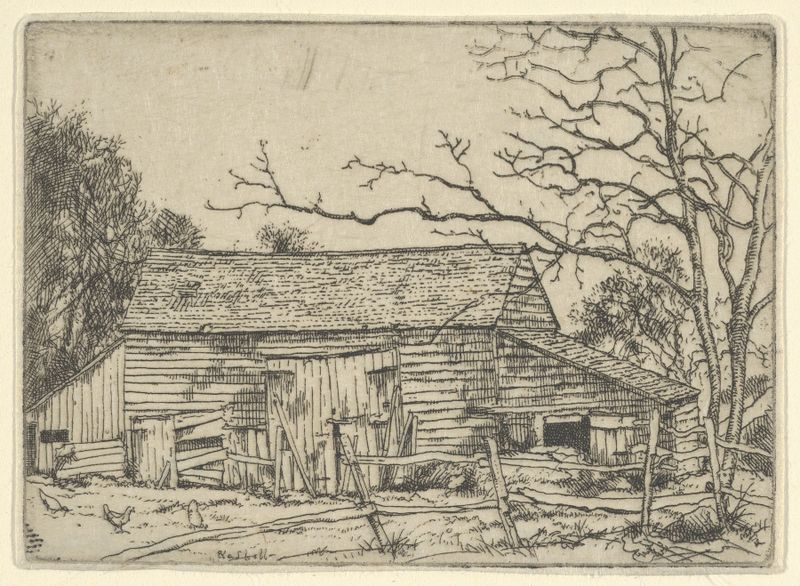
The Barn–Staten Island, N.Y.
Ernest Haskell

Four Live Oaks
Ernest Haskell
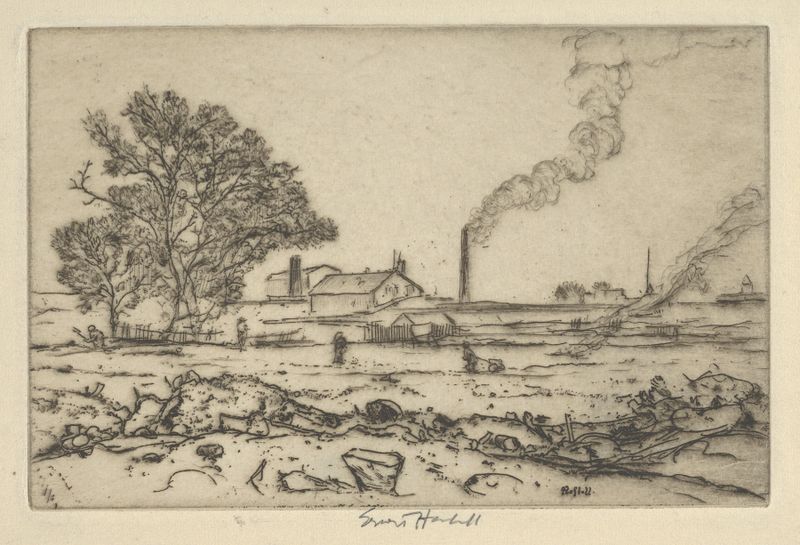
Outskirts of Boston
Ernest Haskell
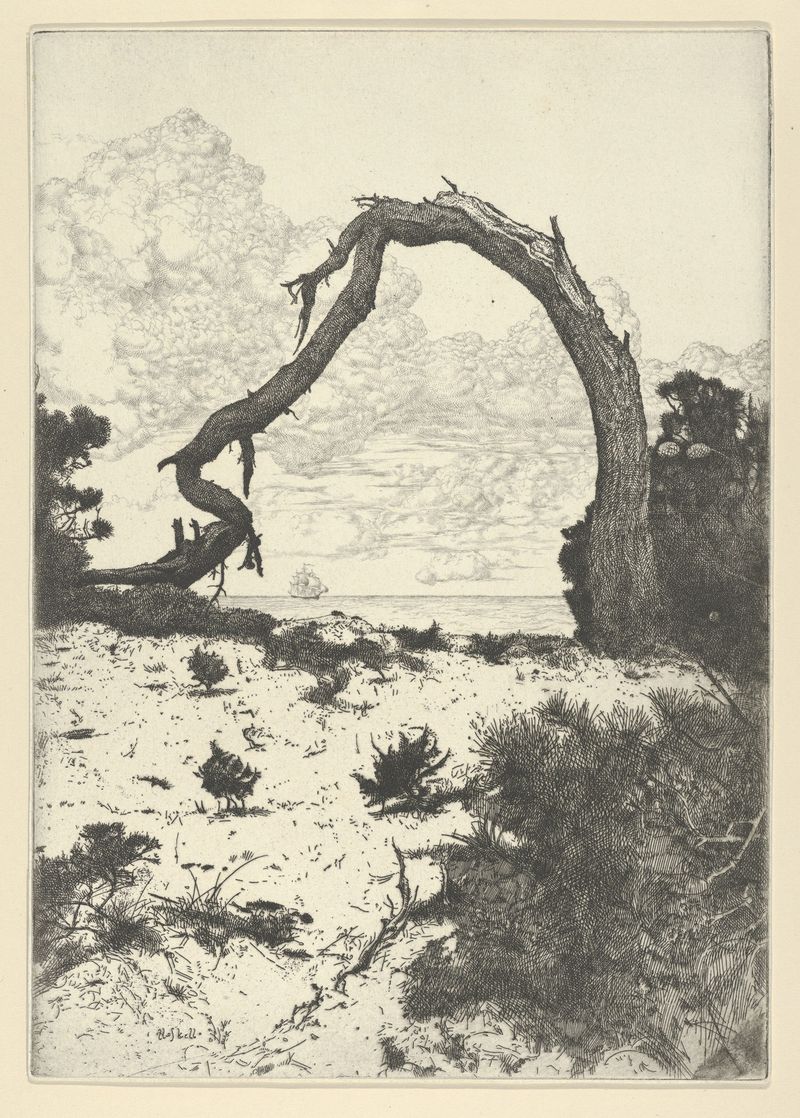
Pine Arch
Ernest Haskell

General Sherman
Ernest Haskell
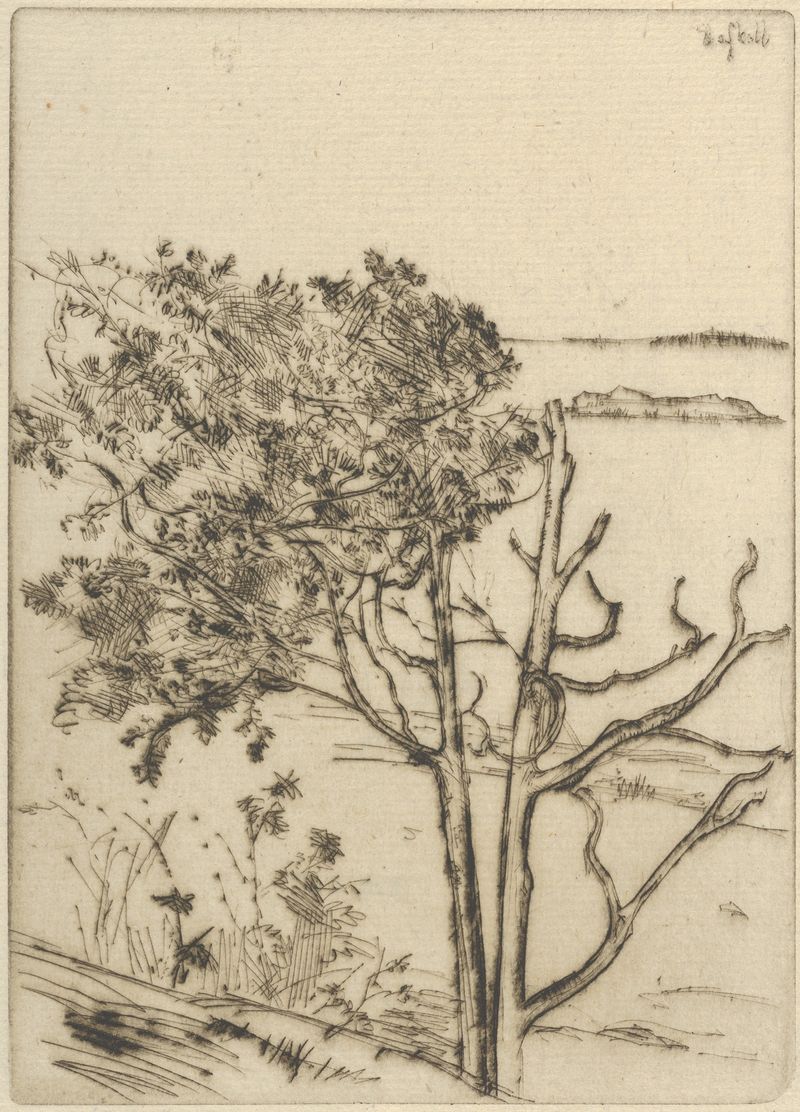
Ragged Tree – Maine
Ernest Haskell

Tide Mill
Ernest Haskell

Ship Building
Ernest Haskell
To the Southward – Ragged Island, Me.
Ernest Haskell
Long Island Marshes
Ernest Haskell





