
Tide Bridge — History & Facts
In Tide Bridge, the colors ebb and flow like water, whispering secrets of a shifting world. Each brushstroke is a testament to the artist's vision, inviting us to contemplate the essence of color as both subject and emotion. Focus first on the vibrant hues that stretch across the canvas, particularly the rich blues and warm oranges that dance together in a delicate balance. The bridge, a steadfast structure, dominates the lower section, drawing the eye with its strong lines and intricate details.
Notice how the light plays off the water's surface, creating a shimmering effect that mimics the fleeting nature of time itself. Delve deeper into the contrasts presented: the solidity of the bridge against the fluidity of the tides. This juxtaposition evokes a sense of transience, as the viewer reflects on the unyielding passage of time versus the ever-changing landscape. In the distance, soft, muted colors hint at an impending twilight, suggesting that the moment captured is not just a snapshot but a fleeting memory destined to fade. Ernest Haskell painted this piece in 1924, during a period marked by artistic experimentation and a burgeoning interest in color theory.
Living in a time when American art was evolving, Haskell's work often explored the intersection of realism and abstraction, embodying the innovative spirit of his era while contributing to the dialogue on how color shapes our perception.
More Artworks by Ernest Haskell
Browse all →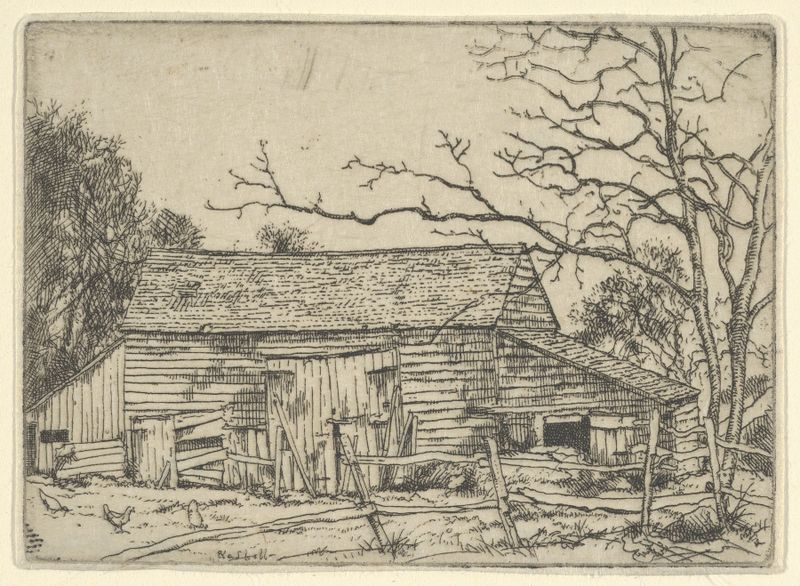
The Barn–Staten Island, N.Y.
Ernest Haskell

Four Live Oaks
Ernest Haskell
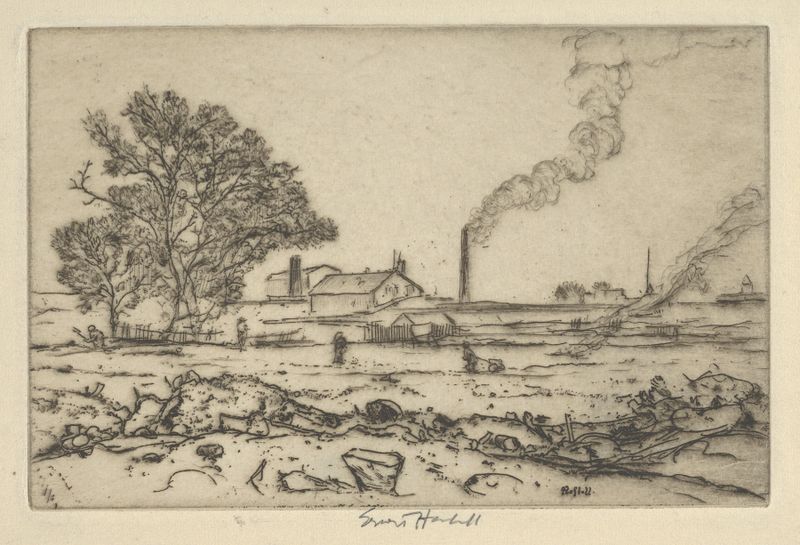
Outskirts of Boston
Ernest Haskell
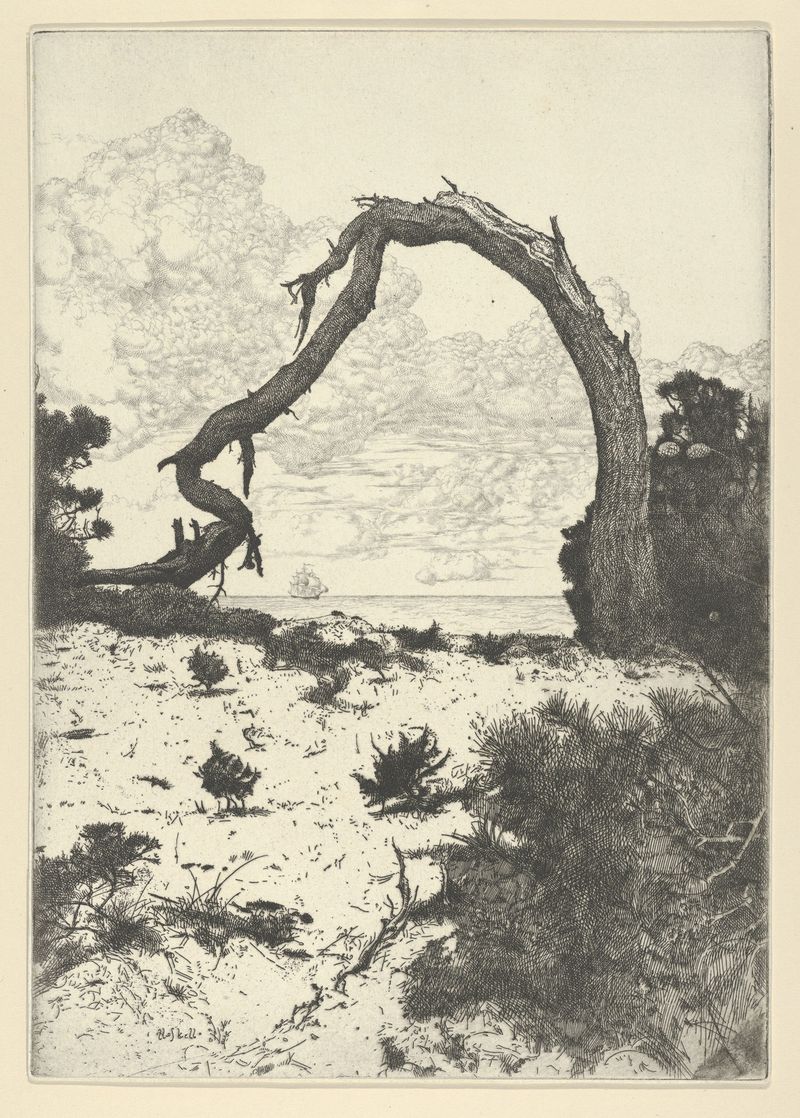
Pine Arch
Ernest Haskell

General Sherman
Ernest Haskell
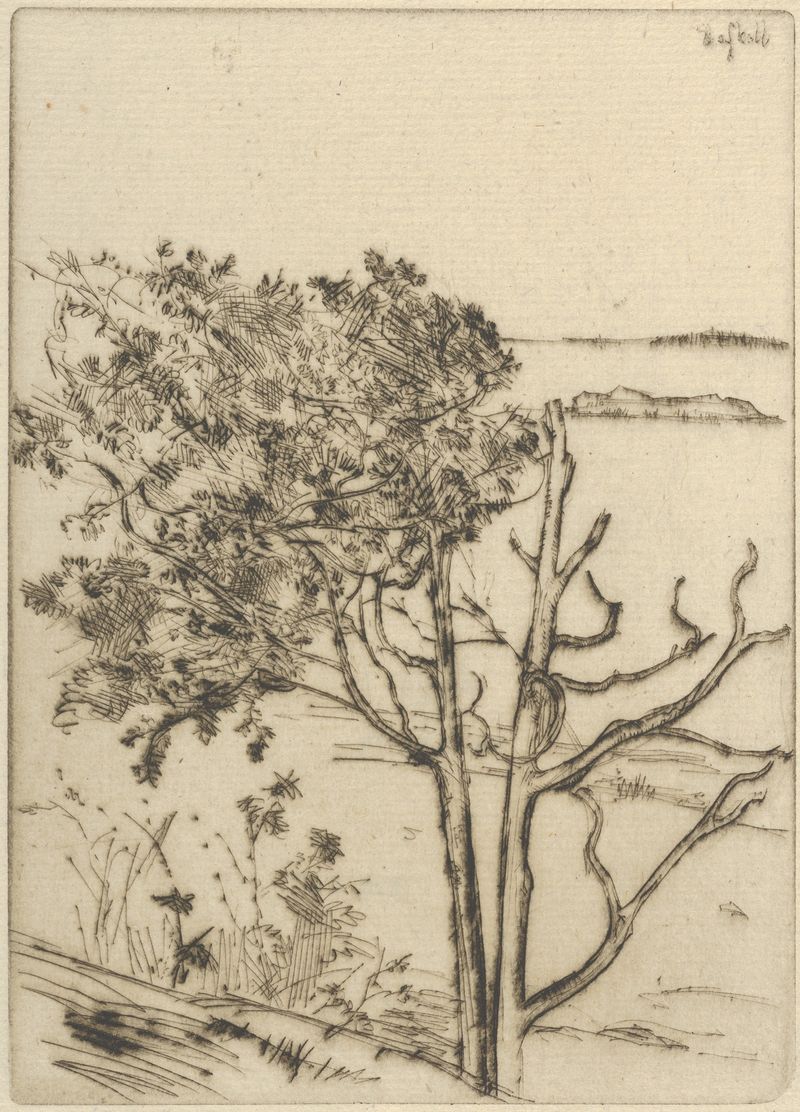
Ragged Tree – Maine
Ernest Haskell

Tide Mill
Ernest Haskell

Ship Building
Ernest Haskell
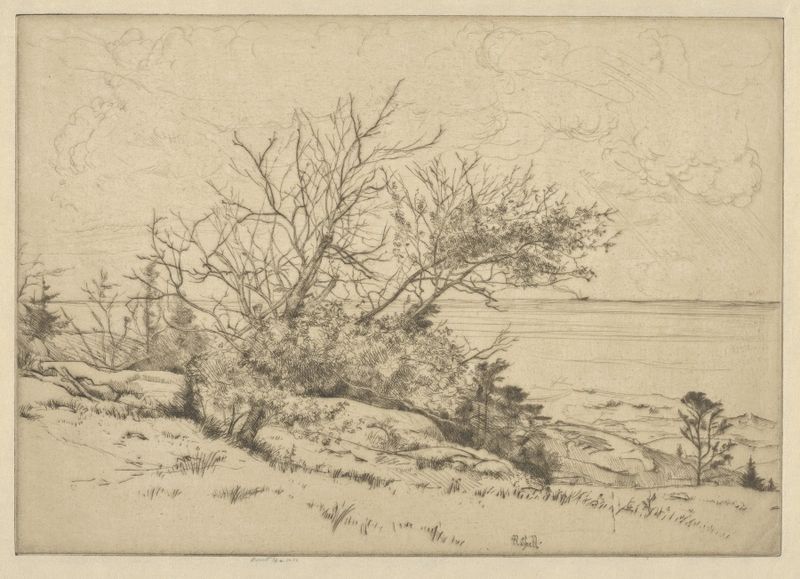
To the Southward – Ragged Island, Me.
Ernest Haskell
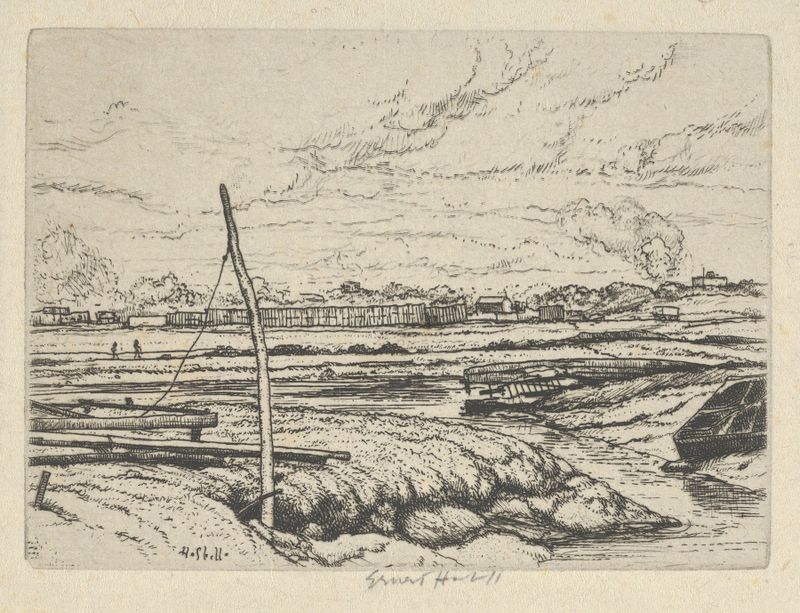
Long Island Marshes
Ernest Haskell





