
Tiryns — History & Facts
In the haunting emptiness of a place once vibrant, the stillness reverberates with echoes of time long past. Focus on the vastness of the landscape; the ruins extend across the canvas, their crumbling forms bathed in the soft glow of an afternoon sun. Notice how the shadows stretch across the ground, drawing your gaze toward the distant mountains that rise stoically behind the remnants of civilization. The palette of muted earth tones and gentle blues invokes a melancholy, inviting contemplation on the passage of time and the fragility of human achievement. Hidden within the desolate setting lies a tapestry of emotion.
The stark contrast between the crumbling structures and the enduring mountains speaks to the impermanence of mankind against the backdrop of nature's permanence. Each stone seems to whisper stories of lives once lived, dreams once held, and aspirations now lost. This tension between grandeur and decay encapsulates a profound sense of emptiness, provoking reflections on legacy and memory. In 1834, Rottmann was immersed in the Romantic movement, captivated by the interplay of nature and history.
Painting from Greece, he sought to evoke a sense of nostalgia for the ancient world, as Europe grappled with its own identity amid rapid industrialization. This period of his life was marked by a deep connection to the landscapes he portrayed, encapsulating both admiration and longing for what had been, translating his introspection into art that resonates with viewers even today.
More Artworks by Carl Rottmann
Browse all →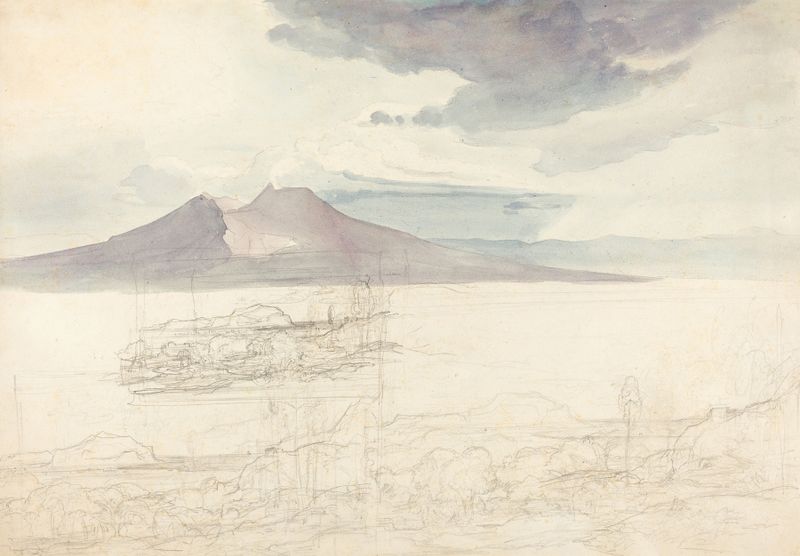
Panoramic Views of Vesuvius and Monte Pellegrino
Carl Rottmann
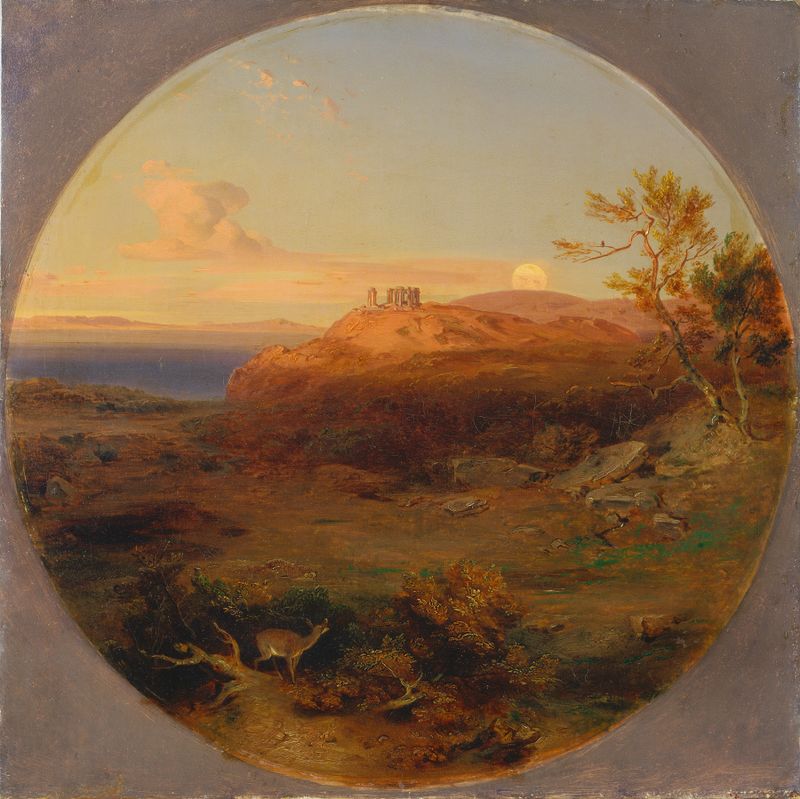
Greek Landscape on the Island of Aegina
Carl Rottmann
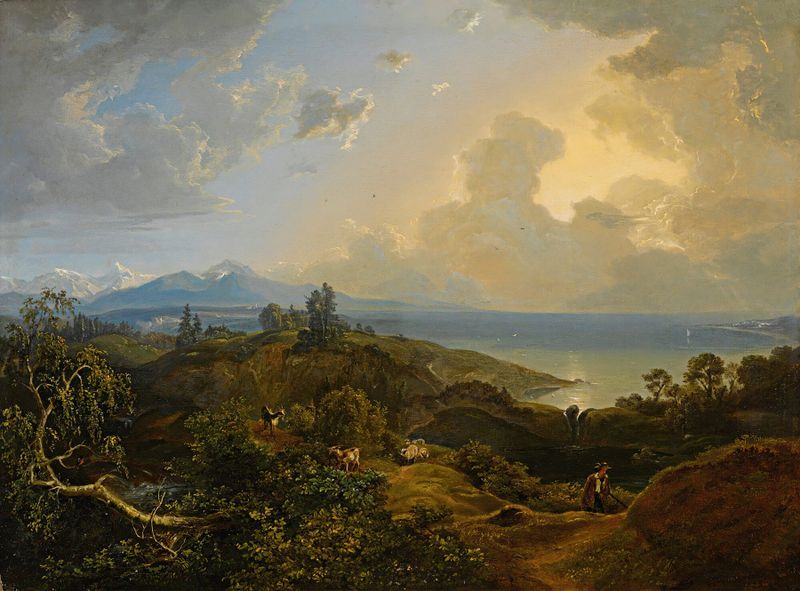
An extensive landscape in Bavaria or the Salzkammergut
Carl Rottmann
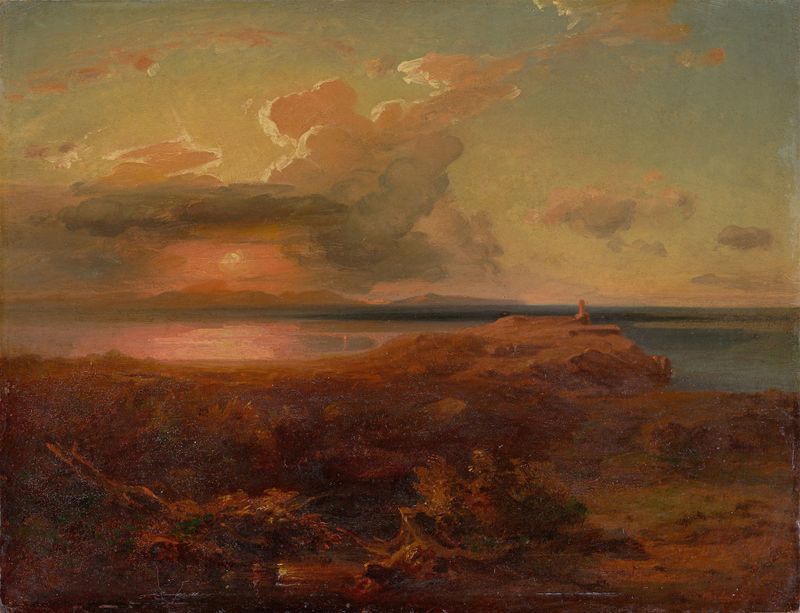
Ägina mit dem Apollotempel
Carl Rottmann

Landscape
Carl Rottmann

Die Insel Ägina mit den Ruinen des Hekatetempels
Carl Rottmann
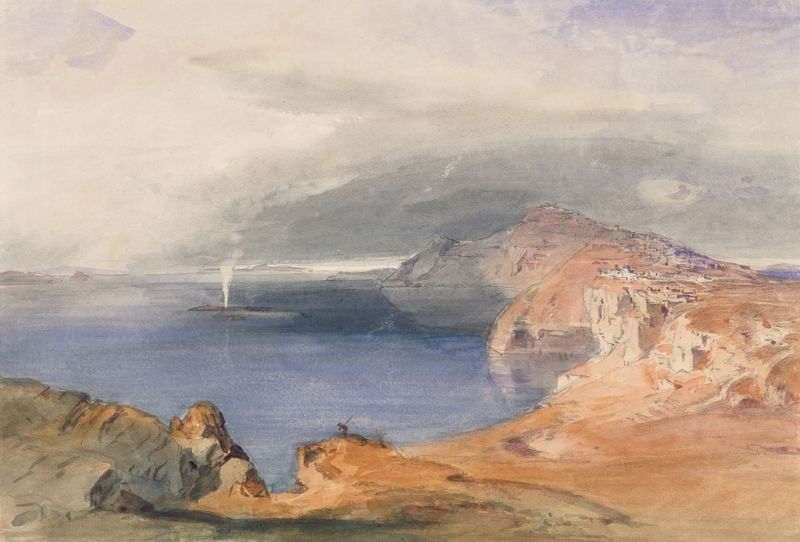
Santorini (Thira)
Carl Rottmann

Athens, seen from the well
Carl Rottmann
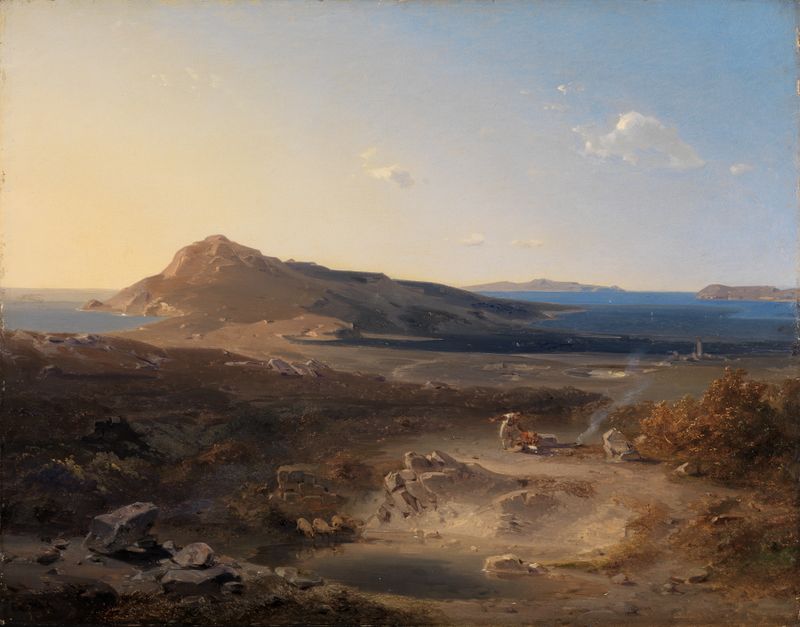
Die Insel Delos
Carl Rottmann

Olympia
Carl Rottmann





