
Titelpagina met tekst en Drieëenheid — History & Facts
Did the painter know this moment would outlive them? The intricate design of Titelpagina met tekst en Drieëenheid stands as a testament to the enduring nature of art, capturing the delicate balance between glory and decay. Look to the center where the bold, ornate text commands attention, a declaration of purpose that merges with the imagery surrounding it. Notice how the figures of the Holy Trinity are framed by detailed foliage, each leaf painted with meticulous care, revealing Cranach’s skilled hand. The warm hues of gold and deep greens create a harmonious vibrancy that contrasts with the darker undertones lurking in the background, suggesting a world rich with history yet shadowed by inevitable deterioration. The interplay of light and shadow in this work encapsulates a profound tension; the divine figures, seemingly untouched by time, hover amidst elements that evoke a sense of fragility.
The choice of colors and compositions intrigues the viewer, prompting reflections on the passing of time and the legacies we leave behind. Each stroke immortalizes not just the subject matter but also the artist's awareness of decay, inviting contemplation on the juxtaposition of spiritual permanence and earthly transience. In 1616, Lucas Cranach (I) painted this piece during a period when Northern Renaissance art was beginning to wane in influence. Cranach, already an established master, was navigating the shifting tides of art and faith, as Reformation ideas challenged traditional viewpoints.
His work reflects not only his exceptional skill but also a desire to capture profound truths that resonate even centuries later, immortalizing a moment that would survive long beyond his own lifetime.
More Artworks by Lucas Cranach (I)
Browse all →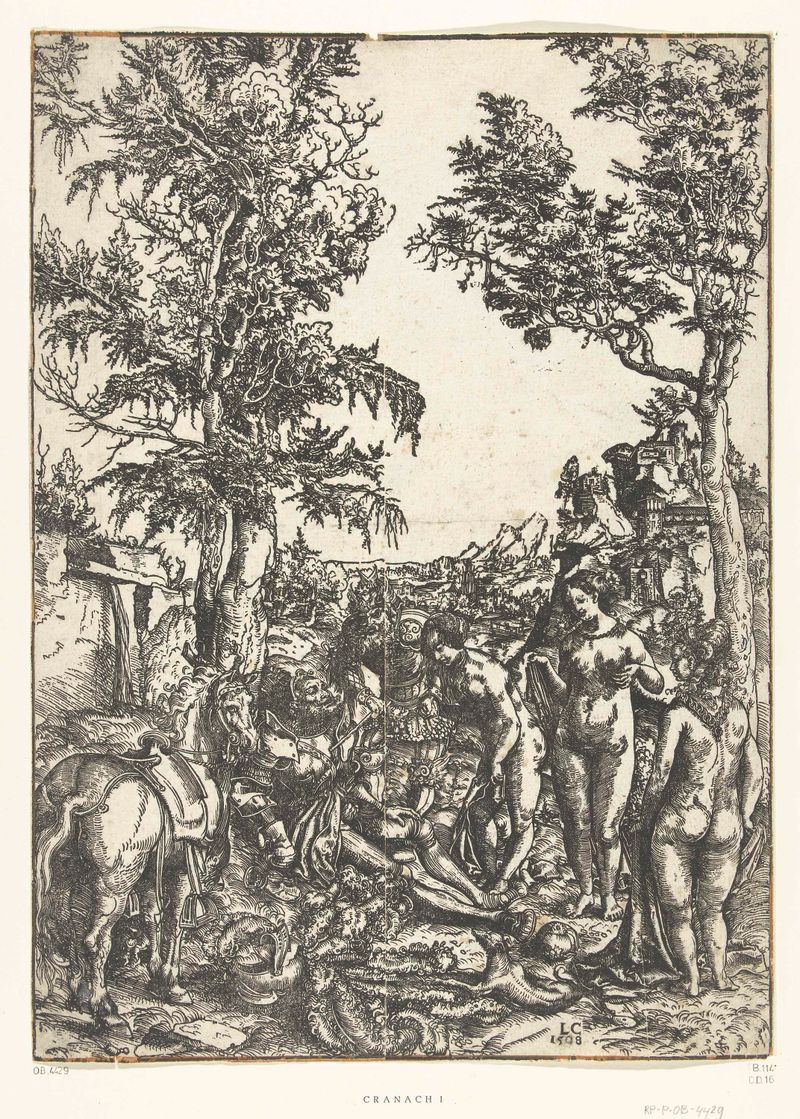
Oordeel van Paris
Lucas Cranach (I)
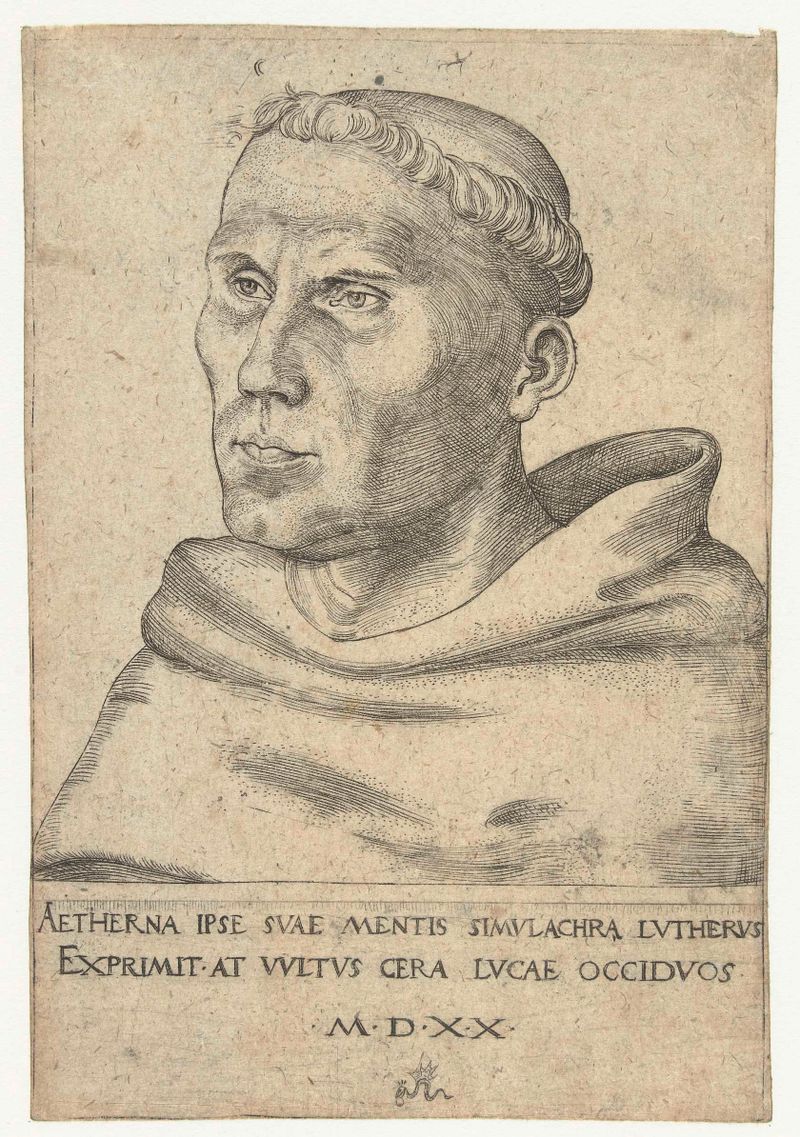
Portret van Martin Luther als Augustijner monnik
Lucas Cranach (I)
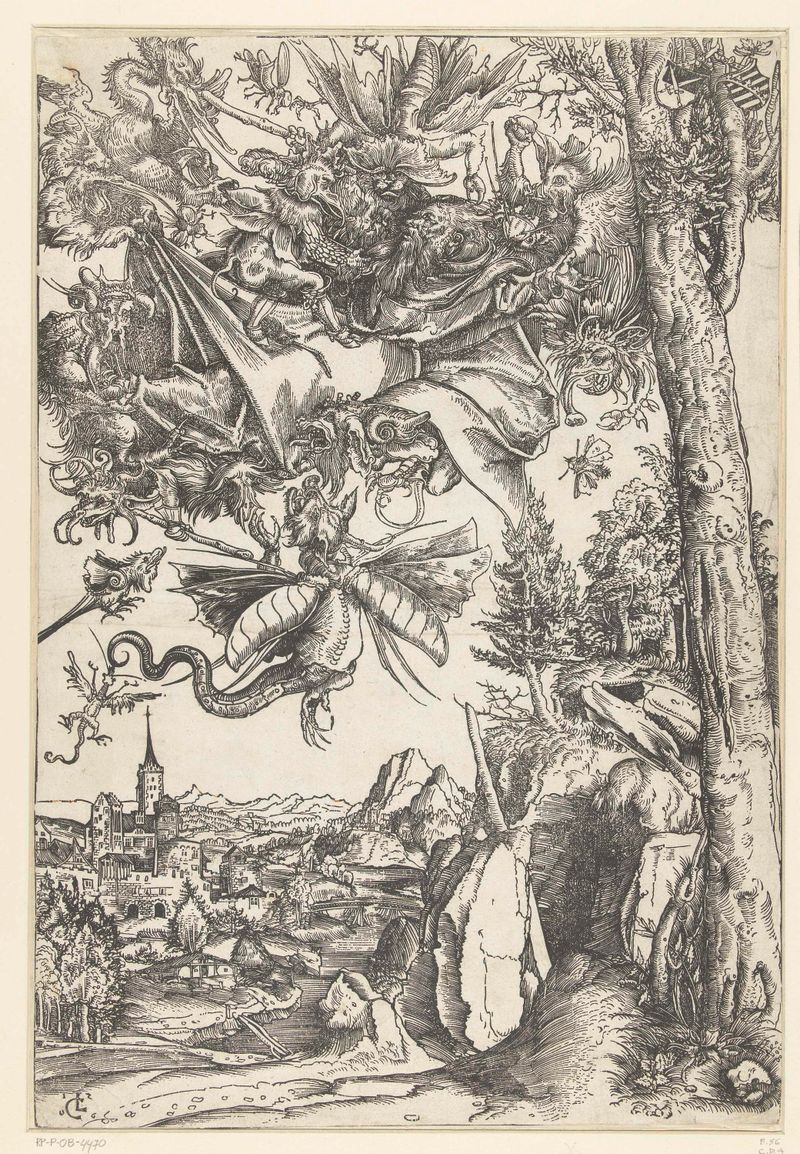
Verzoeking van Antonius met aanval door demonen
Lucas Cranach (I)

Christus en de Samaritaanse vrouw
Lucas Cranach (I)

Duits toernooi met twee edelmannen als ridders te paard
Lucas Cranach (I)
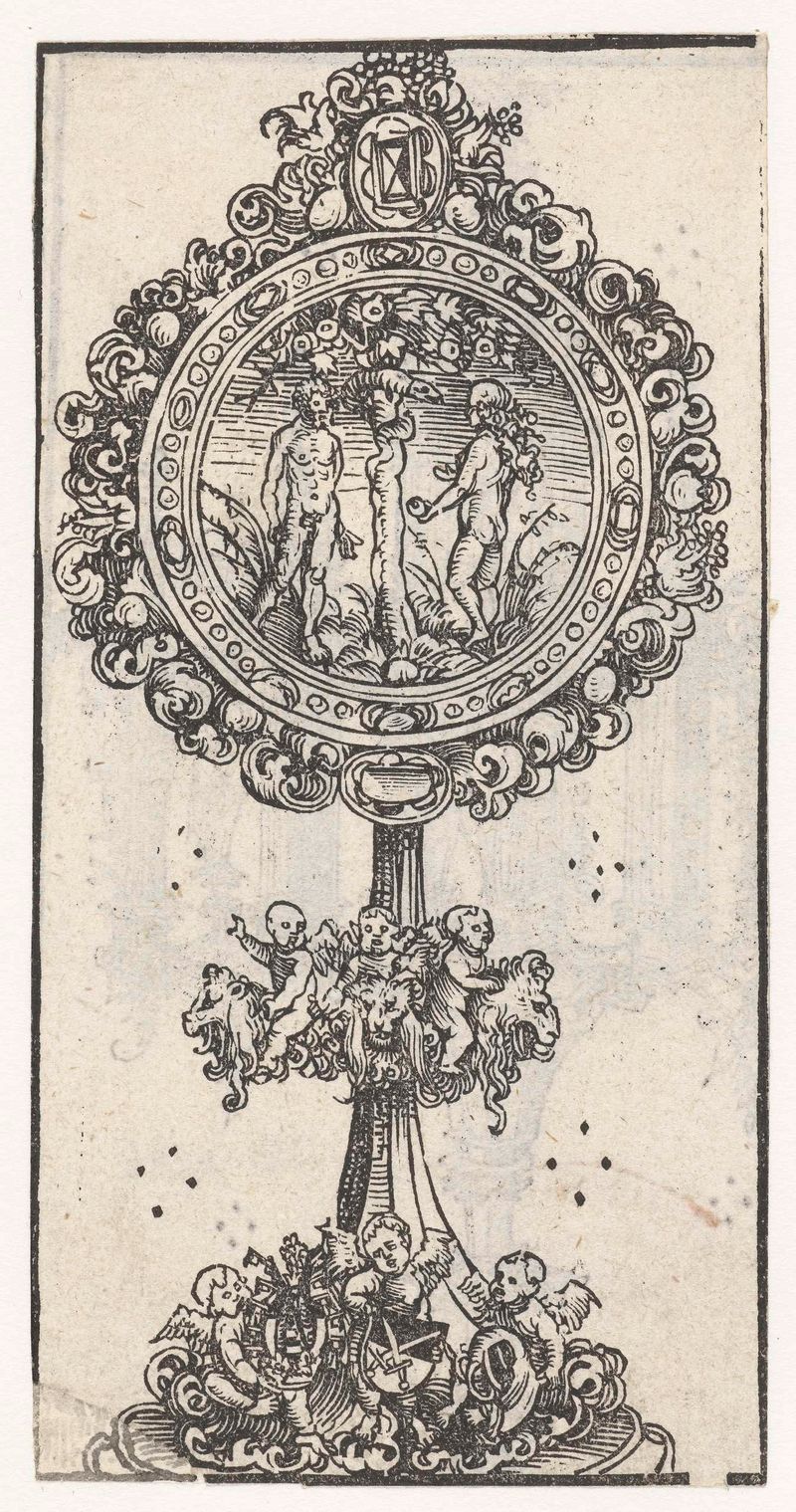
Reliekhouder met de verzoeking van Adam en Eva
Lucas Cranach (I)

Intocht van Christus in Jerusalem
Lucas Cranach (I)
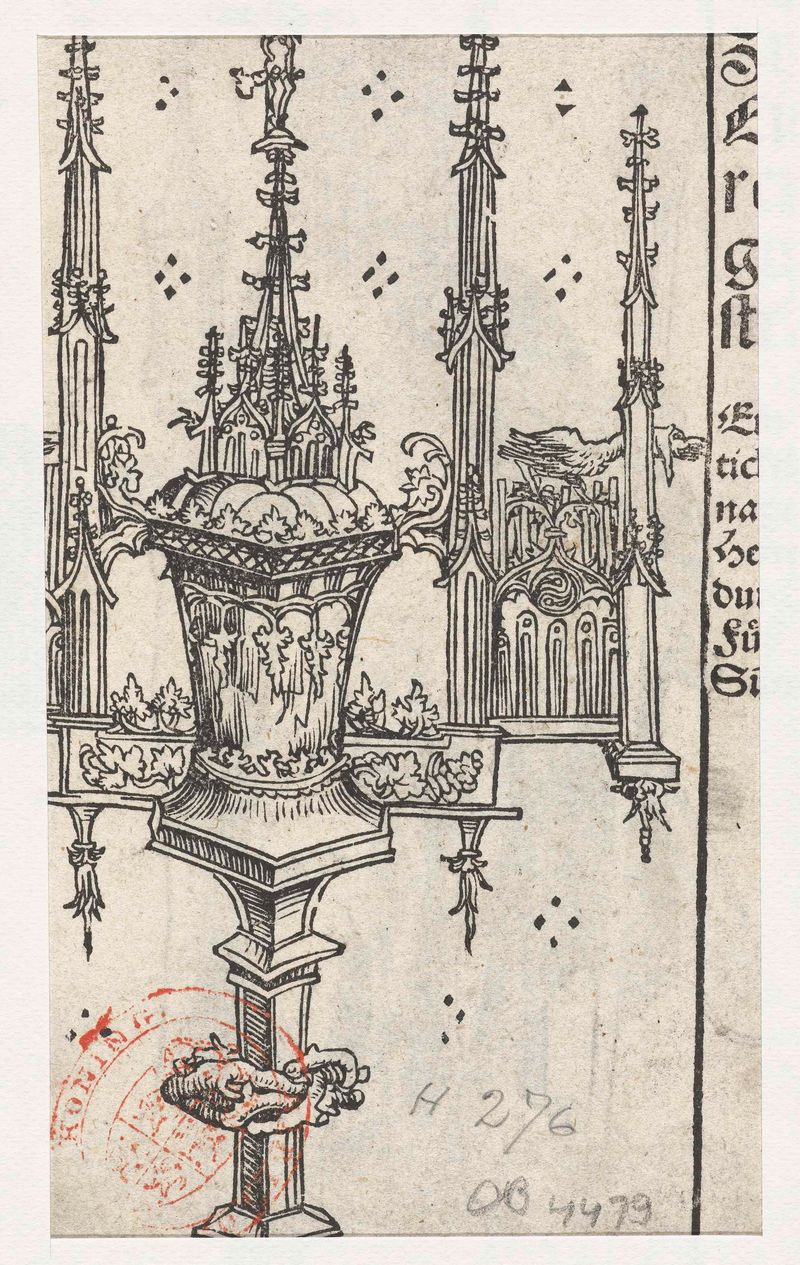
Monstrans met vogel (pelikaan)
Lucas Cranach (I)
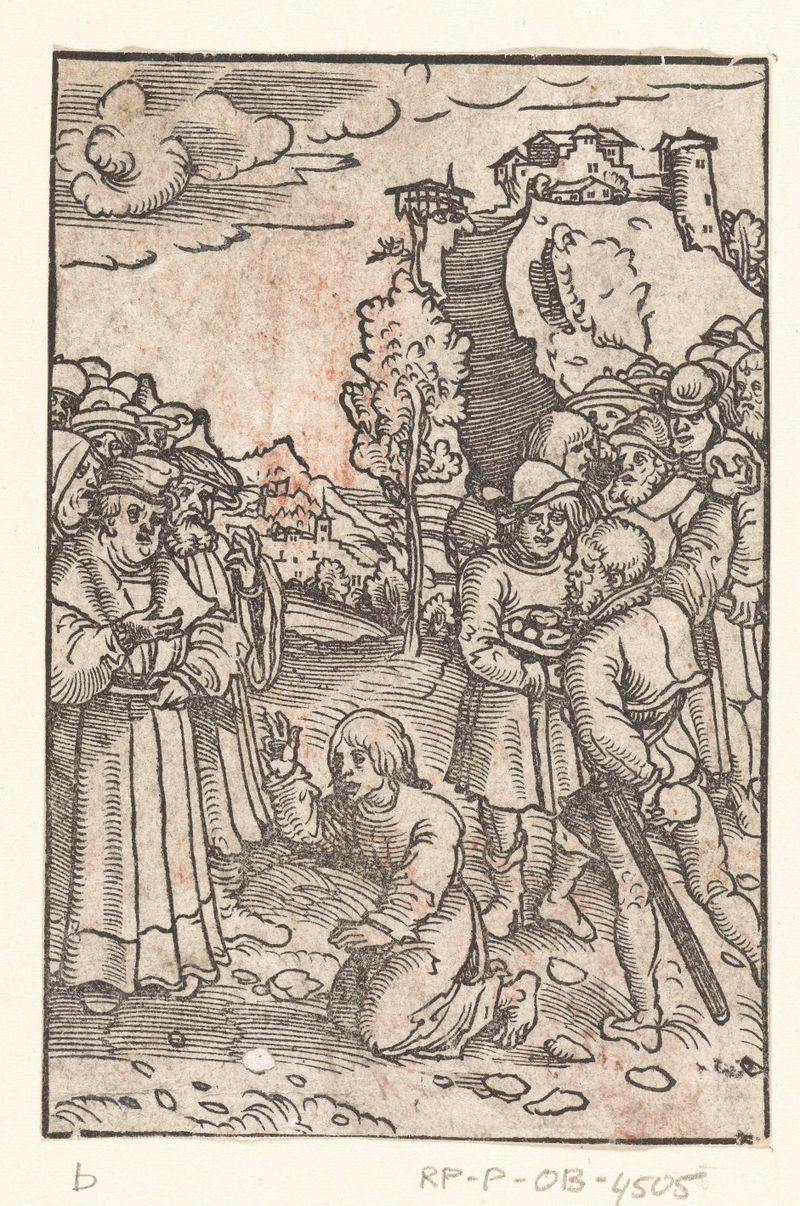
Steniging van Stefanus
Lucas Cranach (I)
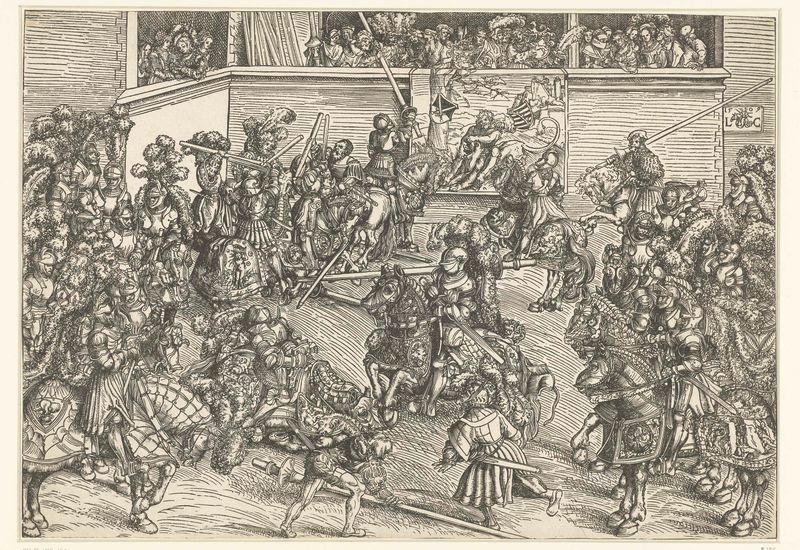
Toernooi van het keurvorstelijk hof van Saksen met wandtapijt Simson doodt de leeuw
Lucas Cranach (I)
More Religious Art
Browse all →
The Return of the Prodigal Son
Rembrandt van Rijn

The Garden of Earthly Delights
El Bosco

Count Orgaz’ funeral
El Greco

The Hundred Guilder Print: the central piece with Christ preaching, the plate arched
Rembrandt van Rijn

The Descent from the Cross
Rogier van der Weyden

The return of the prodigal son
Rembrandt van Rijn