
Tivoli — History & Facts
Is this a mirror — or a memory? In Tivoli, the viewer is drawn into a realm where reality dances with the ethereal, where every brushstroke whispers stories of awe and wonder. Look to the left at the cascading waterfalls that tumble gracefully into the lush greenery below. The vibrant hues of emerald and sapphire capture the eye, contrasting beautifully with the warm golden tones of the sun-drenched rocks. Notice how the light filters through the leaves, casting delicate shadows that play across the scene, inviting you to wander deeper.
The composition is masterfully arranged, leading your gaze along the paths and waterways, inviting exploration of this idyllic escape. Yet, beneath the surface charm lies an intricate web of emotional interplay. The tranquil scene hints at transience, a reminder of nature's impermanence juxtaposed with the steadfastness of the grand architecture rising in the distance. Each element, from the gentle flow of water to the stoic mountains, reflects a deeper longing for serenity amidst the chaos of life.
It captures a fleeting moment, evoking a bittersweet nostalgia that resonates with anyone seeking solace in nature. William James Müller painted Tivoli in 1835 during a period marked by his exploration of Romantic ideals. Living in England, he drew inspiration from his travels through Italy, where the enchanting landscapes and ancient ruins captivated him. This painting symbolizes the interplay of nature and human creation, reflecting a broader trend in art toward celebrating the sublime beauty of the natural world during the 19th century.
More Artworks by William James Müller
Browse all →
Cleeve, Somerset, with Bridgewater Bay in the Distance
William James Müller

The Bridge at Llangollen
William James Müller

Cairo Bazaar
William James Müller
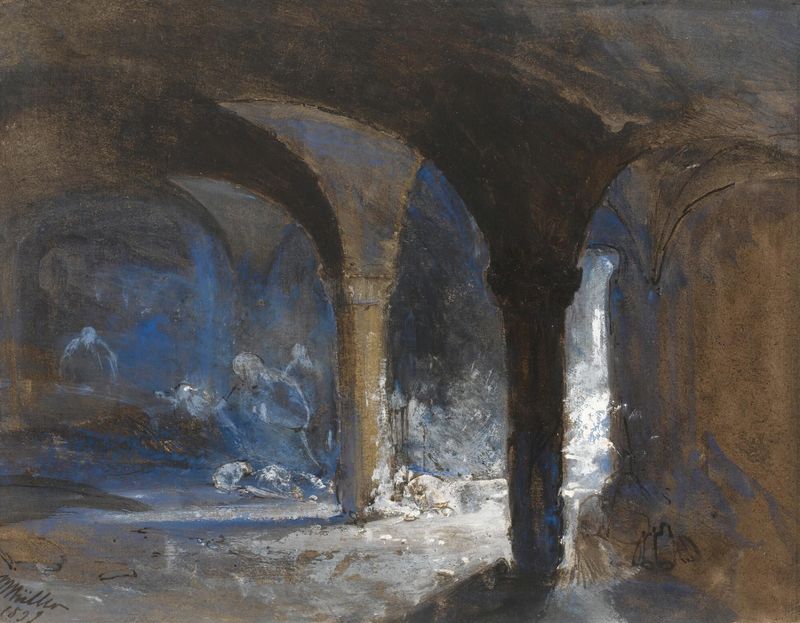
Crypt of the bishop’s palace during the Bristol riots
William James Müller

Near the Caravan Bridge, Smyrna
William James Müller
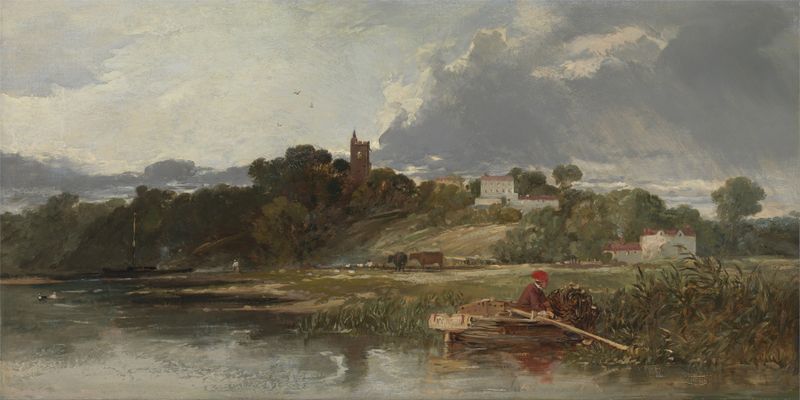
Gillingham on the Medway
William James Müller

The Church of the Holy Sepulchre
William James Müller

A View of Eton and the Fellows Eyot
William James Müller

Tripoli
William James Müller

A Mountain Torrent
William James Müller





