
Tobias and the Angel — History & Facts
In the quiet moments of our lives, obsession whispers, often louder than words, revealing truths we dare not express. Look to the center of the composition where Tobias, youthful and hopeful, reaches out towards the ethereal figure of the angel. Notice how the swirling drapery around them forms an almost intimate cocoon, a sanctuary from the outside world. The rich palette of deep greens and blues contrasts with the angel's luminous gold, creating a tension between the earthly and the divine.
The delicate brushwork highlights their expressions — Tobias’s tentative curiosity set against the serene, knowing gaze of the angel, capturing a transformative moment suspended in time. As you delve deeper, observe the subtle play of light filtering through dark clouds, casting both characters in a mystical glow. The tension between the angel's otherworldly grace and Tobias's human vulnerability speaks to the obsession with the unknown, the longing for knowledge beyond our grasp. The background, shadowed yet vibrant, hints at the challenges that lie ahead, reinforcing the emotional stakes of their encounter.
This scene becomes a testament to the struggles between faith and doubt, desire and caution. Antonie Waterloo painted this work during a time of artistic transition in the late 17th century, reflecting the Baroque influence on his style. Living in a period when Dutch painting was deeply engaged with themes of spirituality and human experience, he navigated the interplay of light and shadow with mastery. His adherence to meticulous detail and emotional depth in Tobias and the Angel reveals not only his artistic prowess but also his desire to capture the profound complexities of faith and obsession.
More Artworks by Antonie Waterloo
Browse all →
Gezicht op het dorp Soest
Antonie Waterloo

Hagar comforted by the Angel
Antonie Waterloo

Waldbach, der über Felsen stürzt, über die eine Holzbrücke führt
Antonie Waterloo
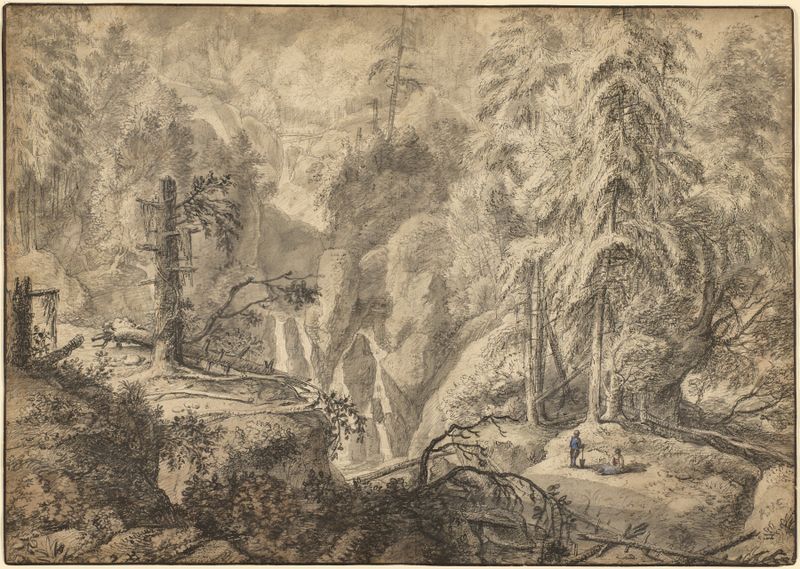
Mountain Landscape, Peasants in a Clearing near a Waterfall
Antonie Waterloo
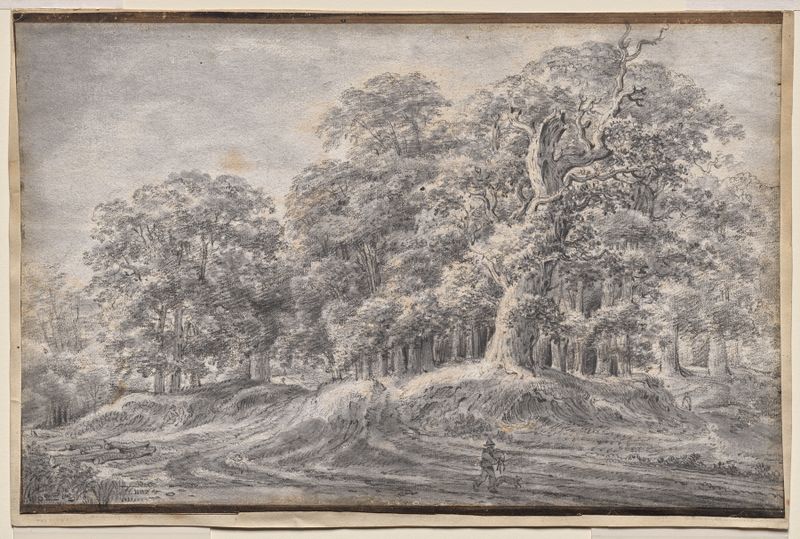
A Track on the Edge of a Wood with a Peasant Carrying Sheep
Antonie Waterloo
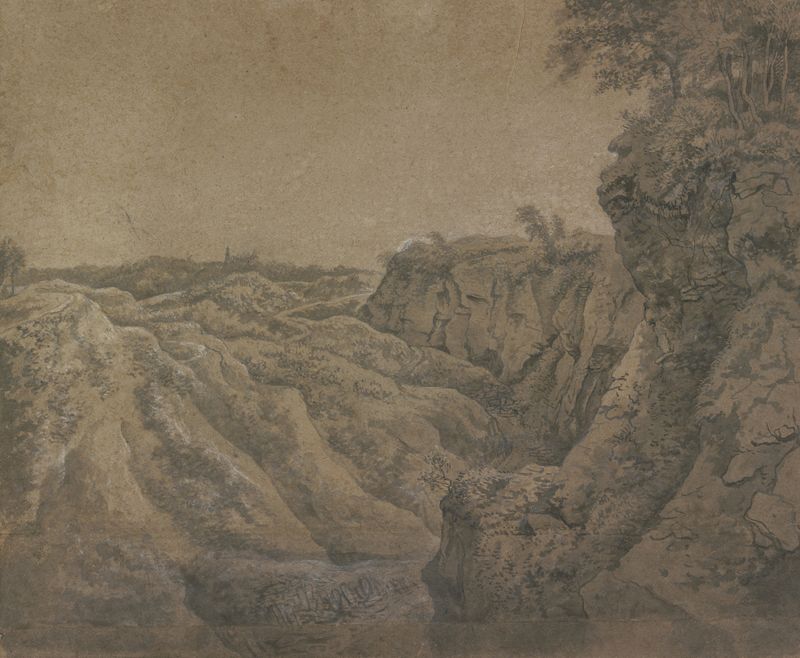
Landscape with a View of Bentheim Castle in the far Distance
Antonie Waterloo
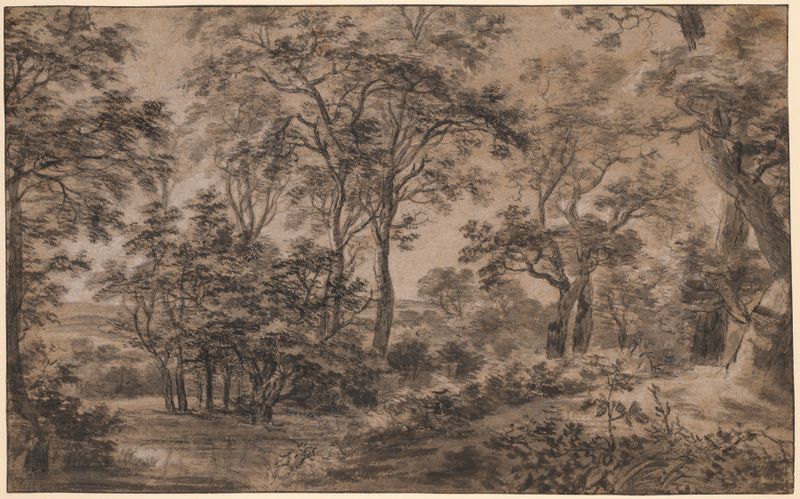
Wooded Landscape
Antonie Waterloo
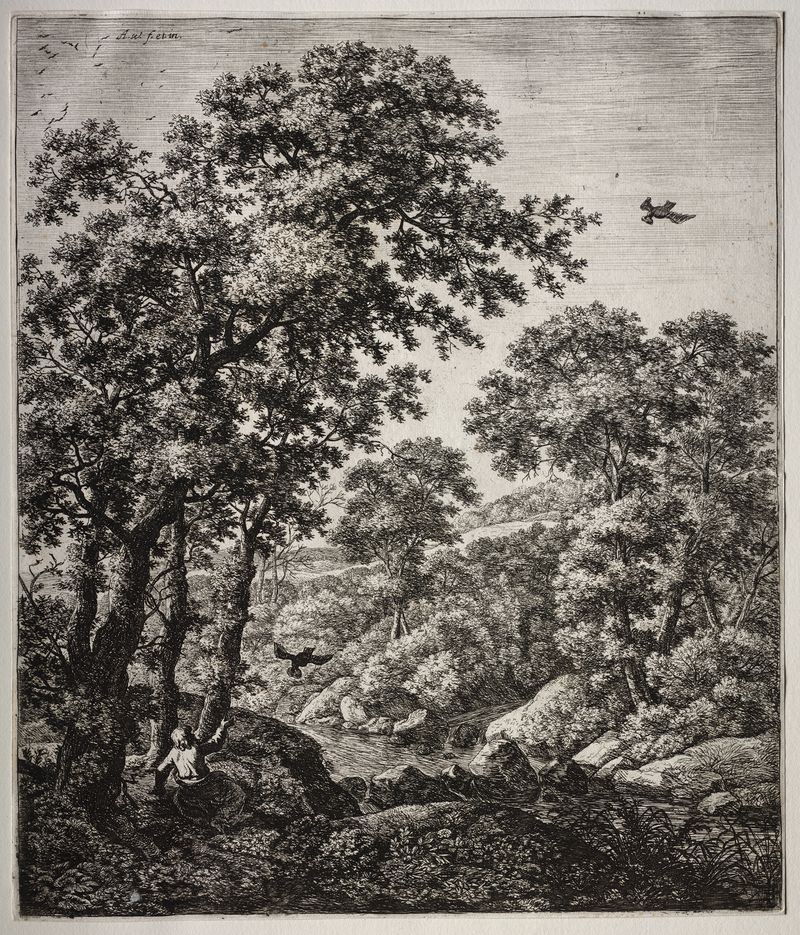
Elijah Fed by the Ravens
Antonie Waterloo
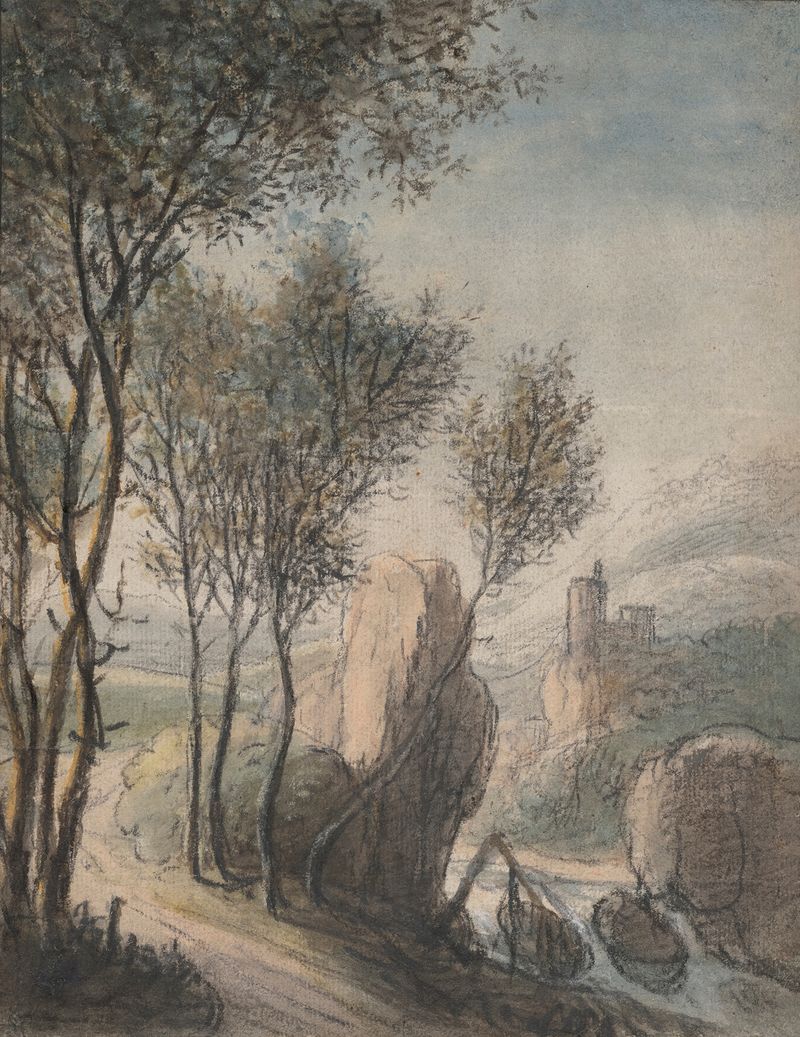
River Landscape with a Castle in the Distance
Antonie Waterloo

Trees and cottages in hilly landscape
Antonie Waterloo
More Religious Art
Browse all →
The Return of the Prodigal Son
Rembrandt van Rijn

The Garden of Earthly Delights
El Bosco

Count Orgaz’ funeral
El Greco

The Hundred Guilder Print: the central piece with Christ preaching, the plate arched
Rembrandt van Rijn

The Descent from the Cross
Rogier van der Weyden

The return of the prodigal son
Rembrandt van Rijn