
Tobias en de engel — History & Facts
This phrase resonates deeply when contemplating the layers of legacy woven into the heart of Wenceslaus Hollar’s work. What does it mean to inherit a story, to carry its weight like a precious gem? Here, we are drawn into the delicate balance between the triumphs and tribulations that shape our existence. Look to the left of the composition, where a radiant angel, draped in celestial robes, extends a hand towards the youthful Tobias. The light cascades softly, illuminating the golden tones that dominate the scene, casting ethereal highlights against the somber shadows.
Notice how the figures are meticulously rendered with fine lines; Hollar’s etched details offer an intricate textural quality, inviting the eye to explore every nuance of their expressions and attire. The contrasting colors—rich golds against muted earth tones—create both harmony and tension, embodying the duality of their journey. Beneath the serene surface, a narrative of guidance and protection unfolds. The angel, with a gentle yet commanding presence, becomes a metaphor for the support that shapes one’s legacy.
Tobias’ posture, a mix of curiosity and apprehension, hints at the uncertainties he faces as he embarks on a pivotal journey. This dynamic tension between the celestial and the earthly serves as a reminder that beauty often carries the weight of sacrifice and struggle. Hollar created this piece between 1644 and 1652, a period marked by his emigration from Prague to England amidst political turmoil in Europe. Living in a world of artistic innovation, he explored etching and printmaking, honing a style that would influence generations.
This work reflects his dedication to themes of morality and legacy during a time when the stories of the past held profound significance, shaping the cultural fabric of his new home.
More Artworks by Wenceslaus Hollar
Browse all →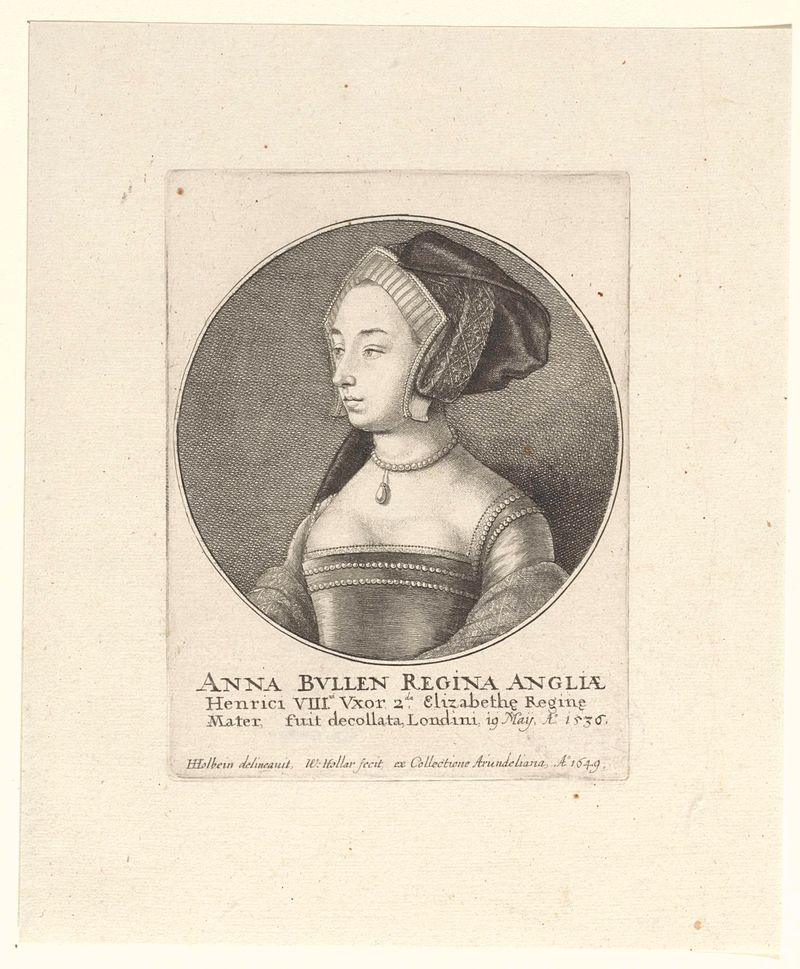
Portret van Anna Boleyn, koningin van Engeland
Wenceslaus Hollar
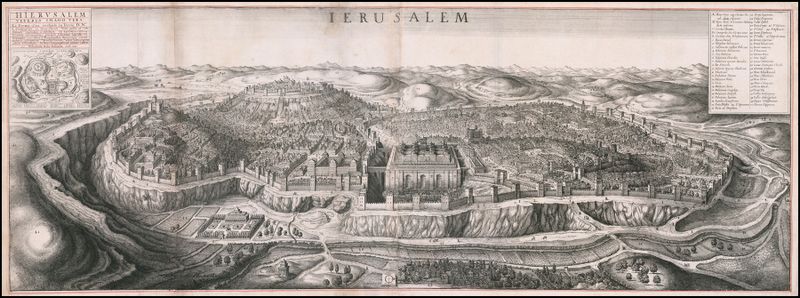
Bird’s eye view of Jerusalem
Wenceslaus Hollar
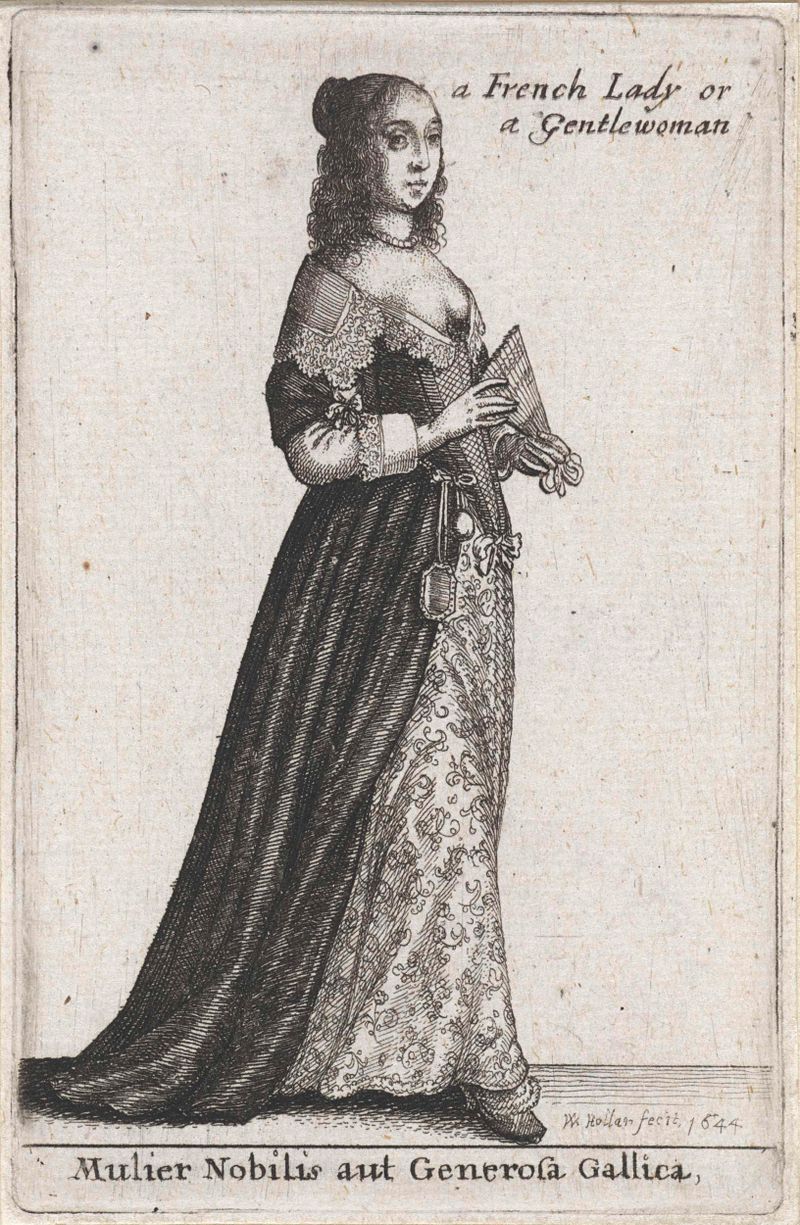
Mulier Nobilis aut Generosa Gallica / a French Lady or Gentlewoman
Wenceslaus Hollar
Titelprent voor: Ornatus Muliebris Anglicanus
Wenceslaus Hollar
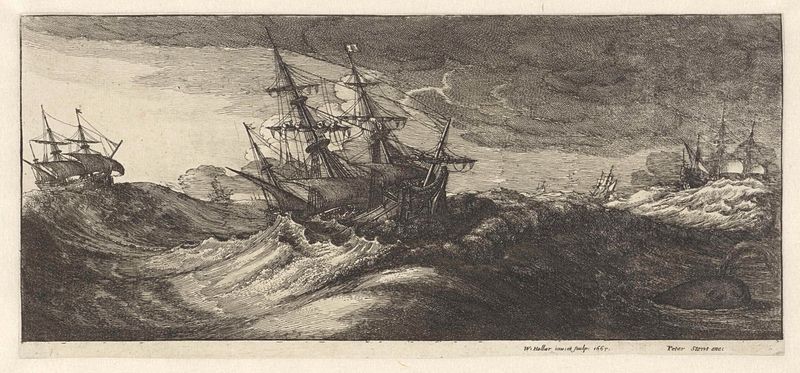
Oorlogsschepen en een walvis in een zeestorm
Wenceslaus Hollar
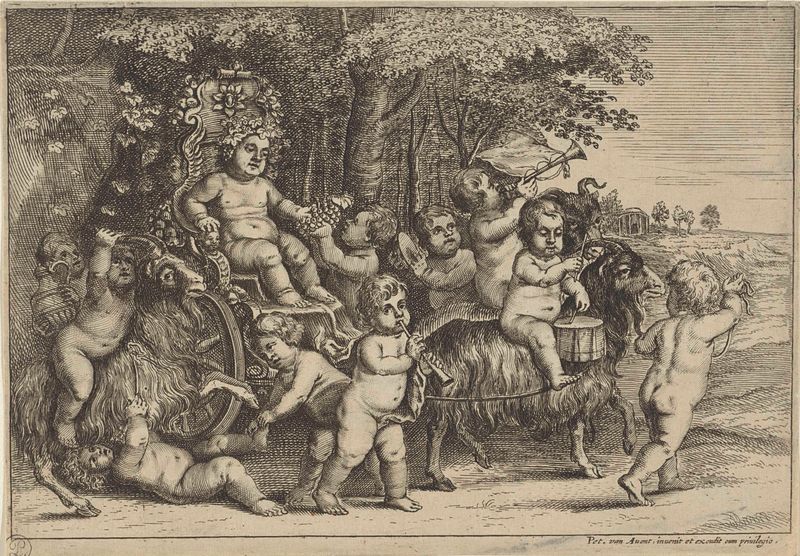
Optocht van bacchant en jongetjes op geiten
Wenceslaus Hollar
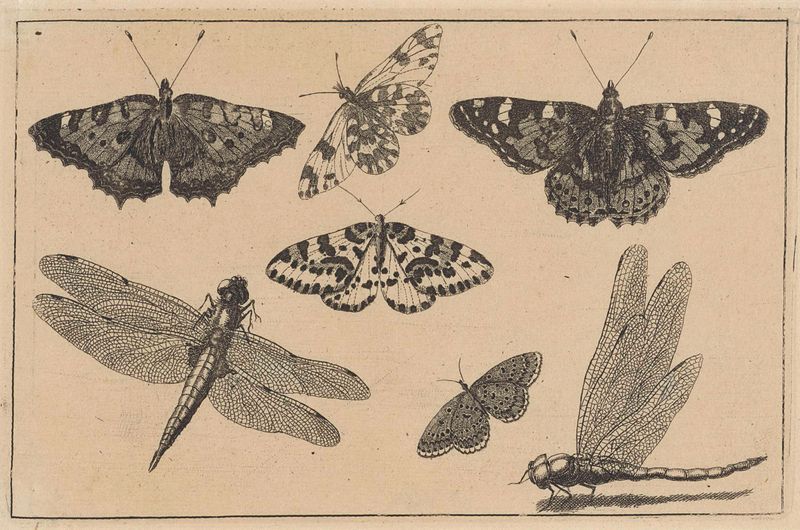
Twee libellen en vijf vlinders
Wenceslaus Hollar
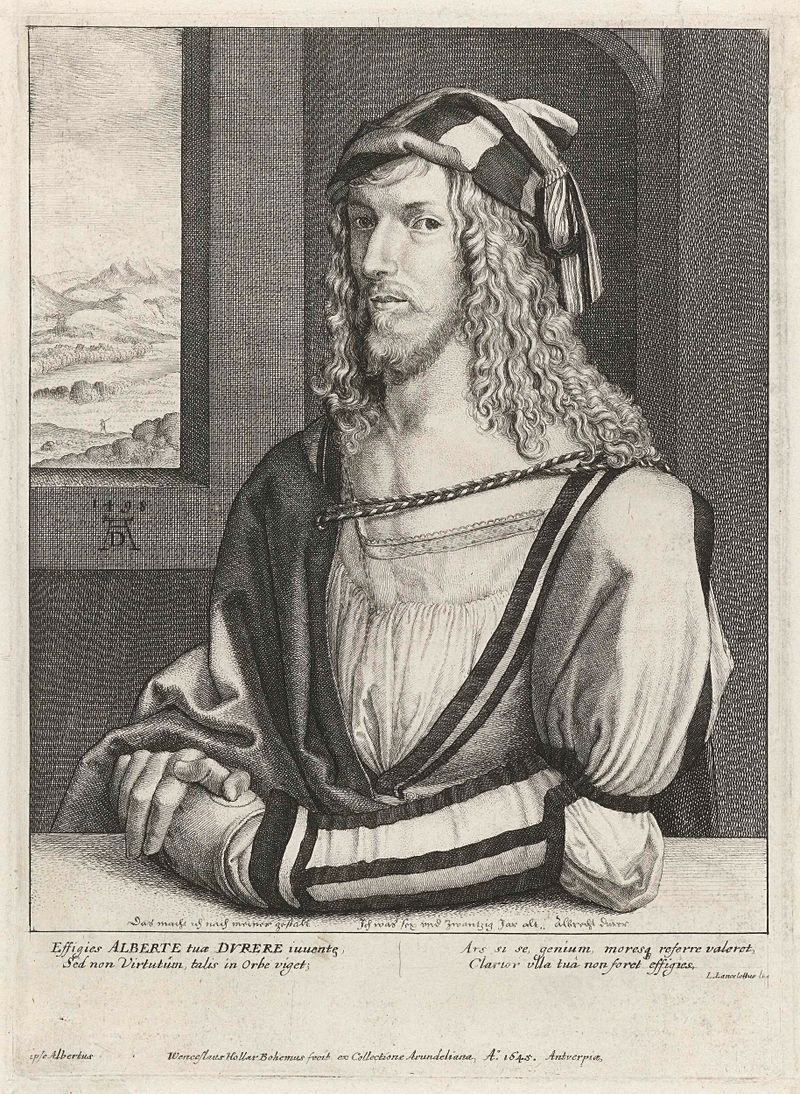
Portret van Albrecht Dürer
Wenceslaus Hollar
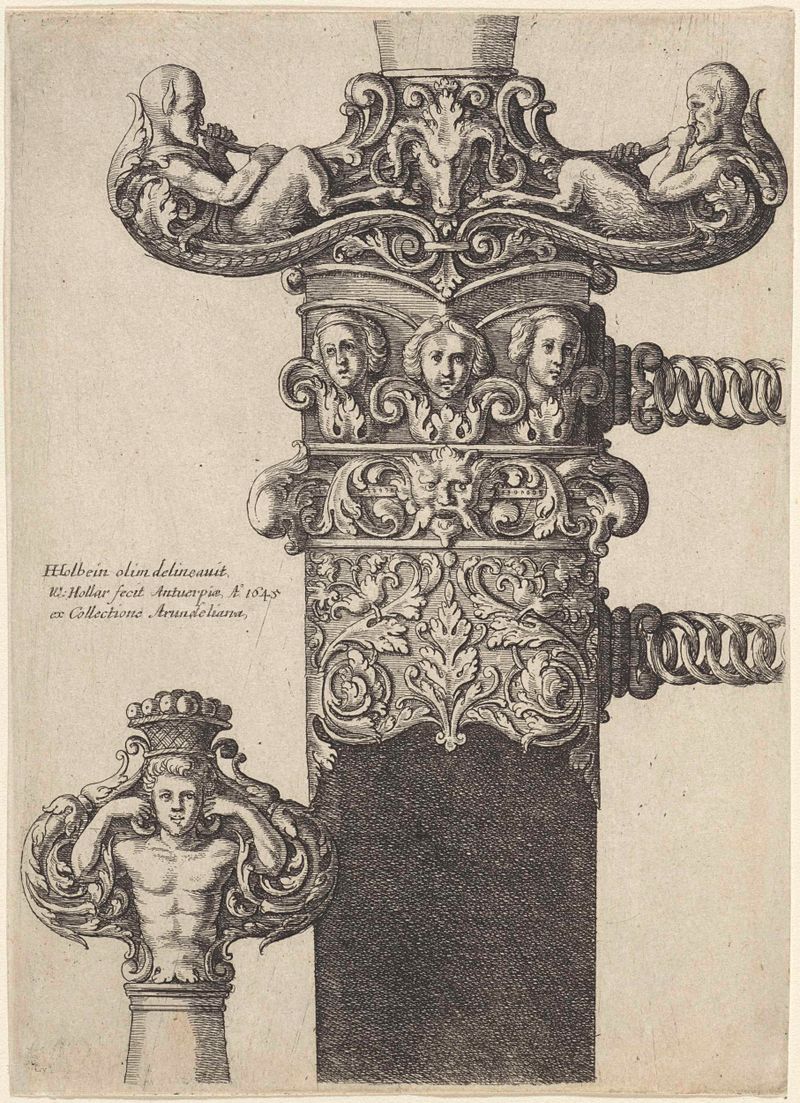
Ornamenteel ontwerp voor een dolk
Wenceslaus Hollar
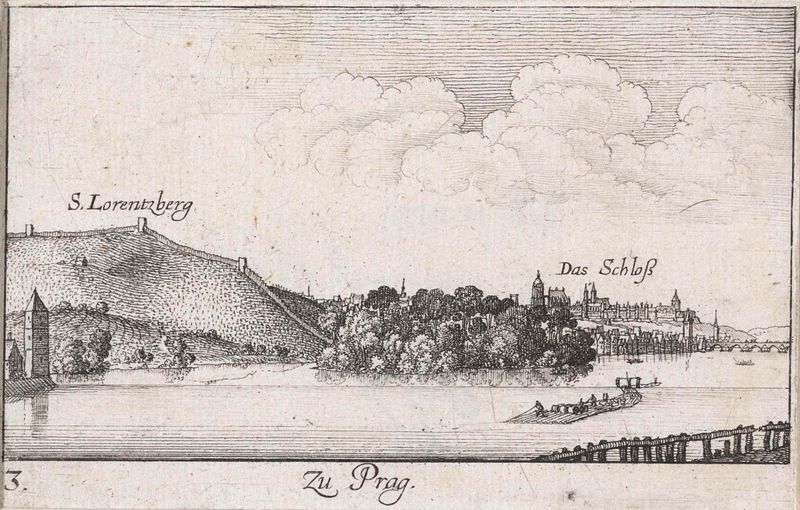
Gezicht op Praag vanaf de Moldau
Wenceslaus Hollar
More Religious Art
Browse all →
The Return of the Prodigal Son
Rembrandt van Rijn

The Garden of Earthly Delights
El Bosco

Count Orgaz’ funeral
El Greco

The Hundred Guilder Print: the central piece with Christ preaching, the plate arched
Rembrandt van Rijn

The Descent from the Cross
Rogier van der Weyden

The return of the prodigal son
Rembrandt van Rijn