
Tobias legt het hart en de lever van de vis op wierook — History & Facts
Can beauty exist without sorrow? In Tobias legt het hart en de lever van de vis op wierook, the delicate interplay of illusion and reality invites profound contemplation on this very question. Look closely at the center, where Tobias carefully places the fish's heart and liver upon a bed of incense. The warm, muted tones of the fish contrast sharply with the soft, ethereal glow of the incense smoke, creating a tension between the earthly and the divine. Notice how the intricate details of the fish scale and the smoothness of the alabaster background draw the eye, revealing the artist’s meticulous brushwork and skill in layering colors to evoke depth and texture. This moment captures the essence of sacrifice and redemption.
The act of offering the fish’s organs, laden with symbolic weight, reflects both desperation and hope. The ethereal quality of the incense smoke seems to transcend the grim reality of the fish’s death, suggesting a longing for divine intervention and the healing power of faith. Pencz thus crafts a narrative that resonates with the viewer’s own experiences of loss and the search for spiritual solace. Created in 1543, this work emerged during a time of religious tumult in Europe, as the Reformation challenged established beliefs and practices.
Pencz, a prominent figure in the Northern Renaissance, was deeply influenced by the shift towards more personal expressions of faith in art. Through this painting, he navigates complex themes of sacrifice and hope, reflecting not only his artistic vision but also the broader cultural landscape of his time.
More Artworks by Georg Pencz
Browse all →
Parabel van de zaaier
Georg Pencz

Parabel van de arbeiders in de wijngaard
Georg Pencz
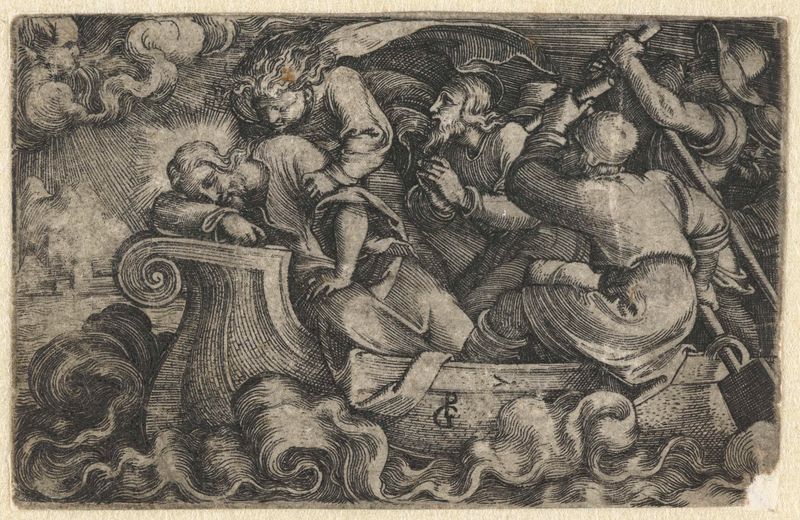
Discipelen wekken slapende Christus tijdens storm op Meer van Galilea
Georg Pencz

Afgunst (Invidia)
Georg Pencz
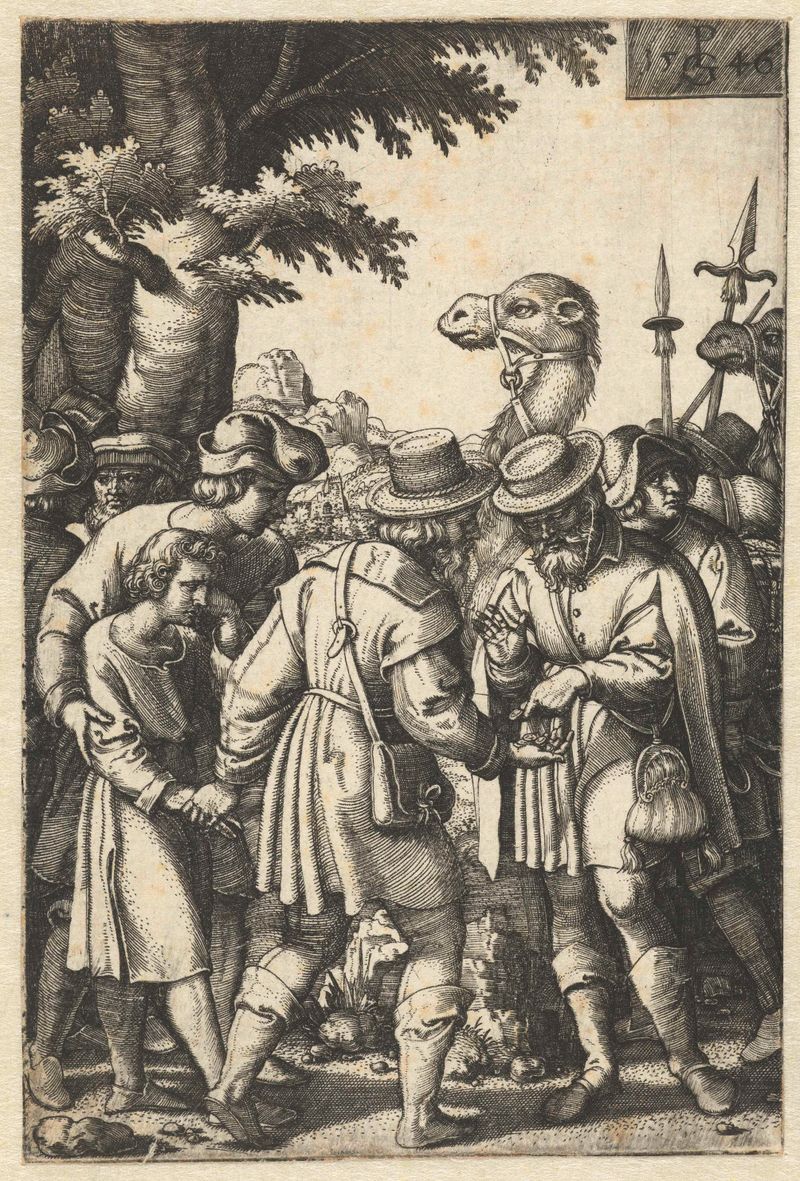
Jozef wordt verkocht aan kooplieden op weg naar Egypte
Georg Pencz

Aanbidding der koningen
Georg Pencz
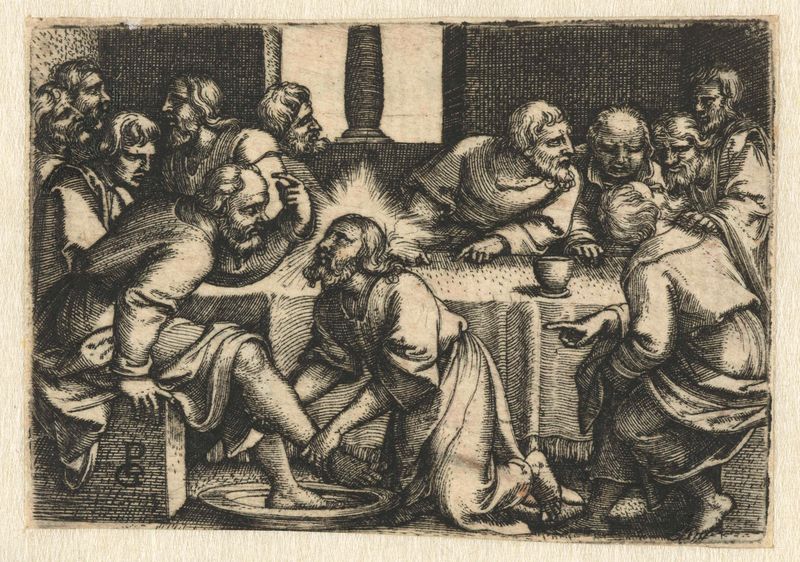
Petrus protesteert als Christus zijn voeten wast
Georg Pencz
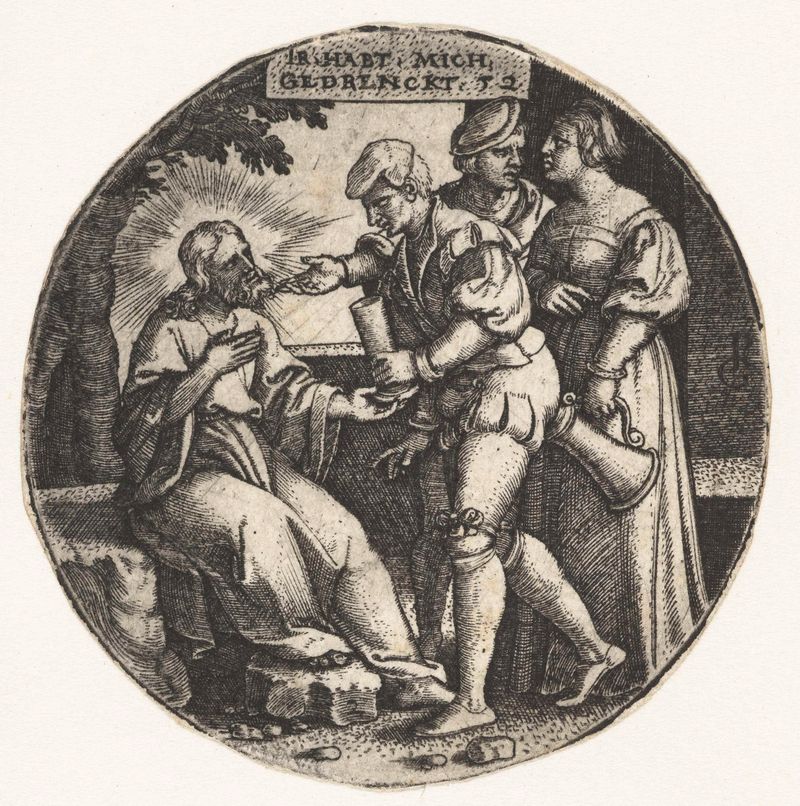
Christus heeft dorst en krijgt drinken aangeboden
Georg Pencz
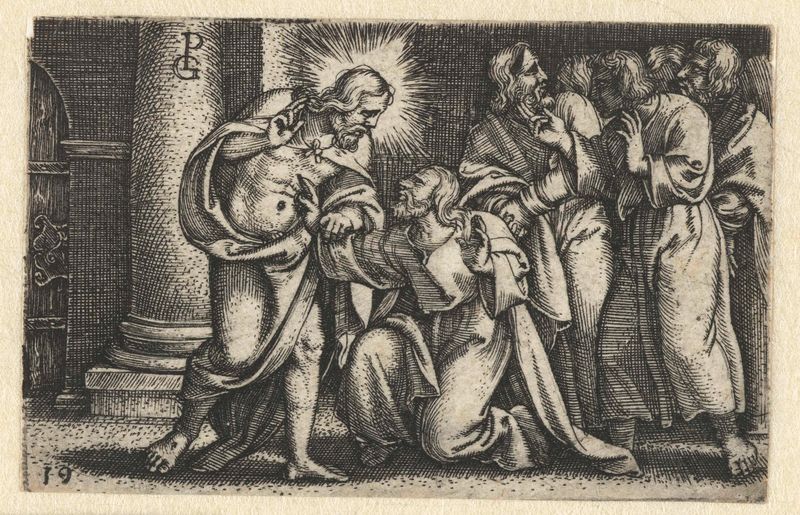
Ongelovige Thomas raakt wonden Christus aan
Georg Pencz

Offer van Abraham van Isaak
Georg Pencz
More Religious Art
Browse all →
The Return of the Prodigal Son
Rembrandt van Rijn

The Garden of Earthly Delights
El Bosco

Count Orgaz’ funeral
El Greco

The Hundred Guilder Print: the central piece with Christ preaching, the plate arched
Rembrandt van Rijn

The Descent from the Cross
Rogier van der Weyden

The return of the prodigal son
Rembrandt van Rijn