
Tobit en Tobias begraven een lichaam — History & Facts
In the quiet embrace of shadow and light, we find the essence of humanity, illuminated in the tender act of compassion. Light serves as both witness and guide, revealing the depths of emotion and the weight of duty entwined in a single moment. Look to the center of the canvas, where the figures of Tobit and Tobias gently cradle the lifeless form of the body they are burying. Notice how the soft, golden light cascades over their solemn faces, emphasizing the quiet determination etched into their brows.
The balance of light and shade creates a striking contrast, drawing your gaze to the intricate details of their garments, richly colored yet muted, as if to reflect the gravity of the scene. The emotional tension in this artwork lies in the juxtaposition of the serene act of burial against the palpable sense of loss that envelops the figures. The interplay of light serves to highlight not only their physical toil but also their emotional burden—Tobit’s wisdom etched in lines of age, and Tobias’s youthful hope dimmed by the weight of tragedy. Here, the act of caring for the dead becomes a powerful meditation on familial love and duty, reminding us that even in darkness, compassion shines. In 1543, the artist, working in Nuremberg, was immersed in a dynamic artistic climate, transitioning between the Late Gothic and the burgeoning Renaissance styles.
The period was marked by a heightened interest in humanism, and Pencz's choice to depict this biblical moment reflects both his mastery of form and his engagement with themes of empathy. As he painted, the world around him was evolving, yet he focused on the timeless struggle of the human soul, captured in the grace of ordinary actions.
More Artworks by Georg Pencz
Browse all →
Parabel van de zaaier
Georg Pencz

Parabel van de arbeiders in de wijngaard
Georg Pencz
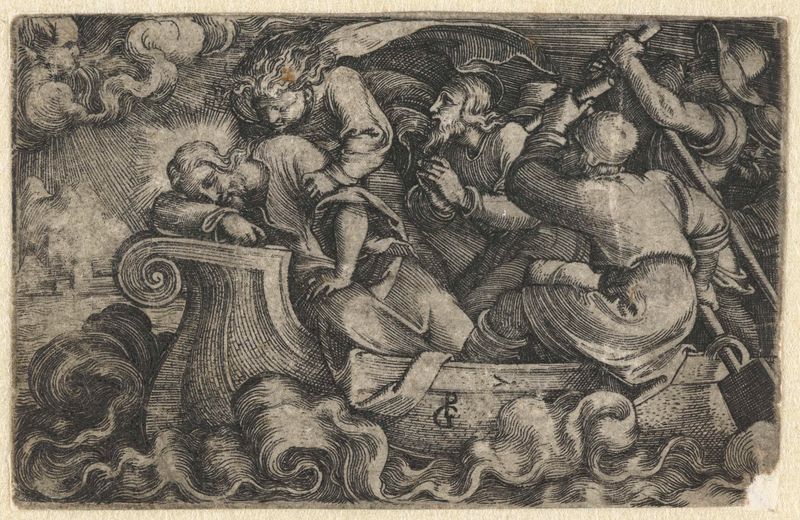
Discipelen wekken slapende Christus tijdens storm op Meer van Galilea
Georg Pencz

Afgunst (Invidia)
Georg Pencz
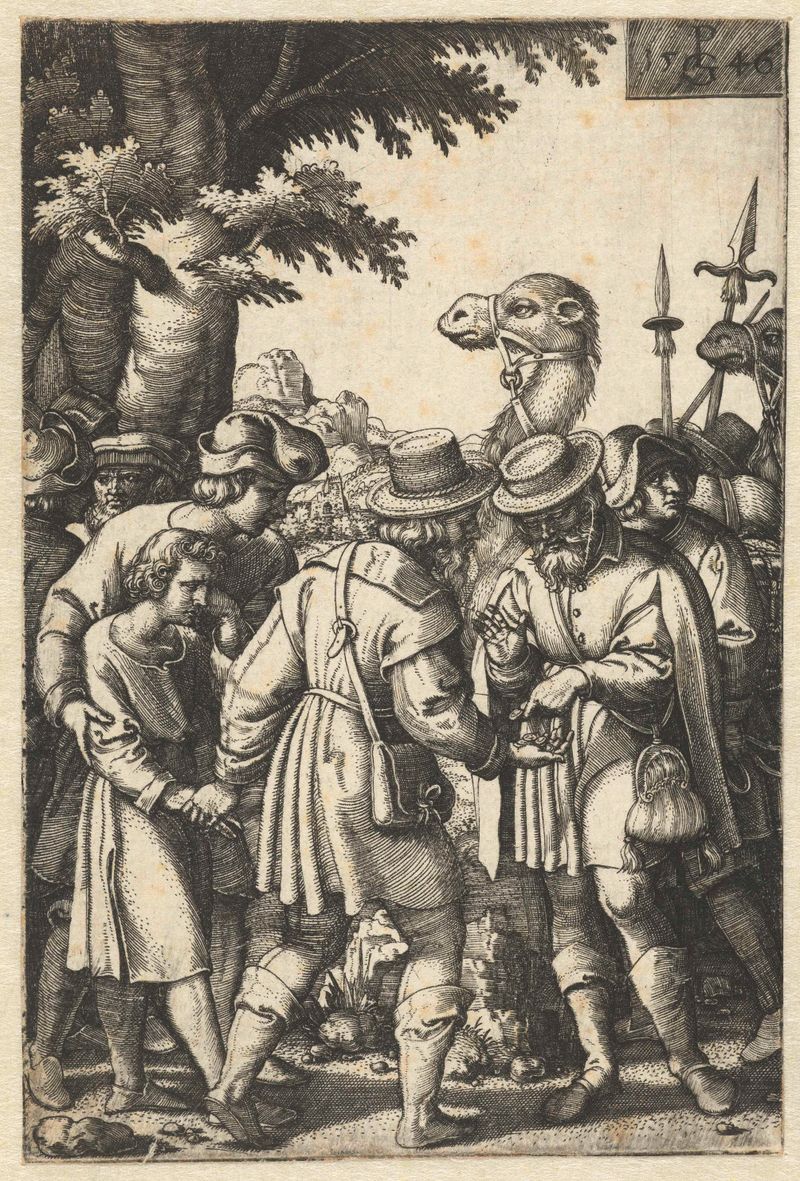
Jozef wordt verkocht aan kooplieden op weg naar Egypte
Georg Pencz

Aanbidding der koningen
Georg Pencz
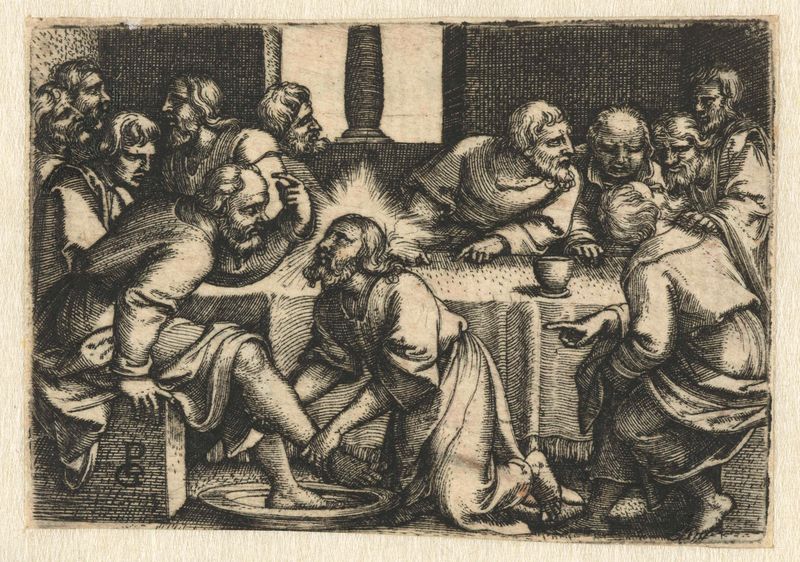
Petrus protesteert als Christus zijn voeten wast
Georg Pencz
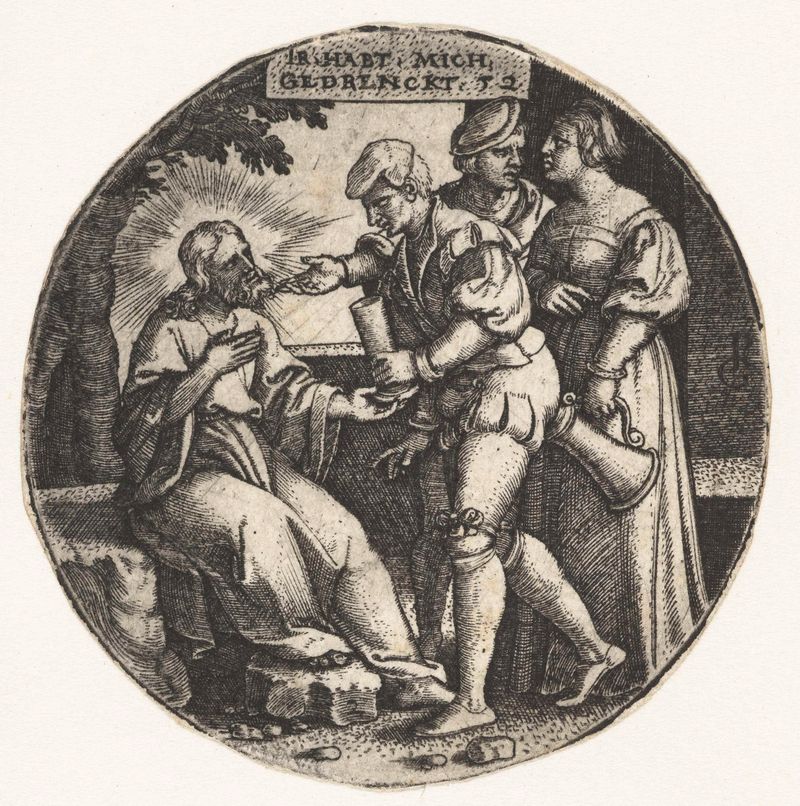
Christus heeft dorst en krijgt drinken aangeboden
Georg Pencz
Ongelovige Thomas raakt wonden Christus aan
Georg Pencz

Offer van Abraham van Isaak
Georg Pencz
More Religious Art
Browse all →
The Return of the Prodigal Son
Rembrandt van Rijn

The Garden of Earthly Delights
El Bosco

Count Orgaz’ funeral
El Greco

The Hundred Guilder Print: the central piece with Christ preaching, the plate arched
Rembrandt van Rijn

The Descent from the Cross
Rogier van der Weyden

The return of the prodigal son
Rembrandt van Rijn