
Tobit verlaat het feestmaal nadat Tobias hem vertelt over een omgebrachte man — History & Facts
This stark transformation lies at the heart of the human experience, where moments of awakening are often born from turmoil and despair. The intricate layers of emotion captured in Tobit verlaat het feestmaal nadat Tobias hem vertelt over een omgebrachte man encapsulate this profound journey. Focus first on the central figures, where Tobit’s anguished expression contrasts sharply with the celebratory atmosphere surrounding him. Look closely at the interplay of light and shadow; the warm, vibrant hues of the feast’s backdrop seem to struggle with the cold dread that envelopes Tobit.
His posture, hunched and rigid, conveys the weight of the news shared by Tobias, whose stance reflects a mix of concern and reverence for his father’s suffering. This careful composition invites the viewer to explore the tension between joy and sorrow, illustrating how one can disrupt the other in a single moment. Delve deeper into the symbolic elements woven throughout the scene. The festive table, laden with food, serves as a reminder of life’s bounty, juxtaposed against the heavy news that shatters the illusion of celebration.
Notice the somber greens and greys in Tobit’s clothing, which emphasize his internal turmoil, contrasting with the opulence of the feast. This dichotomy speaks to the fragility of happiness and the unsettling reality that often underlies our most joyous occasions. In 1543, Georg Pencz painted this work during a period when the art world was evolving rapidly, facing the influences of the Reformation and a burgeoning interest in human emotion. Living in Nuremberg, he was part of a vibrant artistic community that sought to delve deeper into the human condition.
This painting reflects not only his individual artistic journey but also a collective awakening in the portrayal of emotional narrative in art.
More Artworks by Georg Pencz
Browse all →
Parabel van de zaaier
Georg Pencz

Parabel van de arbeiders in de wijngaard
Georg Pencz
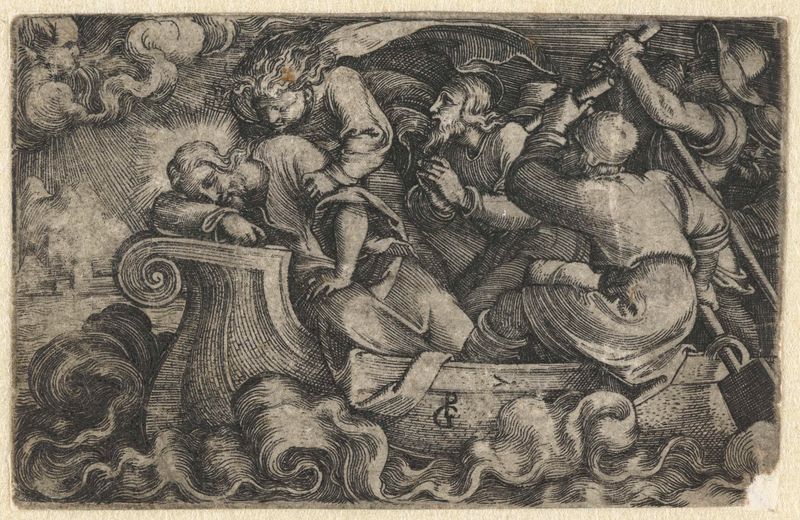
Discipelen wekken slapende Christus tijdens storm op Meer van Galilea
Georg Pencz

Afgunst (Invidia)
Georg Pencz
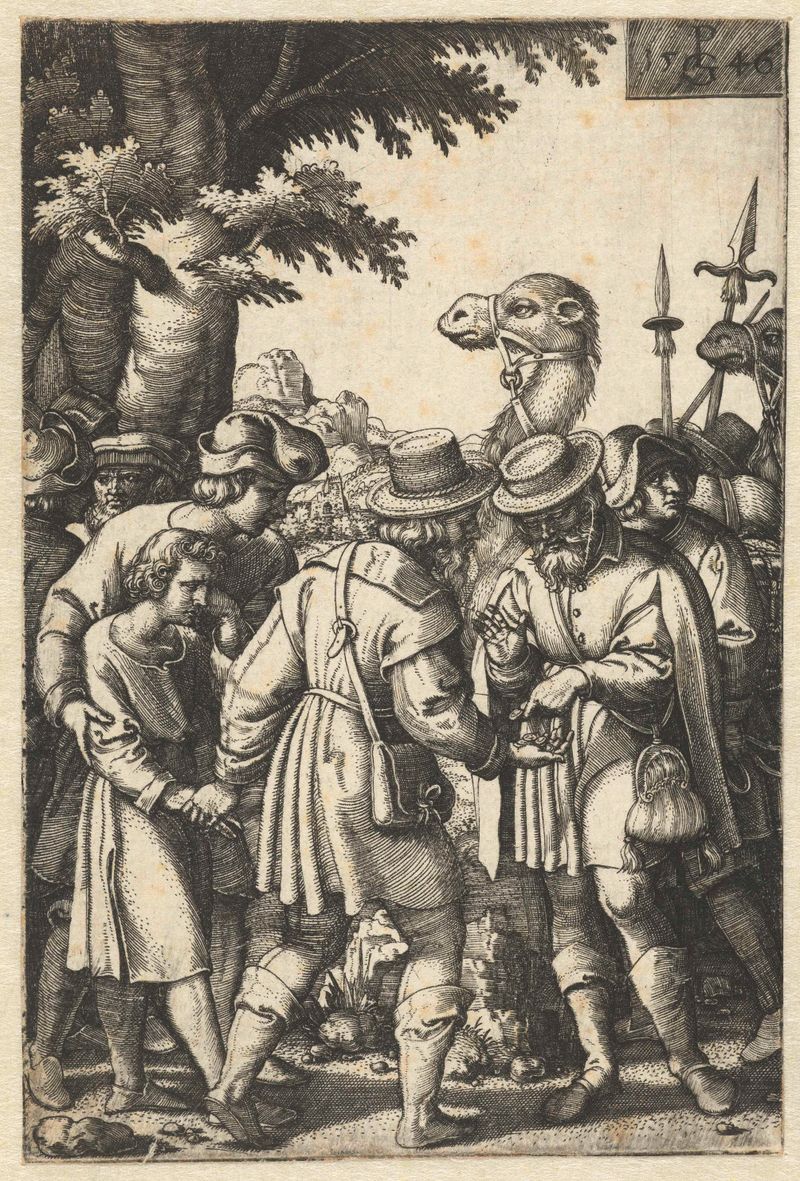
Jozef wordt verkocht aan kooplieden op weg naar Egypte
Georg Pencz

Aanbidding der koningen
Georg Pencz
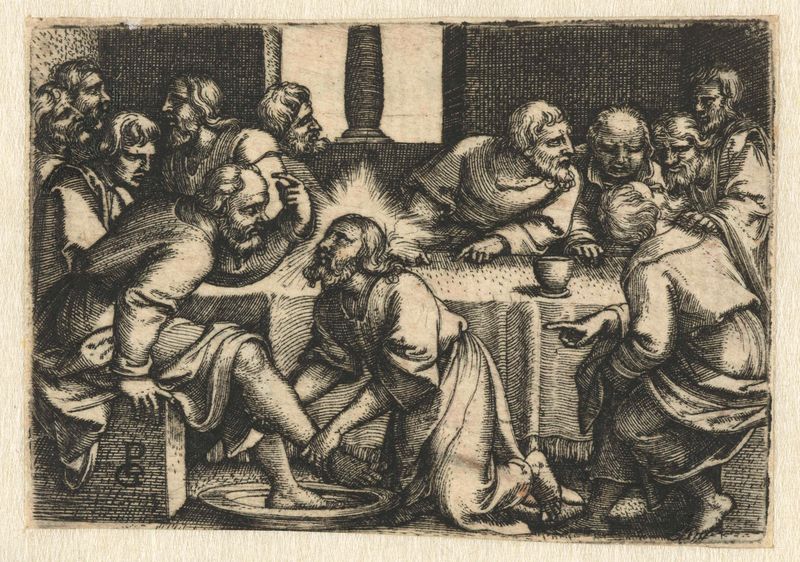
Petrus protesteert als Christus zijn voeten wast
Georg Pencz
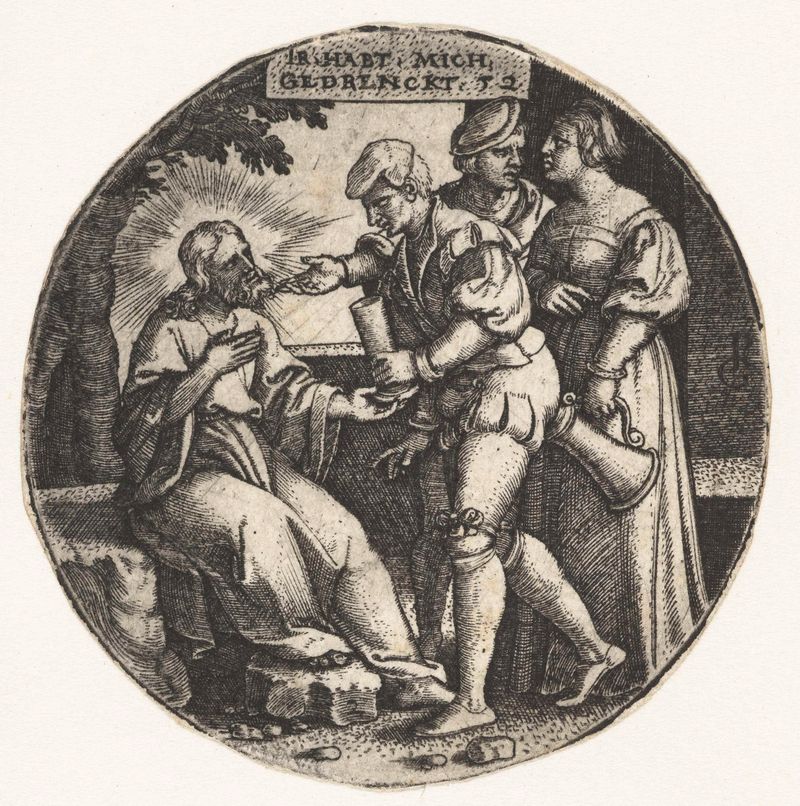
Christus heeft dorst en krijgt drinken aangeboden
Georg Pencz
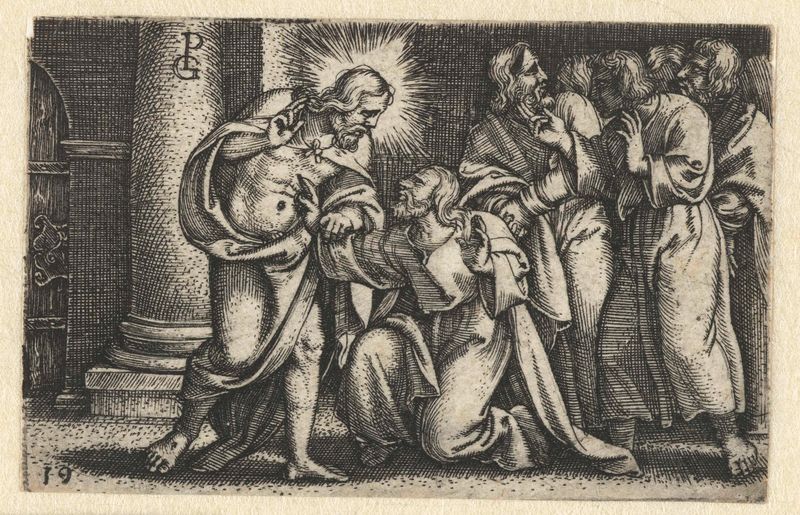
Ongelovige Thomas raakt wonden Christus aan
Georg Pencz

Offer van Abraham van Isaak
Georg Pencz
More Religious Art
Browse all →
The Return of the Prodigal Son
Rembrandt van Rijn

The Garden of Earthly Delights
El Bosco

Count Orgaz’ funeral
El Greco

The Hundred Guilder Print: the central piece with Christ preaching, the plate arched
Rembrandt van Rijn

The Descent from the Cross
Rogier van der Weyden

The return of the prodigal son
Rembrandt van Rijn