
Tobit verlaat het feestmaal nadat Tobias hem vertelt over een omgebrachte man — History & Facts
Could beauty survive in a century of chaos? The world depicted in Tobit verlaat het feestmaal nadat Tobias hem vertelt over een omgebrachte man encapsulates a moment steeped in emotional turmoil and muted splendor. The colors, although subdued, communicate a depth of feeling that resonates through the ages, beckoning viewers to explore the layers of human experience. Look to the left to see Tobias, his animated gesture cutting through a gathering gloom. The rich, earthy tones of the banquet contrast with the pale, washed-out hues of despair that surround Tobit, who stands hunched, embodying sorrow and revelation.
The meticulous technique highlights the tension between warmth and coldness, drawing one’s eye to the interplay of light cascading from the candle-lit table onto the figures, illuminating both their physical presence and their inner turmoil. In this artwork, the colors speak volumes beyond their visible spectrum. The deep reds of the feast signify both abundance and excess, countered by the muted greys that envelop Tobit, suggesting loss and introspection. The ravenous joy of the feast stands in stark contrast to the burden of the revelation of death, creating a powerful emotional tension that invites viewers to reflect on the fragility of life amidst fleeting pleasures. Georg Pencz painted this piece in 1543 during a time marked by religious strife and societal upheaval in Europe.
The Reformation was in full swing, challenging traditional beliefs and artistic expression. It was a period where artists sought to convey deeper moral truths, and Pencz, influenced by the Northern Renaissance, imbued his work with complex human emotions, striving to capture the essence of moral dilemmas and the weight of familial bonds in troubled times.
More Artworks by Georg Pencz
Browse all →
Parabel van de zaaier
Georg Pencz

Parabel van de arbeiders in de wijngaard
Georg Pencz
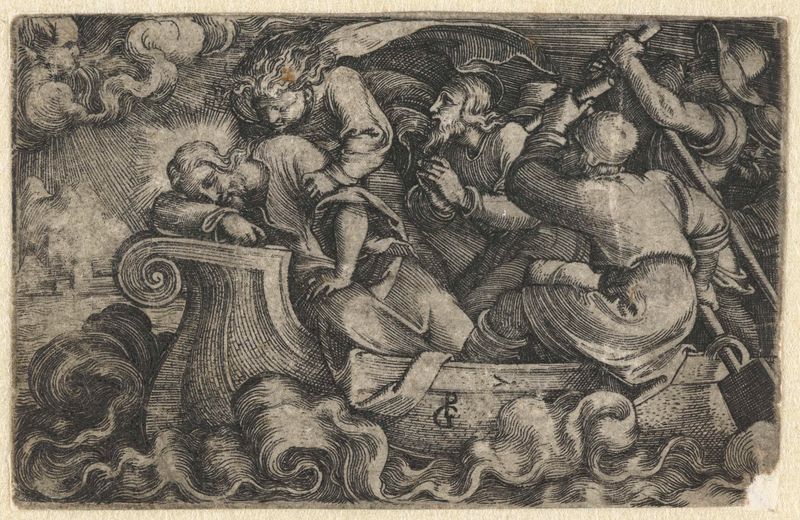
Discipelen wekken slapende Christus tijdens storm op Meer van Galilea
Georg Pencz

Afgunst (Invidia)
Georg Pencz
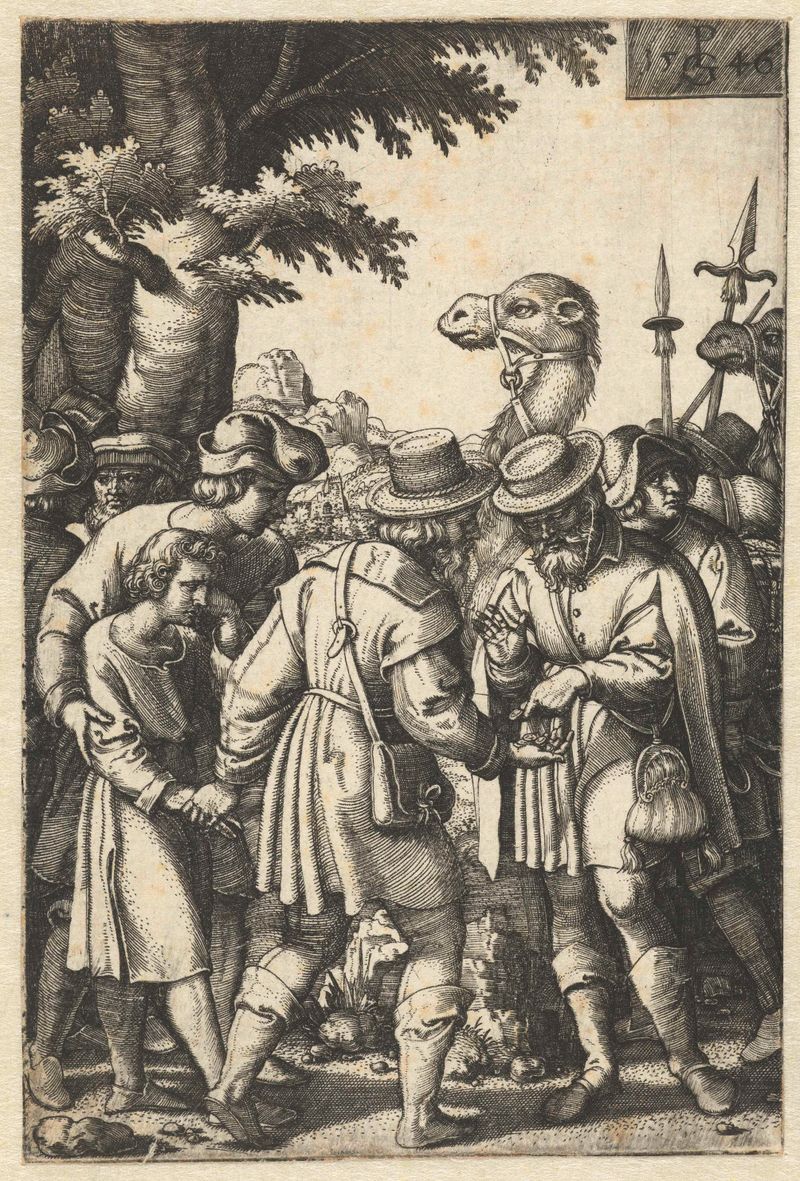
Jozef wordt verkocht aan kooplieden op weg naar Egypte
Georg Pencz

Aanbidding der koningen
Georg Pencz
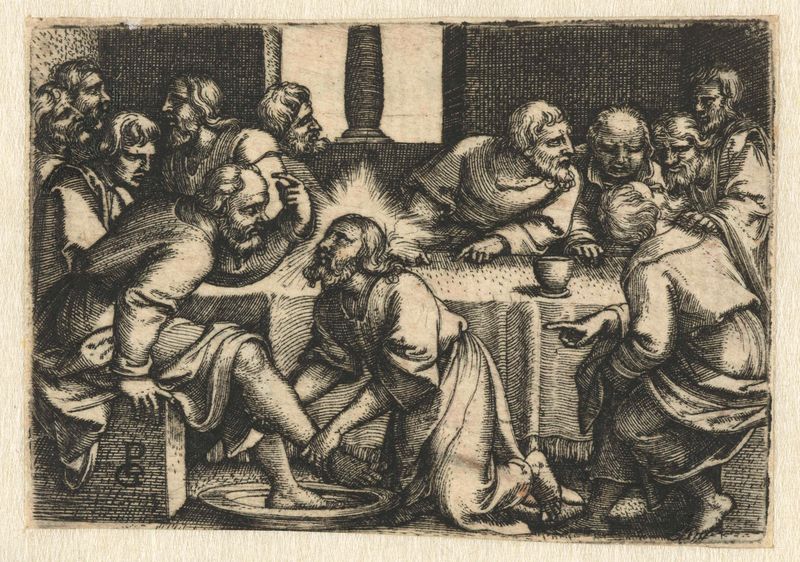
Petrus protesteert als Christus zijn voeten wast
Georg Pencz
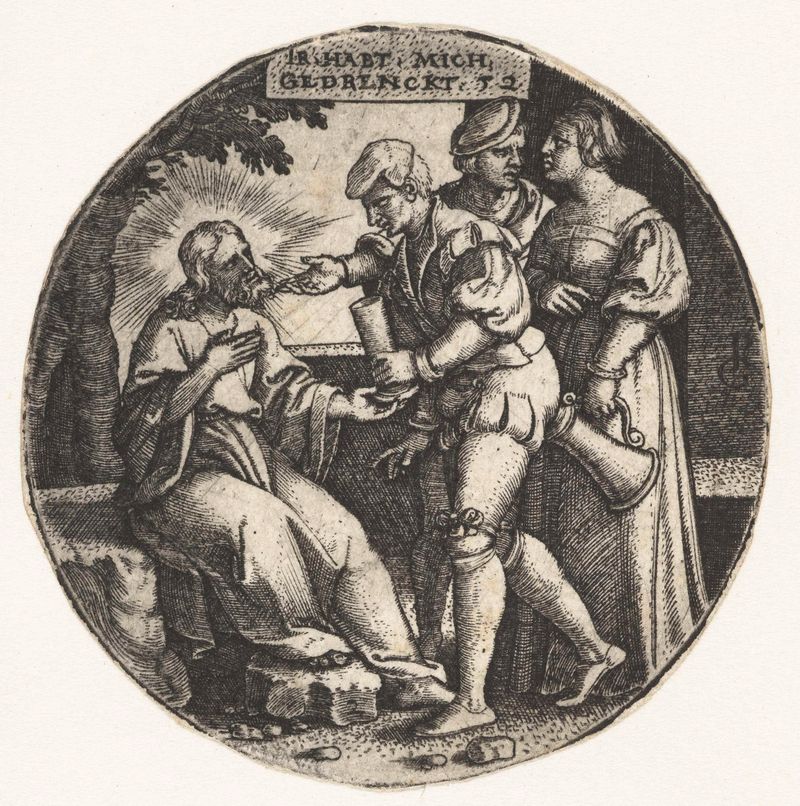
Christus heeft dorst en krijgt drinken aangeboden
Georg Pencz
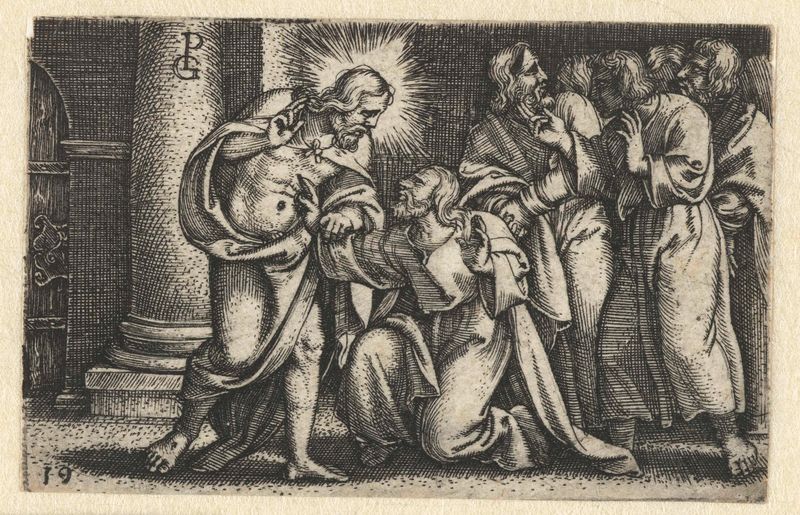
Ongelovige Thomas raakt wonden Christus aan
Georg Pencz

Offer van Abraham van Isaak
Georg Pencz
More Religious Art
Browse all →
The Return of the Prodigal Son
Rembrandt van Rijn

The Garden of Earthly Delights
El Bosco

Count Orgaz’ funeral
El Greco

The Hundred Guilder Print: the central piece with Christ preaching, the plate arched
Rembrandt van Rijn

The Descent from the Cross
Rogier van der Weyden

The return of the prodigal son
Rembrandt van Rijn