
Tobit wordt blind door uitwerpselen van vogels — History & Facts
Could beauty survive in a century of chaos? In Georg Pencz's Tobit wordt blind door uitwerpselen van vogels, we confront a stark reality that merges the grotesque with the poignant. The painting portrays the biblical moment when Tobit, struck blind by bird droppings, becomes a metaphor for vulnerability amidst tumultuous times. Look to the left, where Tobit’s anguished expression draws you in, revealing a profound despair that transcends the canvas. Notice the delicate interplay of shadows and light as they dance around him, accentuating the weight of his misfortune.
The somber palette of earth tones contrasts sharply with the vivid white of the droppings, highlighting the absurdity of his plight. The meticulous details of his garments and the surrounding architecture reflect a masterful technique that brings the scene to life, inviting contemplation through its intricate brushwork. As you delve deeper, observe the emotional tension between the divine and the human experience. The droppings symbolize fate’s cruelty, while the figure of Tobit embodies the struggle against despair.
This juxtaposition captures the vulnerability inherent in our human condition, where beauty is often tainted by the chaos surrounding us. The painting invites reflection on the fragility of hope, even in the darkest of circumstances; it compels us to confront our own fears and uncertainties. Painted in 1543 amidst the European tumult of the Reformation, Pencz was navigating a world rife with conflict and upheaval. This piece emerged during a time when religious strife and societal discord influenced artistic expression.
The artist, associated with the Northern Renaissance, sought to combine realism with emotional depth, offering viewers a lens through which to explore profound themes of humanity, suffering, and the relentless pursuit of beauty.
More Artworks by Georg Pencz
Browse all →
Parabel van de zaaier
Georg Pencz

Parabel van de arbeiders in de wijngaard
Georg Pencz
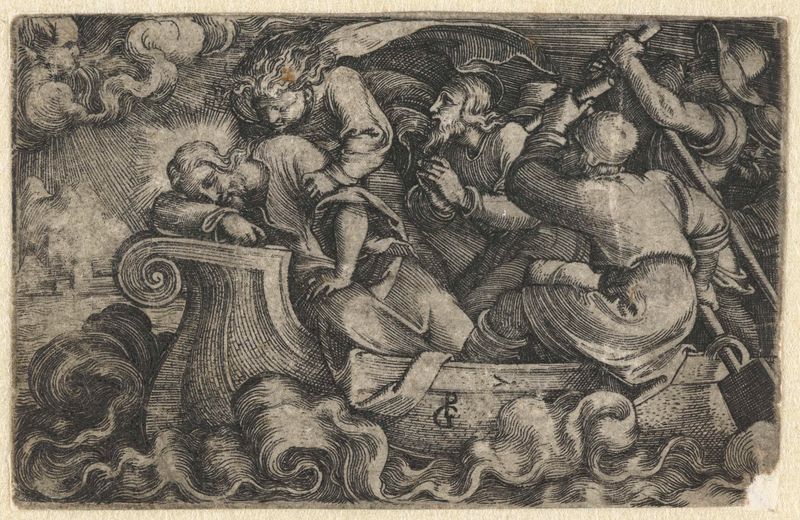
Discipelen wekken slapende Christus tijdens storm op Meer van Galilea
Georg Pencz

Afgunst (Invidia)
Georg Pencz
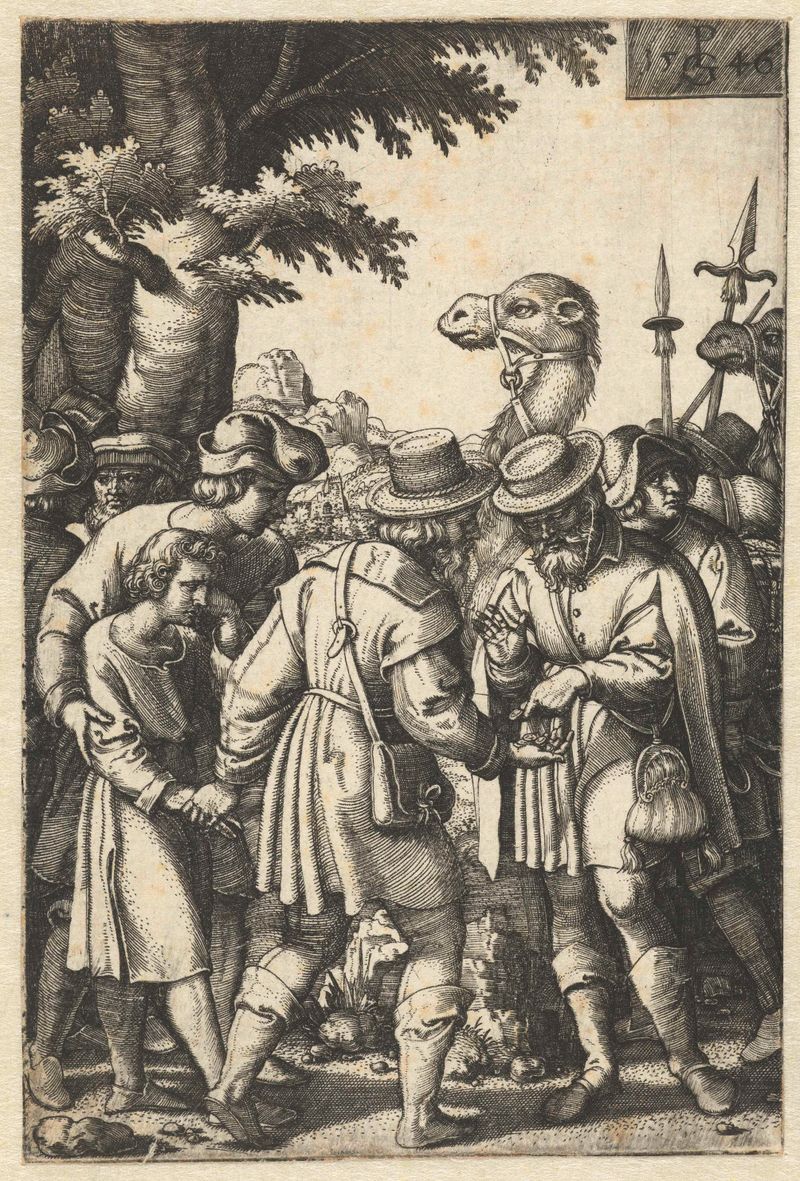
Jozef wordt verkocht aan kooplieden op weg naar Egypte
Georg Pencz

Aanbidding der koningen
Georg Pencz
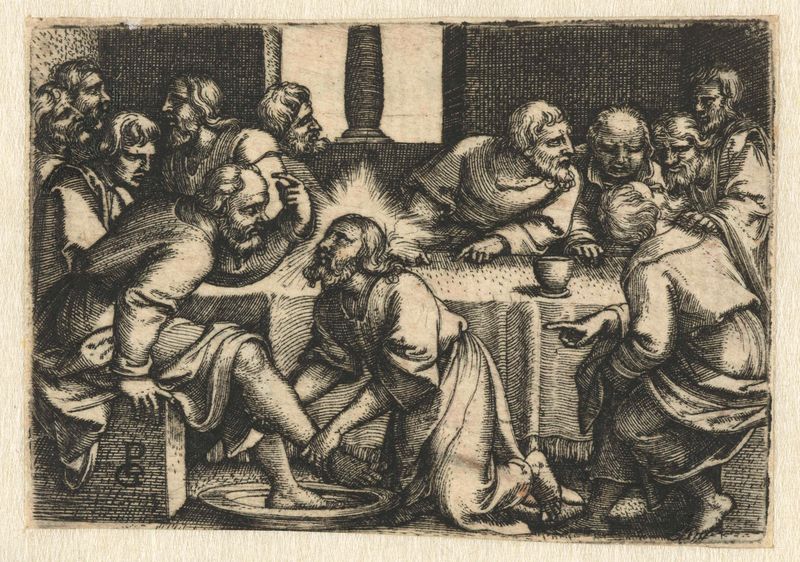
Petrus protesteert als Christus zijn voeten wast
Georg Pencz
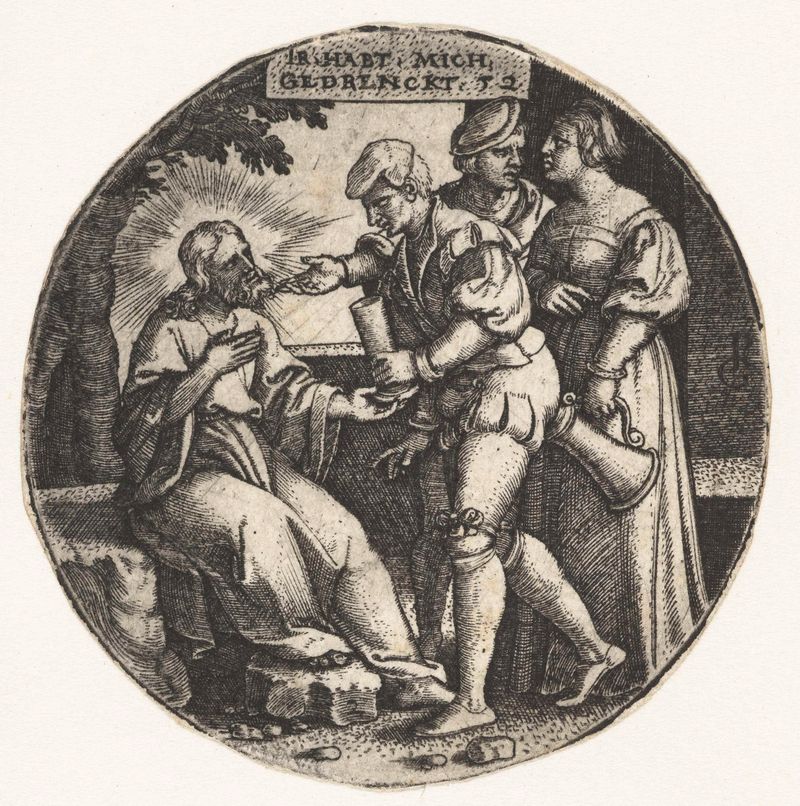
Christus heeft dorst en krijgt drinken aangeboden
Georg Pencz
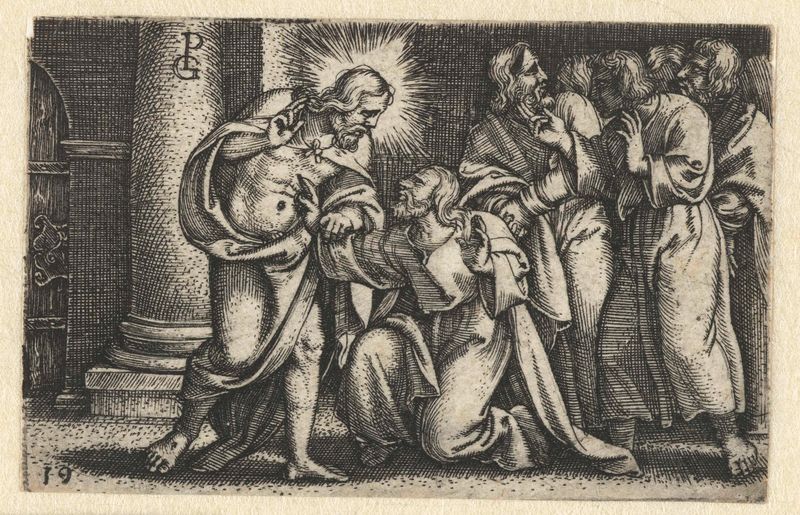
Ongelovige Thomas raakt wonden Christus aan
Georg Pencz

Offer van Abraham van Isaak
Georg Pencz
More Religious Art
Browse all →
The Return of the Prodigal Son
Rembrandt van Rijn

The Garden of Earthly Delights
El Bosco

Count Orgaz’ funeral
El Greco

The Hundred Guilder Print: the central piece with Christ preaching, the plate arched
Rembrandt van Rijn

The Descent from the Cross
Rogier van der Weyden

The return of the prodigal son
Rembrandt van Rijn