
Discover insights about this artwork
Todos Caerán. (All will fall.) — History & Facts
In Todos Caerán, Francisco de Goya presents a dark and foreboding scene. The painting features ominous figures that seem to be falling or collapsing. The color palette is dominated by dark tones, with splashes of red that suggest violence and despair.
The overall atmosphere is heavy, reflecting a sense of impending doom. The painting is executed in oil on canvas, showcasing Goya's characteristic brushwork. The figures are rendered with a sense of movement, enhancing the feeling of chaos. The dimensions are approximately 150 x 200 cm, making it a large and impactful work.
Viewers can appreciate the intricate details and the emotional intensity conveyed through Goya's technique. Francisco de Goya created this work during a tumultuous period in Spanish history, marked by war and social upheaval. Todos Caerán serves as an allegory for the inevitability of fate and the fragility of human existence. Interestingly, Goya often used his art to comment on the political climate of his time.
This painting exemplifies his ability to blend personal emotion with broader societal themes.
More Artworks by Francisco de Goya
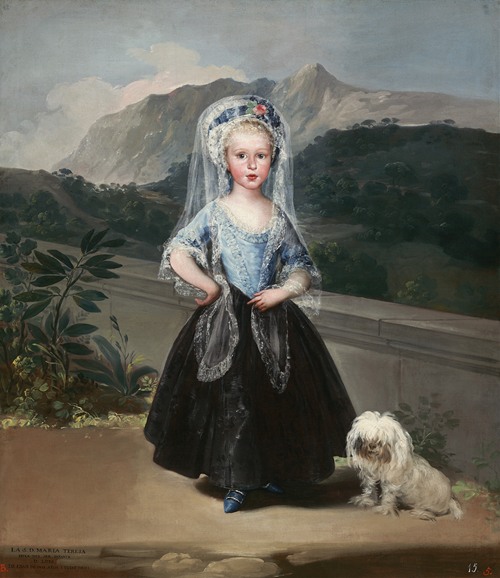
María Teresa de Borbón y Vallabriga,later Condesa de Chinchón
Francisco de Goya
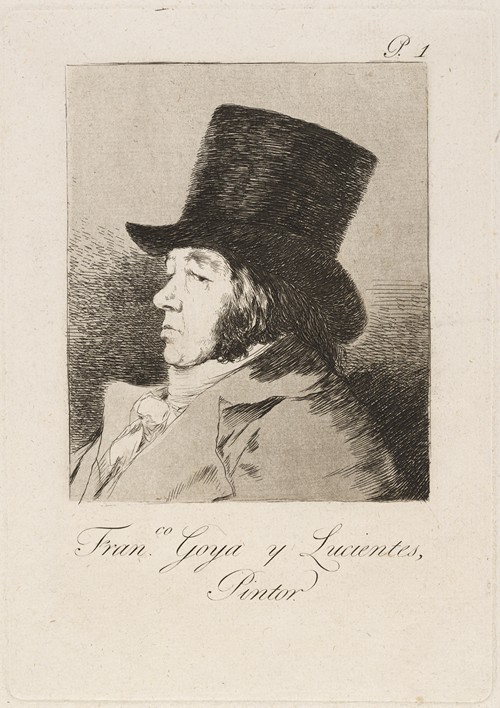
Francisco Goya y Lucientes, Pintor (Francisco Goya y Lucientes, painter)
Francisco de Goya
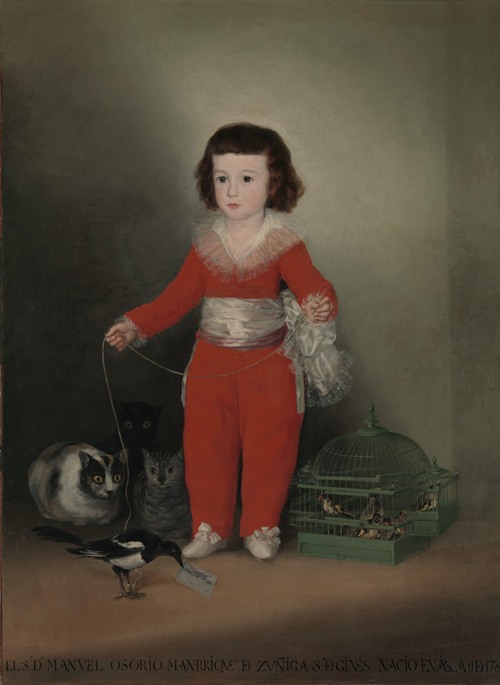
Manuel Osorio Manrique de Zuñiga (1784–1792)
Francisco de Goya
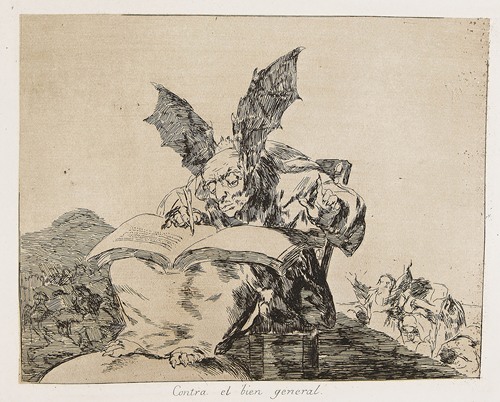
Los desastres de la guerra
Francisco de Goya
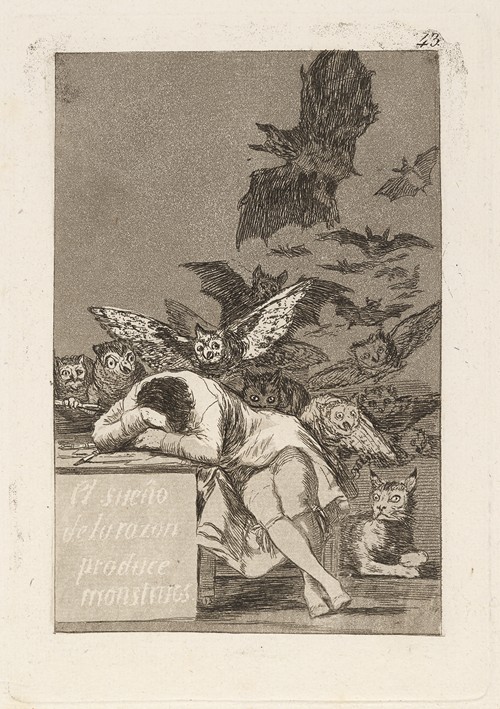
El sueño de la razon produce monstruos. (The sleep of reason produces monsters.)
Francisco de Goya
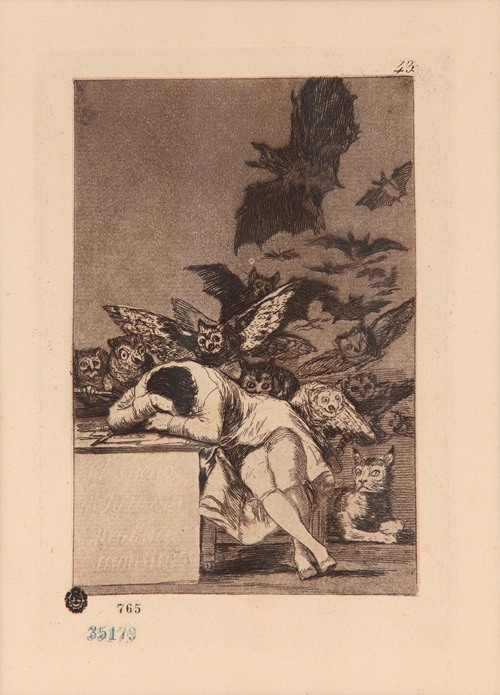
El sueño de la razon produce moustruos (Serie Caprichos)
Francisco de Goya
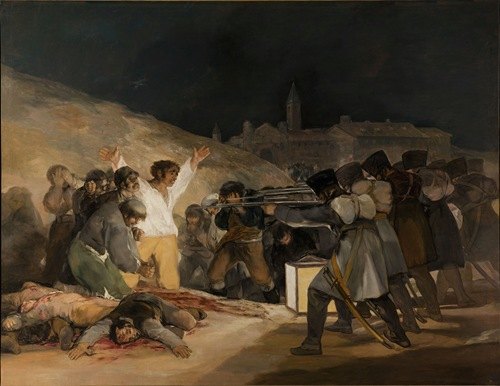
The Third of May
Francisco de Goya
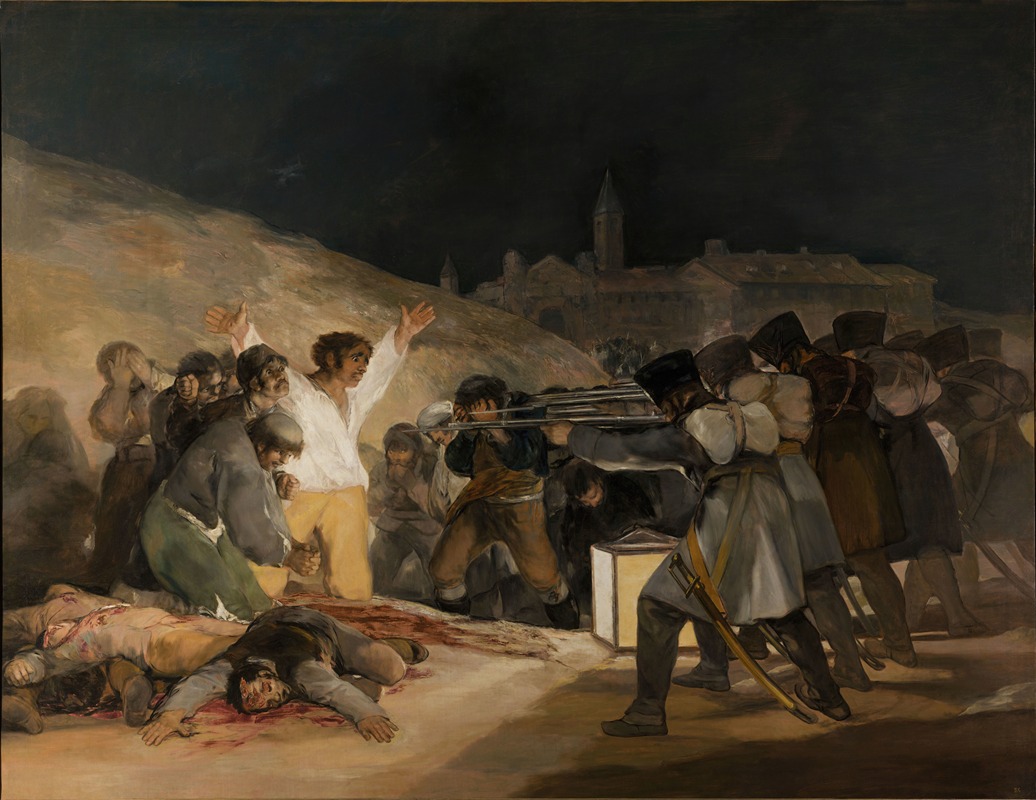
The Third of May 1808
Francisco de Goya
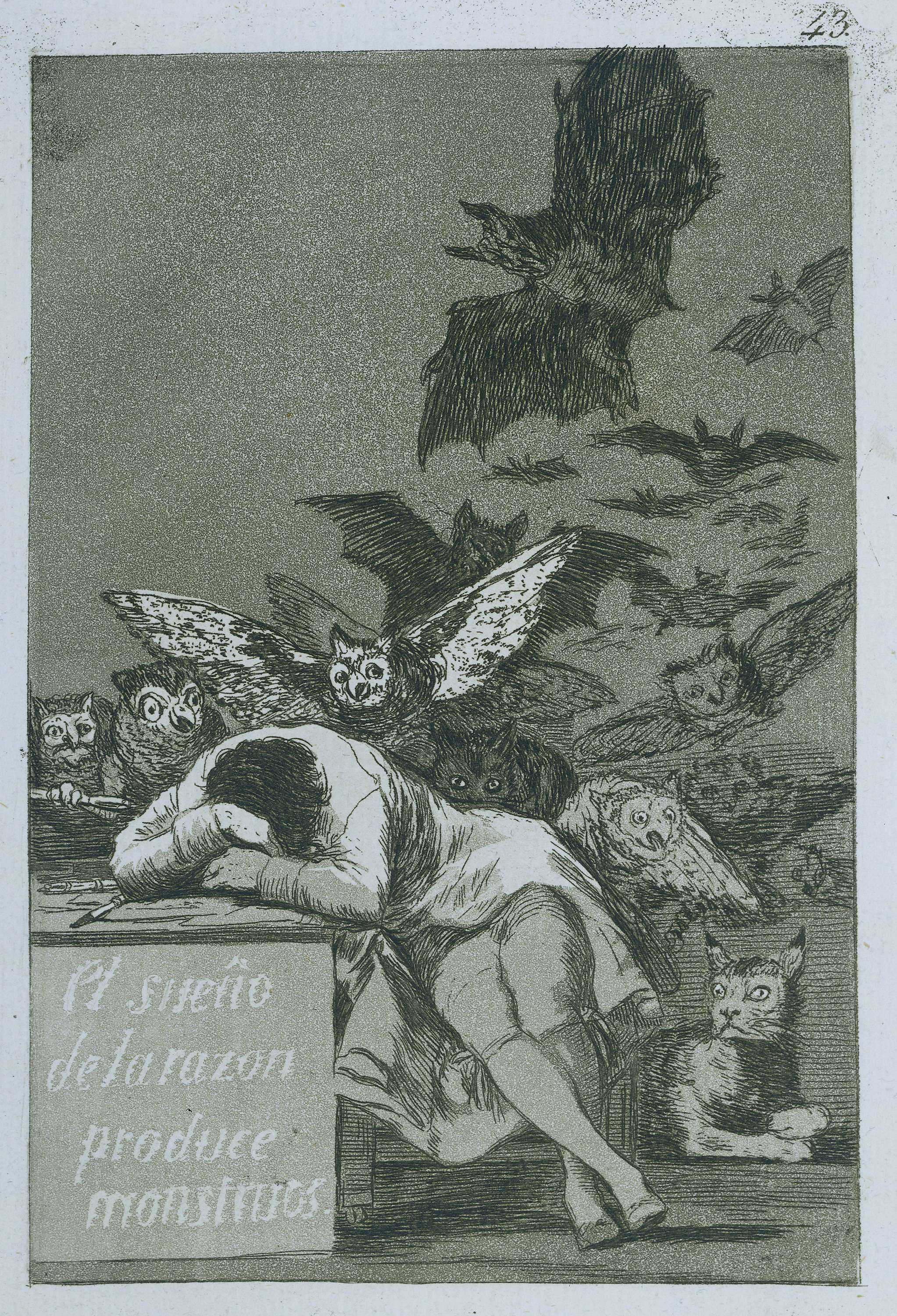
De slaap van de rede brengt monsters voort
Francisco de Goya
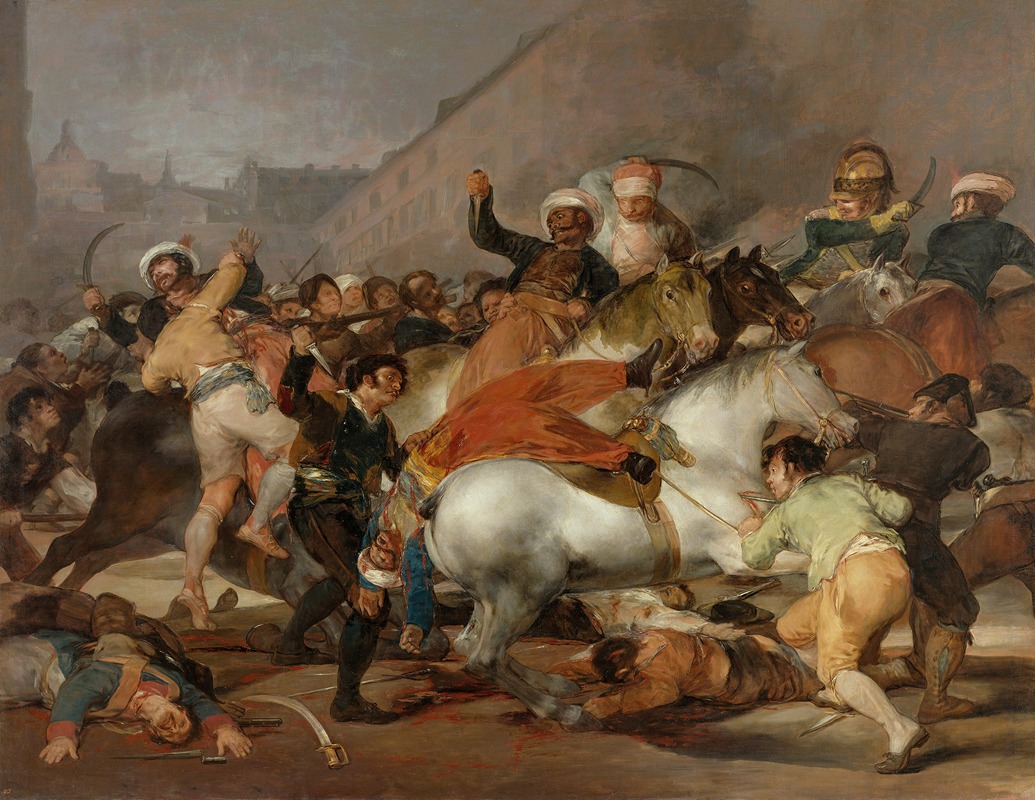
The Charge of the Mamelukes (1814)
Francisco de Goya
More Allegory Art
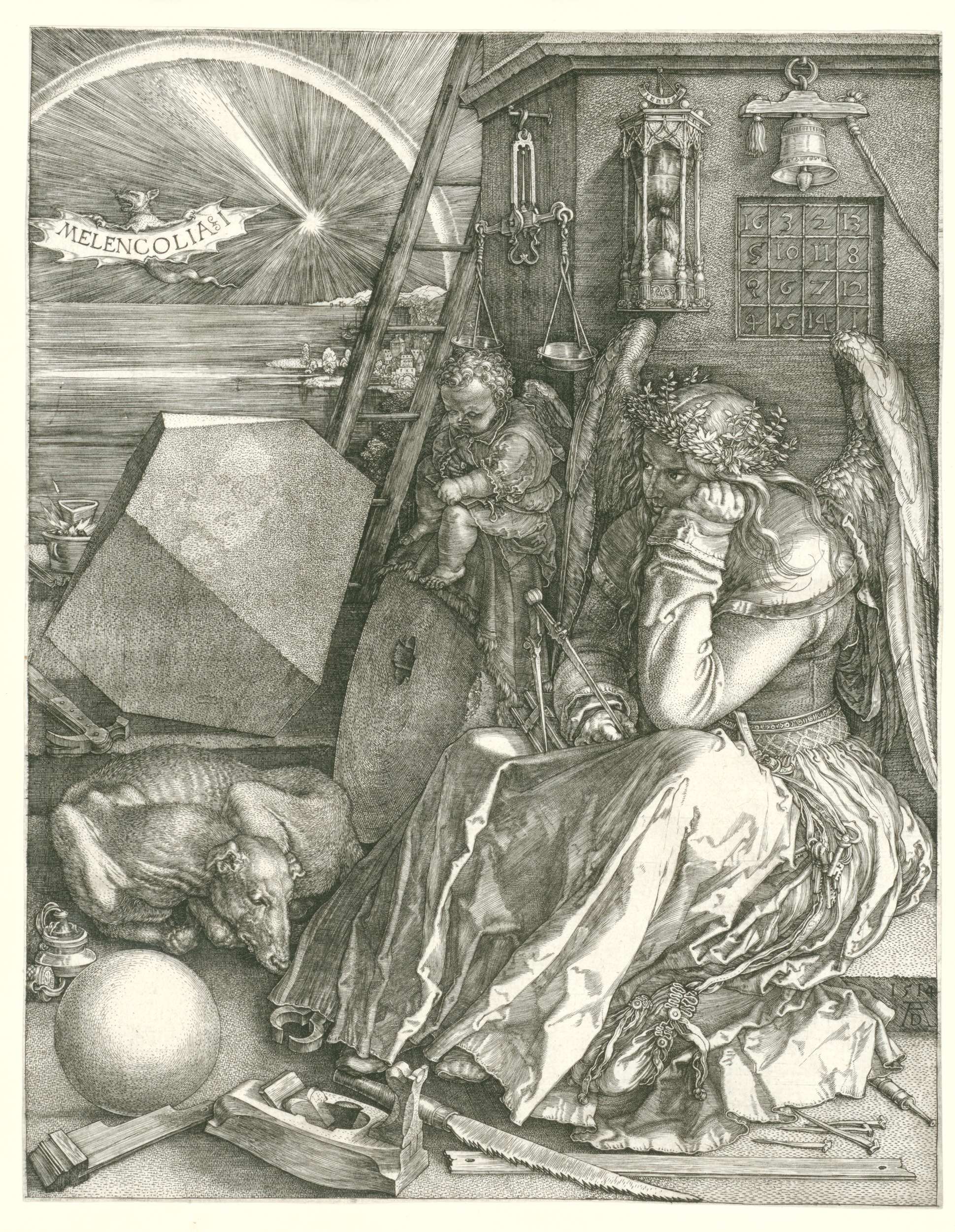
Melancholia
Albrecht Dürer
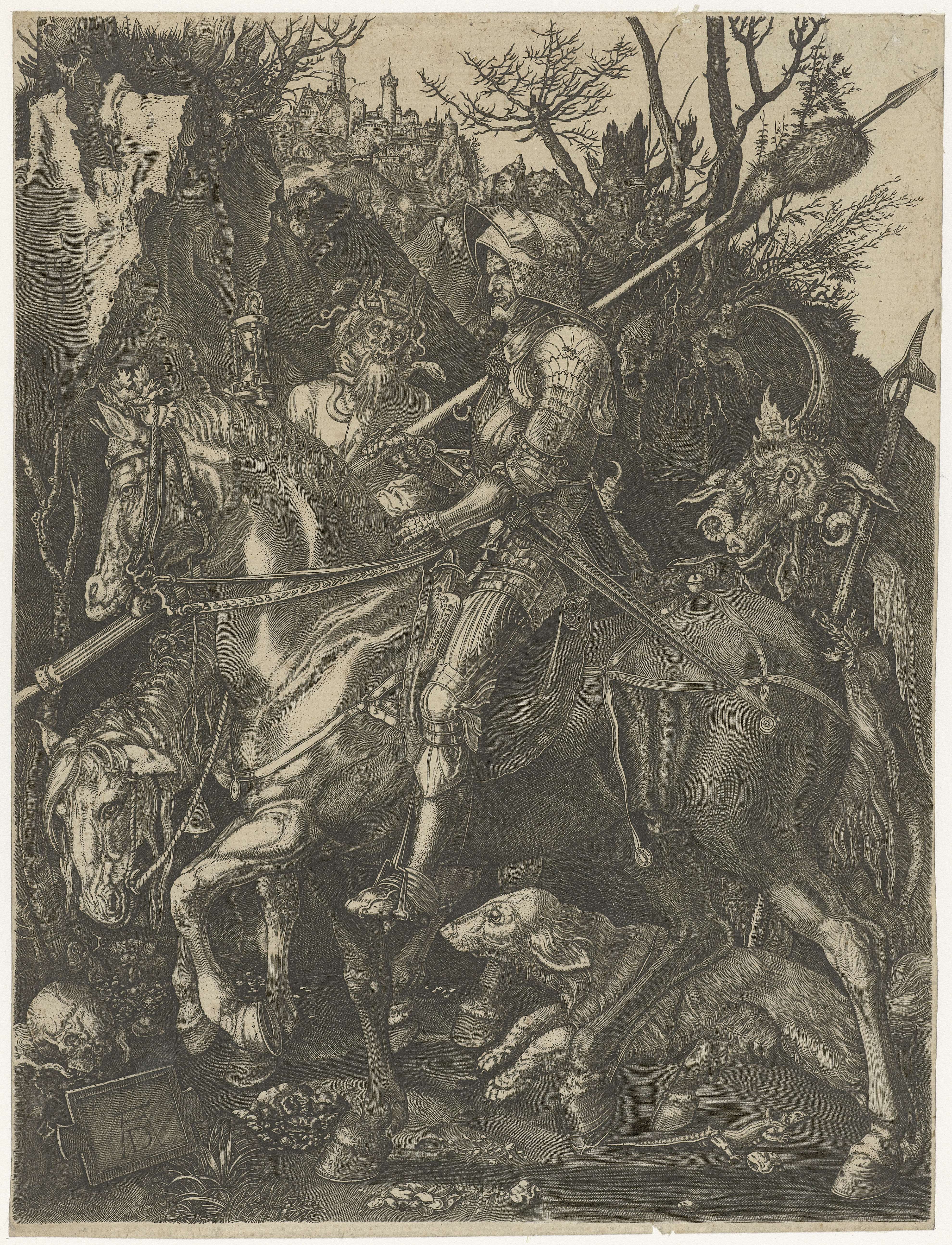
Ridder, Dood en Duivel
Unknown Artist
El sueño de la razon produce monstruos. (The sleep of reason produces monsters.)
Francisco de Goya
El sueño de la razon produce moustruos (Serie Caprichos)
Francisco de Goya
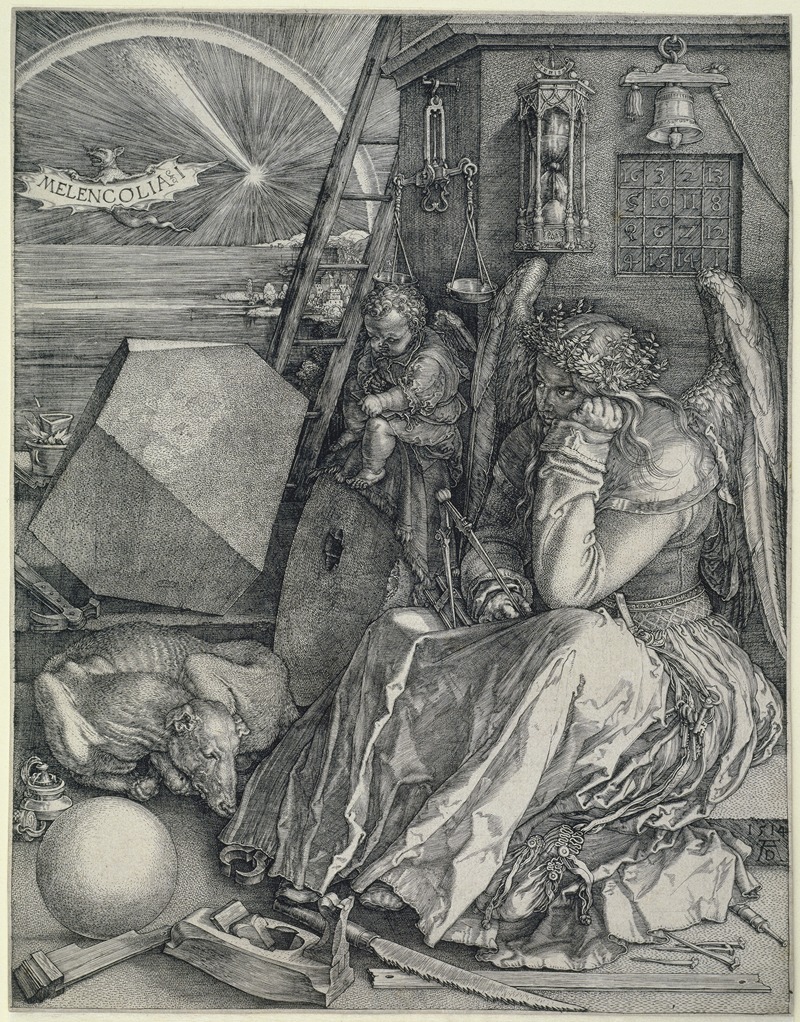
Melencolia I (The Melancholy)
Albrecht Dürer
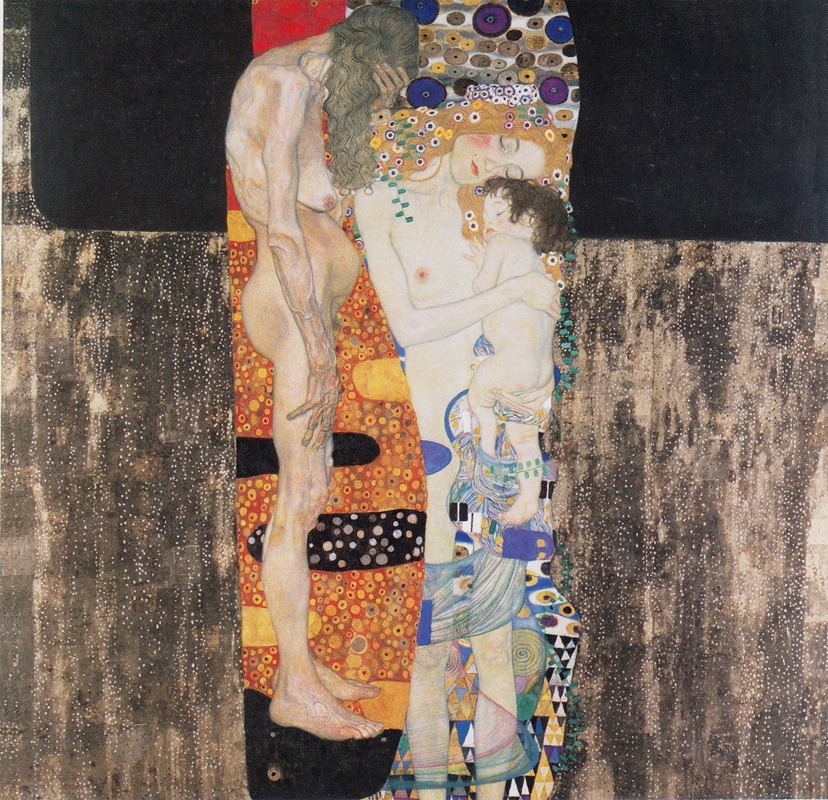
The Three Ages of the Woman
Gustav Klimt