
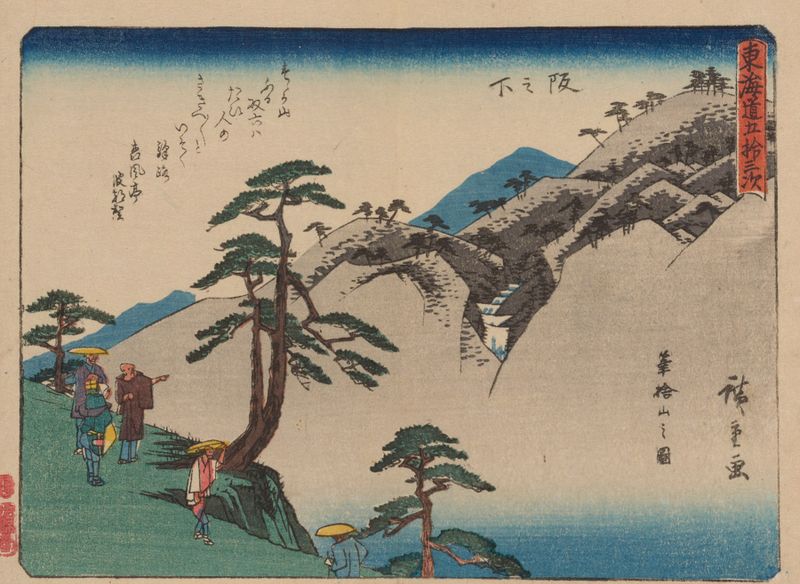
Tokaido gojusantsugi, Pl.06 — History & Facts
In that stillness, one can find the essence of life’s fleeting moments, captured through the lens of reflection. Look to the center of the composition, where the winding road beckons the viewer. The delicate, flowing lines guide your gaze toward the distant mountains, enveloped in a hazy embrace. Notice how the subtle gradient of blues and greens blends seamlessly, evoking a sense of tranquility.
The careful arrangement of elements draws attention to the juxtaposition between the natural world and the human presence, illustrating a harmony that is both serene and dynamic. Beneath the surface of this picturesque landscape lies an intricate tapestry of emotional tensions. The gentle curves of the path suggest a journey, inviting contemplation about the travelers who once walked it. The ethereal quality of the clouds hints at transience, while the vibrant hues of the foliage symbolize life’s vitality.
This duality reflects not just a physical journey but also an introspective one, prompting questions about where we find meaning in our own paths. Created during a time of transformation for Japanese art, this work emerged between 1868 and 1912, a period marked by the Meiji Restoration and increased Western influence. Utagawa Hiroshige, a master of ukiyo-e, was revered for his ability to blend traditional techniques with innovative perspectives. Amidst the changing landscape of art and culture, he found ways to capture the essence of Japan’s natural beauty, ensuring that the reflections of life would endure through his timeless pieces.
More Artworks by Utagawa Hiroshige
Browse all →
Sudden Shower over Shin Ohashi Bridge and Atake (Ohashi Atake no yudachi), from the series "One Hundred Famous Views of Edo (Meisho Edo hyakkei)"
Utagawa Hiroshige
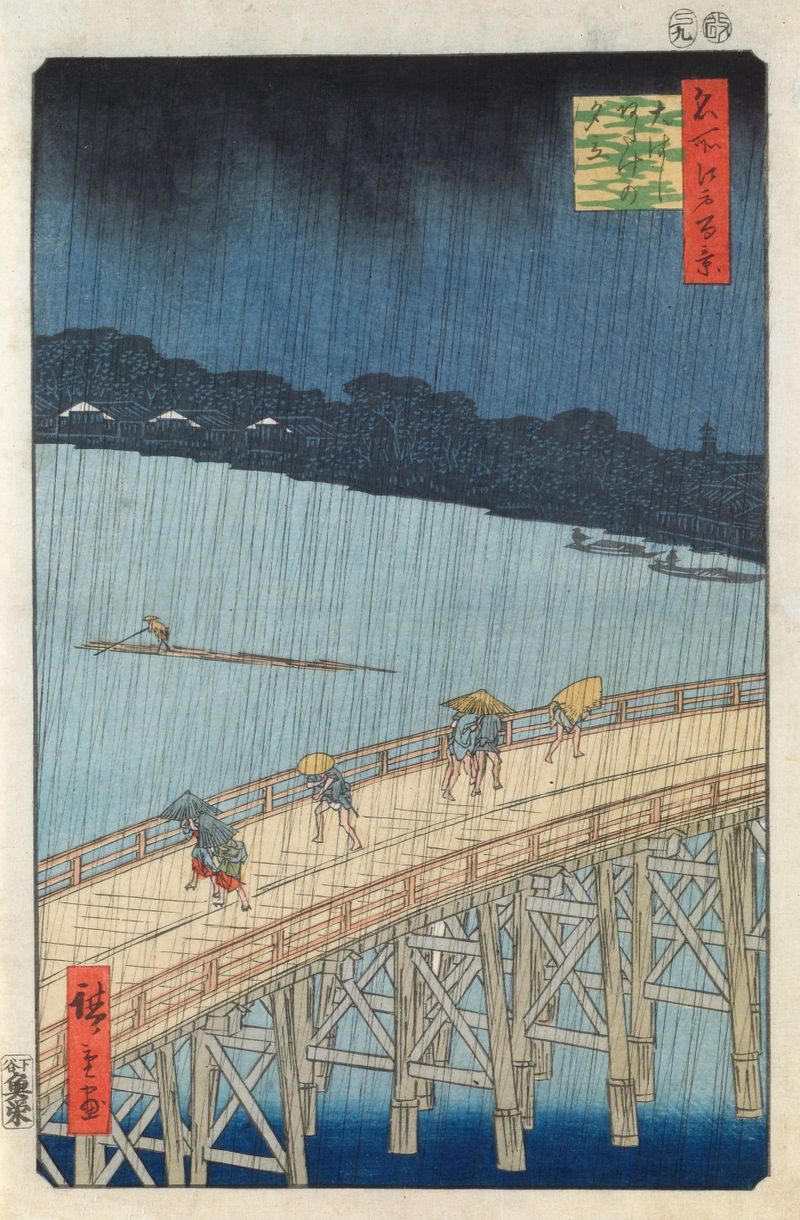
Sudden Shower Over Ohashi Bridge and Atake
Utagawa Hiroshige
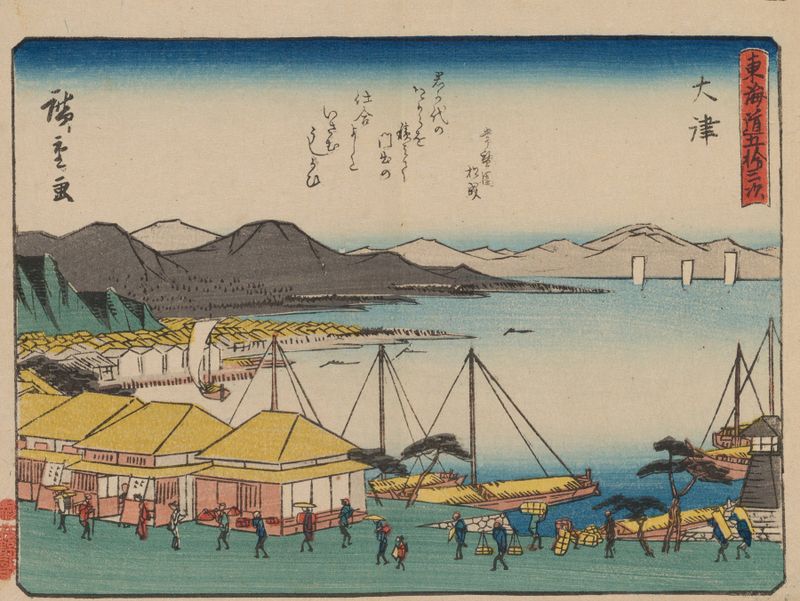
Tokaido gojusantsugi, Pl.54
Utagawa Hiroshige
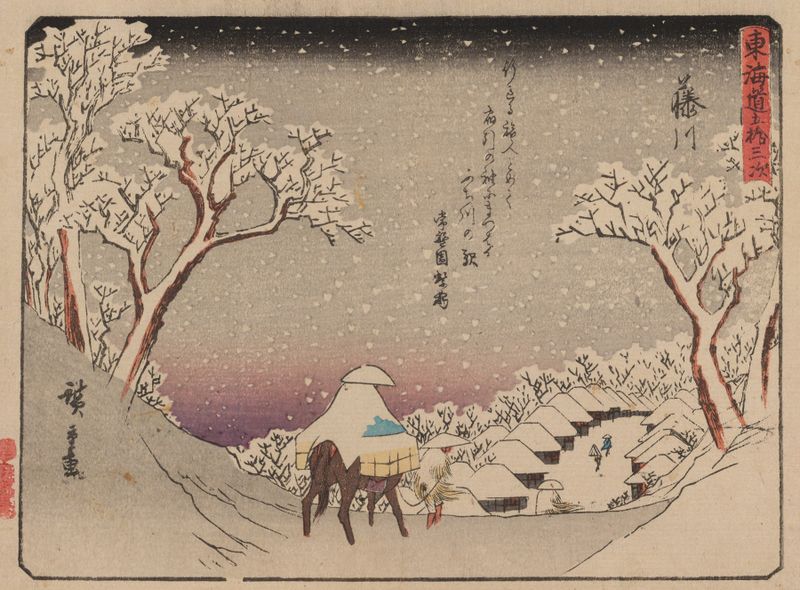
Tokaido gojusantsugi, Pl.38
Utagawa Hiroshige
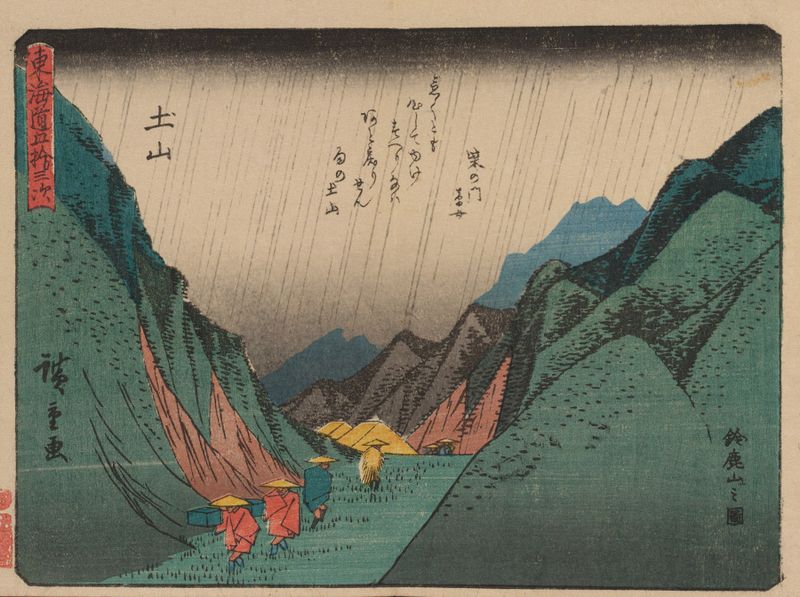
Tokaido gojusantsugi, Pl.50
Utagawa Hiroshige
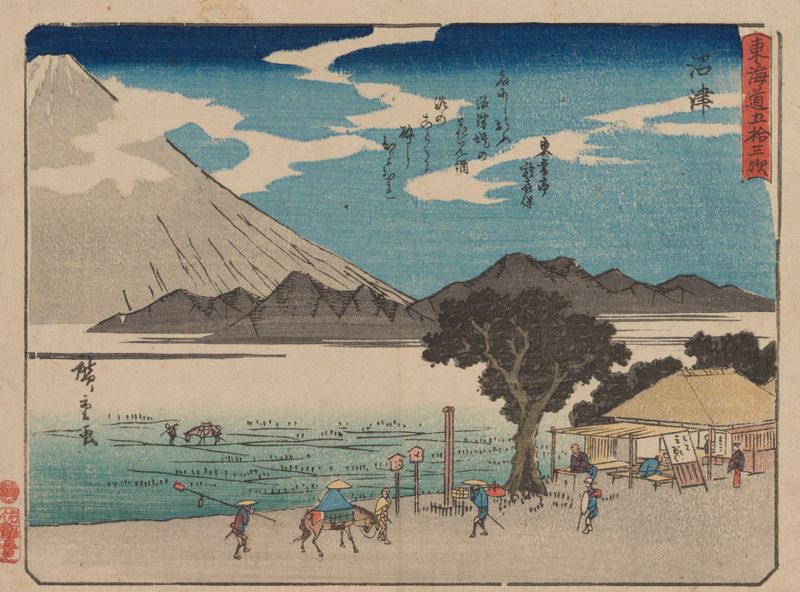
Tokaido gojusantsugi, Pl.13
Utagawa Hiroshige
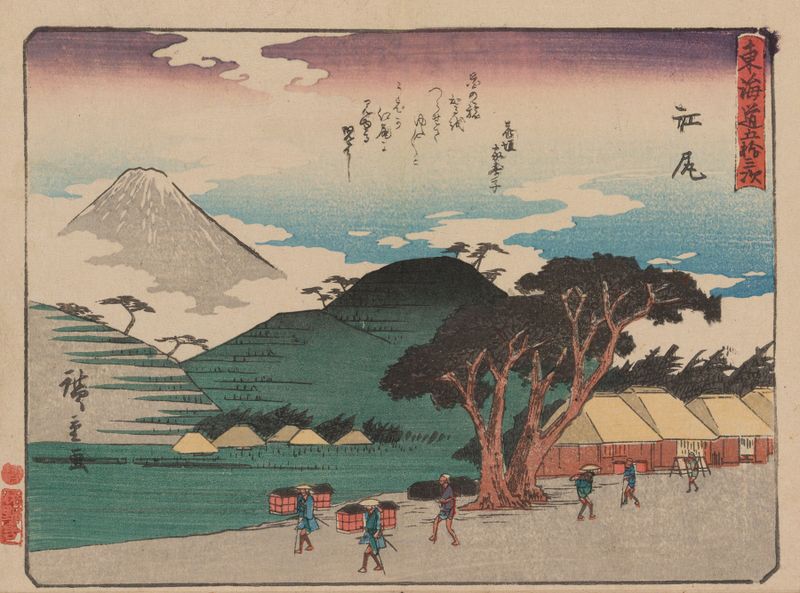
Tokaido gojusantsugi, Pl.19
Utagawa Hiroshige
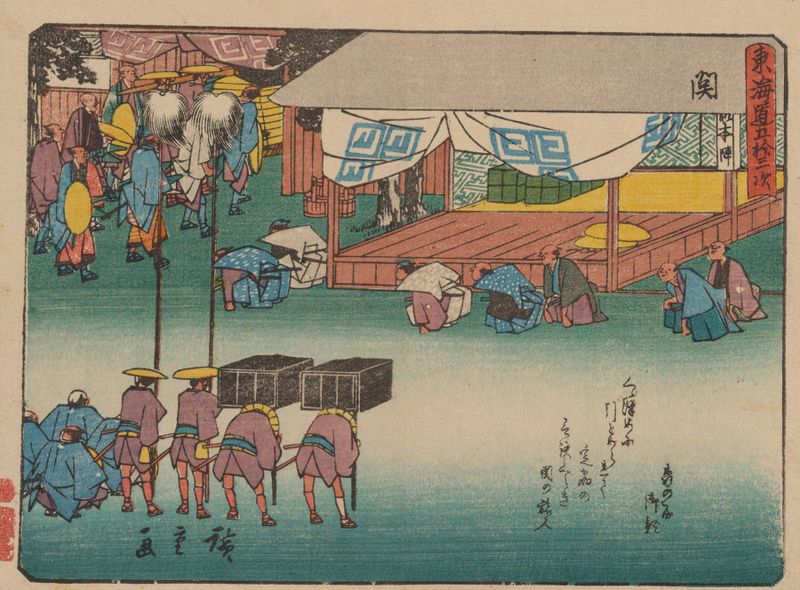
Tokaido gojusantsugi, Pl.48
Utagawa Hiroshige
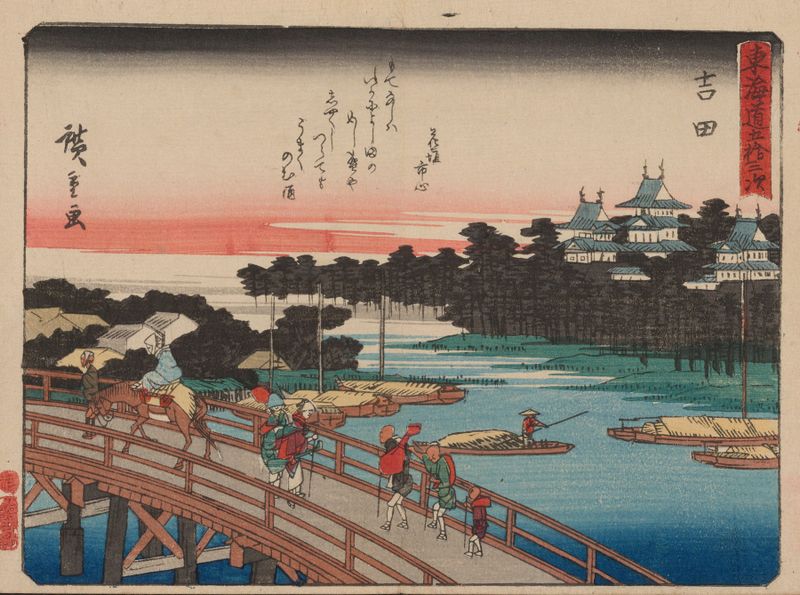
Tokaido gojusantsugi, Pl.35
Utagawa Hiroshige
Tokaido gojusantsugi, Pl.49
Utagawa Hiroshige





