
Tombs of the Fallen in the Fight for Independence — History & Facts
A shaft of pale light falls on a solitary monument, drawing the eye to its upright form amid the sloping greens and shadowed rocks. The scene is hushed, almost breath-held, as if the earth itself is pausing in respect for the tombs scattered across the hillside. The tombs are not grand but half-sunken, some nearly overtaken by grass and bramble, their presence quietly persistent.
The sheer rock face looms behind, its ochre and gold tones lending a sense of age and gravity, while a dark cave mouth recedes into mystery at the center. The living are absent, save for two tiny, indistinct figures near the cave—silent witnesses, dwarfed by the land and the memory it holds. Painted in 1812, Tombs of the Fallen in the Fight for Independence belongs to a world shaken by war and yearning for meaning in its aftermath. This was the age when artists like Caspar David Friedrich turned to the landscape to speak of loss, sacrifice, and the search for hope.
Such works were rarely mere records; they were meditations, often commissioned or collected by those who wanted to remember the cost of freedom or to find solace in nature’s endurance. The painting’s presence in collections like The Yorck Project and Bildindex der Kunst und Architektur is a testament to its quiet resonance. Look again at the glowing monument and the shadowed cave—here, remembrance and oblivion stand side by side, inviting the viewer to linger in the space between.
More Artworks by Caspar David Friedrich
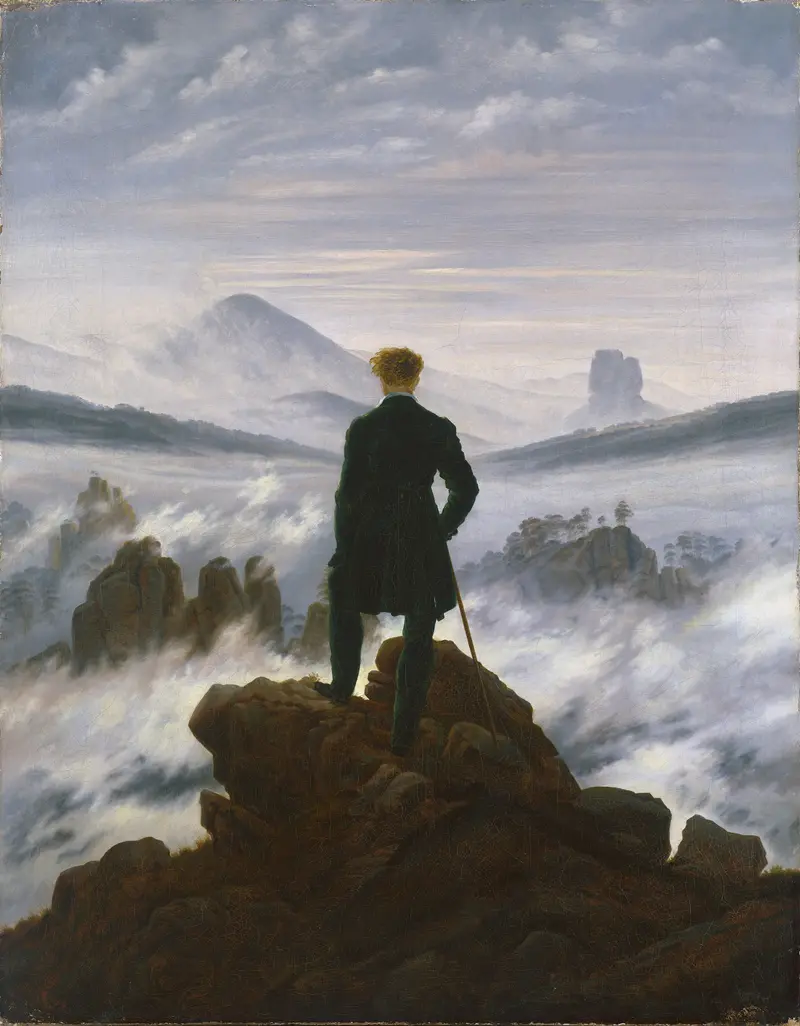
Wanderer above the Sea of Fog
Caspar David Friedrich

The Sea of Ice
Caspar David Friedrich
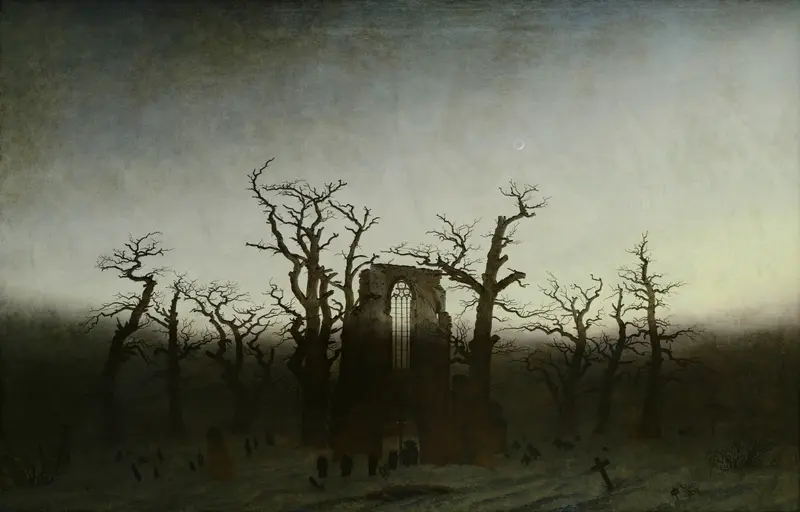
The Abbey in the Oakwood
Caspar David Friedrich
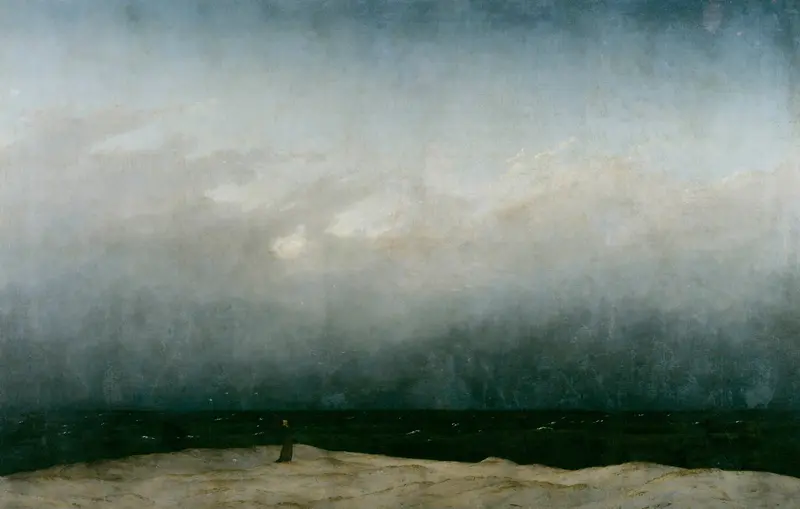
The Monk by the Sea
Caspar David Friedrich
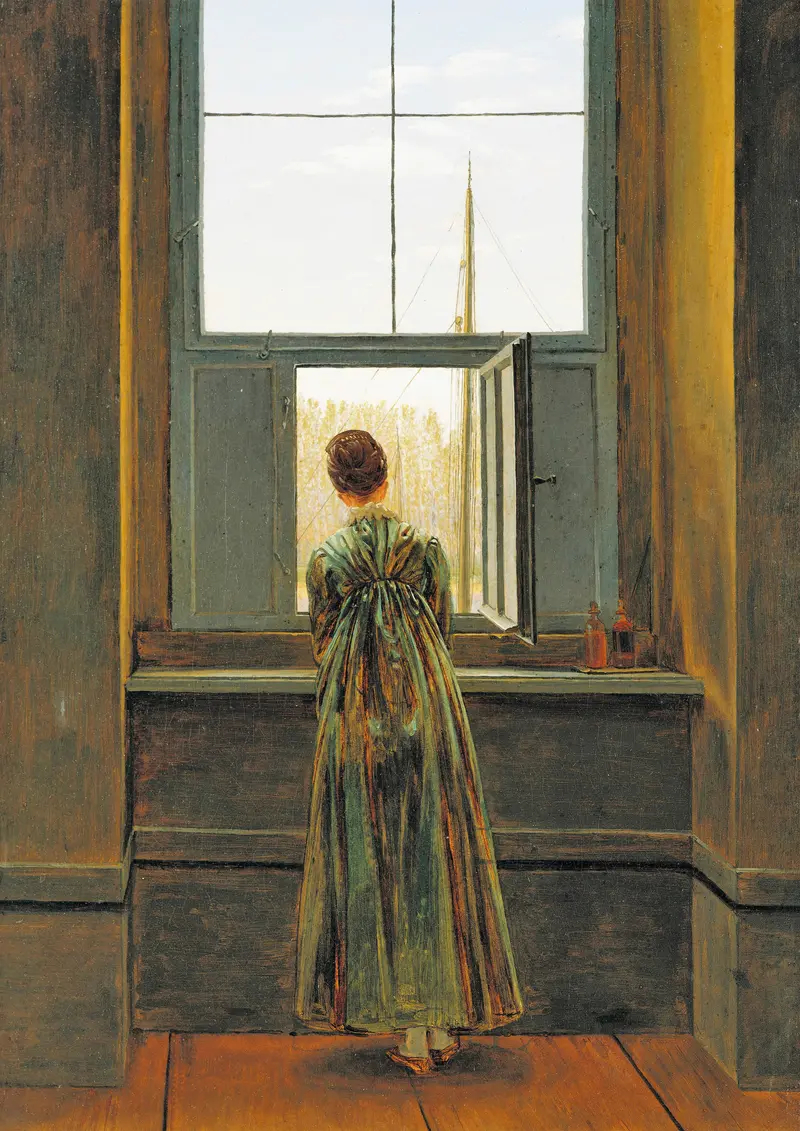
Woman at a Window
Caspar David Friedrich
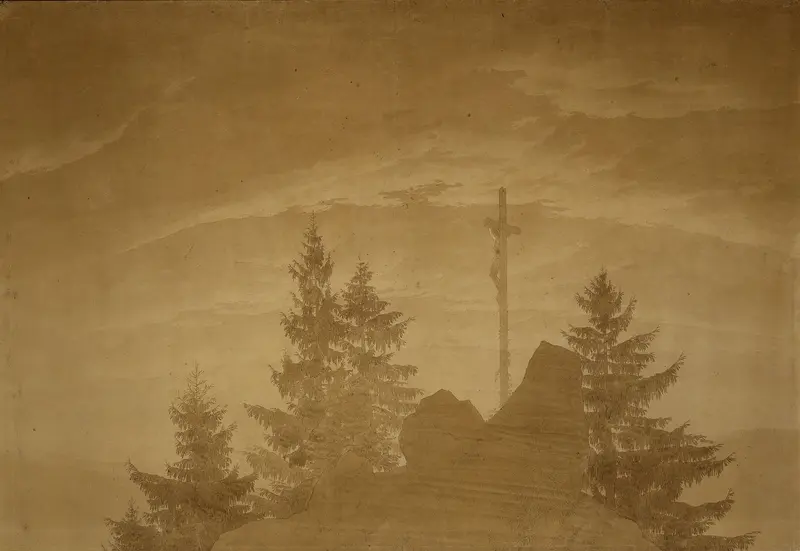
Cross in the Mountains
Caspar David Friedrich
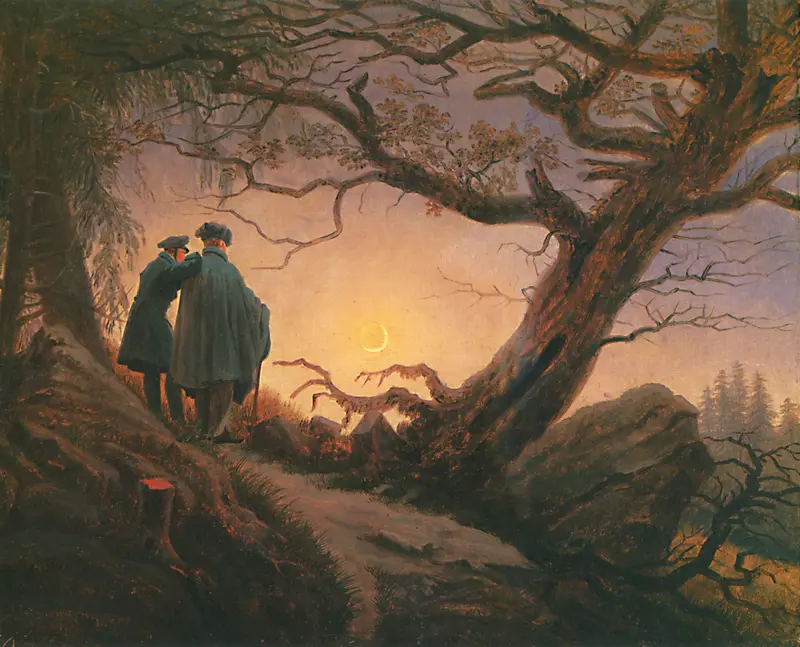
Two Men Contemplating the Moon
Caspar David Friedrich
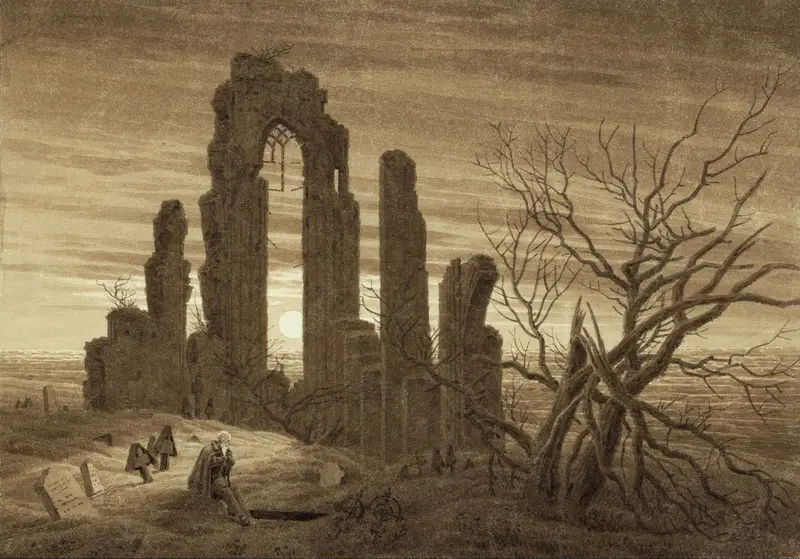
Winter – Night – Old Age and Death (from the times of day and ages of man cycle of 1803)
Caspar David Friedrich
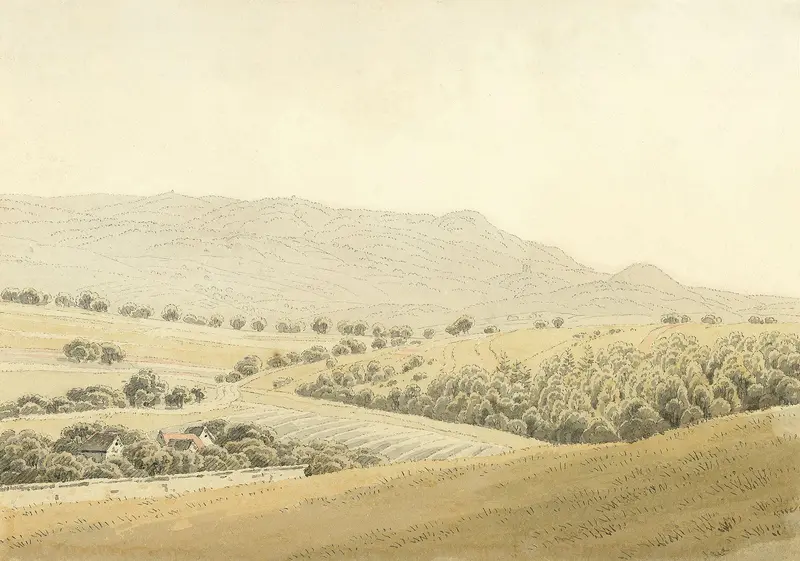
Mittelgebirgslandschaft
Caspar David Friedrich

Landschaft mit gebirgsee, morgen
Caspar David Friedrich
More Landscape Art

The Starry Night
Vincent van Gogh

View of Delft
Johannes Vermeer

Water Lilies
Claude Monet

The Grand Canal, Venice, looking north-west from the Ca' Corner to the Ca' Contarini degli Scrigni, with the campanile of Santa Maria della Carità
Canaletto

Windsor Castle
Canaletto

The Grand Canal looking North-East from the Palazzo Dolfin-Manin to the Rialto Bridge
Canaletto